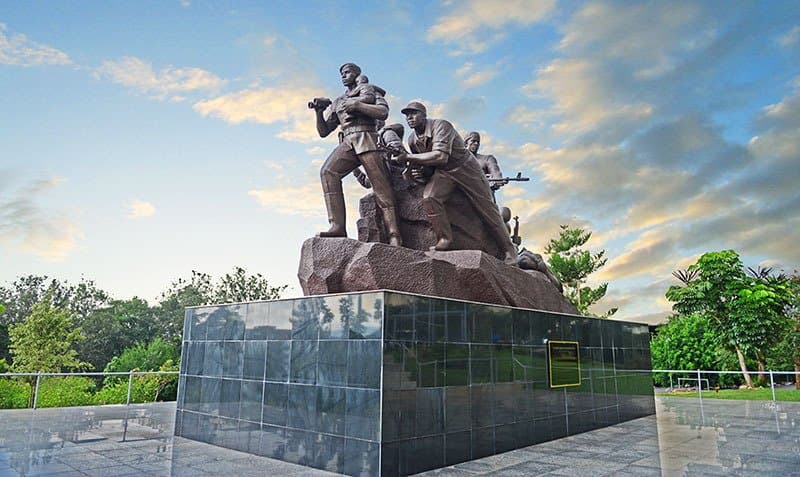
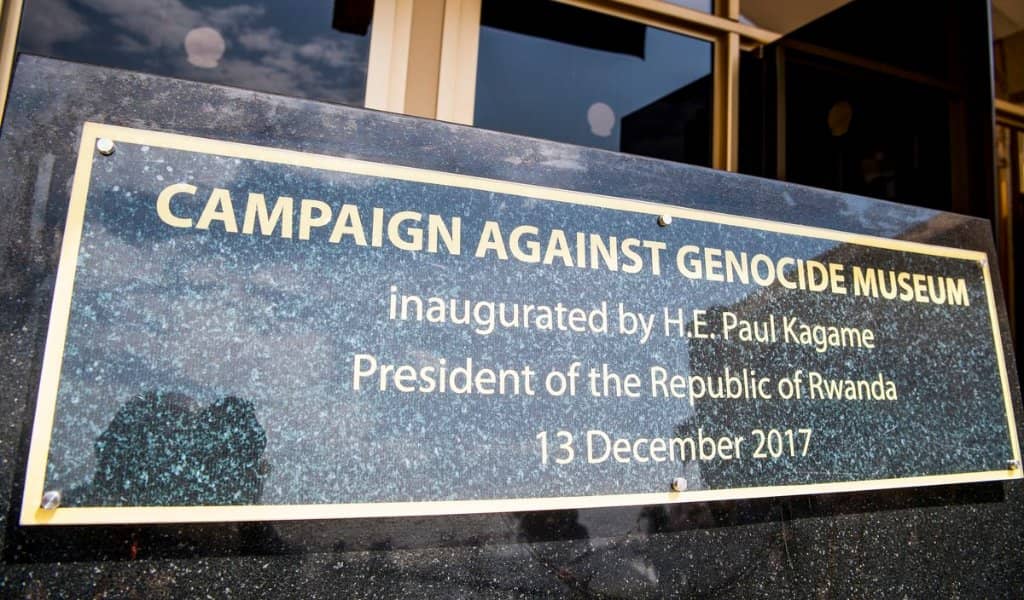
Campaign Against Genocide Museum
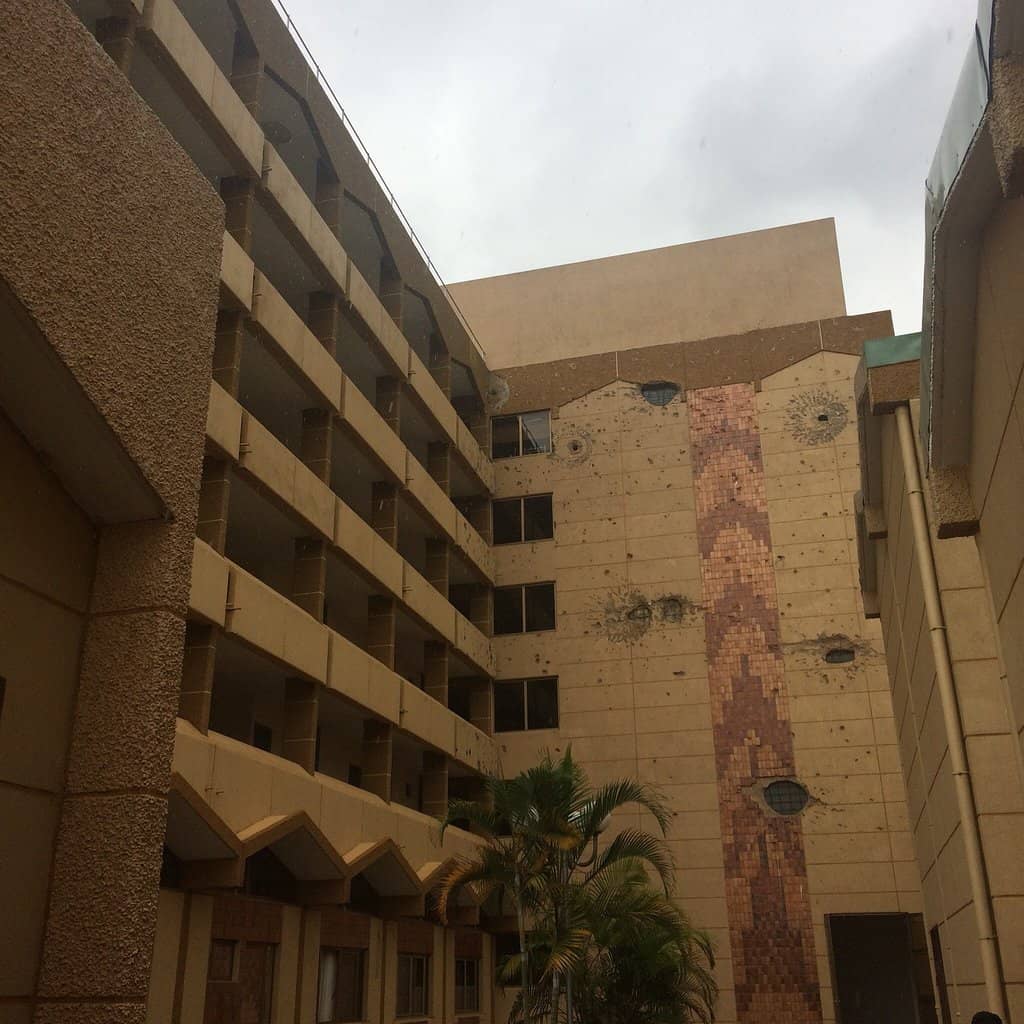
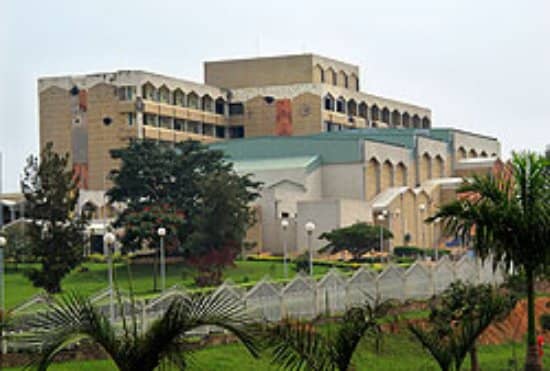
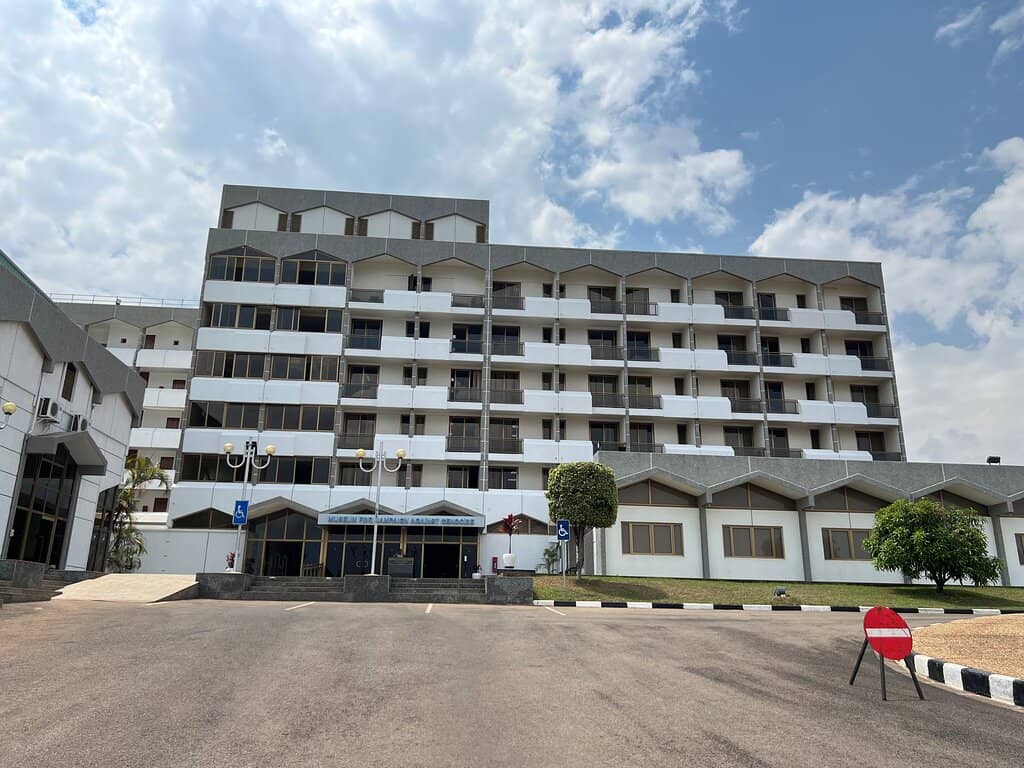
A profound museum detailing the RPF's fight to end the 1994 genocide, housed in the historic Parliament building.
Highlights
Must-see attractions

Social
From TikTok & Reddit
Best Time
Fewer crowds, more reflection time.
Campaign Against Genocide Museum
Best Time
Fewer crowds, more reflection time.
Highlights
Must-see attractions
A profound museum detailing the RPF's fight to end the 1994 genocide, housed in the historic Parliament building.
"Powerful and unflinching, this exhibition examines what happened and offers analysis of the factors which led to the genocide."
Bring Your Passport! :passport_control:
A passport is required for entry. Don't forget it!
Emotional Preparation :pleading_face:
This is a powerful and emotional experience. Be prepared for challenging content.
Highlights
Discover the most iconic attractions and experiences
The Campaign's Genesis
Parliamentary Building
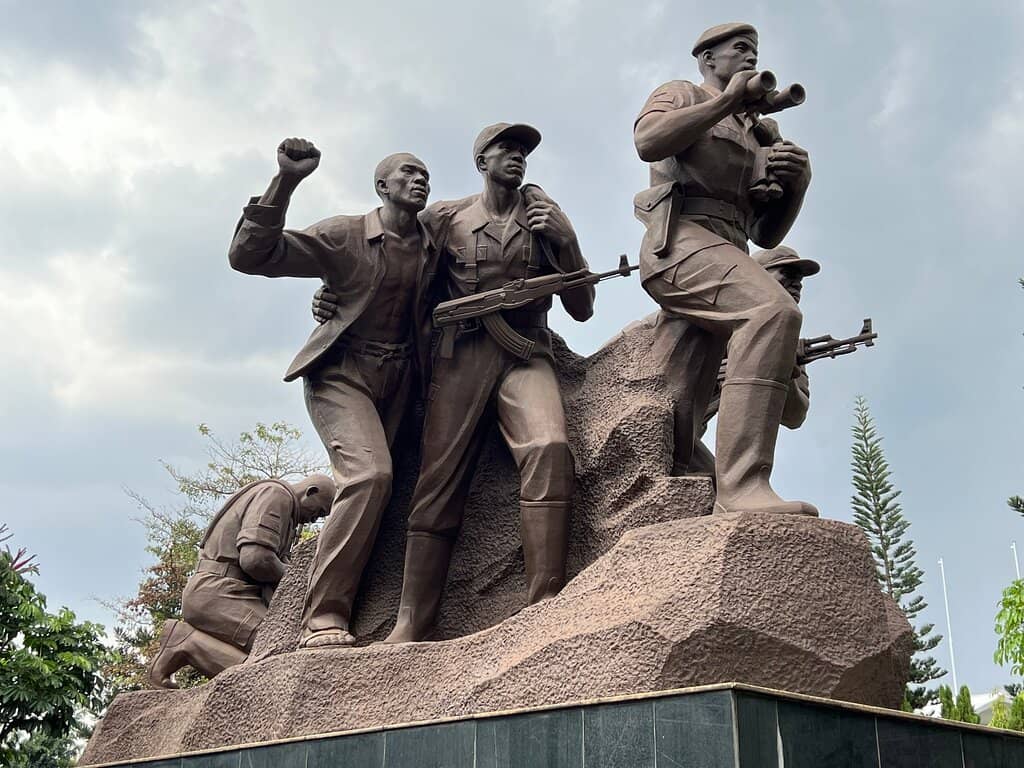
Discover how the Rwandan Patriotic Front (RPF) and its soldiers fought to end the genocide, showcasing incredible courage against overwhelming odds.

Survivor Stories
Exhibition Halls
Hear harrowing personal accounts from survivors and their families, adding a deeply human dimension to the historical narrative.
Rooftop Views & Insights
Museum Rooftop
Don't miss the rooftop, offering a unique perspective and further insights into the events that unfolded.
Plans like a pro.
Thinks like you
Planning Your Visit
Understand the Significance
Passport & Entry Details
Best Times
Insider Tips
from TikTok, Instagram & Reddit
Bring Your Passport! :passport_control:
A passport is required for entry. Don't forget it!
Emotional Preparation :pleading_face:
This is a powerful and emotional experience. Be prepared for challenging content.
Engage with Guides :man_teacher:
Guides offer invaluable personal stories and historical context. +1
Allow Ample Time :clock1:
Give yourself enough time to absorb the exhibits and reflect.
Tips
from all over the internet
Bring Your Passport! :passport_control:
A passport is required for entry. Don't forget it!
Emotional Preparation :pleading_face:
This is a powerful and emotional experience. Be prepared for challenging content.
Engage with Guides :man_teacher:
Guides offer invaluable personal stories and historical context. +1
Allow Ample Time :clock1:
Give yourself enough time to absorb the exhibits and reflect.
Consider a Guided Tour :walking:
A guide can significantly enhance your understanding and experience.
What Travellers Say
Reviews Summary
Visitors consistently praise the museum for its detailed and insightful documentation of the campaign to end the 1994 genocide, highlighting the bravery of the RPF. The personal stories shared by guides are particularly impactful, offering a deeply human perspective on survival and reconciliation. While the experience is emotionally challenging, it's widely considered essential for understanding Rwanda's history and its remarkable recovery.
"Worthwhile to better understand the genocide and how it ended. Located in the still current parliament building which was used as a fighting base, there are detailed explanations, photographs and more. A tour guide was very friendly and wanted to explain many aspects to me which was quite useful."
Michael Martin
"Detailed and insightful documentation about resistance in Kigali of the 3rd battalion during Genocide. Do not miss visiting the roof. You need a passport to get in and it costs 18.000 Francs (Jan 2025)."
Axel Heinz
"The value of history can never be overstated. I gained more insight to the 1994 genocide. The longer the tour, the stronger my resolve to campaign against discrimination and racism. Rwanda has done an excellent job at reconciliation and this needs to be replicated in countries that have faced similar challenges."
Valucee Luchi
What People Like
What People Dislike
Frequently Asked Questions
🚇 🗺️ Getting There
The museum is located within the Parliament building in Kigali. Taxis are readily available throughout the city and are a convenient way to reach the museum.
While public transport options exist in Kigali, taking a taxi is generally recommended for ease and direct access to the Parliament building where the museum is situated.
From Kigali International Airport (KGL), a taxi is the most straightforward option. The journey to the Parliament building takes approximately 20-30 minutes depending on traffic.
As the museum is within the Parliament building, parking arrangements would be within the Parliament's facilities. It's advisable to confirm directly with the Parliament or museum if you plan to drive.
Depending on your starting point, walking might be possible, but Kigali is a hilly city. It's often more practical to use a taxi for longer distances or if you're short on time.
🎫 🎫 Tickets & Entry
As of January 2025, the entry fee was 18,000 Rwandan Francs. It's always a good idea to check for the most current pricing before your visit.
While advance booking might not always be strictly necessary, it's recommended, especially during peak tourist seasons, to ensure entry and avoid potential queues.
You will need to present your passport to gain entry to the museum.
Opening hours can vary, but typically museums in Kigali are open during standard daytime hours. It's best to check the official website or contact the museum directly for the most up-to-date information.
Information on discounts for students, seniors, or groups is not widely publicized. It's advisable to inquire directly with the museum staff upon arrival or by phone.
🎫 🧭 Onsite Experience
The museum details the history of the 1994 Genocide against the Tutsi and the campaign to end it, featuring explanations, photographs, survivor stories, and analysis of the factors leading to the genocide. +1
Yes, guides are highly recommended. They provide personal stories of survival and healing, adding a crucial human element and deeper understanding to the exhibits. +1
To fully absorb the exhibits and reflect on the sensitive content, it's recommended to allocate at least 2-3 hours for your visit.
The museum deals with very sensitive and graphic historical events. While educational, it may be overwhelming for younger children. Parental discretion is advised.
Standard visitor facilities like restrooms are typically available within museum premises. It's advisable to carry water, especially during warmer months.
📸 📸 Photography
Photography policies can vary. It's essential to check for signage or ask museum staff before taking pictures to respect the solemn nature of the exhibits.
Often, areas with particularly sensitive displays or personal artifacts may have restrictions on photography. Always adhere to the rules set by the museum.
The museum is housed in the Parliament building. Exterior photography is generally permissible, but it's always good to be mindful of the surroundings.
Focus on capturing the architectural details of the Parliament building, any informative external displays, and perhaps the general atmosphere if photography is permitted.
As the museum is within the Parliament building, drone usage would likely be heavily restricted or prohibited due to security regulations.
For Different Travelers
Tailored advice for your travel style
👨👩👧 Families with Kids
🤔 History Enthusiasts & Researchers
🌍 Travelers Seeking Deeper Understanding
Deep Dives
In-depth insights and expert knowledge
The Historical Context: A Campaign of Liberation
+1Visitors will learn about the critical decisions made, the sacrifices endured, and the strategic brilliance that characterized the RPF's campaign. The exhibits highlight the RPF's commitment to protecting civilians and their unwavering resolve in the face of international withdrawal and immense brutality. This narrative is crucial for understanding Rwanda's path to recovery and its strong stance against discrimination and genocide.
This historical perspective is vital for anyone seeking to understand the complexities of the genocide and the subsequent rebuilding of Rwanda. It offers a powerful counter-narrative to the often-told stories of inaction and despair, focusing instead on agency, courage, and the successful fight for freedom and justice.
An Emotional and Educational Journey
Guides within the museum often share their own stories of survival and loss, adding an intensely personal layer to the historical narrative. These firsthand accounts, along with those of their family members, underscore the immense human cost of the genocide and the profound journey of healing and reconciliation that Rwanda has undertaken.
It's an experience that resonates long after you leave, fostering a deeper understanding of the events and strengthening one's resolve to campaign against discrimination and racism. Many visitors emphasize that this museum should be a top priority for anyone visiting Rwanda, offering invaluable insights into the nation's past and its remarkable progress.
Practicalities: What to Know Before You Go
Given the sensitive nature of the exhibits, visitors are advised to prepare for an emotional experience. The museum's content is powerful and can be challenging. Allowing ample time for reflection is crucial, so plan for at least 2-3 hours to fully engage with the displays and narratives.
While the museum is located within the Parliament building, making it a significant historical site, it's important to note that photography policies should be respected. Always check for signage or ask staff before taking pictures to ensure you are adhering to their guidelines.
Social
from TikTok, Instagram & Reddit