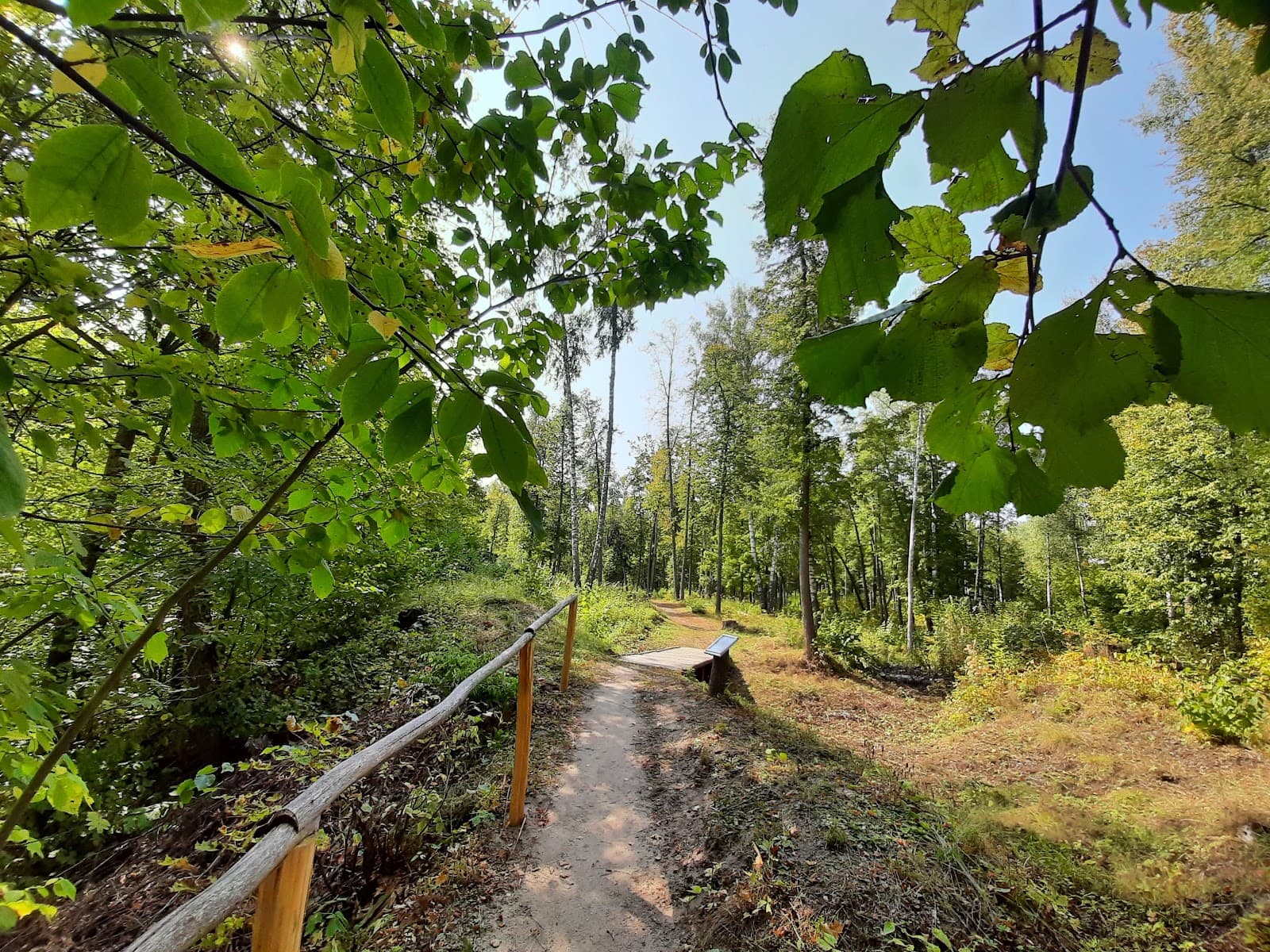
Zolotarevskoye Ancient Settlement
A vast, ancient fortified settlement with a dramatic history, set amidst a mysterious forest ravine.
Highlights
Must-see attractions

Social
From TikTok & Reddit
Best Time
Best weather for exploring
Zolotarevskoye Ancient Settlement
Best Time
Best weather for exploring
Highlights
Must-see attractions
A vast, ancient fortified settlement with a dramatic history, set amidst a mysterious forest ravine.
"A place of deep historical significance, though currently neglected and challenging to access."
Visit the Museum First
Get context from the Zolotarevka museum; guides are often available even if closed. :informationdeskperson:
Prepare for the Road
Forest road can be rough and muddy. Consider an SUV or be ready for a walk. 🚗 :mud:

Quick Facts
Hours
Rating
4.5 · 57 reviews
Type
Historical Landmark
Highlights
Discover the most iconic attractions and experiences
The Kudeyarov Ravine
Surrounding the settlement
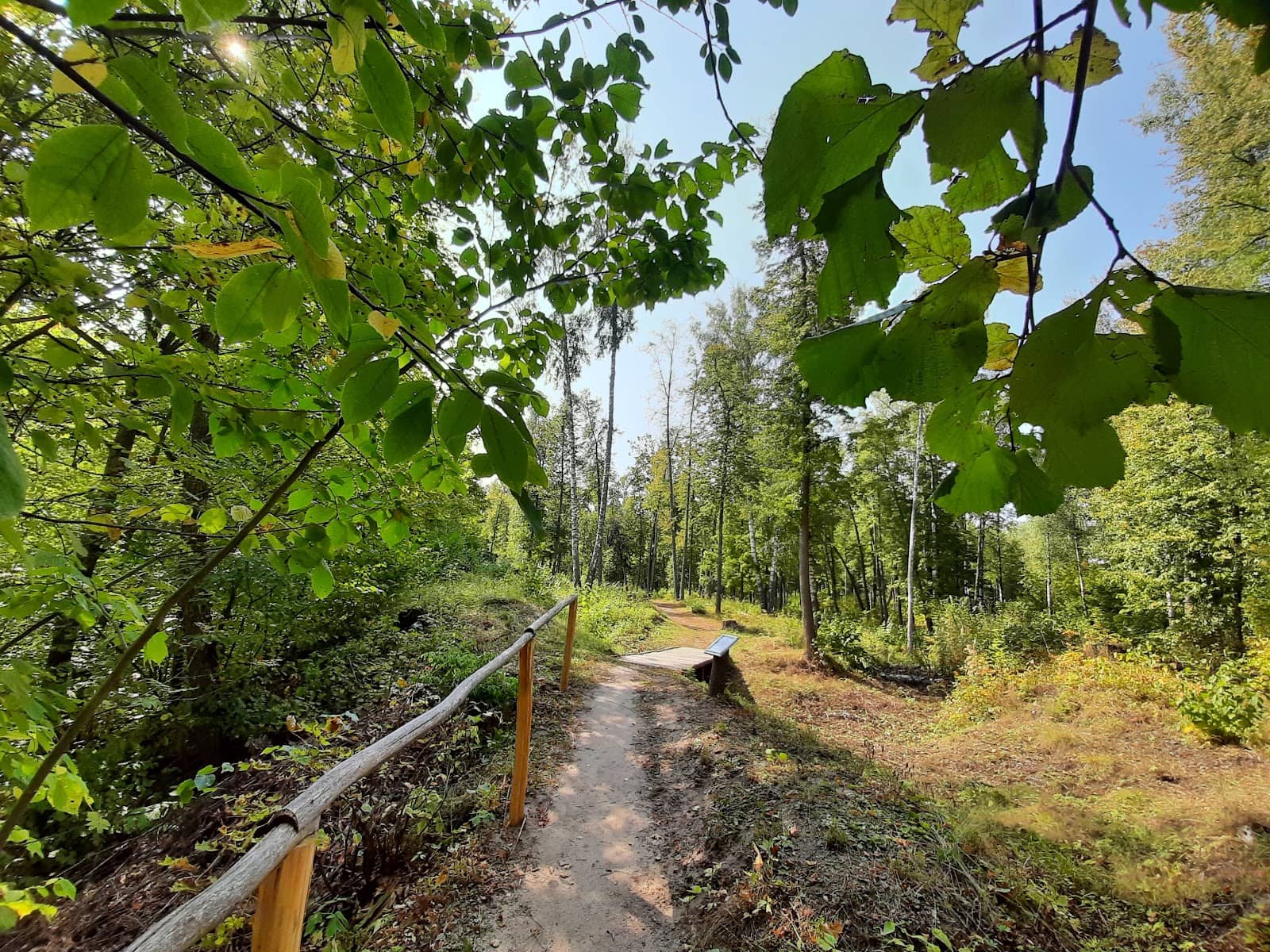
A dramatic natural defense, this deep ravine with the Medoevka River at its base adds to the settlement's strategic and mysterious atmosphere.
Archaeological Landscape
The settlement grounds
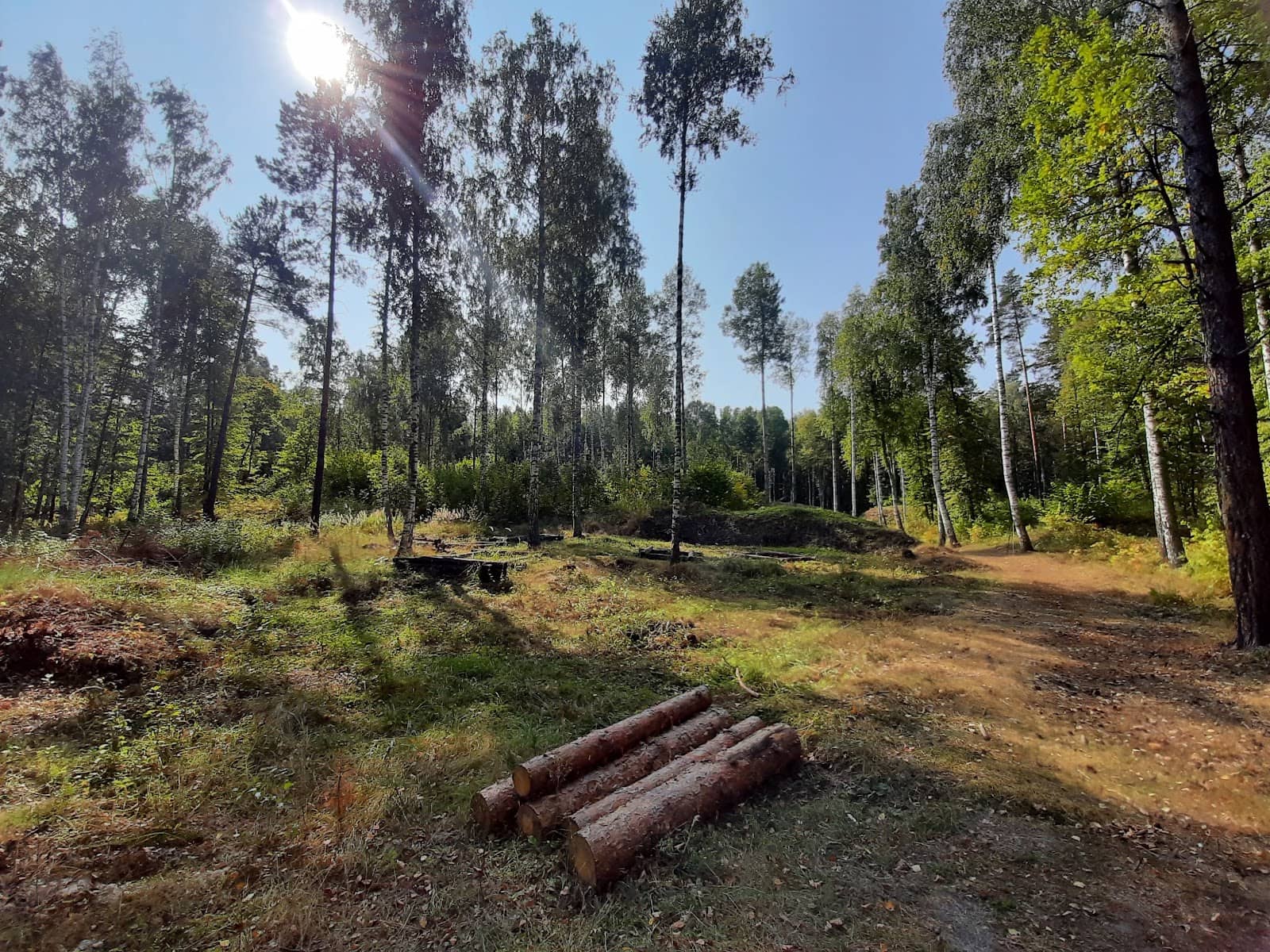
Explore the remnants of ramparts, ditches, and pits that once formed a powerful fortress, offering a glimpse into ancient defensive structures.
Zolotarevka Village Museum
Zolotarevka village
Gain crucial historical context and insights from a friendly local guide, even if the museum is officially closed.
Plans like a pro.
Thinks like you
Planning Your Visit
Road Conditions & Access
Site Condition & Expectations
Best Times
Insider Tips
from TikTok, Instagram & Reddit
Visit the Museum First
Get context from the Zolotarevka museum; guides are often available even if closed. :informationdeskperson:
Prepare for the Road
Forest road can be rough and muddy. Consider an SUV or be ready for a walk. 🚗 :mud:
Insect Repellent is Key
Mosquitoes and horseflies can be intense, especially in summer. Bring strong repellent. :bug: :facewiththermometer:
Wear Sturdy Footwear
The terrain is uneven and can be overgrown. Good walking shoes are essential. :athletic_shoe:
Tips
from all over the internet
Visit the Museum First
Get context from the Zolotarevka museum; guides are often available even if closed. :informationdeskperson:
Prepare for the Road
Forest road can be rough and muddy. Consider an SUV or be ready for a walk. 🚗 :mud:
Insect Repellent is Key
Mosquitoes and horseflies can be intense, especially in summer. Bring strong repellent. :bug: :facewiththermometer:
Wear Sturdy Footwear
The terrain is uneven and can be overgrown. Good walking shoes are essential. :athletic_shoe:
Manage Expectations
It's an archaeological site, not a restored city. Focus on the historical landscape. :thought_balloon:
What Travellers Say
Reviews Summary
Zolotarevskoye Ancient Settlement is a historically significant site with impressive natural defenses and a compelling past, but it suffers from neglect and challenging access. Visitors appreciate the historical context and the dramatic landscape, though many note the overgrown conditions and rough road access detract from the experience.
"An interesting historical place is located at the entrance to the village of Zolotarevka in the Penza region.
Leaving the highway, winding a little along a forest road and we are all there, signs will tell you how to go.
Mysterious nature surrounds this place, a deep ravine or ditch surrounds this place, the organizers of course do not have enough money to recreate this city, of course if the buildings were restored, this would be a very popular place."
Юрий Богомолов
"On the land of ancestors: Zolotarevskoye settlement
Zolotarevskoye settlement is a unique archaeological monument dating back to the 3rd-4th and 8th-13th centuries AD. The settlement is located 30 km southeast of Penza before reaching the village of Zolotarevka in a dense forest, along the Kudeyarov ravine, at the bottom of which the Medoevka River flows. According to modern ideas, the oldest period of the settlement's existence dates back to the 3rd - 4th centuries, as evidenced by the found molded "rogozhny" ceramics of the Gorodets culture. More diverse in archaeological finds is the material of the 8th - 10th centuries, which scientists associate with the Mordvin tribes. This is crockery, jewelry, tools, weapons. It is believed that during this period, Zolotarevskoye settlement had extensive connections with the southern and eastern tribes. In the 10th century, the settlement was conquered by the Burtases (ancestors of the modern Mishars), who in turn submitted to the Volga Bulgaria in the 11th century. For the Bulgar state, the settlement played an important role, it controlled the crossing on the Sura River on the way from Bulgar to Kyiv. In fact, one of the roads of the Great Silk Road passed through here. The real name of the settlement is unknown, neither about it, nor about the battle, written references have been found. But in oral legends associated with the Zolotarevskoye settlement, there is a Mordvin word "Sernya", which means "gold". Why gold? Apparently, it was connected with the production and sale of jewelry, which is found in abundance by archaeologists. Or, perhaps, because the fortress brought in good profit.
It was a fairly large settlement with a powerful fortress in the center and a large settlement around it. The fortress itself was located on a steep cape up to 20 m high, formed by two ravines, and was surrounded on all sides by a rampart and a deep ditch. Four more ramparts with moats were built across the cape. The moats were filled to the brim with water. Behind the outer rampart, a wide strip of land was dotted with many round pits with stakes at the bottom, 1 m deep. It is believed that the walls were up to 10 m high. The total area of the Zolotarevskoye settlement was 14 hectares, which is comparable to the cities of Ancient Rus. The area of the fortress is about 2.5 hectares. From the 11th to the 13th centuries, Burtases, Bulgars, Mordvins, and Russians lived here. And from the 12th century, representatives of the Askiz culture from Altai appeared, who served here as military mercenaries, as evidenced by the iron overlays of horse harnesses covered in gold (Fig. 14). Almost 800 years ago, a grand battle took place here. Having defeated the Volga Bulgaria a year earlier, Batu's army moved west and in 1237 they ended up here. The residents, of course, knew about the impending disaster, so they prepared in advance, strengthened the fortifications, dug traps, hid treasures. They thought to defend. But the forces were not equal and the Mongols completely captured the city in a few days. Since the residents did not want to surrender voluntarily, the entire settlement was burned down, and its two thousand population was slaughtered. The city was never restored. Moreover, the dead bodies remained lying on the ground, no one buried them, no one wrote about them. People called these places cursed and avoided them. Over time, thick grass covered the remains and a forest grew. The Zolotarevskoye settlement remained in the form in which the Mongols left it, until in 1882, archaeologists accidentally discovered it. But at first they decided that it was a fortress of the abatis line of the 17th century, so they did not study it much, but new archaeological work from 1952-78 determined the true time of the settlement's existence and its true cultural affiliation. A huge battlefield opened up before the researchers, on which more than 15 thousand arrowheads alone were found! Even in the whole of Volga Bulgaria, perhaps, there are not so many arrowheads found over many years of archaeological research. And here in one place there are more than 15 thousand!
You can get here only through a muddy area along a bumpy forest clearing about 2 km from the asphalt, where there is a sign."
Аркадий Жаринов
"In my opinion, we need to reconstruct the ancient city that was there; the landscape is well preserved for that. Right now, it looks like a mound in the forest."
Mikhail
What People Like
What People Dislike
Frequently Asked Questions
🚇 🗺️ Getting There
The settlement is located 30 km southeast of Penza, near Zolotarevka village. You'll need to leave the highway and follow a forest road, which can be muddy and bumpy. Signs are posted to guide you. Some visitors recommend an SUV or being prepared for a walk from the main road.
The forest road can become very difficult to navigate, especially after rain or during wet seasons. It's best to visit during drier periods for easier access.
While a car is necessary to reach the general area, the final approach can be challenging. Many visitors opt for a vehicle with higher clearance. If driving a standard car, parking before the roughest sections and walking the rest of the way is an option.
The final stretch along the forest road is about 2 km. If you choose to walk, factor this into your visit time and be prepared for uneven terrain.
Public transport is not a practical option for reaching the settlement directly due to its remote location and the nature of the access road. A private vehicle is highly recommended.
🎫 🎫 Tickets & Entry
Zolotarevskoye Ancient Settlement is a federal archaeological site and generally does not require paid admission for general access to the grounds. However, specific guided tours or museum visits might have fees.
As an open-air archaeological site, there are no strict opening hours. You can visit during daylight hours. The Zolotarevka village museum, however, may have limited hours, so checking in advance or visiting the guide is advised.
Typically, there is no entrance fee for exploring the archaeological grounds themselves. The site is managed as a historical monument.
While it's best to check for official hours, visitors have reported that the local guide in Zolotarevka is often willing to open the museum even if it appears closed, especially if you express interest.
As a protected archaeological site, visitors are expected to respect the historical integrity of the area. Avoid disturbing any remains or structures.
🎫 🧭 Onsite Experience
You can explore the remnants of ancient fortifications, including ramparts, deep ditches, and defensive pits. The natural landscape, particularly the Kudeyarov ravine, is also a significant feature. The site offers a glimpse into a large ancient settlement and fortress.
Reviews indicate that the site is largely neglected and overgrown with waist-high grass and bushes. Reconstruction efforts are described as sagging, and the overall condition is described as unkempt.
The terrain is uneven, with remnants of earthworks, ravines, and dense vegetation. Sturdy footwear is essential for navigating the site comfortably and safely.
There are no developed facilities or amenities directly at the Zolotarevskoye Ancient Settlement itself. Visitors should come prepared with water and any necessities.
The settlement has evidence of occupation from the 3rd-4th centuries AD (Gorodets culture), the 8th-10th centuries (Mordvin tribes), and later periods up to the 13th century, including Burtases, Bulgars, and Russians. It was famously destroyed by Batu Khan's army in 1237.
📸 📸 Photography
Capture the dramatic natural landscape of the Kudeyarov ravine, the imposing earthworks of the ancient fortifications, and the atmospheric, overgrown ruins. The contrast between nature reclaiming the site can be very photogenic.
Yes, the deep ravine and the surrounding forest offer excellent opportunities for landscape photography, especially during golden hour. The scale of the ancient earthworks also lends itself to dramatic shots.
Early morning or late afternoon light can enhance the textures of the earthworks and the natural beauty of the ravine. Overcast days can also create a moody atmosphere.
Drone regulations can vary. It's advisable to check local rules and obtain any necessary permissions before flying a drone over the archaeological site.
A wide-angle lens is useful for capturing the expansive landscape and earthworks. A telephoto lens can be good for details or distant views. Consider weather-sealed gear if conditions are damp.
Social
from TikTok, Instagram & Reddit