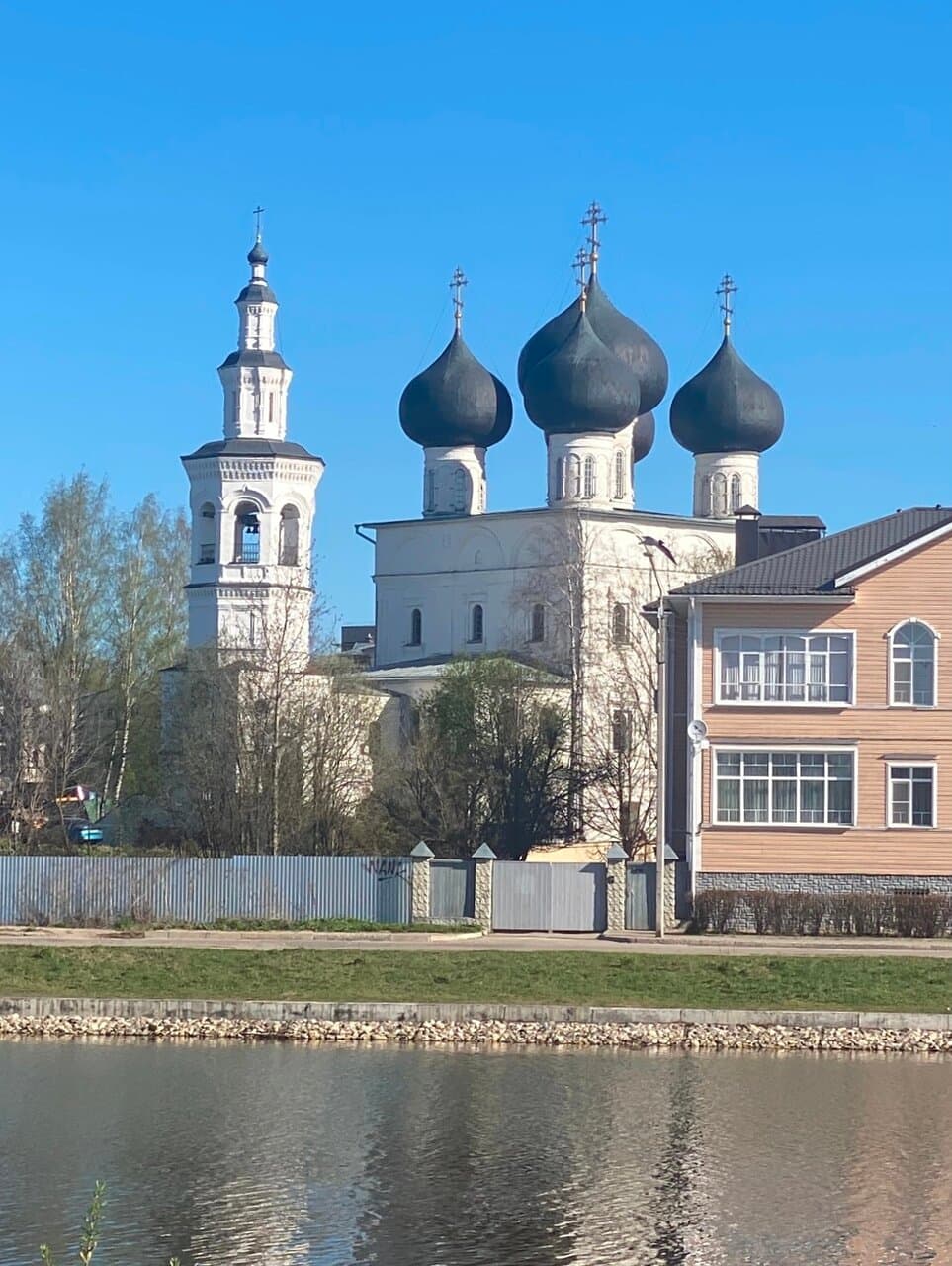
St Nicholas Church Glinka
A magnificent 17th-century church in Vologda, renowned for its iconic domes and breathtakingly diverse flower gardens.
Highlights
Must-see attractions

Social
From TikTok & Reddit
Best Time
Peaceful atmosphere
St Nicholas Church Glinka
Best Time
Peaceful atmosphere
Highlights
Must-see attractions
A magnificent 17th-century church in Vologda, renowned for its iconic domes and breathtakingly diverse flower gardens.
"This grandiose temple stands out for its size, with domes visible from afar and surrounded by a wonderful garden."
📸 Garden Photography
Capture the vibrant floral displays in the well-kept gardens. Best light is often in the morning.
🕰️ Historical Significance
Learn about its 1669 construction and Soviet-era factory use before restoration.
Highlights
Discover the most iconic attractions and experiences
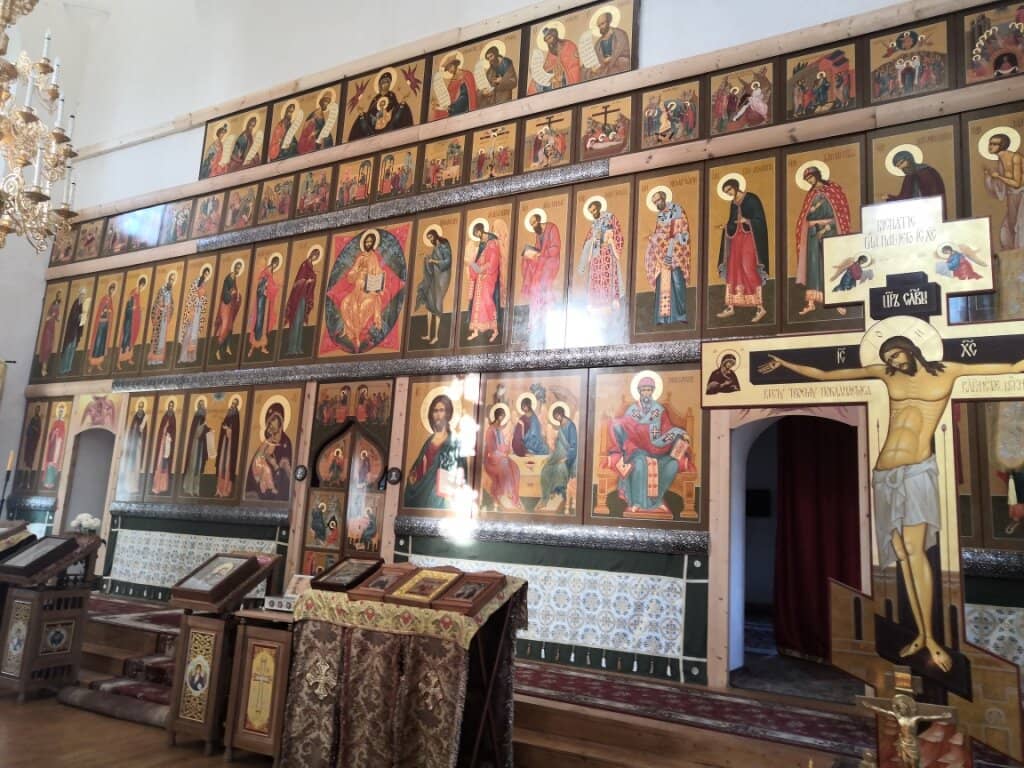
Iconic Onion Domes
Exterior
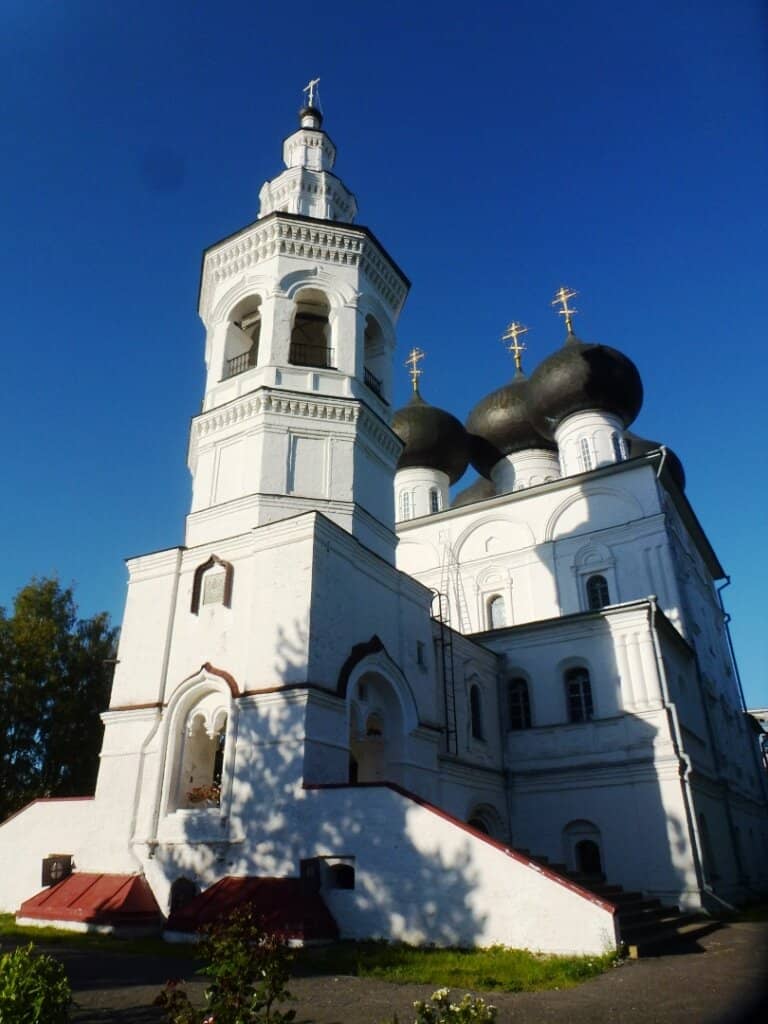
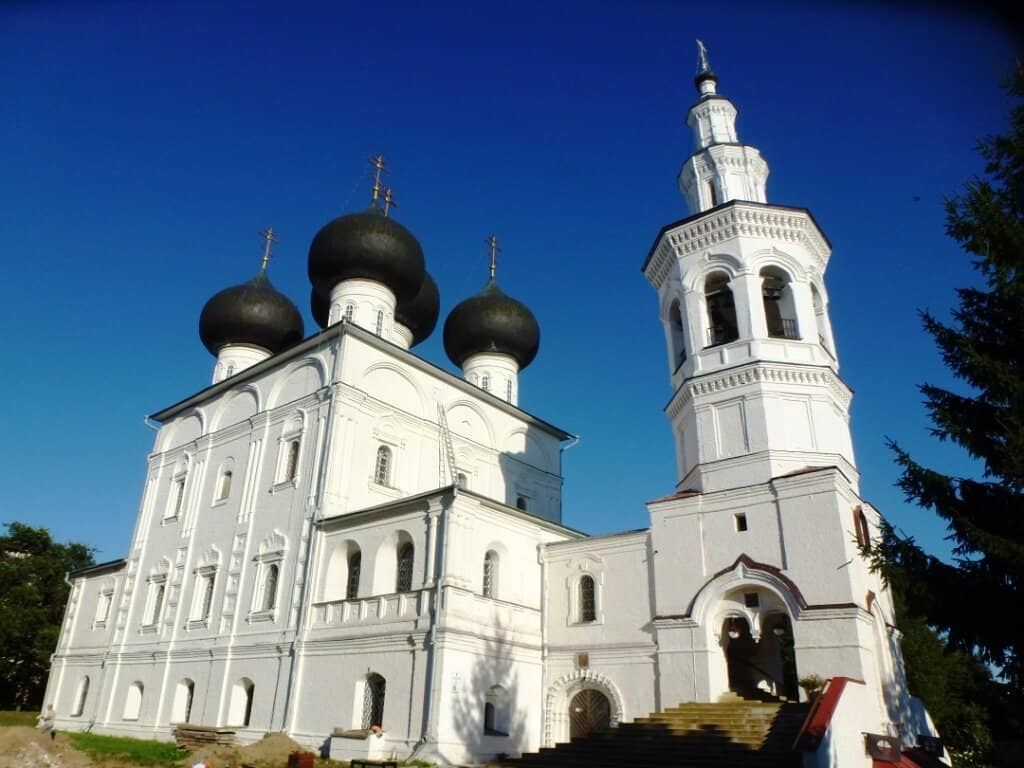
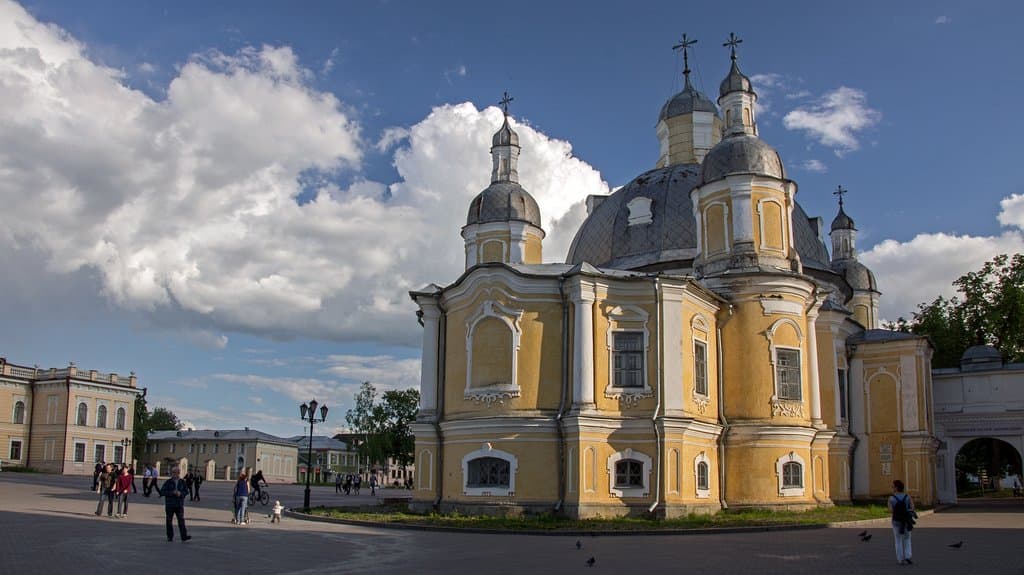
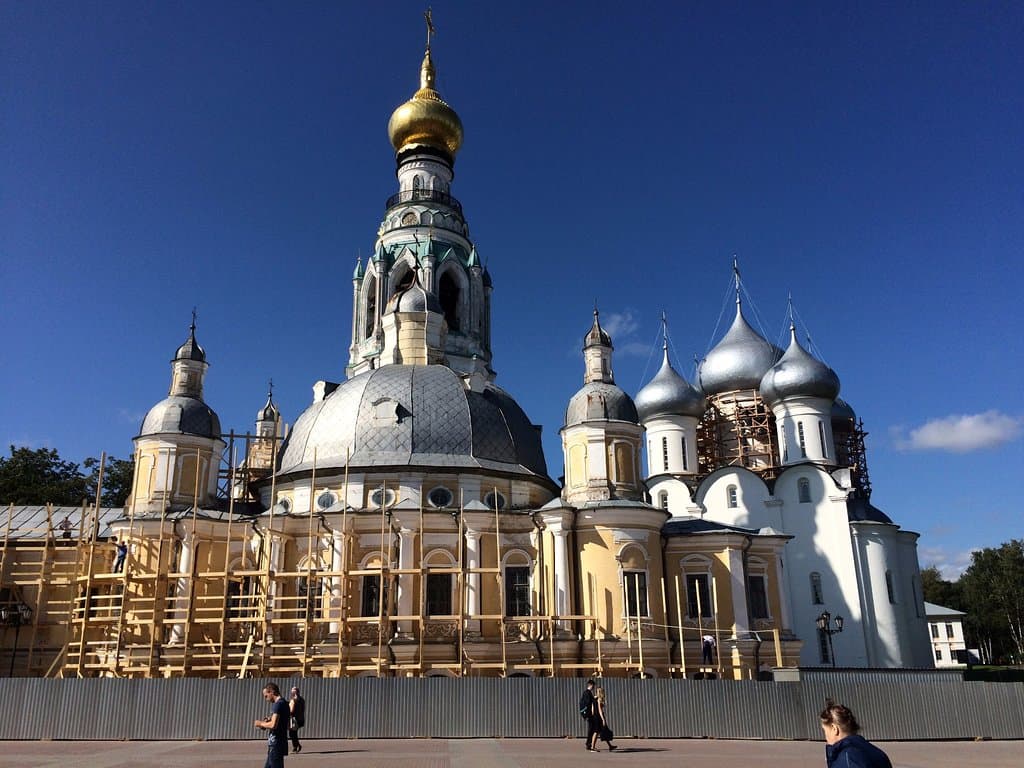
Brilliant, resilient onion-shaped domes crown the church, a hallmark of Vologda's northern Russian architectural style.
Restored Gardens
Church Grounds
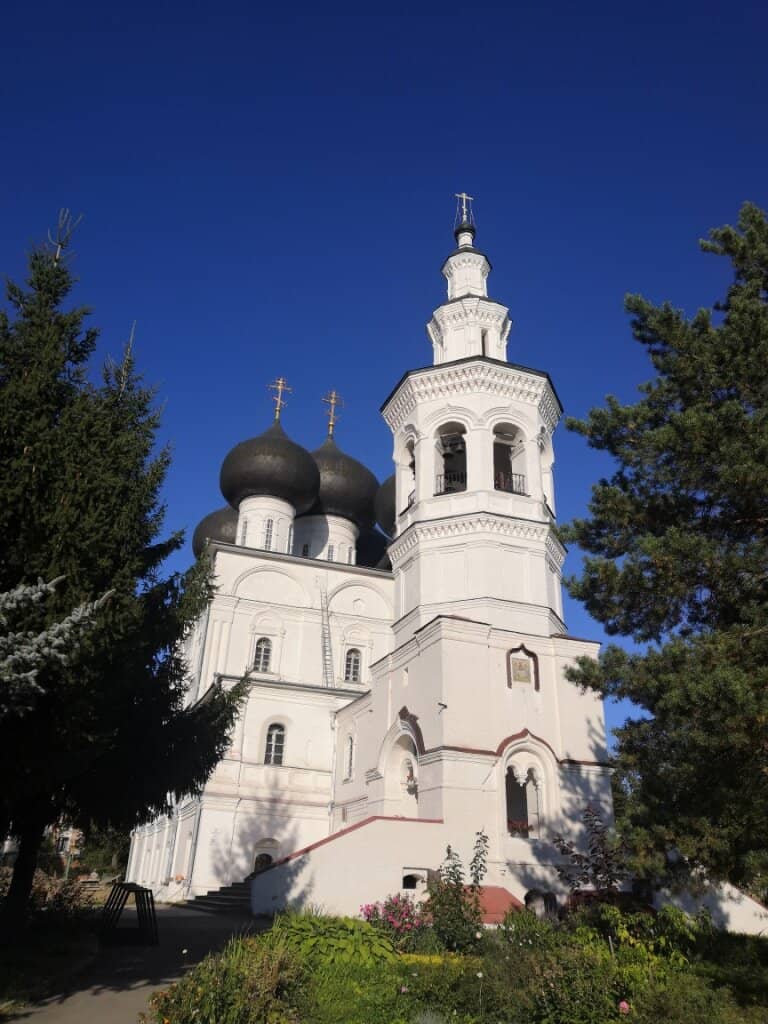
A breathtaking variety of flowers creates a vibrant, well-kept garden surrounding the historic church.
17th Century Architecture
Exterior and Interior
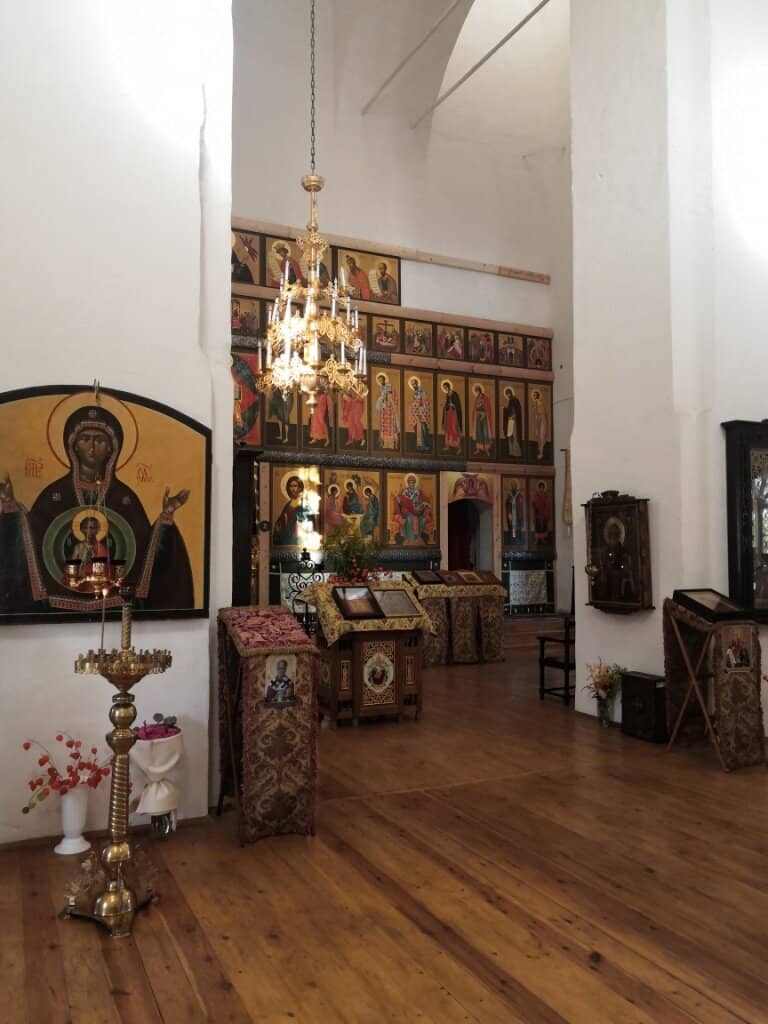
A unique stone church built in 1669, showcasing typical Vologda posad church features of the late 17th century.
Tiered Bell Tower
Adjacent to Church
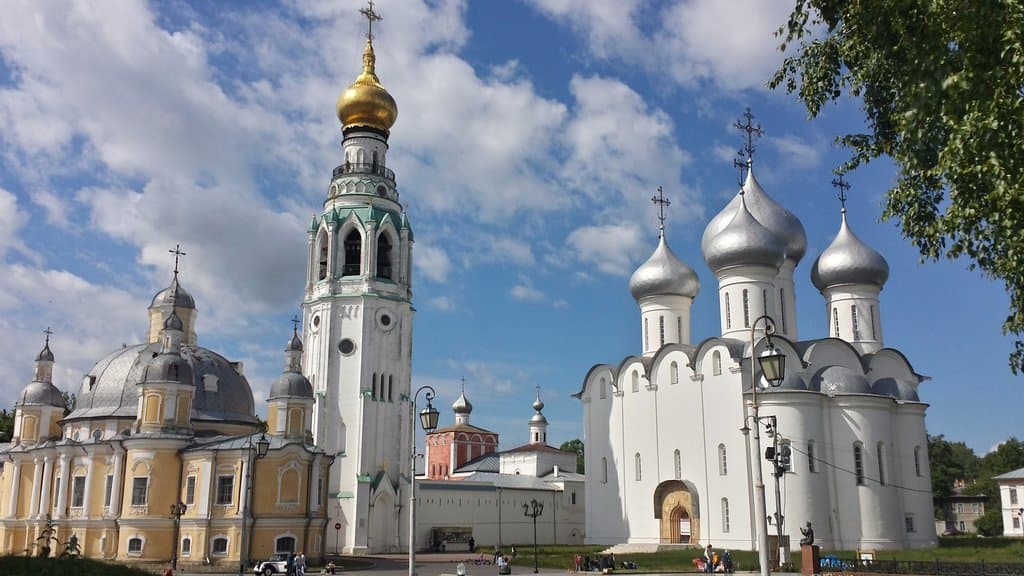
An elegant, slender, four-tiered bell tower built in the mid-18th century, typical of northern Russian cities.
Plans like a pro.
Thinks like you
Planning Your Visit
Timing Your Visit
Garden Delights
Best Times
Insider Tips
from TikTok, Instagram & Reddit
📸 Garden Photography
Capture the vibrant floral displays in the well-kept gardens. Best light is often in the morning.
🕰️ Historical Significance
Learn about its 1669 construction and Soviet-era factory use before restoration.
🙏 Spiritual Atmosphere
Experience the soulful ambiance, with background spiritual chants sometimes heard.
🚶♀️ Explore the Grounds
Don't miss the beautiful garden surrounding the church; it's a major highlight.
Tips
from all over the internet
📸 Garden Photography
Capture the vibrant floral displays in the well-kept gardens. Best light is often in the morning.
🕰️ Historical Significance
Learn about its 1669 construction and Soviet-era factory use before restoration.
🙏 Spiritual Atmosphere
Experience the soulful ambiance, with background spiritual chants sometimes heard.
🚶♀️ Explore the Grounds
Don't miss the beautiful garden surrounding the church; it's a major highlight.
What Travellers Say
Reviews Summary
Visitors consistently praise St. Nicholas Church Glinka for its grandeur, particularly its striking domes and the exceptionally beautiful, diverse flower gardens. The historical significance, including its 17th-century origins and unique past, is also a major draw. The spiritual atmosphere and the welcoming nature of the clergy are frequently highlighted as positive aspects.
"This grandiose temple stands out for its size. Its domes are visible from afar, from the other side of the river and from the city center. It was built in 1669. During Soviet times, the building housed a toy factory and a felt factory. Now everything has been restored and it is surrounded by a wonderful garden. It boasts an incredible variety of flowers. A must-see."
Antonius
"The stone church was built in 1669.
The church stands out among its contemporaneous counterparts in Vologda for its large size, five clerestory drums, and two-pillar structure.
In its other features (high basement, exterior decoration, double apses, and a bell tower rebuilt in the 18th century), the Church of St. Nicholas in Vladychnaya Sloboda is typical of a Vologda posad church of the second half of the 17th century.
The Church of St. Nicholas in Vladychnaya Sloboda is a very tall cube, crowned with five domes, closely spaced and beautifully composed. The brilliant, resilient, onion-shaped domes are beautifully shaped; the drums are decorated, as in the Church of St. John in Dyudikova Hermitage, with an arched band supported by columns intercepted in the middle by weights. The decorative touches on the cube's facades are evident, particularly evident in the large zakomaras, separated from the walls by a cornice. Even at the beginning of the 20th century, painted scenes depicting the twelve great feasts were still found here. Wall paintings also adorned the entrances to the upper church. The refectory, adjoining the church on the western side, connects the church with an elegant tiered bell tower, built in the mid-18th century. Its slender, graceful pillar consists of a four-tiered, high octagonal tier with a bell tower and two smaller octagons stacked on top of each other, topped with a cupola.
Such tiered bell towers, which replaced the ancient Russian tented roofs in the 18th century, were quite typical of the architecture of Vologda, as well as other northern Russian cities of the time."
Julius Caesar
"It seems to me that this is the most soulful temple in Zarechye. And after the renovation it will become even more attractive. It is pleasant that recently you can hear background spiritual chants there when there is no service. "And he holds the candles of the domes in his palms...""
Ольга Маракова
What People Like
What People Dislike
Frequently Asked Questions
🚇 🗺️ Getting There
St. Nicholas Church Glinka is located in Vologda, Russia. Visitors typically arrive by car or local transport within the city. Public transportation options might include local buses, though specific routes can vary. It's advisable to check local transit schedules upon arrival.
While specific parking details can vary, churches in Vologda often have some parking facilities available for visitors. It's recommended to look for designated parking areas upon arrival.
If you are staying in the central part of Vologda, walking to the church might be feasible, especially if you enjoy scenic strolls. The church is visible from afar, including from the city center.
From the city center, you can take a taxi or a local bus. The church's prominent domes make it a visible landmark, aiding navigation.
The nearest major transport hub would be the Vologda train station. From there, you would need to arrange local transport to reach the church.
🎫 🎫 Tickets & Entry
Generally, visiting churches for prayer and admiration does not require an entrance fee. However, specific areas or events might have associated costs. It's best to assume entry is free unless otherwise indicated.
Churches typically have set service times and may be open for visitors outside of services. For the most accurate hours, it's recommended to check with local sources or inquire upon arrival.
The gardens are usually part of the church grounds and are often accessible without a separate fee. Enjoying the beautiful flowers is typically free for visitors.
Visitors are often welcome to attend services, but it's important to be respectful of worshippers. Check the service schedule beforehand if you wish to attend.
Photography rules can vary. While some churches allow photography, others may restrict it, especially during services. It's polite to observe any signage or ask for clarification.
🎫 🧭 Onsite Experience
Built in 1669, this stone church is a prime example of a Vologda posad church from the second half of the 17th century. It uniquely housed a toy and felt factory during Soviet times before being restored.
The church is noted for its large size, five clerestory drums, and a two-pillar structure. It features a high basement, exterior decoration, double apses, and a rebuilt 18th-century bell tower. Its onion-shaped domes are particularly striking.
The gardens are a major attraction, boasting an incredible variety of flowers. They are beautifully maintained and offer a peaceful, colorful environment to explore.
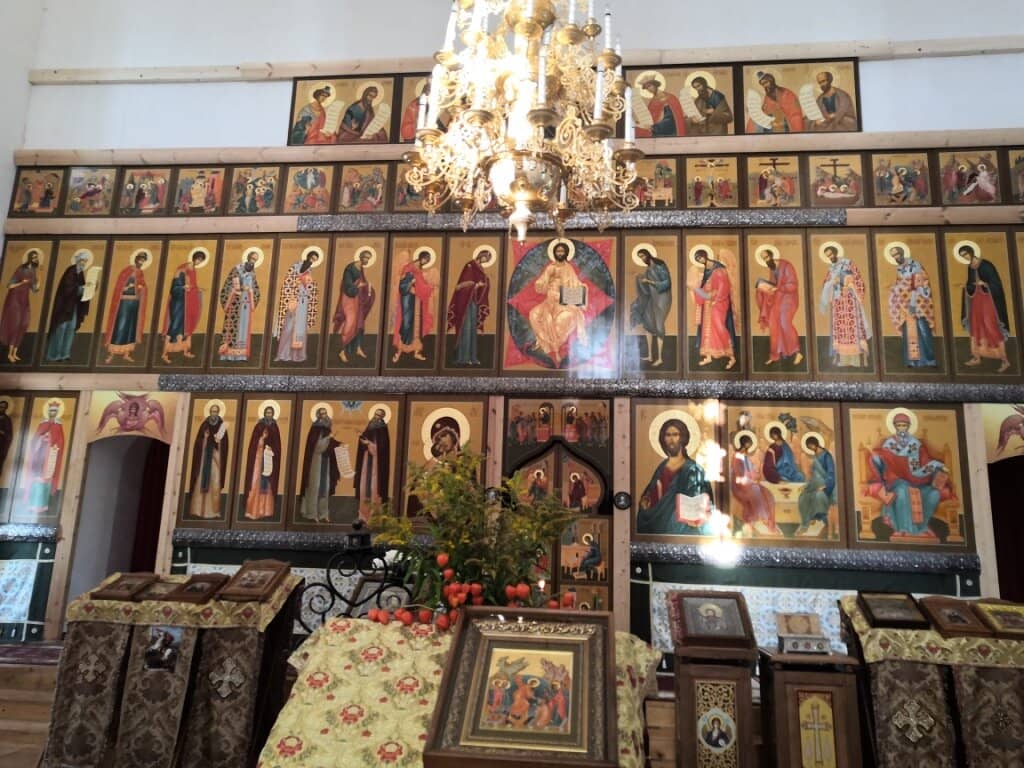
The church is said to hold relics of St. Nicholas the Wonderworker, St. Alexander of Svir, St. Anthony, and St. Theodosius of Totem, among others.
While the exterior grounds and gardens are generally accessible, the interior of historic churches can sometimes have uneven surfaces or stairs. It's advisable to inquire about accessibility if needed.
📸 📸 Photography
The church's iconic domes and the vibrant flower gardens offer excellent photo opportunities. The tiered bell tower also provides a picturesque element.
Photography rules inside churches can vary. While some allow it, others may restrict it, especially during services. Always check for signage or ask permission.
Early morning or late afternoon often provides the best natural light for capturing the church and its gardens.
Be mindful of any posted signs regarding photography. Respecting the sacred nature of the site is paramount.
Drone usage is often regulated and may require special permits. It's essential to check local drone laws and obtain any necessary permissions before flying.
For Different Travelers
Tailored advice for your travel style
👨👩👧 Families with Kids
Parishioners note that Father Andrei, the rector, actively encourages mothers with children to attend services, creating a welcoming atmosphere for younger visitors. The spiritual chants and the historical significance of the church can also be engaging for older children interested in history and culture.
📸 Photographers
Aim for early morning or late afternoon light to capture the best shots. The contrast between the historic architecture and the vibrant floral displays provides a rich palette for creative compositions. Remember to be respectful of any photography restrictions inside the church itself.
🙏 Spiritual Seekers
The welcoming nature of the clergy, particularly Father Andrei, and the active community make it a place where one can find spiritual guidance and support. Attending a service or simply spending time in quiet contemplation within its walls can be a very rewarding experience.
Deep Dives
In-depth insights and expert knowledge
Architectural Marvel of the 17th Century
Adding to its architectural narrative is the elegant, tiered bell tower, erected in the mid-18th century. This slender, graceful structure consists of a four-tiered, high octagonal tier topped with a bell tower and two smaller octagons, culminating in a cupola. Such tiered bell towers became typical in the 18th century, replacing older Russian tented roofs and reflecting evolving architectural trends in northern Russian cities like Vologda. The church's resilience is also notable, having been repurposed as a toy and felt factory during the Soviet era before undergoing restoration to its former glory.
The Enchanting Gardens of St. Nicholas
The grounds are meticulously kept, reflecting a dedication to creating a serene and visually appealing environment. Whether you're a gardening enthusiast or simply appreciate natural beauty, the floral displays are a must-see. The gardens provide a wonderful contrast to the historic stone structure of the church, making the entire site a harmonious blend of man-made and natural artistry. Plan to allocate ample time to wander through these delightful grounds and capture some memorable photographs.
A Place of Spiritual Significance
The church is also recognized for housing significant relics, including those of St. Nicholas the Wonderworker, St. Alexander of Svir, St. Anthony, and St. Theodosius of Totem, among others. This makes it a pilgrimage site for many. The rector, Father Andrei Isaev, is frequently commended for his wisdom, preaching, and mentorship, fostering a welcoming environment, particularly for families with children and young people seeking spiritual guidance.
Social
from TikTok, Instagram & Reddit