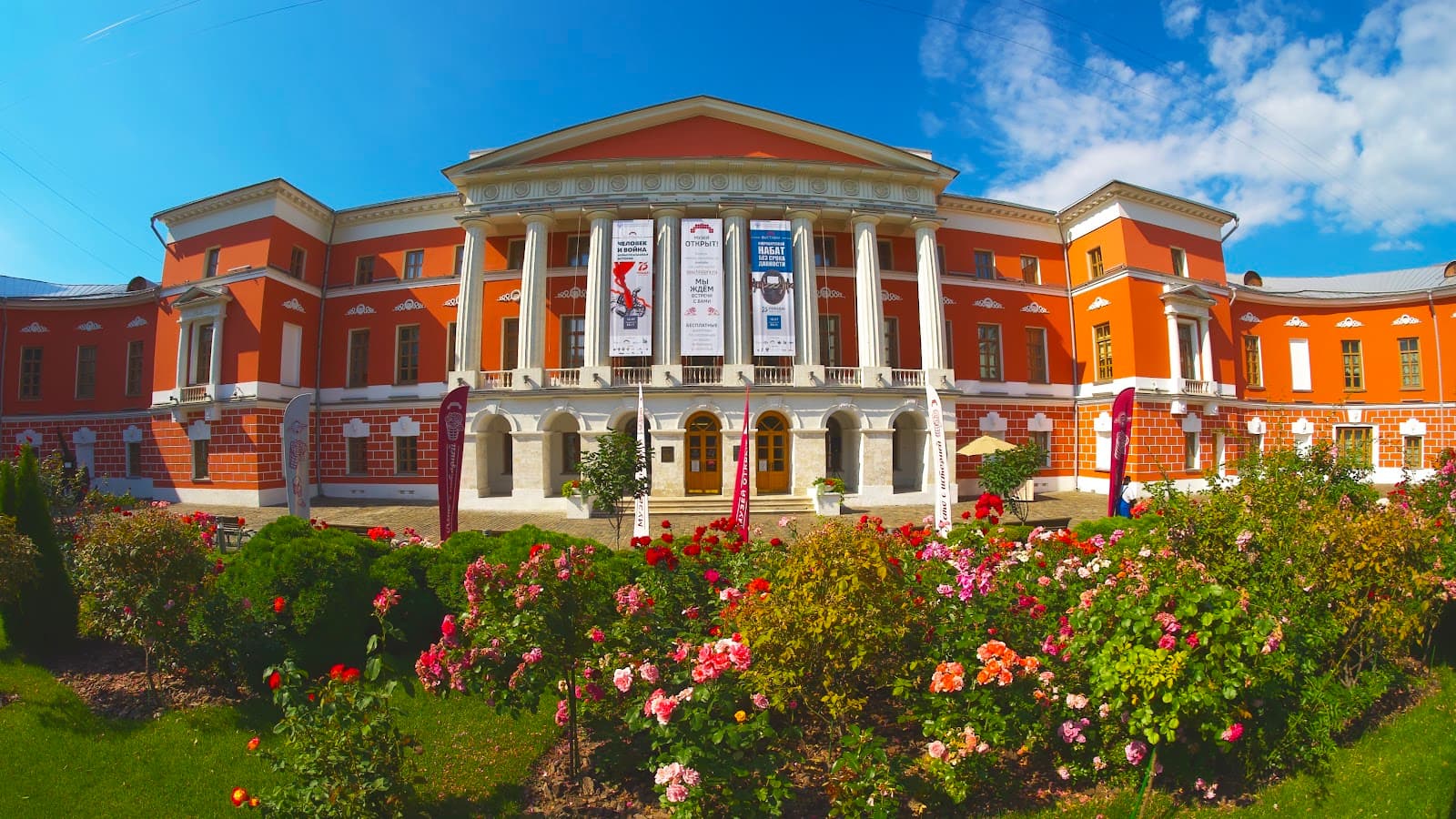
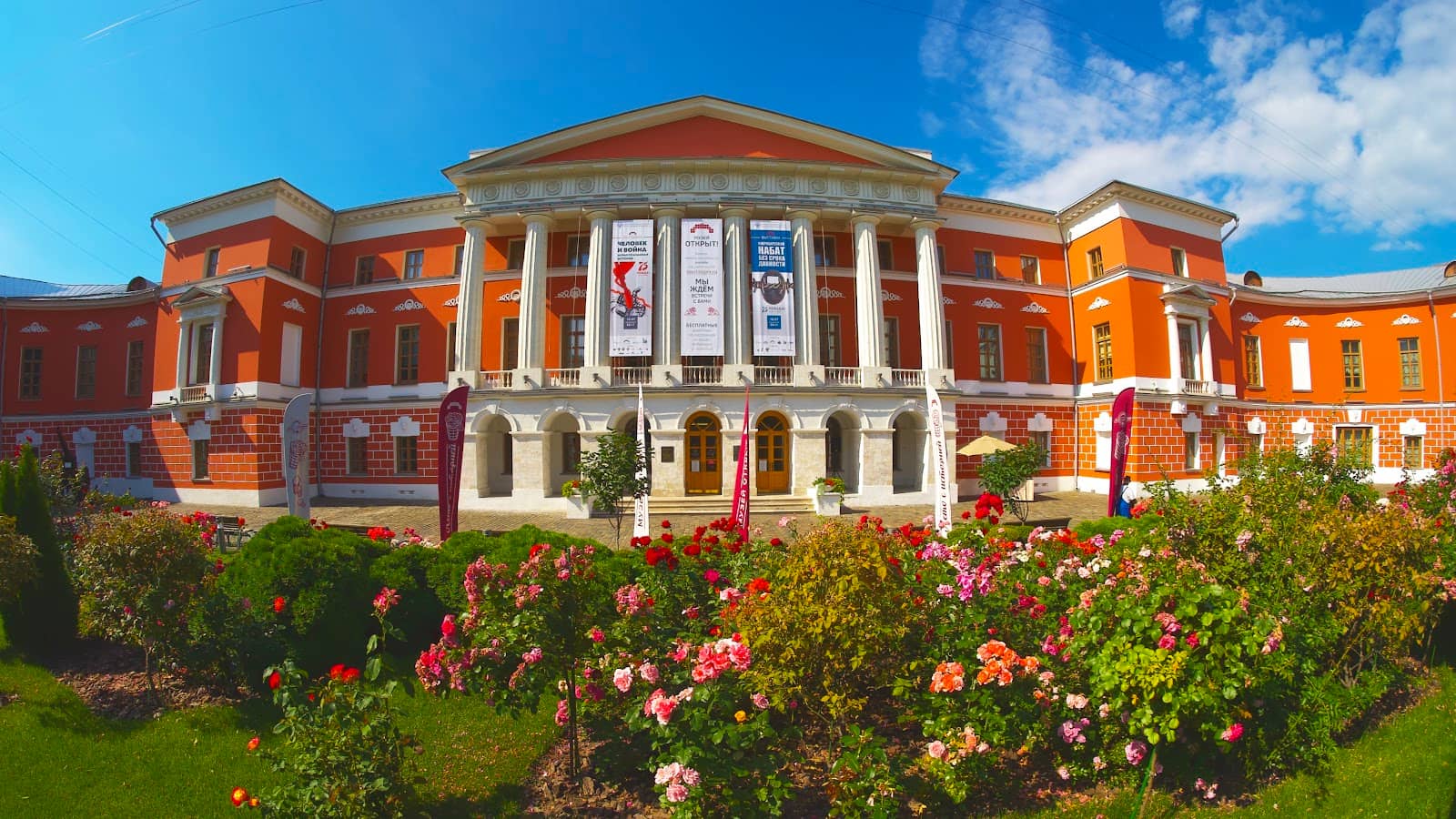
Museum of Contemporary History of Russia Moscow
Explore Russia's dynamic past from the last 150 years, from revolutions to the Soviet era and beyond, in a historic Moscow building.

Highlights
Must-see attractions

Social
From TikTok & Reddit
Best Time
Fewer crowds, more space
Museum of Contemporary History of Russia Moscow
Best Time
Fewer crowds, more space
Highlights
Must-see attractions
Explore Russia's dynamic past from the last 150 years, from revolutions to the Soviet era and beyond, in a historic Moscow building.
"A must-visit for understanding Russia's complex history, despite the language barrier for some."
Translate with an App
Most exhibits are in Russian. Use a translation app for a richer experience. :iphone:
Focus on Key Eras
The museum covers a lot. Prioritize exhibits that interest you most to avoid feeling rushed. :compass:

Highlights
Discover the most iconic attractions and experiences
Soviet Era Innovations
Exhibits on 20th-century Soviet history
Explore the advancements and daily life during the Soviet period, from early industrialization to space exploration.
Gifts to Stalin
Dedicated Hall
See a unique collection of official gifts presented to Joseph Stalin, offering a glimpse into his era.
Revolutionary Movements
Early 20th-century exhibits
Understand the pivotal moments and figures that shaped Russia's revolutionary past.
Plans like a pro.
Thinks like you
Planning Your Visit
Navigating the Exhibits
Timing Your Visit
Best Times
Insider Tips
from TikTok, Instagram & Reddit
Translate with an App
Most exhibits are in Russian. Use a translation app for a richer experience. :iphone:
Focus on Key Eras
The museum covers a lot. Prioritize exhibits that interest you most to avoid feeling rushed. :compass:
Check for English Tours
Inquire about guided tours in English for a more in-depth understanding of the exhibits. :microphone:
Wear Comfortable Shoes
You'll be doing a lot of walking to explore the extensive collections. :athletic_shoe:
Tips
from all over the internet
Translate with an App
Most exhibits are in Russian. Use a translation app for a richer experience. :iphone:
Focus on Key Eras
The museum covers a lot. Prioritize exhibits that interest you most to avoid feeling rushed. :compass:
Check for English Tours
Inquire about guided tours in English for a more in-depth understanding of the exhibits. :microphone:
Wear Comfortable Shoes
You'll be doing a lot of walking to explore the extensive collections. :athletic_shoe:
What Travellers Say
Reviews Summary
Visitors find the Museum of Contemporary History of Russia to be a professionally organized institution offering a deep dive into modern Russian and Soviet history, with unique collections like gifts to Stalin. However, the primary language barrier for non-Russian speakers is a significant drawback for many, leading some to feel the message isn't always clear.
"The museum is a must for the Russians to visit. Negative memories tend to dissappear quickly in that the human being has the complex neural system. It is the mechanism designed by nature to protect us. Anyway, history is science; thus, we had better remember even dark pages in our history so as to avoid making the same mistakes."
Alexander Potapov
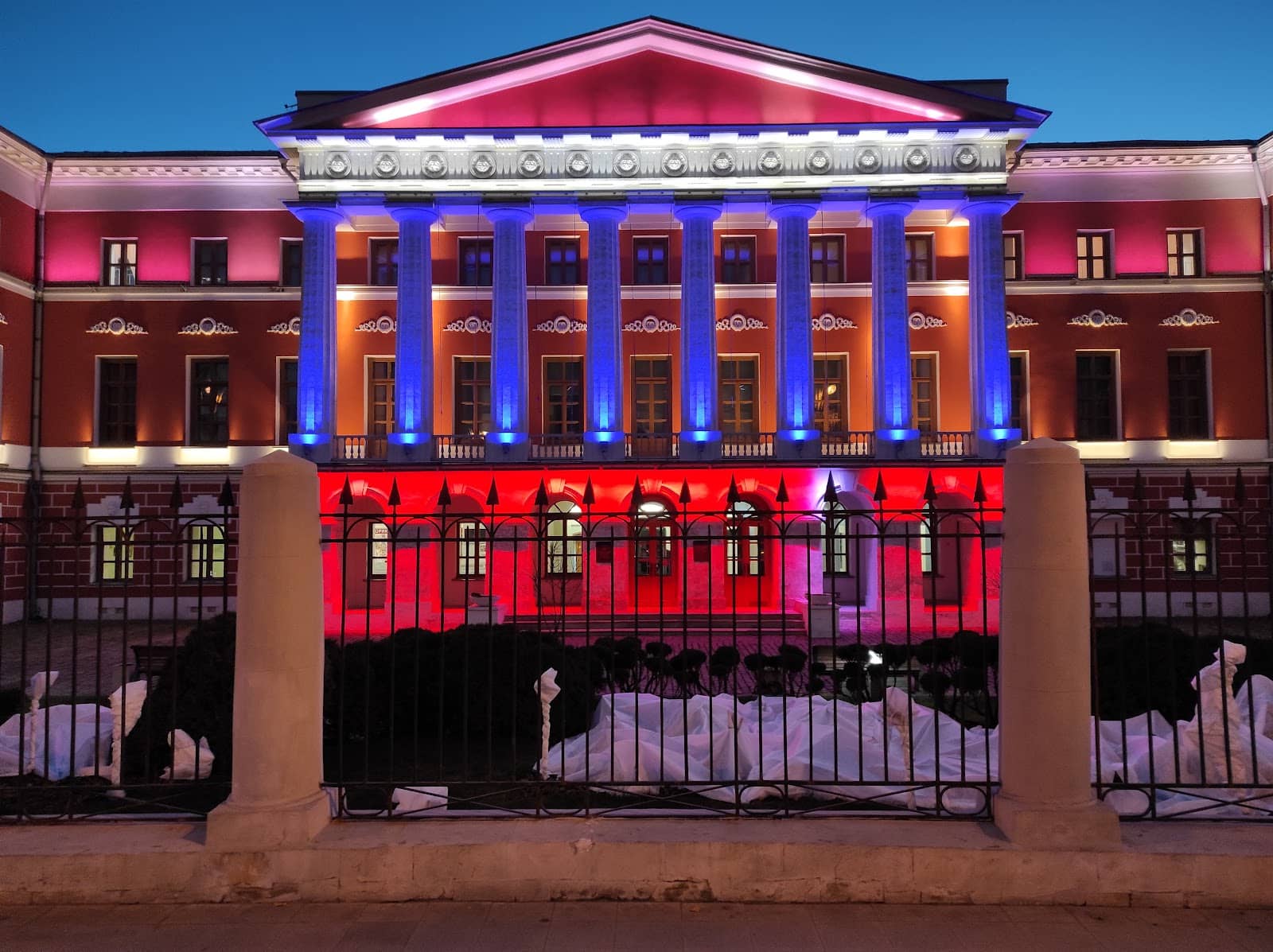
"The Museum of Contemporary History of Russia (until September 1998, the Central Museum of the USSR Revolution, the Museum of the Revolution) is one of the largest museums of contemporary history in the world. The museum is located in the center of Moscow (Tverskaya street, 21), in a building - an architectural monument of Moscow classicism of the late 18th century. From 1831 to 1917, it housed the Moscow English Club. After March 8 (21), 1917, the director of the Museum of the All-Russian Union of Cities, the famous journalist V.P. Kranikhfeld, turned to the chairman of the Executive Committee of Moscow public organizations N.M. museums with the aim of scientific and practical development of the issue of creating a Museum of the Revolution in Moscow ”, on March 22 (April 4), 1917, a meeting was held at which the Society of the Museum of the Revolution was created. The beginning of the museum exposition of the Museum of the Revolution was laid in 1922, when the exhibition "Red Moscow" was organized in the building of the former Moscow English Club on the fifth anniversary of the October Revolution. In February 1924, the sub-department of the Exhibition of Istpart merged with an exhibition in the Historical and Revolutionary Museum of Moscow (according to the report of E. Bosch). Officially, the Museum of the Revolution was established by the decision of the Central Executive Committee of May 9, 1924. Soon the institution was named the State Museum of the Revolution of the USSR. The first director of the museum was S.I. Mitskevich, a professor at Moscow University, one of the organizers of the Moscow Workers' Union. The main task of the museum was to reflect the history of the revolutionary liberation movement in Russia, from the 17th century to the victory of the October Revolution. Since its opening, the museum has been actively collecting funds, opening exhibitions dedicated to the peasant wars in Russia, the Decembrist uprising, the activities of revolutionary democrats and Narodnaya Volya, Russian revolutions and the civil war. Famous artists donated their works to him. So, IE Repin sent as a gift to the museum his paintings "January 9", "Red Funeral", "October 17, 1905", "The Tsar's Gallows", as well as a portrait of Kerensky.
In 1927, the tasks of the museum were significantly expanded: in addition to the history of the revolutionary movement, the museum began to show the history of socialist construction and the achievements of the new society. During the reconstruction of Tverskaya Street in the 1930s, half of the side wings were cut off from the building occupied by the museum and the fence was moved to a new line. The question of building a new museum building from the rear side of the mansion was considered, but this idea was soon abandoned
By the beginning of World War II, the museum occupied one of the leading places among the country's museums of a historical profile, had branches "Underground Printing House of the Central Committee of the RSDLP" and "Historical and Revolutionary Museum" Krasnaya Presnya. ”By 1941, the museum's stock collections amounted to 1 million museum items. Since 1939, the exposition has hosted an exhibition of gifts to IV Stalin (the exhibition was closed after the exposure of the personality cult at the XX Congress of the CPSU). With the beginning of the war, the museum's exposition was closed, most of the collections were evacuated. Nevertheless, at the beginning of July 1941 within the walls of the museum was opened the exhibition "The Great Patriotic War of the Soviet people against German fascism"; trophy weapons were installed in the courtyard of the museum: an airplane, cannons, a tank, machine guns, mortars. The museum exposition began to be restored in 1944. By the decision of the Committee for Cultural and Educational Institutions under the Council of Ministers of the RSFSR dated February 12, 1947."
WA Gayan C Chandrasena
"Nicely renovated. Very little english. Maybe the app would help. Just a collection of stuff. No clear message or history for me. Negative parts (except if concerns others) skipped. Some exhibits seemed to make fun of the Russian state doctrine. Not the best in Moscow. But if you read Russian and have the time. Why not. 300 rub."
Hans Kuepper
What People Like
What People Dislike
Frequently Asked Questions
🚇 🗺️ Getting There
The museum is centrally located at Tverskaya Street, 21. It's easily accessible by Moscow Metro, with stations like Okhotny Ryad, Teatralnaya, and Ploshchad Revolyutsii being a short walk away. Many visitors also find it convenient to take a taxi or ride-sharing service directly to the entrance.
Street parking in central Moscow can be challenging and expensive. It's generally recommended to use public transport or a taxi to reach the museum.
Okhotny Ryad (Line 1), Teatralnaya (Line 2), and Ploshchad Revolyutsii (Line 3) are all within a 5-10 minute walk of the museum.
🎫 🎫 Tickets & Entry
The museum is typically open from 10:00 AM to 6:00 PM, with the last admission at 5:00 PM. It's always a good idea to check their official website for the most up-to-date hours, as they can vary.
Admission fees are generally around 300 rubles, but this can change. It's best to verify the current ticket prices on the museum's official website before your visit.
Yes, purchasing tickets online in advance is often recommended to save time and guarantee entry, especially during peak seasons. Check the museum's official website for online booking options. :ticket:
Discounts may be available for students, seniors, and other specific groups. It's advisable to inquire at the ticket counter or check the museum's website for eligibility and required documentation. :moneywithwings:
🎫 🧭 Onsite Experience
While the museum offers a comprehensive look at Russian history, some exhibits might be more engaging for older children and adults due to the complex historical and political themes. Consider it more for teens and adults interested in history. :child:
An audio guide or a dedicated museum app can greatly enhance your visit, especially since many exhibits are primarily in Russian. Inquire at the information desk upon arrival or check the museum's website beforehand. :iphone:
To fully appreciate the extensive collections, plan for at least 2-3 hours. If you want to delve deeply into specific periods, you might need more time. :clock:
Yes, guided tours are often available. It's recommended to book these in advance, especially if you require a tour in English, as they can provide valuable context and insights. :microphone:
The museum is housed in a historic building, but efforts have been made to improve accessibility. It's best to contact the museum directly to confirm specific accessibility features. :wheelchair:
🍽️ 🍽️ Food & Dining
While the museum itself may not have extensive dining facilities, there are numerous cafes and restaurants located on Tverskaya Street and in the surrounding areas, offering a wide range of culinary options. :knifeforkplate:
Typically, bringing outside food and drinks into museum exhibition halls is not permitted. There might be designated areas for refreshments, but it's best to check the museum's policy. :water_wave:
📸 📸 Photography
Photography for personal use is generally allowed in most areas, but flash photography is usually prohibited to protect the exhibits. Some special exhibitions may have restrictions, so always look for signage. :camerawithflash:
The architecture of the building itself, especially the grand halls, can be very photogenic. Look for exhibits with striking visual elements or historical artifacts that capture the essence of the period. :frame_photo:
For Different Travelers
Tailored advice for your travel style
👨👩👧 Families with Kids
To make the visit more engaging for younger family members, consider focusing on visually striking exhibits, such as those related to the space race or significant historical artifacts. Bringing a translation app or pre-downloading information about key exhibits can help bridge the language gap.
📚 History Enthusiasts

Pay special attention to the unique collections, such as the gifts to Stalin, and the exhibits detailing pivotal moments like World War I and the Russian Civil War.
💡 Budget Travelers
To maximize your budget, utilize Moscow's efficient public transportation system, particularly the metro, to reach the museum.
Deep Dives
In-depth insights and expert knowledge
A Journey Through Russian History
The museum's location in a beautiful 18th-century architectural monument on Tverskaya Street adds to the experience. Originally the Moscow English Club, the building itself has a rich history.
While the museum offers a deep dive into Russian history, it's important to note that many exhibits are primarily in Russian. Visitors who don't speak the language may find it beneficial to use a translation app or consider joining an English-language guided tour to fully grasp the narratives presented.
Navigating the Collections
A particularly noteworthy section is dedicated to the official gifts presented to Joseph Stalin. This collection provides a unique perspective on the political climate and international relations during his rule.
For those interested in specific historical events, such as the Russian-Japanese War or World War I, the museum offers dedicated displays. The sheer volume of information can be overwhelming, so planning your visit around specific interests can enhance the experience.
Social
from TikTok, Instagram & Reddit