
Kazanovka Petroglyphs
Explore ancient petroglyphs, mysterious stones, and traditional Khakass culture amidst breathtaking steppe landscapes.
Highlights
Must-see attractions

Social
From TikTok & Reddit
Best Time
Pleasant temperatures, fewer crowds
Kazanovka Petroglyphs
Best Time
Pleasant temperatures, fewer crowds
Highlights
Must-see attractions
Explore ancient petroglyphs, mysterious stones, and traditional Khakass culture amidst breathtaking steppe landscapes.
"A sacred place where time slows down, permeated with inexplicable energy and ancient whispers."

Respect Sacred Sites
Kazanovka is a sacred place for the Khakass. Approach with reverence and respect the ancient energy.
Limit Akh-Tas Exposure
Due to potential radiation, limit your time near the Akh-Tas stone to about 10 minutes.

Quick Facts
Highlights
Discover the most iconic attractions and experiences
Kazanovka Petroglyphs
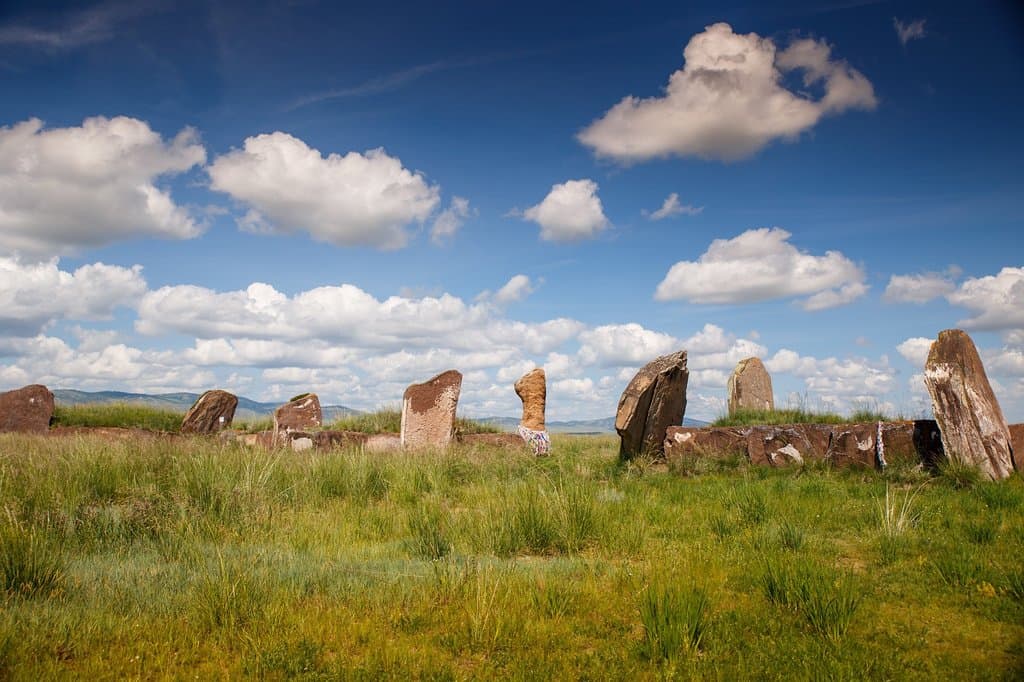
Ancient rock carvings etched into the landscape, whispering tales of nomadic life and ancient beliefs.
Akh-Tas (White Stone)
A mysterious granite stele with healing legends and a unique geological presence.

Khakass Aal Ethno-Settlement
Experience traditional Khakass yurts and learn about shamanism in a recreated ancient village.
Plans like a pro.
Thinks like you
Planning Your Visit
Embrace the Ancient Energy
Plan for a Scenic Escape
Best Times
Insider Tips
from TikTok, Instagram & Reddit
Respect Sacred Sites
Kazanovka is a sacred place for the Khakass. Approach with reverence and respect the ancient energy.
Limit Akh-Tas Exposure
Due to potential radiation, limit your time near the Akh-Tas stone to about 10 minutes.
Yurt Stays
Consider renting a yurt for an authentic and immersive cultural experience.
Savor Local Flavors
Don't miss the chance to enjoy traditional Khakass dishes for a memorable culinary journey.
Tips
from all over the internet
Respect Sacred Sites
Kazanovka is a sacred place for the Khakass. Approach with reverence and respect the ancient energy.
Limit Akh-Tas Exposure
Due to potential radiation, limit your time near the Akh-Tas stone to about 10 minutes.
Yurt Stays
Consider renting a yurt for an authentic and immersive cultural experience.
Savor Local Flavors
Don't miss the chance to enjoy traditional Khakass dishes for a memorable culinary journey.
Scenic Steppe Views
Take time to appreciate the beautiful, picturesque steppe landscapes surrounding the reserve.
What Travellers Say
Reviews Summary
Visitors praise Kazanovka Petroglyphs for its stunning steppe landscapes, the profound sense of ancient energy, and the immersive cultural experience offered by the Khakass Aal settlement. The unique Akh-Tas stone and the historical petroglyphs are significant draws. Some note the need for caution around the Akh-Tas due to radiation and suggest better signage for accessibility.
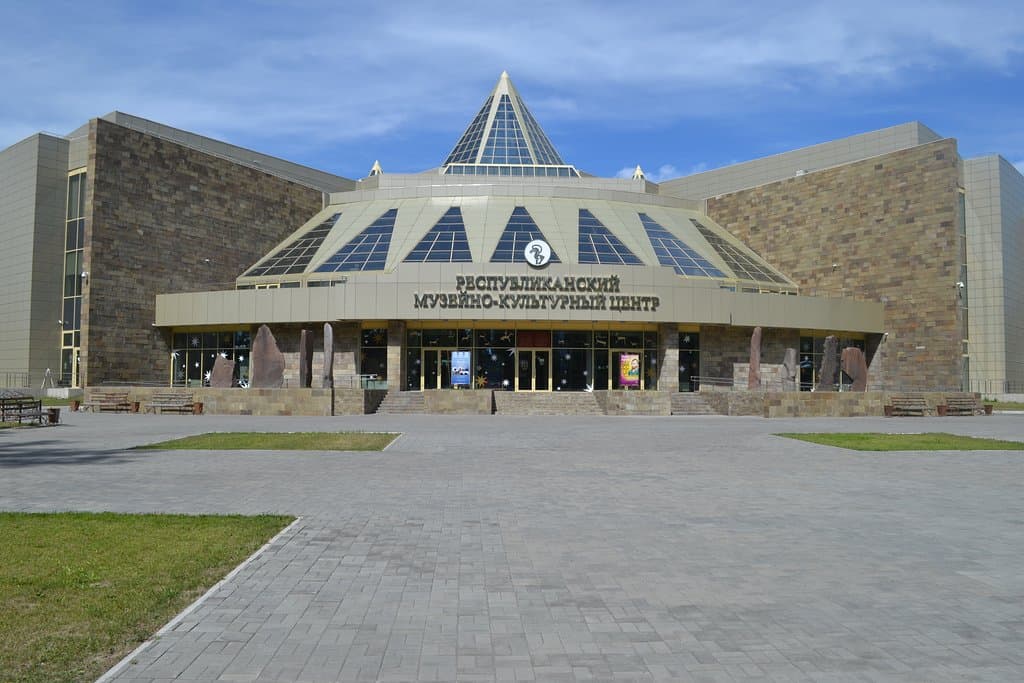
"Khakass Republican National Museum-Reserve "Kazanovka"
The museum complex was created in 1996 and is located on the territory of the Askiz district of the republic. The total area is 18.4 thousand hectares.
On its territory, against the backdrop of picturesque landscapes, there are burial mounds, petroglyphs, remains of settlements of ancient nomads, steles, menhirs, sculptures.
Also recreated is the ethno-settlement "Khakass aal", on the territory of which there are models of Khakass wooden yurts and you can get acquainted with the history of shamanism.
On the territory of the museum is located Akh-Tas (White Stone).
The height of the stele is about 2 meters and in cross-section is a triangle. The stone is a piece of granite, which is not found in local rocks.
Scientists are sure that it was delivered and installed artificially, and was used in ancient times during rituals associated with the cult of fertility. It is believed that turning to the stone can seriously improve health even now.
According to legend, the stone was installed at the site of their quarrel between the old woman Inej and the old man Apsakhe, who came to the valley to find a more favorable place to live, but as a result of the conflict they turned into stones, and Akh-Tas was installed by their children in memory of this tragedy.
Research conducted by scientists shows that the stone is located at the site of a geomagnetic fault, and there is an increased level of radiation here, so it is not recommended to stay near the stone for more than 10 minutes."
Anastasia Onackaya
"If you have the opportunity, be sure to visit. Beautiful steppe landscapes, petroglyphs and yurts, as well as a lunch of traditional dishes will be remembered for a long time"
Konstantin
"Great place, beautiful nature, you can rent a yurt."
Алексей Дорин
What People Like
What People Dislike
Frequently Asked Questions
🚇 🗺️ Getting There
Kazanovka Petroglyphs is located in the Askiz district of Khakassia. Access typically involves driving, as public transport options may be limited. Renting a car or arranging a private transfer from Abakan, the capital of Khakassia, is recommended for ease of access. The journey offers scenic steppe views.
Public transport to Kazanovka Petroglyphs can be challenging. It's advisable to check local bus schedules in advance or consider organized tours if available. Many visitors opt for private transport for flexibility.
The museum complex spans a large area. Exploring on foot is ideal for appreciating the landscapes and ancient sites. Comfortable walking shoes are a must.
While not explicitly mentioned in all sources, local guides may be available at the site to provide deeper insights into the history and significance of the petroglyphs and other ancient structures. Inquire upon arrival.
The roads leading to Kazanovka are generally paved, but can be rural. Be prepared for potentially unpaved sections as you get closer to specific sites within the vast reserve.
🎫 🎫 Tickets & Entry
Entry to the Kazanovka Republican National Museum-Reserve typically requires admission. It's best to inquire about ticket prices and availability at the museum's information center or official website prior to your visit.
Opening hours can vary seasonally. It's recommended to check the official website or contact the museum directly for the most up-to-date information on operating hours before planning your visit.
Access to the Khakass Aal ethno-settlement might be included with general admission to the museum-reserve or may have a separate fee. Confirm this when purchasing your tickets.
While the reserve is likely accessible year-round, weather conditions in spring and autumn can be unpredictable. Winter visits might be limited by snow and cold.
Information on discounts for students, seniors, or children is not readily available. It's advisable to inquire directly with the museum staff about any potential concessions.
🎫 🧭 Onsite Experience
Comfortable walking shoes are essential for exploring the vast reserve. Dress in layers, as steppe weather can change. Sun protection (hat, sunscreen) is also recommended.
To fully appreciate the petroglyphs, landscapes, and the Khakass Aal settlement, plan for at least half a day to a full day.
Basic facilities like restrooms are usually available. Food options might be limited to traditional dishes offered at the Khakass Aal settlement or nearby. Pack snacks and water.
Photography is generally permitted at Kazanovka, but always be respectful of the ancient sites and any cultural sensitivities. Avoid flash photography on delicate rock carvings if advised.
The petroglyphs at Kazanovka are ancient rock carvings that offer insights into the beliefs, daily life, and cosmology of the nomadic peoples who inhabited the region thousands of years ago.
🍽️ 🍽️ Food & Dining
Traditional Khakass dishes are often available for tasting or purchase at the Khakass Aal ethno-settlement. This offers an authentic culinary experience.
Picnicking might be allowed in designated areas within the vast reserve. However, it's always best to check the rules with the museum administration to ensure you're not disturbing the natural or historical environment.
Expect hearty dishes often featuring lamb, beef, or horse meat, along with dairy products and local herbs. Traditional breads and fermented milk drinks are also common.
Formal restaurants are unlikely within the archaeological reserve. The Khakass Aal settlement is your best bet for experiencing local cuisine on-site.
Given potentially limited dining options, it's wise to bring your own water and snacks, especially if you plan to spend a full day exploring the extensive grounds.
📸 📸 Photography
The petroglyph sites themselves, the dramatic steppe landscapes, the traditional Khakass yurts, and the unique Akh-Tas stone offer excellent photographic opportunities.
Regulations regarding drone usage can be strict, especially at historical and natural sites. It's crucial to check with the museum administration for any permits or restrictions before flying a drone.
Golden hours, shortly after sunrise and before sunset, will provide the most dramatic lighting for the landscapes and petroglyphs. Midday sun can be harsh.
Be mindful of any signs or instructions regarding photography, particularly at sensitive archaeological sites or during cultural demonstrations. Respect the environment and historical integrity.
A versatile lens (e.g., 24-70mm) is useful for landscapes and details. A wide-angle lens can capture the vast steppe, and a telephoto can isolate interesting petroglyph details.



Social
from TikTok, Instagram & Reddit