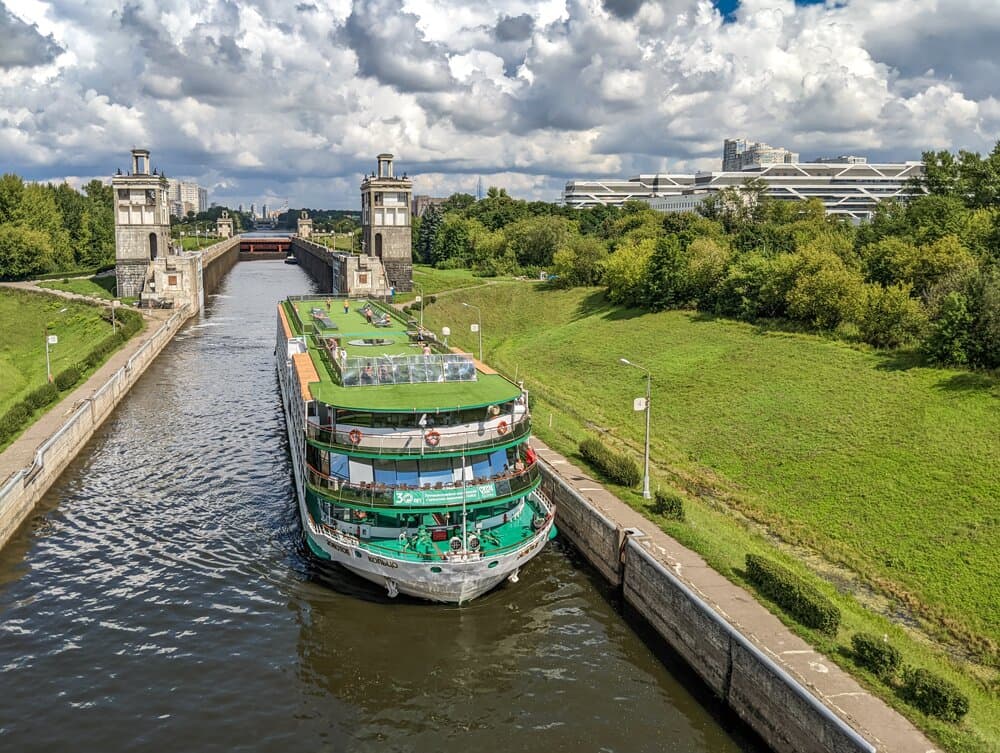
Dmitrov Locks Moscow Canal
A monumental Soviet-era waterway connecting Moscow to five seas, featuring impressive locks and historical landmarks.
Highlights
Must-see attractions

Social
From TikTok & Reddit
Best Time
See the locks in action
Dmitrov Locks Moscow Canal
Best Time
See the locks in action
Highlights
Must-see attractions
A monumental Soviet-era waterway connecting Moscow to five seas, featuring impressive locks and historical landmarks.
"Witness the engineering marvel of the Dmitrov Locks and reflect on the canal's significant Soviet history."
Witness Lock Operations
Time your visit to see the locks in action; it's a fascinating display of engineering.
Historical Context
Learn about the canal's construction by GULAG prisoners for a deeper understanding.
Quick Facts
Rating
4.7 · 918 reviews
Type
Natural Feature
Address
Highlights
Discover the most iconic attractions and experiences
Dmitrov Locks
Along the Moscow Canal
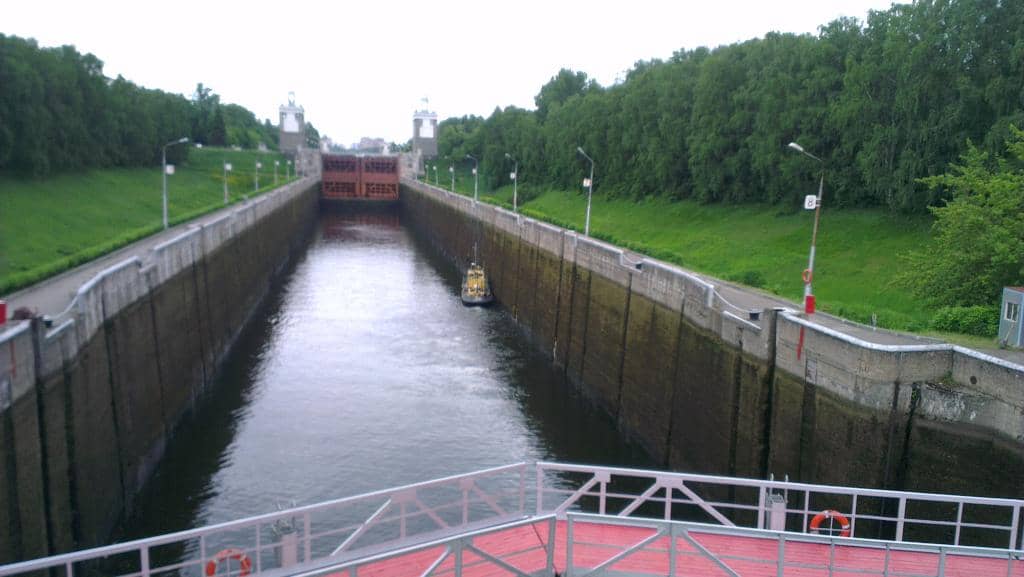
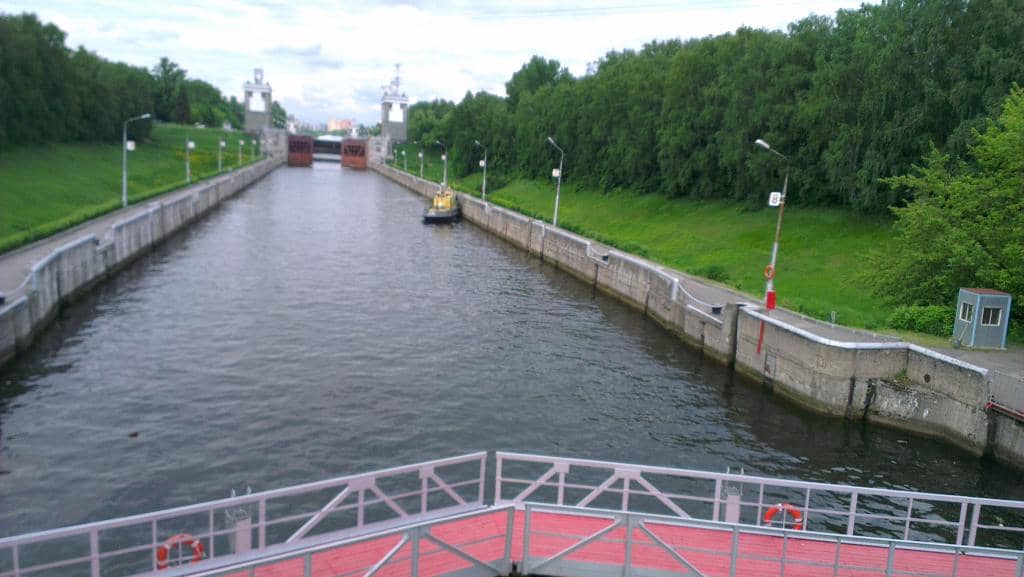
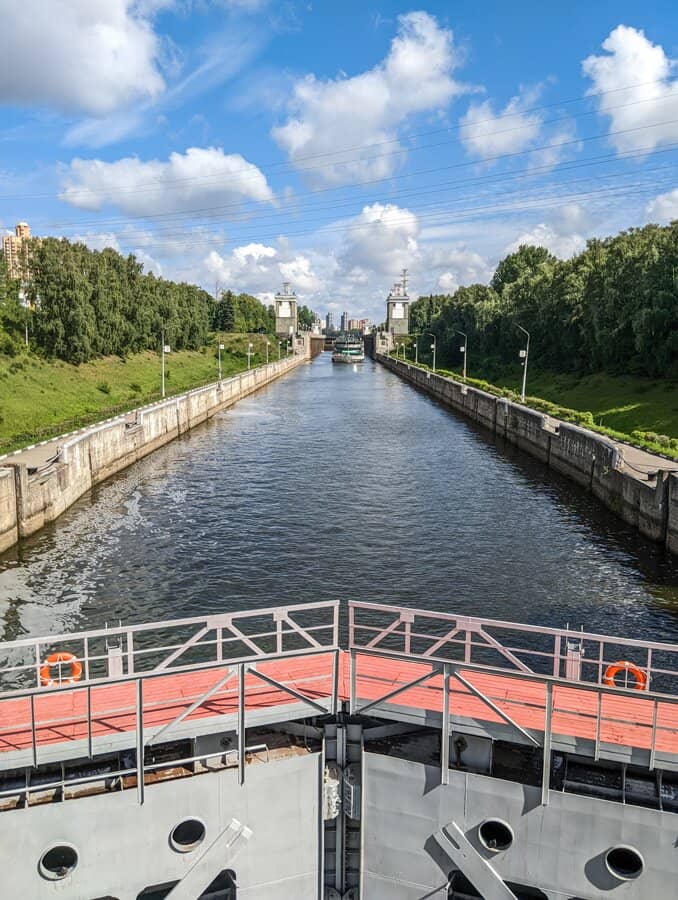
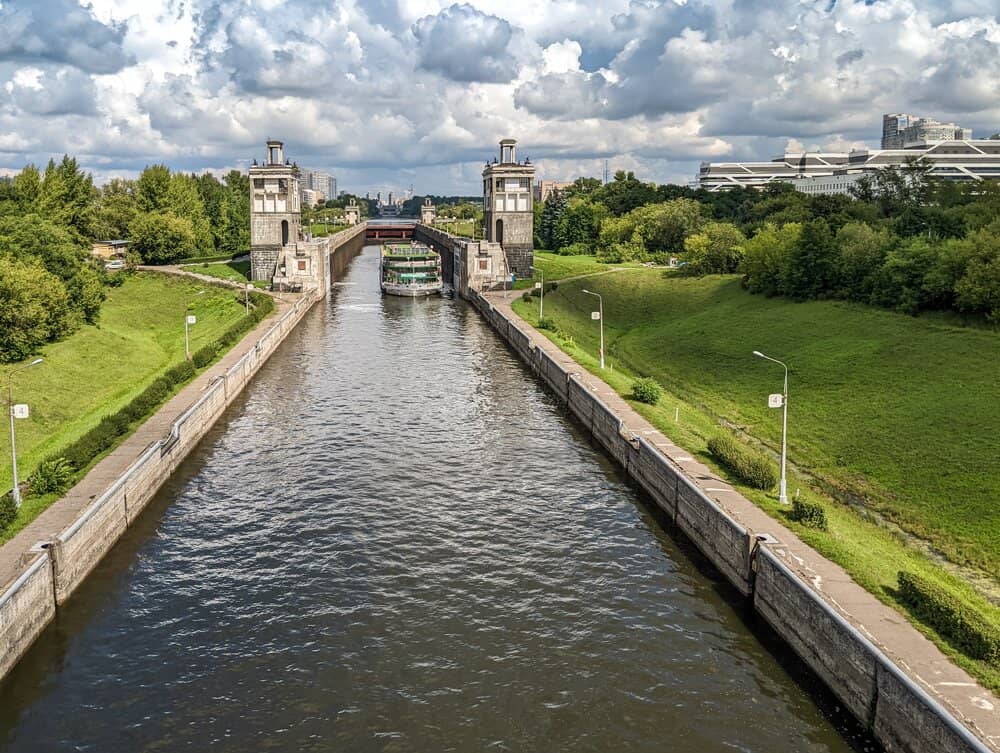
Witness the impressive engineering of the locks that lift and lower vessels, a testament to Soviet ambition.
Lenin Statue at Dubna
Dubna, at the confluence of Volga and Moscow Canal
See one of the world's tallest Lenin statues, a striking symbol of Soviet-era monumental art.
Canal Shores Recreation
Various reservoirs along the canal
Enjoy the recreational zones along the canal's reservoirs, offering a peaceful escape and scenic views.
Plans like a pro.
Thinks like you
Planning Your Visit
Navigating the Moscow Canal
Historical Significance & Access
Best Times
Insider Tips
from TikTok, Instagram & Reddit
Witness Lock Operations
Time your visit to see the locks in action; it's a fascinating display of engineering.
Historical Context
Learn about the canal's construction by GULAG prisoners for a deeper understanding.
Water Access
Moscow Canal provides access to five seas, a key feature for the city.
Recreation Zones
Explore the reservoir shores for leisure and scenic views.
Tips
from all over the internet
Witness Lock Operations
Time your visit to see the locks in action; it's a fascinating display of engineering.
Historical Context
Learn about the canal's construction by GULAG prisoners for a deeper understanding.
Water Access
Moscow Canal provides access to five seas, a key feature for the city.
Recreation Zones
Explore the reservoir shores for leisure and scenic views.
What Travellers Say
Reviews Summary
Visitors often highlight the impressive engineering of the Dmitrov Locks and the historical significance of the Moscow Canal, particularly its Soviet-era construction. The Lenin statue in Dubna is noted as a striking landmark. While the canal provides vital water access and recreational areas, some find dining options limited near the locks themselves.
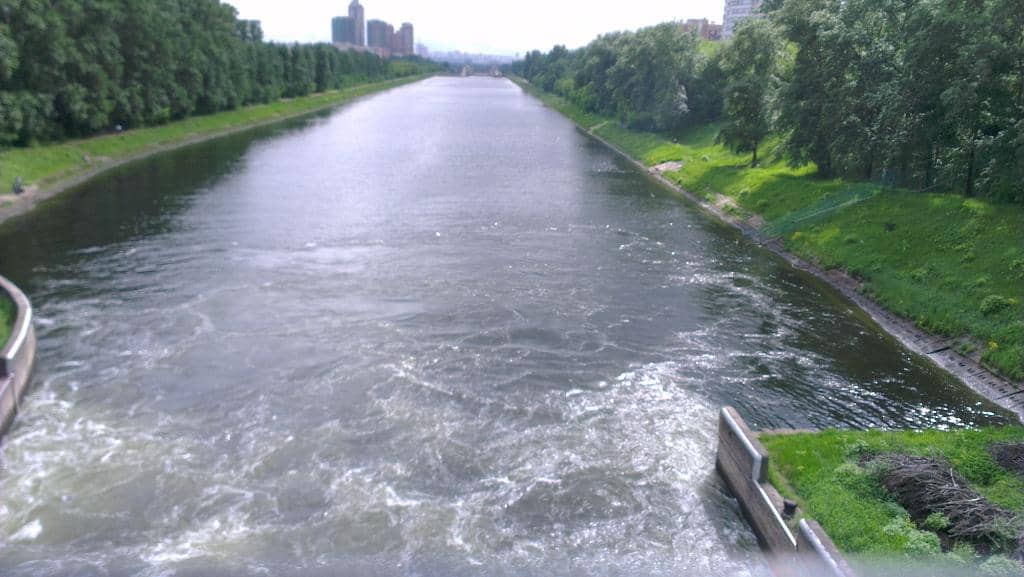
"The Moscow Canal, named the Moskva-Volga Canal until 1947, is a canal that connects the Moskva River with the Volga River. It is located in Moscow itself and in the Moscow Oblast. The canal connects to the Moskva River in Tushino (an area in the north-west of Moscow), from which it runs approximately north to meet the Volga River in the town of Dubna, just upstream of the dam of the Ivankovo Reservoir. The length of the canal is 128 km.
It was constructed between 1932 and 1937[1] by 200,000 GULAG prisoners,[2][3] under the direction of the Soviet secret police and Matvei Berman.
Thanks to the Moscow Canal, Moscow has access to five seas: the White Sea, Baltic Sea, Caspian Sea, Sea of Azov, and the Black Sea. This is why Moscow is sometimes called the "port of the five seas" (Russian: порт пяти морей). Apart from transportation, the canal also provides for about half of Moscow's water consumption, and the shores of its numerous reservoirs are used as recreation zones.
One of the world's tallest statues of Vladimir Lenin, 25-meter (82 ft) high, built in 1937, is located at Dubna at the confluence of the Volga River and the Moscow Canal. The accompanying statue of Joseph Stalin of similar size was demolished in 1961 during the period of de-stalinization."
Ali Sabbir
"must see"
MSK CH
"Loved it there! 💕"
Kris Tina
What People Like
What People Dislike
Frequently Asked Questions
🚇 🗺️ Getting There
The Dmitrov Locks are accessible by car or public transport from Moscow. Consider taking a train towards Dmitrov and then a local bus or taxi to the lock area. Checking local transport schedules is recommended.
Traveling the entire 128 km length of the Moscow Canal is best done by boat. Land access to different sections varies, with some areas more developed for recreation than others.
Dubna is reachable by train from Moscow. Once in Dubna, local buses or taxis can take you to the confluence of the Volga River and the Moscow Canal where the statue is located.
🎫 🎫 Tickets & Entry
Generally, viewing the exterior of the Dmitrov Locks and the surrounding areas does not require tickets. However, access to specific operational areas or tours might have associated fees.
The operating hours for the locks are primarily determined by shipping schedules. It's advisable to check with local authorities or shipping companies for the most current operational times, especially if you wish to witness lock operations.
Many recreation zones along the Moscow Canal's reservoirs are free to access. However, some designated beaches or parks might have small entry fees or charges for specific amenities.
🎫 🧭 Onsite Experience
At the Dmitrov Locks, you can observe the impressive engineering of the lock system, watch boats navigate through, and learn about the canal's history. The surrounding areas often offer scenic views.
Yes, boat tours are available on the Moscow Canal, offering a unique perspective of the waterway and its surroundings. Various companies offer different routes and durations.
The Lenin statue in Dubna is one of the tallest Lenin statues globally, erected in 1937. It stands as a significant monument from the Soviet era, located at a key point where the Volga River meets the Moscow Canal.
Yes, the recreation zones along the Moscow Canal's reservoirs are generally family-friendly, offering spaces for picnics, walking, and enjoying nature. Some areas may have playgrounds or designated swimming spots.
The reservoirs and surrounding areas of the Moscow Canal are home to various bird species. Depending on the season, you might also spot other local fauna. It's a good area for nature observation.
🍽️ 🍽️ Food & Dining
Dining options near the Dmitrov Locks might be limited. It's advisable to pack snacks or plan to eat in Dmitrov town before or after your visit. Some recreational areas may have small kiosks.
Dubna offers a range of cafes and restaurants, from casual eateries to more formal dining. You can find local Russian cuisine and international options in the town center.
📸 📸 Photography
The best photography spots are from the banks overlooking the locks, capturing the scale of the engineering and the boats. Early morning or late afternoon light can offer dramatic shots.
Yes, photographing the lock operations is a popular activity. Ensure you maintain a safe distance and respect any restricted areas. The movement of water and vessels provides dynamic photo opportunities.
You can capture impressive shots of the imposing Lenin statue against the sky or the backdrop of the river and canal. Consider different angles to emphasize its scale and historical context.

Social
from TikTok, Instagram & Reddit