
Museum of Natural Sciences
Explore Earth's wonders, from towering dinosaurs to the depths of the ocean, in these captivating museums.
Highlights
Must-see attractions

Social
From TikTok & Reddit
Best Time
Fewer crowds, more space to explore
Museum of Natural Sciences
Best Time
Fewer crowds, more space to explore
Highlights
Must-see attractions
Explore Earth's wonders, from towering dinosaurs to the depths of the ocean, in these captivating museums.
"One of the nicest museums I’ve ever visited! The exhibitions are thoughtfully designed."

🎯 Free General Admission
Many natural science museums offer free entry to general exhibits, making them budget-friendly.
👟 Wear Comfortable Shoes
You'll be doing a lot of walking! Prioritize comfort for exploring extensive exhibits.
Highlights
Discover the most iconic attractions and experiences
Dinosaur Skeletons
Various Halls
Marvel at towering dinosaur skeletons, including impressive mammoth and T-Rex specimens. A must-see for all ages!
 +2
+2
Blue Whale Exhibition
Ocean Hall
Experience the awe-inspiring scale of a blue whale model, offering a unique perspective on marine life.

Vivarium
Dedicated Area
Discover a small but charming vivarium, home to various creatures. A delightful addition for animal lovers.

Fossil and Gem Shows
Special Event Areas
Attend international shows featuring authentic dinosaur teeth, opals, meteorites, and more.
Plans like a pro.
Thinks like you
Planning Your Visit
Book Tickets in Advance
Allocate Ample Time
Best Times
Insider Tips
from TikTok, Instagram & Reddit
🎯 Free General Admission
Many natural science museums offer free entry to general exhibits, making them budget-friendly.
👟 Wear Comfortable Shoes
You'll be doing a lot of walking! Prioritize comfort for exploring extensive exhibits.
📱 Download Museum App
Some museums have apps with maps and exhibit info, enhancing your visit.
⏳ Allow Plenty of Time
Don't rush! Allocate at least 4-5 hours to fully appreciate the collections.
Tips
from all over the internet
🎯 Free General Admission
Many natural science museums offer free entry to general exhibits, making them budget-friendly.
👟 Wear Comfortable Shoes
You'll be doing a lot of walking! Prioritize comfort for exploring extensive exhibits.
📱 Download Museum App
Some museums have apps with maps and exhibit info, enhancing your visit.
⏳ Allow Plenty of Time
Don't rush! Allocate at least 4-5 hours to fully appreciate the collections.
📚 Check for Special Exhibits
Look out for temporary exhibitions like 'Dueling Dinosaurs' or gem shows.
What Travellers Say
Reviews Summary
Visitors consistently praise the thoughtful design of exhibits, the sheer volume of fascinating content, and the friendly staff. Many highlight the impressive dinosaur skeletons and the unique vivarium as major draws. While most reviews are overwhelmingly positive, some find the vivarium a bit small or the captive animal spaces less appealing. +1
"One of the nicest museums I’ve ever visited! The exhibitions are thoughtfully designed, with fascinating tours that take you through history, art, and etymology. We spent two hours there, and the time just flew by! The mammoth skeleton was such an amazing surprise and definitely a highlight of the visit. The small vivarium is also a lovely addition. The museum is very close to the city center — just a 15-minute walk — and the zoo is only 5 minutes away. Absolutely worth visiting!"
Zuzana
"It was a very interesting visit. I think i spent 4-5 hours just absorbing every bit and piece of the whole museum. Very clean, staff very friendly and the exhibits where very well made. Highly recommend!"
Mike Mikelson
"One of the best museums that I checked in Romania, high number of things to see, much more than I expected. Well structured, friendly staff, all for a fair ticket price (50 lei for all 4 exhibitions). The only let's say, not that impressing part, was the Vivarium, quite small and a bit depressing (not a fan of captive animals in small spaces)."
Alin Todoran
What People Like
What People Dislike
Frequently Asked Questions
🚇 🗺️ Getting There
Many museums are conveniently located near city centers, often within a 15-minute walk from downtown areas. Public transportation options like buses and trams are usually available. Check the museum's official website for specific directions and public transport recommendations.
Parking availability varies by location. Some museums have dedicated parking lots or garages, while others recommend using nearby public parking facilities. It's advisable to check the museum's website for parking information and potential fees.
Yes, most major natural science museums are well-served by public transport. Look for bus routes or metro lines that stop nearby. This is often a more convenient and eco-friendly option than driving.
Absolutely! Many natural science museums are excellent destinations for day trips, especially when combined with nearby attractions like zoos or historical sites.
The Museum of Natural Sciences in Brussels is easily accessible by public transport. Several tram and bus lines stop nearby, and it's a pleasant walk from the city center.
🎫 🎫 Tickets & Entry
General admission to many natural science museums is free, but special exhibitions or planetarium shows may have separate ticket prices. Full access to multiple exhibitions can range from 10€ to 50 lei, depending on the museum. Always check the official website for the most current pricing.
It's highly recommended to book tickets online in advance, especially for special exhibitions or during peak seasons, to avoid long queues and ensure entry.
Many museums offer discounts for students, seniors, and children. Some also participate in city passes, like the Brussels Card, which can provide free or discounted entry.
Opening hours vary by museum and day of the week. It's best to consult the official website for the most up-to-date information on operating hours and any special event timings.
Yes, many museums allow you to purchase tickets for individual exhibitions, which can be a more cost-effective option if you have limited time or specific interests.
🎫 🧭 Onsite Experience
Iconic exhibits often include impressive dinosaur skeletons, the majestic blue whale model, and fascinating fossil collections. Many visitors also enjoy the vivarium and special temporary exhibitions. +2
Absolutely! Natural science museums are incredibly engaging for children, with interactive displays, life-sized dinosaur models, and educational content that sparks curiosity. +1
Most visitors recommend allocating at least 4-5 hours to fully explore the museum, as the exhibits are extensive and captivating. Time often flies by!
Many museums offer guided tours led by knowledgeable docents, providing deeper insights into the collections and exhibits. Check the museum's schedule for tour times.
Photography is generally permitted for personal use, but flash photography is often prohibited to protect the exhibits. Always check the museum's specific photography policy upon arrival.
🍽️ 🍽️ Food & Dining
Many museums have on-site cafes or restaurants offering snacks, light meals, and beverages. Some also allow visitors to bring their own food to enjoy in designated areas.
Policies vary, but most museums allow visitors to bring their own food and drinks to consume in designated picnic areas or cafes. Check the museum's guidelines before your visit.
Museum cafes typically offer a range of options, from sandwiches and salads to pastries and coffee. Some may also have kid-friendly menus.
Museums are often located in areas with numerous dining options. You'll likely find a variety of restaurants, cafes, and eateries within walking distance.
Some museums offer party packages or event spaces that can be rented for birthdays or other celebrations, often including access to exhibits. Inquire with the museum's event planning department.
📸 📸 Photography
Yes, personal photography is generally allowed, but flash is usually prohibited to protect the delicate exhibits. Always look for signage or ask staff if unsure.
Tripods are often not permitted, especially during busy hours, to avoid obstructing pathways and other visitors. Check the museum's specific policy regarding tripods and professional equipment.
The dinosaur halls, the blue whale exhibit, and any particularly striking fossil displays offer fantastic photo opportunities. Look for well-lit areas and unique perspectives.
Filming for commercial purposes usually requires special permission. For personal vlogs or social media content, check the museum's policy, as some may have restrictions on equipment or duration.
Try to capture the scale by including a person in the frame, or focus on specific details like teeth or claws. Wide-angle lenses can help capture the full skeleton.
For Different Travelers
Tailored advice for your travel style
👨👩👧 Families with Kids
+1 Many museums also have vivaria with live animals, offering a chance for kids to see creatures up close. Pro-tip: Pack snacks and drinks (if allowed) to keep energy levels up, and wear comfortable shoes as you'll likely be doing a lot of walking. Consider visiting during weekday mornings to avoid the biggest crowds. The Brussels Card can also be a great value if you plan to visit multiple museums.
💰 Budget Travelers
While special exhibitions or planetarium shows might have a fee, you can still have a rich and educational experience without spending a lot. Focus on exploring the permanent collections, which are often vast and incredibly detailed. Save money by bringing your own snacks and water, as museum cafes can be pricey. Utilize public transportation to get to the museum, as parking fees can add up. Check for any city passes or discount days that might be available.
🤓 Science Enthusiasts
+1 Don't miss the chance to attend any special lectures or workshops that might be scheduled during your visit. Consider dedicating a full day to your visit to truly absorb the extensive collections. Engage with museum staff or docents to gain deeper insights into specific areas of interest. Look for opportunities to learn about the history of science and the ongoing efforts in conservation and discovery.
Deep Dives
In-depth insights and expert knowledge
Exploring Dinosaur Halls
Beyond just skeletons, these exhibits often incorporate interactive elements and detailed reconstructions that bring the Mesozoic era to life. You might find fossilized eggs, footprints, and even skin impressions, offering a more complete picture of these ancient creatures. Some museums even showcase unique specimens like the 'Dueling Dinosaurs,' believed to be a juvenile T. Rex and a Triceratops locked in a final battle, complete with preserved skin.
The sheer scale and detail make these halls a highlight for visitors of all ages, sparking imagination and a deeper appreciation for Earth's history. The Wonders of Marine Life
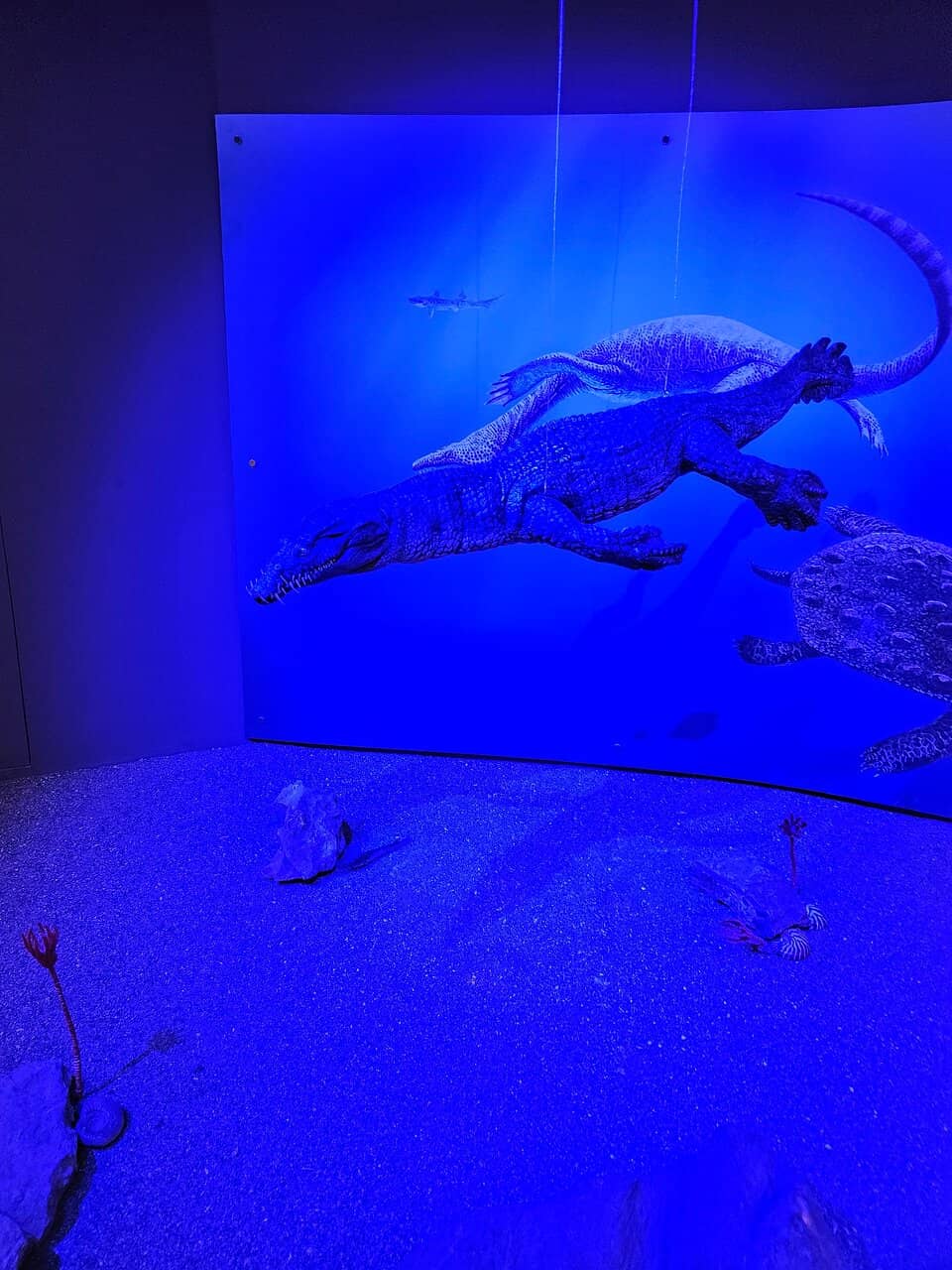
These exhibits go beyond just the blue whale, often showcasing a variety of marine ecosystems and the creatures that inhabit them. You might encounter displays on coral reefs, deep-sea exploration, and the adaptations of various sea creatures. Information on ocean conservation and the impact of human activities on marine environments is also frequently included, encouraging a greater understanding and respect for these vital ecosystems.
The visual impact of these displays, combined with educational content, makes for a memorable and informative part of any museum visit.Understanding Scientific Names
This deep dive into scientific naming conventions adds another layer of appreciation for the natural world. It highlights the meticulous work of scientists in classifying and understanding the biodiversity of our planet. By understanding these names, visitors gain a more profound connection to the species they encounter, recognizing the rich history and meaning embedded within each scientific label.
It's a unique educational aspect that transforms a simple viewing of specimens into a lesson in scientific language and discovery.




Social
from TikTok, Instagram & Reddit