Arecibo Observatory
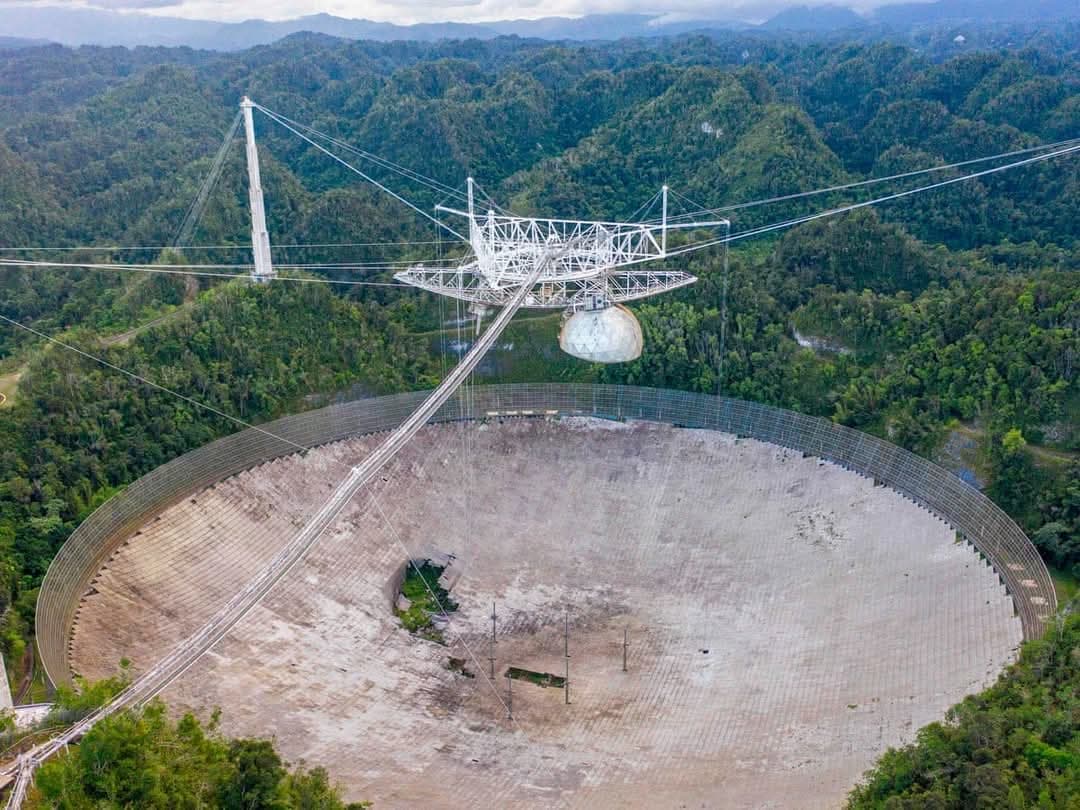
Once home to the world's largest radio telescope, Arecibo Observatory is a site of immense scientific legacy and cultural impact.
Highlights
Must-see attractions

Social
From TikTok & Reddit
Best Time
Best for viewing remnants
Arecibo Observatory
Best Time
Best for viewing remnants
Highlights
Must-see attractions
Once home to the world's largest radio telescope, Arecibo Observatory is a site of immense scientific legacy and cultural impact.
"Truly a tragic fate, but seeing that massive dish is staggering."
Check Access Status
Confirm visitor center and viewing area access before you go, as it can change.
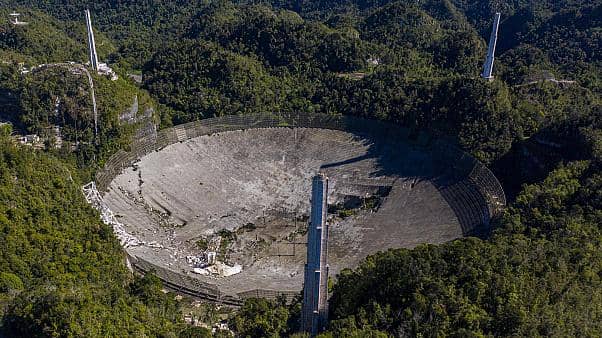
Drone Views
See incredible aerial perspectives of the site, capturing its scale and surroundings.
Highlights
Discover the most iconic attractions and experiences
The Collapsed Dish
Main Observatory Site
Witness the remnants of the once-largest radio telescope, a stark reminder of its monumental scale and tragic end.
 +1
+1Visitor Center Exhibits
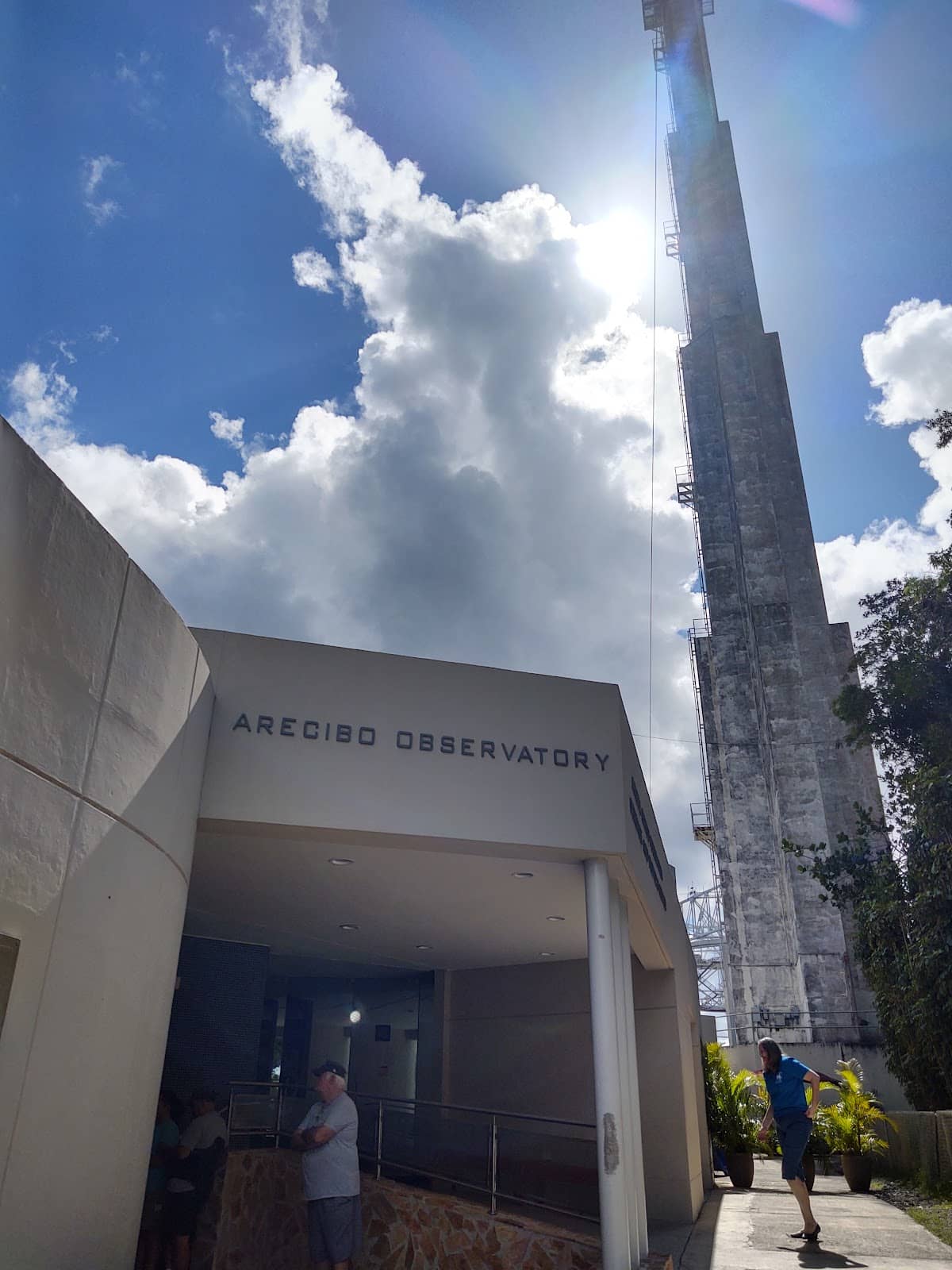
Visitor Center (if open)
Explore displays detailing the observatory's history, scientific achievements, and cultural impact.
Scenic Drive
Roads leading to the observatory
Enjoy the picturesque journey through Puerto Rico's countryside to reach the historic site.
Plans like a pro.
Thinks like you
Planning Your Visit
Understand the Current Status
Embrace the Legacy
+2Best Times
Insider Tips
from TikTok, Instagram & Reddit
Check Access Status
Confirm visitor center and viewing area access before you go, as it can change. +1
Drone Views
See incredible aerial perspectives of the site, capturing its scale and surroundings.
Learn the History
Research Arecibo's discoveries and the Arecibo Message beforehand for a richer experience.
Staff Knowledge
Engage with staff; they are passionate and knowledgeable about the observatory's legacy.
Tips
from all over the internet
Check Access Status
Confirm visitor center and viewing area access before you go, as it can change. +1
Drone Views
See incredible aerial perspectives of the site, capturing its scale and surroundings.
Learn the History
Research Arecibo's discoveries and the Arecibo Message beforehand for a richer experience.
Staff Knowledge
Engage with staff; they are passionate and knowledgeable about the observatory's legacy.
Not Stroller Friendly
Be prepared for stairs and uneven terrain if visiting any remaining accessible areas.
What Travellers Say
Reviews Summary
Visitors acknowledge the tragic collapse of the iconic Arecibo telescope but still find value in seeing the remnants and learning about its scientific legacy. While access can be limited and the main attraction is gone, the historical significance and the passion of the staff are often highlighted as positive aspects.
"I had the privilege of visiting the center the day when they first reopened it to the public after the collapse, years ago. Regretfully, it looks like its closed again but the experience I did have was pleasant. Cool presentations, very knowledgeable and passionate staff.
Frankly, seeing that massive dish is staggering. Truly a tragic fate."
Steven G
"It's still closed, but it's a cool stop for those who know its significance."
Chris Hoffman
"Really wished the museum/exhibits area was open. We came in with the hope to see some remains of the radio telescope. Like rightly pointed by many here, the observatory area is closed and the best you get is a picture of the remaining dish and two pillars from far far away. Unless you enjoy the ride to the observatory through winding small roads along the countryside, there is really nothing to see here right now."
Maitri Hegde
What People Like
What People Dislike
Frequently Asked Questions
🚇 🗺️ Getting There
The Arecibo Observatory is located in Puerto Rico. Access involves driving through winding rural roads. Many visitors report the drive itself is scenic. Parking may be available before a guarded gate if the main site is closed. +1
While the observatory is a significant landmark, its remote location and potential access restrictions mean it's best to use GPS and confirm current access points.
Renting a car is generally recommended for flexibility when visiting Arecibo Observatory, allowing you to explore the surrounding areas and reach the site at your own pace.
Public transportation to the Arecibo Observatory is limited. It's advisable to arrange private transport or a rental car for the most convenient access.
The roads leading to the Arecibo Observatory can be narrow and winding, typical of rural Puerto Rico. Drive cautiously and be aware of local traffic.
🎫 🎫 Tickets & Entry
The Arecibo Observatory's main telescope collapsed in 2020. While some areas might have limited access or viewing points, the visitor center and full site access can be restricted. It's crucial to check for the latest updates on accessibility before planning a visit. +2
If the visitor center or specific viewing areas are open, tickets may be required. However, due to the collapse, access is often limited, and you might only be able to view remnants from a distance. Always verify current entry requirements.
Operating hours can vary significantly, especially given the post-collapse status. Historically, visitor centers have daytime hours, but current access is uncertain. Check official sources for the most up-to-date information.
The main Arecibo telescope collapsed in 2020. Visitors can typically see the remaining dish and support structures from designated viewing areas, but direct access to the telescope itself is not possible.
Admission fees may apply if the visitor center is open. However, if access is limited to viewing the remnants from afar, there might not be a direct fee, though parking could incur charges.
🎫 🔭 Onsite Experience
Visitors can see the remnants of the massive 1,000-foot radio telescope dish and its support pillars. The visitor center, if open, offers exhibits on its history and discoveries. +1
While the scientific significance is high, the current state of the observatory (collapsed telescope) and potential lack of extensive exhibits might make it less engaging for very young children. However, older children interested in space may find it fascinating.
The most striking photos are of the collapsed dish and surrounding landscape. Drone footage offers unique perspectives, capturing the scale of the site.
The site, particularly the area around the former telescope, may not be fully accessible due to its terrain and the collapse. Some reviews mention it's not stroller-friendly, and staff have assisted visitors.
Arecibo made numerous groundbreaking discoveries, including the first exoplanets, the rotation of Mercury, and mapping the surface of Venus. It was also crucial for SETI (Search for Extraterrestrial Intelligence) projects.
📸 📸 Photography
The most dramatic photographic opportunities are from viewpoints offering a clear view of the collapsed dish and the remaining support structures. Drone photography provides unique aerial perspectives.
Photography rules can vary within visitor centers. Generally, exhibits are often photographable, but it's best to check for any posted restrictions.
While general photography of the site is usually permitted, commercial photography or drone usage might require special permits. Always inquire about specific regulations.
A camera with good zoom capabilities is recommended to capture details of the distant dish. Wide-angle lenses are great for landscape shots of the observatory site.
Golden hour, shortly after sunrise or before sunset, offers beautiful lighting for dramatic shots of the observatory remnants and the surrounding landscape.
For Different Travelers
Tailored advice for your travel style
👨👩👧 Families with Kids
🚀 Space Enthusiasts & Science Buffs
+3 Even with the collapse, the historical significance and the stories of its discoveries are immense. Research the Arecibo Message and its implications before your visit to fully appreciate the site's impact. 📸 Photographers & Drone Enthusiasts
Drone pilots can capture breathtaking aerial views that showcase the observatory's vastness and its integration with the surrounding environment. The scenic drive to the site also provides opportunities for landscape photography. Remember to check any regulations regarding drone usage and photography permits. Deep Dives
In-depth insights and expert knowledge
The Legacy of the Arecibo Telescope
+1The observatory was not just a scientific instrument; it was a cultural icon, famously featured in films like 'GoldenEye' and 'Contact,' further cementing its place in public consciousness.
Its collapse in December 2020 marked the end of an era, a loss keenly felt by the scientific community and space enthusiasts worldwide. +4Despite the collapse, the site continues to hold historical and scientific importance. Efforts are underway to potentially build a new, smaller telescope or repurpose the site for educational purposes, ensuring that the spirit of discovery at Arecibo endures.
+1The Arecibo Message: A Cosmic Hello
+1The message contained fundamental information about humanity and Earth, including our numbers, DNA structure, human form, the solar system, and the telescope itself. It was a testament to the ingenuity of scientists like Carl Sagan and Frank Drake, who conceived and designed it.
The transmission took about 3 minutes, and the signal, traveling at the speed of light, will take approximately 25,000 years to reach its destination. While the Arecibo telescope that sent the message has since collapsed, the Arecibo Message remains a significant artifact of humanity's quest to connect with the cosmos. It symbolizes our enduring hope and the profound questions we ask about our place in the universe.
Visiting Arecibo Observatory Today
+1 These remnants serve as a powerful reminder of the observatory's former grandeur and its immense scientific contributions. +1Access to the site can be variable. Some reviews indicate that the visitor center may be closed or have limited hours, and direct access to the telescope area is restricted.
For those interested in astronomy and the history of science, Arecibo Observatory remains a site of profound significance. It's a place to reflect on human ambition, scientific achievement, and the enduring quest to understand the universe.
+1 Even without the full telescope, the site offers a unique perspective on scientific history and the challenges of maintaining such monumental structures. 


Social
from TikTok, Instagram & Reddit