Carmo Church
Porto's iconic Carmo Church, famed for its stunning azulejo-tiled facade and opulent Baroque interior. A must-see architectural gem.
Highlights
Must-see attractions

Social
From TikTok & Reddit
Best Time
Fewer crowds, better photos
Carmo Church
Best Time
Fewer crowds, better photos
Highlights
Must-see attractions
Porto's iconic Carmo Church, famed for its stunning azulejo-tiled facade and opulent Baroque interior. A must-see architectural gem.
"The azulejo-tiled facade is truly one of the best churches I’ve ever seen!"
📸 Tile Perfection
Capture the stunning azulejo facade! Best light is late afternoon.
🚪 Twin Church Secret
Don't miss the 'secret' door between Carmo and Carmelitas churches for a unique story.
Highlights
Discover the most iconic attractions and experiences
Azulejo-Tiled Facade
Exterior
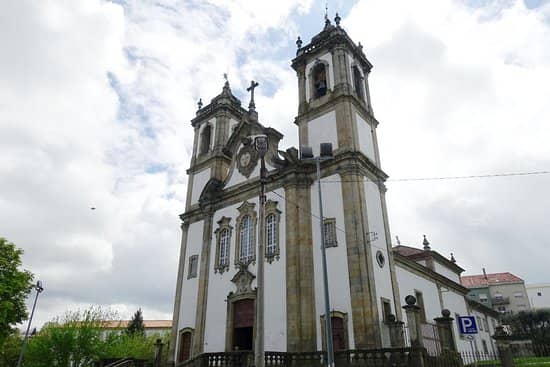
The iconic blue and white azulejo tiles depicting religious scenes are a must-see Porto spectacle.
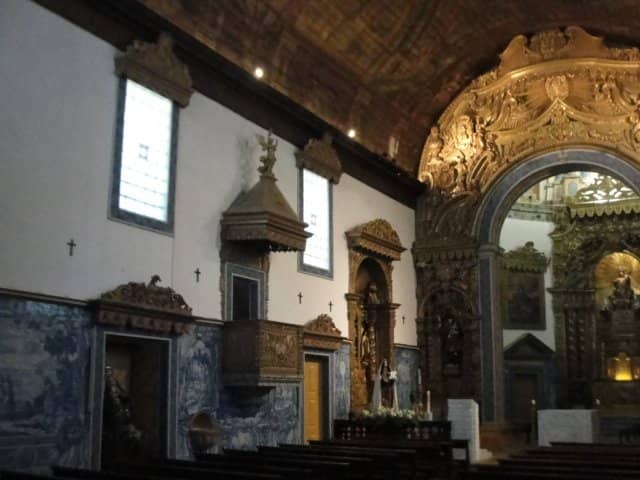
Baroque Interior
Interior
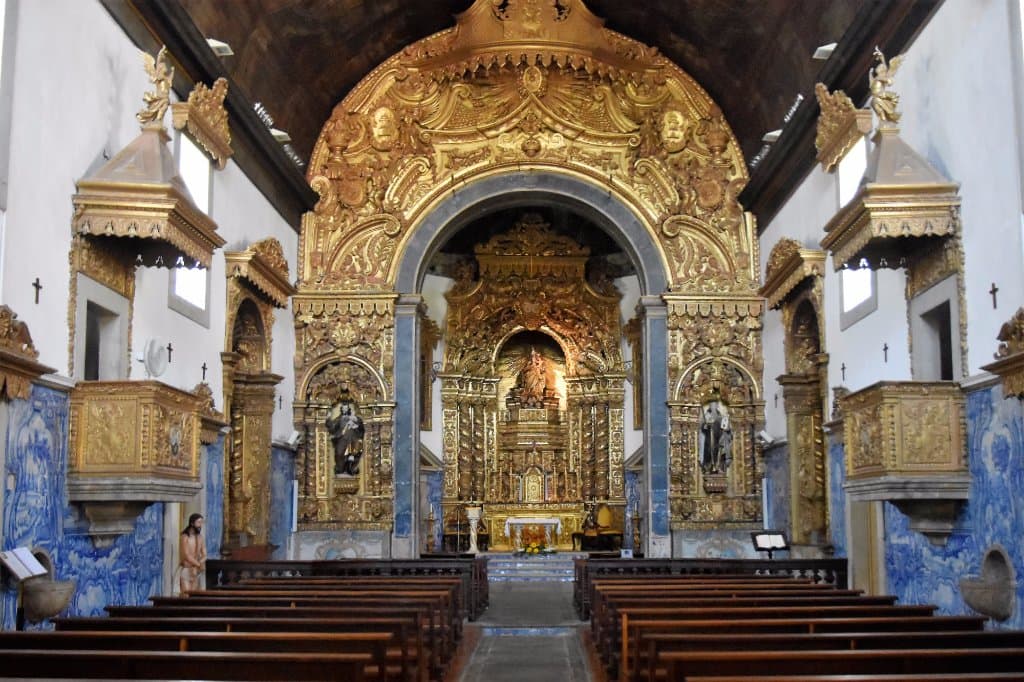
Marvel at the gilded wood carvings, intricate altarpieces, and vibrant frescoes that adorn the church's interior.
Twin Church Contrast
Adjacent to Igreja das Carmelitas
See the striking visual difference between Carmo Church's tiled exterior and its more modest twin.
Plans like a pro.
Thinks like you
Planning Your Visit
Porto's Twin Churches
Beyond the Facade
Best Times
Insider Tips
from TikTok, Instagram & Reddit
📸 Tile Perfection
Capture the stunning azulejo facade! Best light is late afternoon.
🚪 Twin Church Secret
Don't miss the 'secret' door between Carmo and Carmelitas churches for a unique story.
💰 Museum Entry
Pay to explore the Carmo Convent museum and hidden house for more history.
🚶♀️ Walk Around
Explore the surrounding Carmo Square for great city views.
Tips
from all over the internet
📸 Tile Perfection
Capture the stunning azulejo facade! Best light is late afternoon.
🚪 Twin Church Secret
Don't miss the 'secret' door between Carmo and Carmelitas churches for a unique story.
💰 Museum Entry
Pay to explore the Carmo Convent museum and hidden house for more history.
🚶♀️ Walk Around
Explore the surrounding Carmo Square for great city views.
What Travellers Say
Reviews Summary
Visitors consistently praise Carmo Church for its breathtaking azulejo-tiled facade and richly decorated Baroque interior. Many highlight the stunning visual appeal and historical significance of the site, often recommending a visit to the adjacent Carmo Convent museum for a more complete experience. Some note that the church can get crowded, and the exterior is often the main draw.
"What a wonderful church! Such beauty! Massive altar, made of carved gilded wood, azulejo panels... Impressive!"
L M
"lovely baroque church"
Clara Gabriel Correia
"Belíssima Igreja, muita história."
Vitor Azevedo
What People Like
What People Dislike
Frequently Asked Questions
🚇 🗺️ Getting There
Carmo Church is centrally located in Porto, easily accessible by public transport. Many visitors walk from the Ribeira district or take a tram. The nearest metro stations are Trindade and Bolhão, both a short walk away.
There are multiple Carmo Churches. The famous azulejo-tiled Carmo Church, often featured in travel content, is in Porto. Lisbon also has a significant Carmo Convent ruin. 
Many travelers recommend exploring Carmo Church as part of a walking tour of Porto's historic center, which often includes nearby attractions like São Bento Station and Clérigos Tower.
🎫 🎫 Tickets & Entry
The exterior of Carmo Church, with its famous azulejo facade, is free to view. However, to enter the church's interior and explore the adjacent Carmo Convent museum, a ticket is required.
Opening hours can vary, especially for the museum. It's best to check the official Carmo Convent website or local listings for the most up-to-date information on Carmo Convent opening hours.
Ticket prices for the Carmo Convent museum are generally affordable. While specific prices can change, it's a small fee for access to historical artifacts and the 'Hidden House'.
Yes, the Carmo Convent museum is open to visitors and offers a deeper look into the history and artifacts of the site, including access to the 'Hidden House' and tower.
📸 📸 Photography
For the best photos of the azulejo facade, aim for late afternoon when the golden hour light enhances the tiles. Weekday mornings offer fewer crowds for unobstructed shots.
Photography is generally allowed inside Carmo Church, but it's always a good idea to be respectful of worshippers and check for any specific signage regarding photography rules.
The entire azulejo-covered exterior is the main draw. Inside, the gilded altarpieces and painted ceilings are also highly photogenic.
🎫 🏛️ History & Architecture
Carmo Church was built in the 18th century and is known for its stunning Baroque architecture and extensive azulejo tile panels. It's a significant landmark in Porto's historic center.
The church is renowned for its elaborate azulejo facade, a distinctive feature of Porto, and its richly decorated Baroque interior with gilded wood carvings and frescoes.
The azulejos are a quintessential Portuguese art form, and those at Carmo Church depict various religious and folkloric scenes, showcasing the craftsmanship and storytelling of the era.
For Different Travelers
Tailored advice for your travel style
👨👩👧 Families with Kids
Consider purchasing tickets for the Carmo Convent museum, as the 'Hidden House' and tower can be exciting for older children to explore, offering a sense of adventure. Keep in mind that the interior of the church is a place of worship, so encourage respectful behavior. The surrounding Carmo Square is a good spot for a brief rest or a snack. The visual contrast with its twin church, Igreja das Carmelitas, can also be a fun point of discussion for younger visitors.
📸 Photographers
Early mornings are also great for capturing the church with fewer crowds. Don't forget to explore different angles and perspectives to showcase the intricate details of the tiles.Inside, the Baroque interior with its gilded carvings and painted ceilings provides a dramatic contrast. Capture the grandeur of the altarpieces and the artistry of the frescoes. If you gain access to the Carmo Convent museum, the 'Hidden House' and tower offer unique photographic opportunities, including city views.
🏛️ History Buffs
Don't miss learning about the twin churches and the unique relationship between Carmo Church and Igreja das Carmelitas, including the intriguing 'secret' door.
Understanding the context of the church's construction and its place within Porto's religious and architectural landscape will greatly enhance your visit.Deep Dives
In-depth insights and expert knowledge
The Azulejo Masterpiece
The sheer scale and artistry of the azulejos make it a breathtaking sight, drawing visitors from around the globe. It's a testament to the rich cultural heritage of Porto and Portugal.Many visitors are captivated by the visual impact of the azulejos, often spending considerable time admiring the craftsmanship and the way the light plays on the tiles. It’s a popular spot for photography, with many travelers sharing stunning shots on social media.
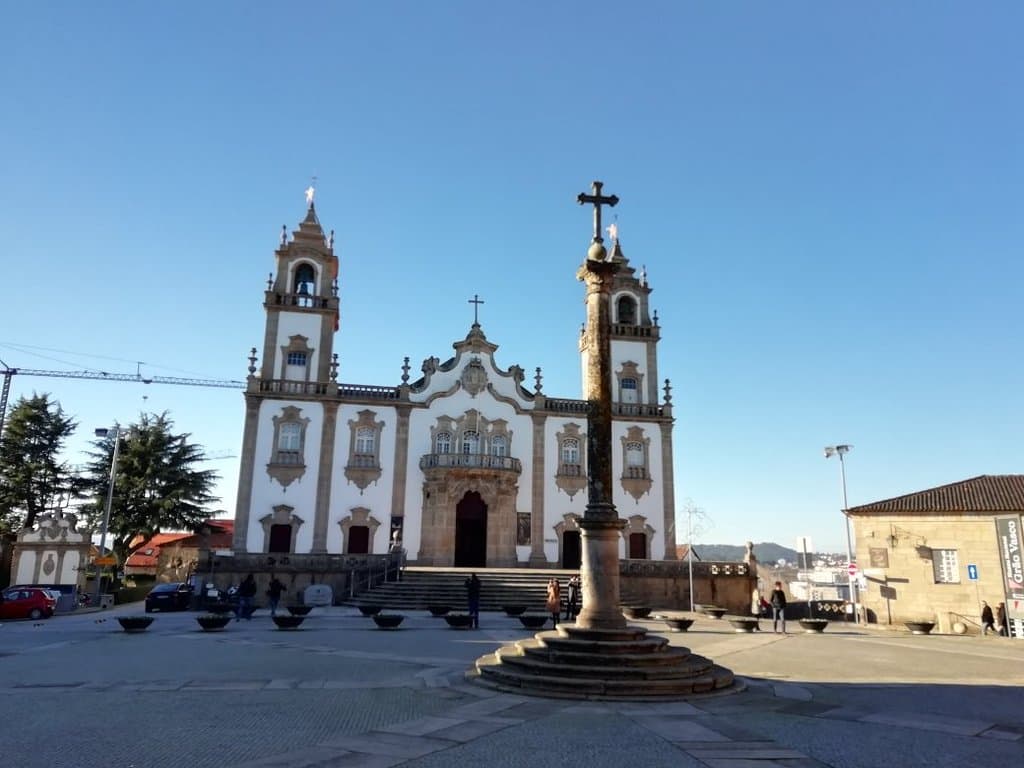
The contrast between the tiled facade and the more traditional stone architecture of its twin church, Igreja das Carmelitas, adds to its unique appeal.For those interested in the history and artistry of azulejos, Carmo Church offers an unparalleled experience. It’s not just a religious building but a living museum of Portuguese decorative arts, making it a truly unforgettable landmark.
Exploring the Carmo Convent
A unique aspect of the Carmo Convent experience is the 'Hidden House' (Casa Escondida), which provides a glimpse into a more intimate side of convent life. The museum also offers access to the church tower, providing panoramic views of Porto.
This combined experience allows visitors to appreciate not only the architectural grandeur of the church but also the historical context and daily life within the convent.Many travelers find the Carmo Convent museum to be a worthwhile addition to their visit, offering a more comprehensive historical perspective. It’s a chance to step back in time and connect with the rich past of this significant Porto landmark.
The Twin Churches of Carmo
This juxtaposition is a popular talking point among visitors. The story behind the 'secret' door that once separated the two churches, allowing the nuns of one to attend mass in the other without leaving their cloister, adds a layer of intrigue.
This unique architectural and historical relationship makes exploring both churches a compelling experience.Seeing these twin churches side-by-side offers a fascinating insight into Porto's urban development and religious history. It’s a visual representation of how different communities coexisted and shaped the city’s landscape.


Social
from TikTok, Instagram & Reddit