Núcleo Museológico do Sal
Discover the ancestral art of salt harvesting at this living museum, where tradition meets nature. Witness working salt pools and spot vibrant flaming...
Highlights
Must-see attractions

Social
From TikTok & Reddit
Best Time
Special activities often held
Núcleo Museológico do Sal
Best Time
Special activities often held
Highlights
Must-see attractions
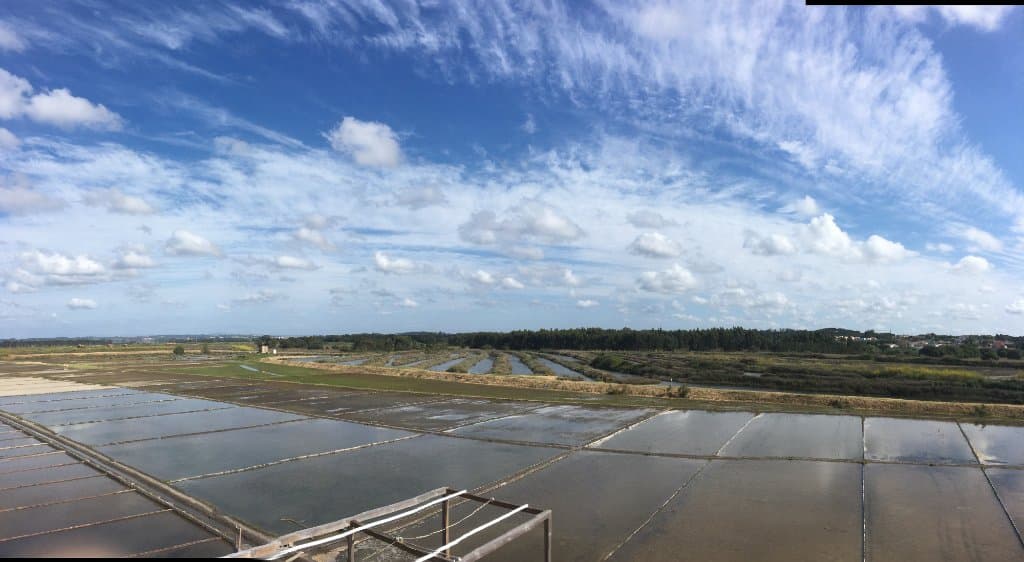
Discover the ancestral art of salt harvesting at this living museum, where tradition meets nature. Witness working salt pools and spot vibrant flamingos.
"A small but very interesting museum combined with enthusiasm offering real practice on the fields."
Bring Cash for Entry
:euro: Admission is low cost, but only cash is accepted.
Pack a Towel
:beachwithumbrella: For the salt foot soak!
Highlights
Discover the most iconic attractions and experiences
Working Salt Pools
Salt Flats
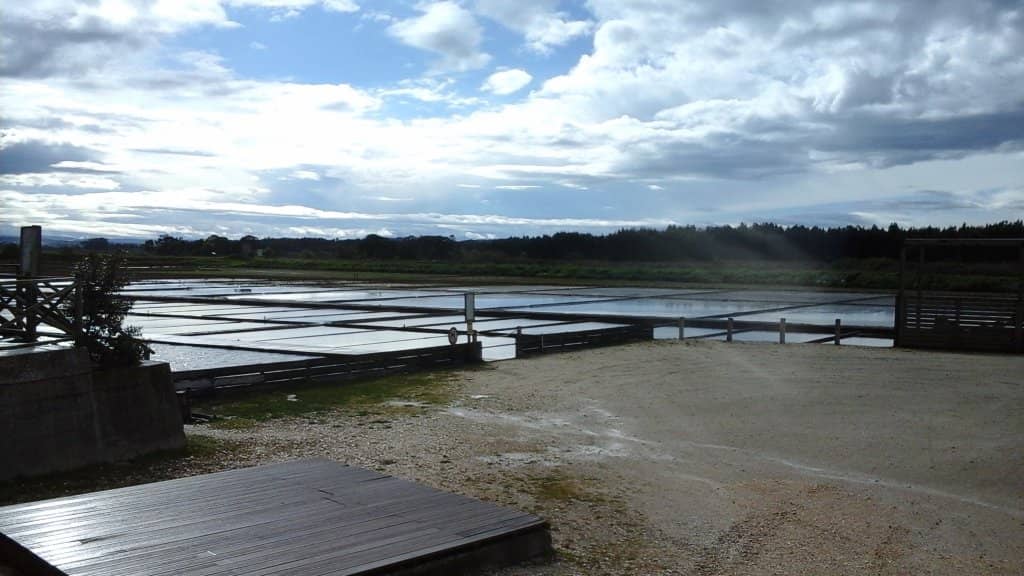
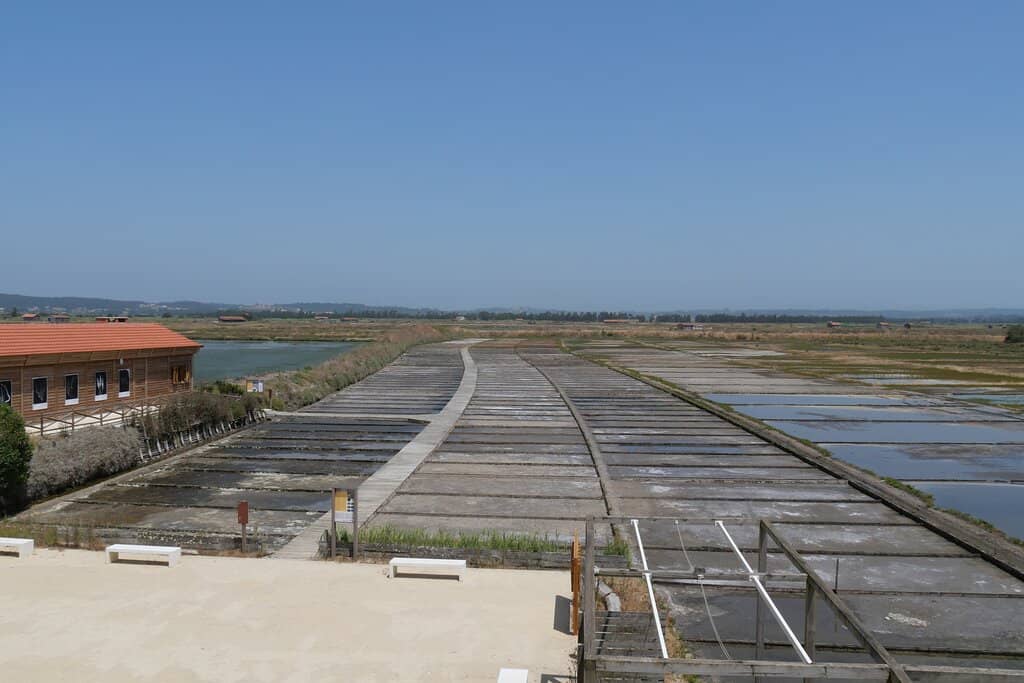
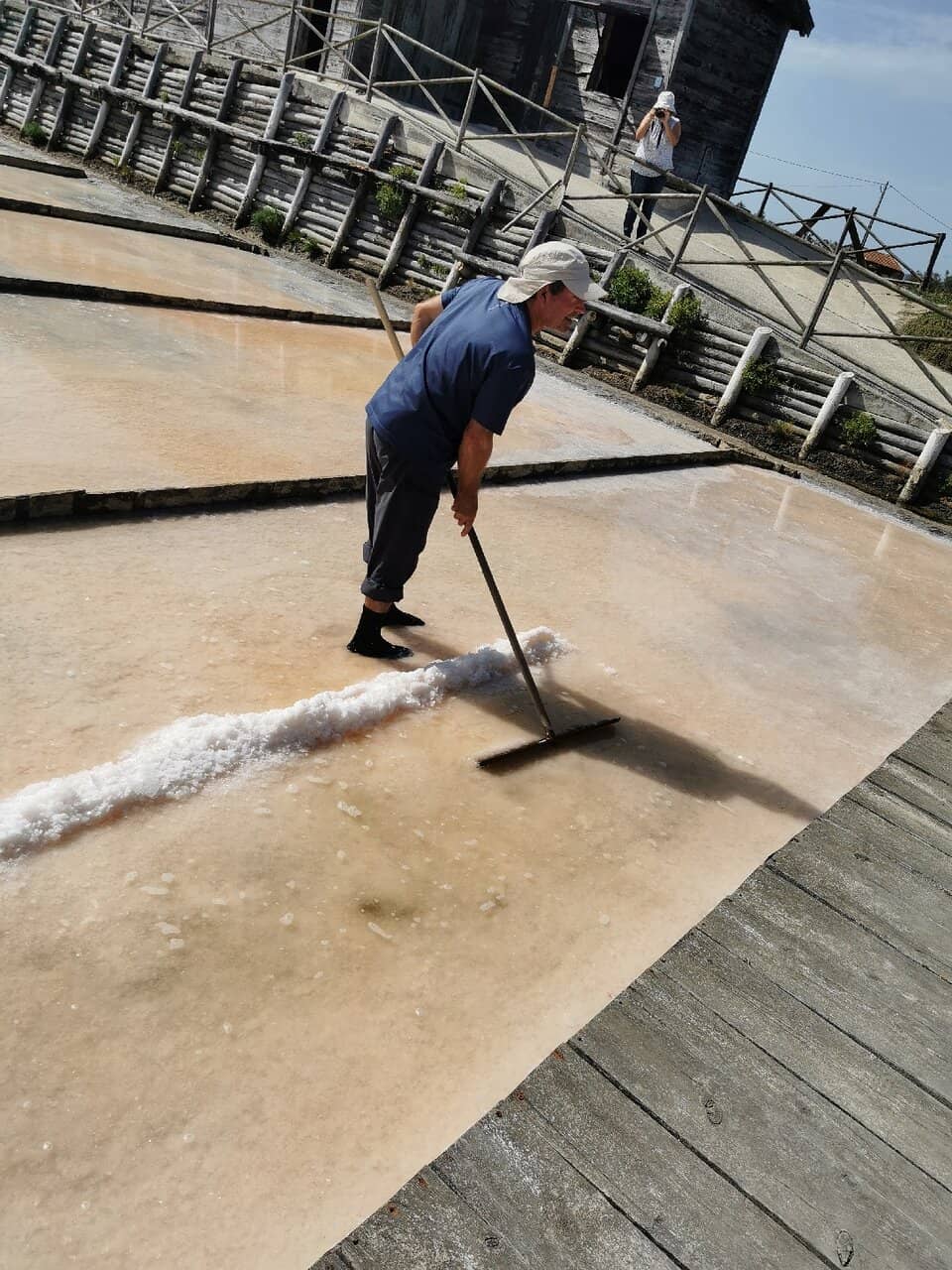
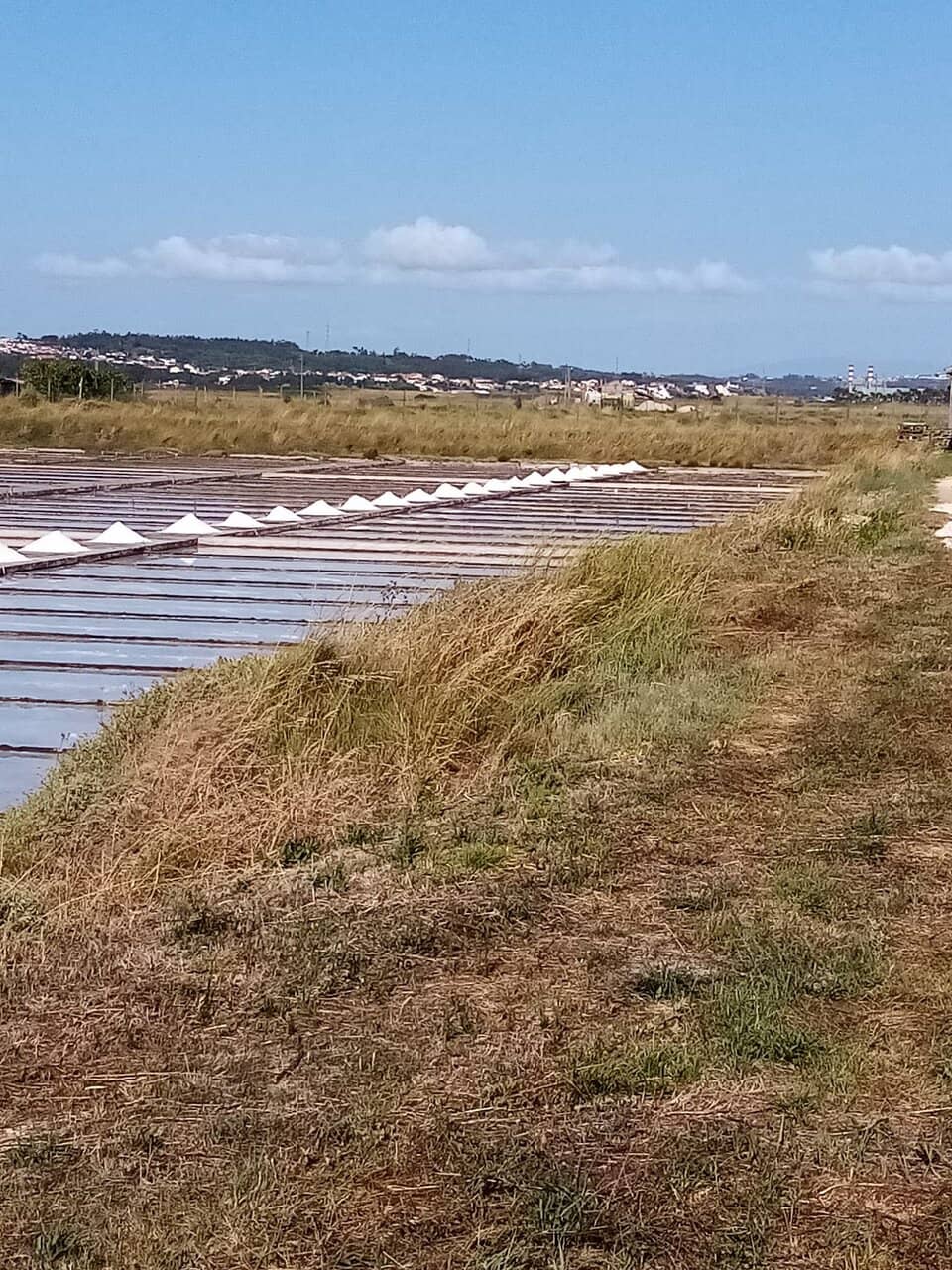
Witness traditional salt harvesting in action and walk among the shimmering salt flats.
Flamingo Spotting
Surrounding Wetlands
Keep an eye out for flamingos and other birdlife in the adjacent wetlands. Binoculars are recommended!
Traditional Salt Harvesting
Museum and Salt Flats
Learn about the ancestral wisdom and rare craft of salt workers, known as 'marenotos'.

Plans like a pro.
Thinks like you
Planning Your Visit
Cash is King Here
Embrace the Salt Experience
Best Times
Insider Tips
from TikTok, Instagram & Reddit
Bring Cash for Entry
:euro: Admission is low cost, but only cash is accepted.
Pack a Towel
:beachwithumbrella: For the salt foot soak!
Binoculars for Birds
:bird: Spot flamingos and other wildlife.
Ask for English Subtitles
:movie_camera: Request English subtitles for videos.
Tips
from all over the internet
Bring Cash for Entry
:euro: Admission is low cost, but only cash is accepted.
Pack a Towel
:beachwithumbrella: For the salt foot soak!
Binoculars for Birds
:bird: Spot flamingos and other wildlife.
Ask for English Subtitles
:movie_camera: Request English subtitles for videos.
Purchase Local Salt
:salt: Buy fresh salt flower directly from workers.
What Travellers Say
Reviews Summary
Visitors consistently praise the Núcleo Museológico do Sal as a small but incredibly informative gem. The friendly staff, the unique experience of walking through active salt flats, and the opportunity to purchase local salt are frequently highlighted. While some note the limited parking and cash-only policy, the overall sentiment is overwhelmingly positive, with many recommending it as a worthwhile and inexpensive visit.
"Bring cash! Only a few € per person but must be paid in cash.
Very nice, simple museum with working salt pools and even an area if you want to soak your feet in the salty water (bring a towel!).
Good for bird watching too - don’t forget binoculars but you might be able to borrow some from the front desk to try to spot a flamingo.
This museum is down a one way sand road with limited parking. Very informative and super friendly and helpful staff. Request to play video with English subtitles."
Jennifer Cooper
"Its very inexpensive, very cool to walk around the salt flats were they still harvest the salt. The brown huts are the original ones used back in the day and still in use today. Stopped at one on the way in, super nice gentleman, had a nice chat and purchased salt flower from him for 2 euros a bag!!"
Laura Lauer
"Small beautiful museum. Very informative about how salt was traditionally cultivated."
bonnie pariser
What People Like
What People Dislike
Frequently Asked Questions
🚇 🗺️ Getting There
The museum is located down a one-way sand road. Parking can be limited, so arriving early is advisable. It's accessible by car, and the scenic route through the salt flats is part of the experience.
Information on direct public transport is limited. It's best to check local bus routes for Figueira da Foz and consider a taxi or ride-sharing service for the final leg to the museum.
The road is a sand track, so drive cautiously. It's a one-way system, adding to the unique approach to the site.
🎫 🎫 Tickets & Entry
Admission is very inexpensive, typically only a few euros per person. However, payment must be made in cash.
Advance booking is generally not required for regular visits. However, for special events or workshops, it's wise to check their official channels or social media.
Opening hours can vary, especially for special events. It's recommended to check their social media pages or local listings for the most up-to-date information.
No, the museum strictly accepts cash payments only. Make sure to have enough euros with you.
🎫 🧭 Onsite Experience
You can explore a small but informative museum about traditional salt production, walk around active salt pools, and observe local birdlife, including flamingos.
Yes, there's an area where you can soak your feet in the salty water. Bringing a towel is recommended if you plan to do this.
Absolutely! You can purchase locally harvested salt, including 'fleur de sel' (salt flower), directly from the salt workers.
Yes, the surrounding salt flats and wetlands are a haven for various bird species. Binoculars can enhance your viewing experience, though sometimes they can be borrowed.
The staff are very friendly and helpful, often providing insights into the salt production process. Some visitors have described having a great tour with an employee who even demonstrates the process.
📸 📸 Photography
The shimmering salt flats, the traditional brown huts, flamingos in flight, and the textures of the salt crystals offer unique photographic subjects.
Yes, visitors are encouraged to capture the beauty of the salt flats and the traditional methods. Respecting the workers and their process is key.
Golden hour, during sunrise or sunset, can offer dramatic lighting on the salt pans. The 'Sunset no Sal' events also provide a unique atmosphere.
For Different Travelers
Tailored advice for your travel style
👨👩👧 Families with Kids
It's a great opportunity for an educational outing that doesn't feel like a typical classroom lesson. The low admission fee makes it an affordable family activity. Remember to bring a towel if your kids want to try the salt foot soak, and keep an eye out for any special events like the 'Sunset no Sal' which can add an extra layer of fun.
🚶♀️ Nature & Wildlife Enthusiasts
Bring your binoculars and camera to capture the beauty of the salt pans and the diverse avian population. The serene atmosphere and the unique ecosystem make it a perfect spot for a peaceful exploration and photography.
🏛️ Culture & History Buffs
The historical significance of salt production in the region is palpable as you walk through the working salt pans and see the traditional huts. It's a chance to connect with the local heritage and appreciate the ingenuity of past generations.
Deep Dives
In-depth insights and expert knowledge
The Art and Science of Salt Harvesting
Visitors can walk among the working salt pools, observing the different stages of evaporation and crystallization. The distinctive brown huts scattered across the flats are not just historical relics; many are still in use today, serving as shelters and storage for the harvested salt. The museum itself provides detailed information about the history, techniques, and cultural significance of salt production in the region, making it a truly informative experience.
Beyond the educational aspect, the salt flats offer a unique sensory experience. The air carries a distinct salty aroma, and the textures of the salt underfoot are fascinating. Some visitors even have the opportunity to participate in practical demonstrations on the fields, offering an exceptional hands-on understanding of this ancient craft.
A Haven for Wildlife
Visitors are encouraged to bring binoculars to get a closer look at these magnificent birds and other avian inhabitants of the wetlands. The museum staff may even have binoculars available for loan, ensuring everyone can enjoy the spectacle.
Beyond flamingos, the area supports a diverse ecosystem. The shallow waters and surrounding vegetation attract wading birds, migratory species, and other wildlife. A visit to the salt museum offers a dual experience: learning about human heritage and appreciating the natural wonders of the region.


Social
from TikTok, Instagram & Reddit