Pelourinho Campo Maior
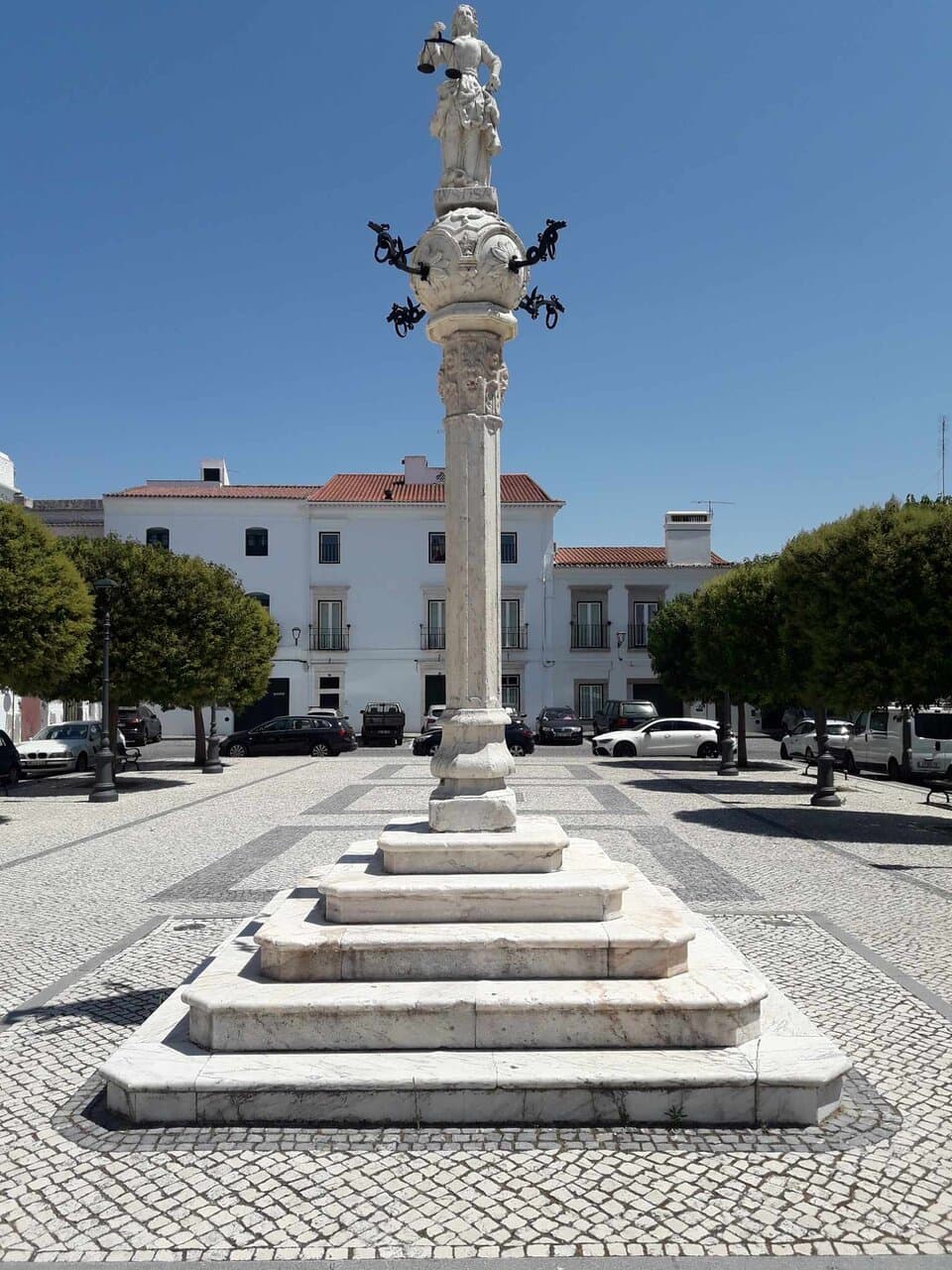
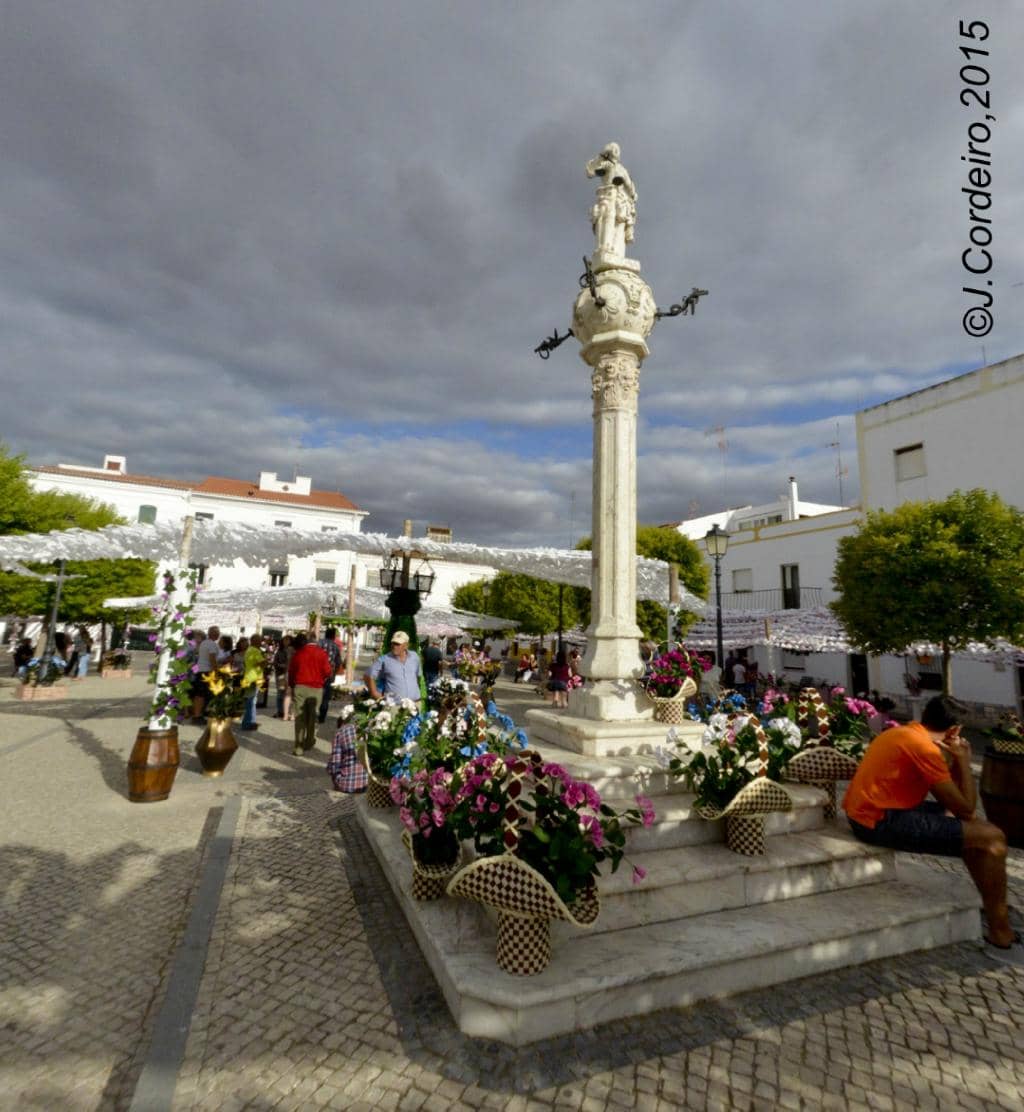
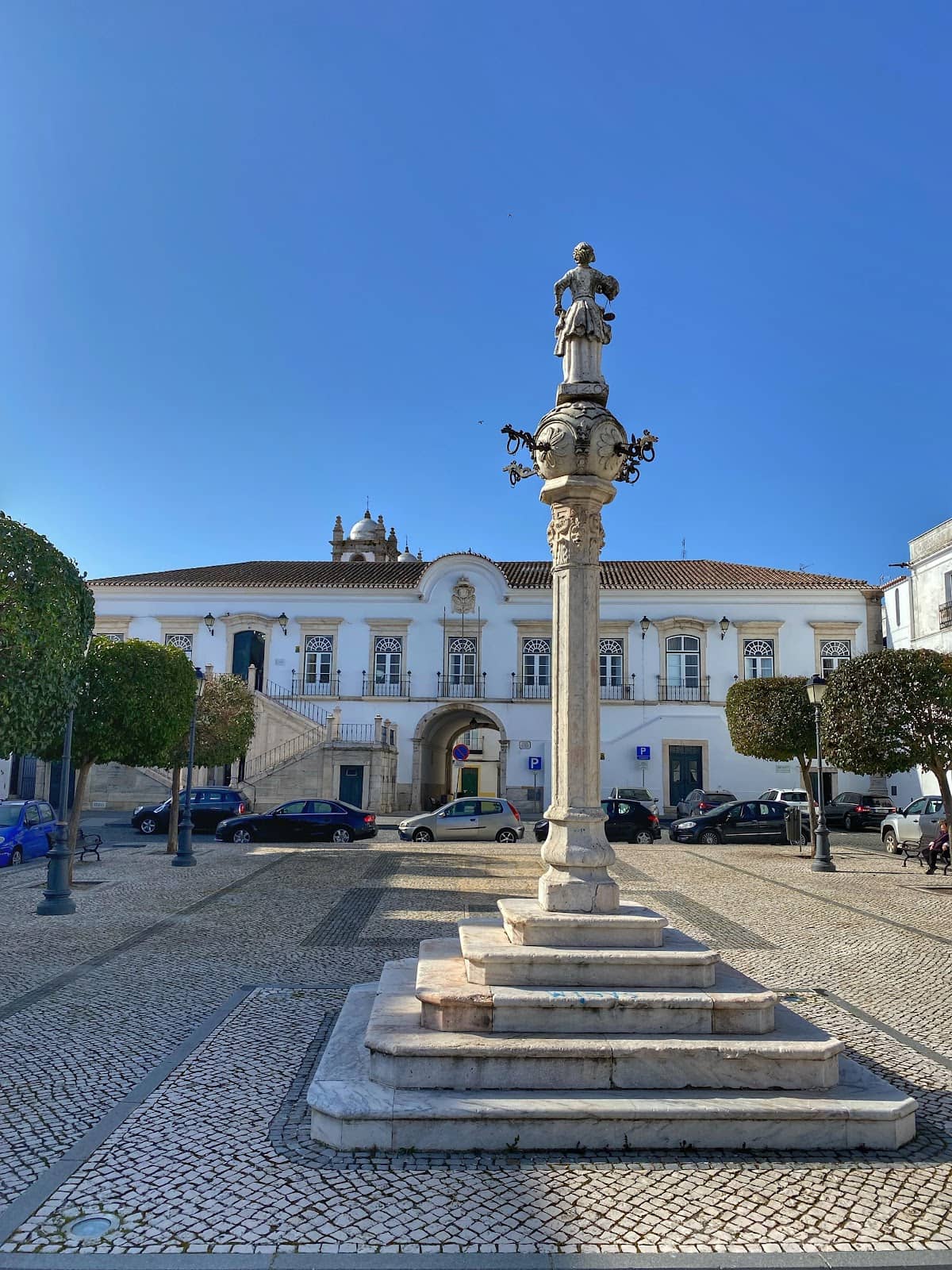
An 18th-century marble pillory, symbolizing justice, standing proudly in Campo Maior's central square.
Highlights
Must-see attractions

Social
From TikTok & Reddit
Best Time
Quieter exploration
Pelourinho Campo Maior
Best Time
Quieter exploration
Highlights
Must-see attractions
An 18th-century marble pillory, symbolizing justice, standing proudly in Campo Maior's central square.
"A beautiful and historically significant monument, easily accessible and a great stop for exploring the town."
🚗 Easy Parking
Plenty of parking available nearby, making it a convenient stop for exploring the town on foot.
🏛️ Historical Significance
Learn about its history: once dismantled, it was returned to its original spot in Praça da República.
Highlights
Discover the most iconic attractions and experiences
The Justice Statue
Top of the column
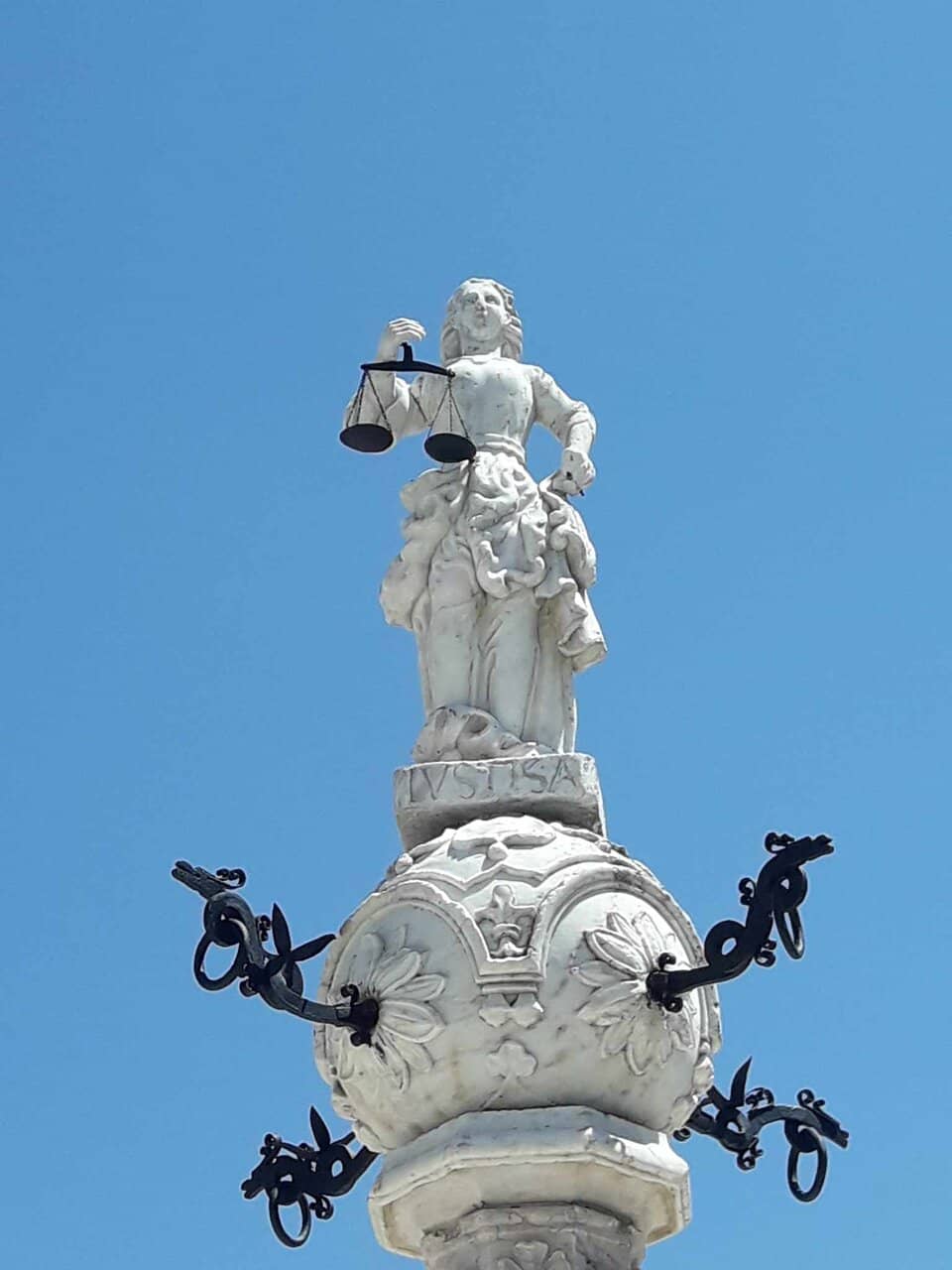
Admire the 18th-century marble statue of Justice, complete with scales and sword, crowning the pillory.
Elegant Marble Column
Central monument
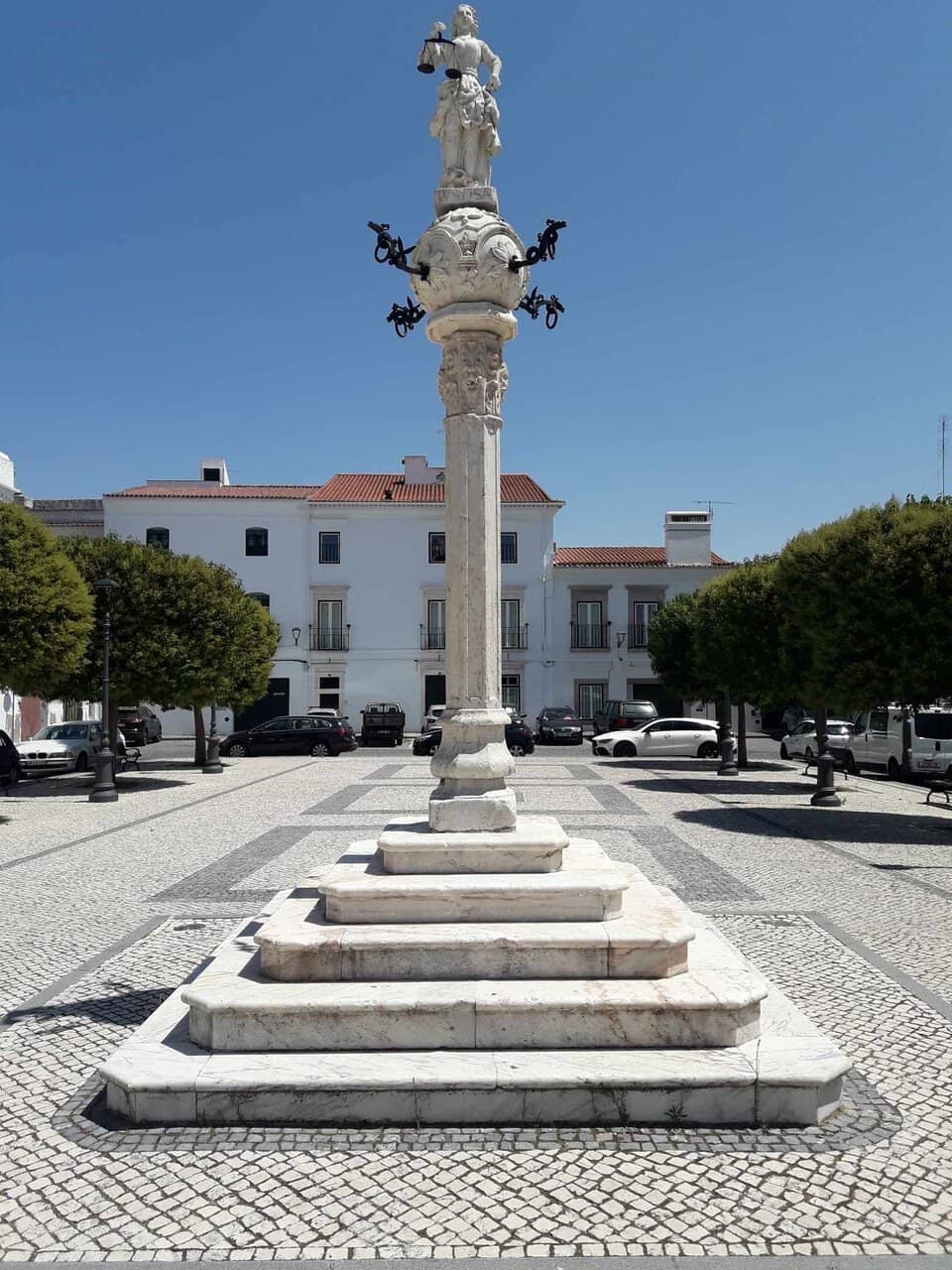
Marvel at the 2.17m tall marble column, a testament to 18th-century Portuguese architecture.

Praça da República
Surrounding area
The pillory's home in the main square, offering a central point for town exploration.
Plans like a pro.
Thinks like you
Planning Your Visit
Timing Your Visit
Exploring the Square
Best Times
Insider Tips
from TikTok, Instagram & Reddit
🚗 Easy Parking
Plenty of parking available nearby, making it a convenient stop for exploring the town on foot.
🏛️ Historical Significance
Learn about its history: once dismantled, it was returned to its original spot in Praça da República.
📸 Photo Opportunity
The pillory stands prominently in the square, offering a great backdrop for photos.
Tips
from all over the internet
🚗 Easy Parking
Plenty of parking available nearby, making it a convenient stop for exploring the town on foot.
🏛️ Historical Significance
Learn about its history: once dismantled, it was returned to its original spot in Praça da República.
📸 Photo Opportunity
The pillory stands prominently in the square, offering a great backdrop for photos.
What Travellers Say
Reviews Summary
Visitors find the Pelourinho Campo Maior to be a notable historical monument and a symbol of justice, appreciating its 18th-century architecture and central location. Its easy accessibility and parking make it a convenient stop for exploring the town. While it's a significant historical piece, some may find it to be a solitary monument in its square.
"Pelourinho da Vila de Campo Maior, símbolo da aplicação da justiça na praça do município."
Luis Serra
"Belo pelourinho e uma boa zona para estacionar a viatura e explorar a cidade a pé!"
Liliana Fernandes
"O pelourinho de Campo Maior era um dos mais notáveis que existiam no país. Foi mandado apear em 1879, pela Câmara Municipal, quando se procedeu no local onde se erguia – a chamada Praça de D. Luís – a obras de reparação e embelezamento: Em 1880, fundou-se o Museu Arqueológico de Elvas e o pelourinho foi requisitado e ali deu entrada em Junho de 1903, reduzido à coluna medindo 2,17 m, a um capitel, à esfera e à figura da Justiça com o braço direito mutilado.
Por deliberação da Câmara Municipal de Elvas e a pedido da de Campo Maior, o pelourinho voltou para aquela vila, onde vai ser solenemente inaugurado durante o corrente mês, no mesmo local que então ocupou, isto é, na antiga Praça D. Luís, hoje Praça da República.
(“Vai ser inaugurado o pelourinho da vila de Campo Maior. Foi colocado no centro da Praça, hoje chamada Praça da República). In jornal O Século, 1ª pág, 22 de Março de 1941). Portanto, o pelourinho encontra-se no seu local actual, há 75 anos.
O pelourinho é formado por uma elegante coluna de mármore sobrepujada por uma esfera e, sobre esta, a figura da Justiça. Dão-lhe acesso quarto degraus, também de mármore. É um curioso trabalho arquitectónico do século XVIII.
(Na almofada em que assenta a estátua da Justiça, no seu lado virado a nascente, tem inscrita a data de 1740)”."
João Maneta
What People Like
What People Dislike
Frequently Asked Questions
🚇 🗺️ Getting There
Pelourinho Campo Maior is located in the central Praça da República in Campo Maior, Portugal. It's easily accessible by car, with ample parking available in the square itself, making it a convenient stop for travelers exploring the region.
Campo Maior is served by regional bus lines connecting it to larger cities in Portugal. From the bus station, it's a short walk or taxi ride to the Praça da República where the Pelourinho is located.
Absolutely! The Pelourinho is in the heart of the town square, Praça da República. It's designed to be explored on foot, and you can easily wander through the surrounding streets from there.
🎫 🎫 Tickets & Entry
No, the Pelourinho is an outdoor monument located in a public square, so there is no ticket required to view it. You can visit it at any time.
As an open-air monument in a public square, the Pelourinho is accessible 24/7. However, it's best viewed during daylight hours for optimal appreciation and photography.
There is no entrance fee to visit the Pelourinho Campo Maior. It's a historical landmark freely accessible to the public in the main square.
🎫 🧭 Onsite Experience
The Pelourinho Campo Maior is a historical monument, specifically an 18th-century pillory, symbolizing the administration of justice. It features a marble column topped with a statue of Justice.
Originally erected in the 18th century (dated 1740), it was dismantled in 1879 and parts were moved to a museum. It was later returned to its original location in Praça da República, where it has stood since 1941.
You can see the impressive 2.17m marble column, four marble steps, a sphere with iron frames for detaining criminals, and the crowning statue of Justice. The entire structure stands about 6.50m tall.
Yes, it's a notable historical architectural work from the 18th century and a symbol of justice. It's a central landmark in Campo Maior, making it a worthwhile stop for history buffs and those exploring the town.
The Pelourinho is situated in the Praça da República, the main square of Campo Maior. This area is ideal for parking and exploring the town on foot, with local shops and cafes nearby.
For Different Travelers
Tailored advice for your travel style
🚗 Road Trippers & Day-Trippers
Consider it a perfect spot for a photo opportunity and a moment to reflect on Portuguese history. Its accessibility and straightforward historical significance make it a hassle-free addition to any itinerary, offering a glimpse into local heritage without requiring extensive planning.
🏛️ History Enthusiasts
Delving into its history, including its period in the Elvas Archaeological Museum, adds layers to the visit. It's a site that rewards those who appreciate the evolution of historical monuments and their significance within a community.
Deep Dives
In-depth insights and expert knowledge
A Symbol of Justice: The Pelourinho's History
Its journey through time is particularly fascinating. Dismantled in 1879 during town square renovations, its components were eventually housed in the Archaeological Museum of Elvas. However, through the efforts of the Campo Maior municipality, it was returned to its original location in Praça da República in 1941, where it has remained a steadfast landmark. This restoration highlights the community's dedication to preserving its heritage.
Today, the Pelourinho stands as a testament to Portuguese history and architectural craftsmanship. Its prominent placement in the Praça da República makes it easily accessible and a focal point for visitors wishing to connect with the town's past. It serves as a reminder of the historical significance of public spaces and their role in civic life.
Architectural Details and Artistic Features
Crowning the column is a sphere, from which four iron frames would have been used to detain individuals. This functional element is juxtaposed with the artistic pinnacle of the monument: the figure of Justice. This statue, with her eyes uncovered and holding a scale in one hand and a sword in the other, is a powerful representation of impartiality and the rule of law. The inscription on the cushion supporting the Justice statue, bearing the date 1740, further anchors its historical context.
The overall design is both robust and refined, reflecting the importance of the pillory's function while showcasing the skill of its creators. It's a piece that invites closer inspection, revealing details that speak to both its historical purpose and its artistic merit.

Social
from TikTok, Instagram & Reddit