
Capela de São Sebastião das Carvalheiras
A historic chapel in Braga known for its striking tiled facade and unique octagonal design, often closed but architecturally significant.
Highlights
Must-see attractions

Social
From TikTok & Reddit
Best Time
Feast day of Saint Sebastian
Capela de São Sebastião das Carvalheiras
Best Time
Feast day of Saint Sebastian
Highlights
Must-see attractions
A historic chapel in Braga known for its striking tiled facade and unique octagonal design, often closed but architecturally significant.
"Admire its beautiful tiled facade and unique architecture, even if access is limited. "
Check Opening Times
The chapel is often closed. Look for special event days or local festivals for a chance to see inside.
Admire Exterior Art
Even if closed, the tiled facade and unique architecture are worth appreciating from the outside.
Highlights
Discover the most iconic attractions and experiences
Tiled Facade
Admire the intricate tilework on the chapel's exterior, showcasing historical narratives and artistic detail.
Interior Azulejos
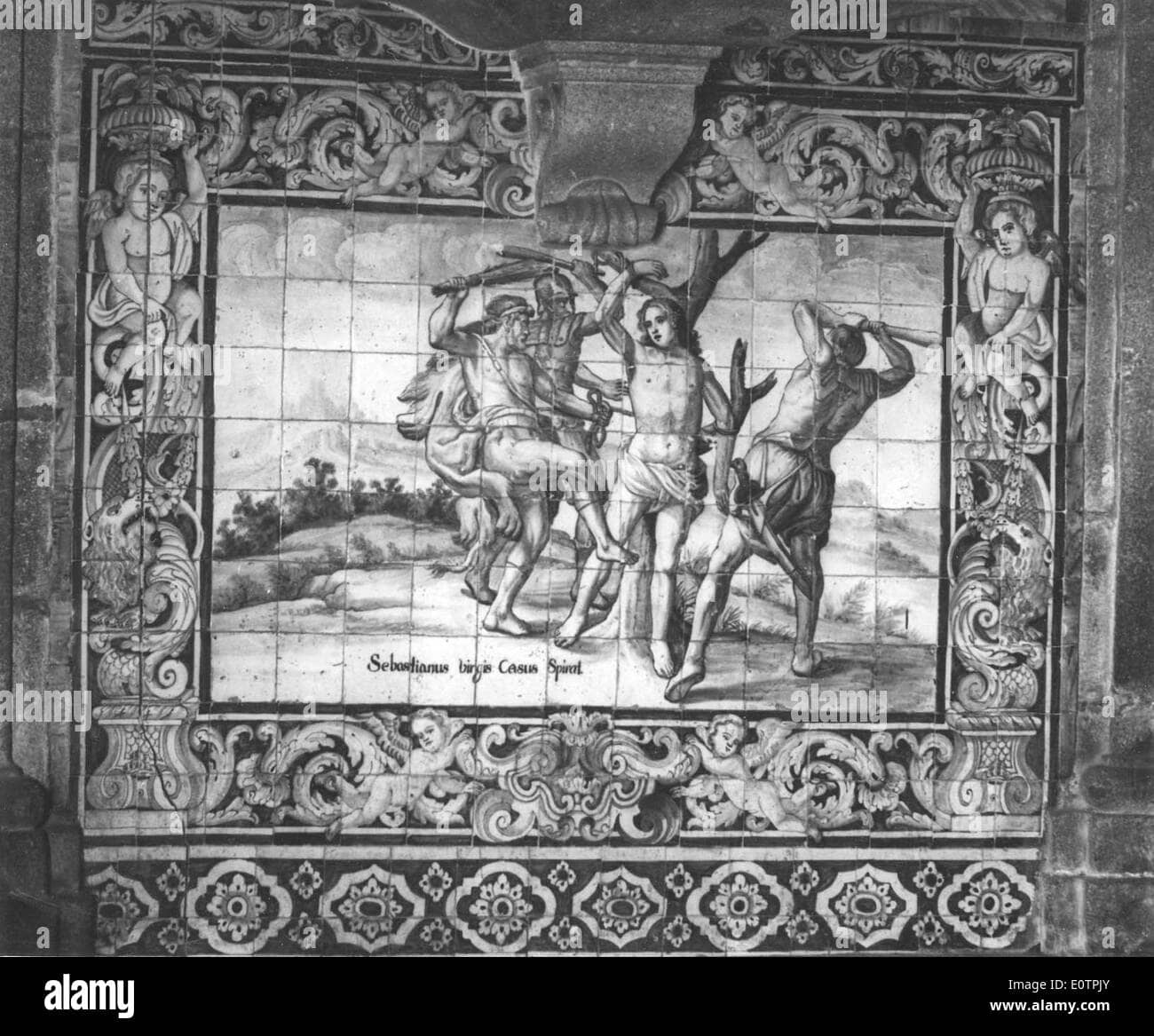
If accessible, the interior tiles narrate the life and martyrdom of Saint Sebastian, offering a glimpse into religious art.

Rear Bell Tower
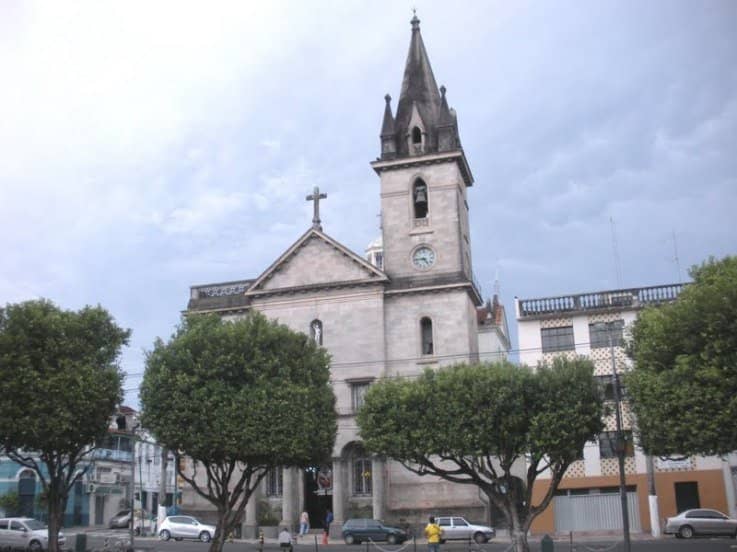
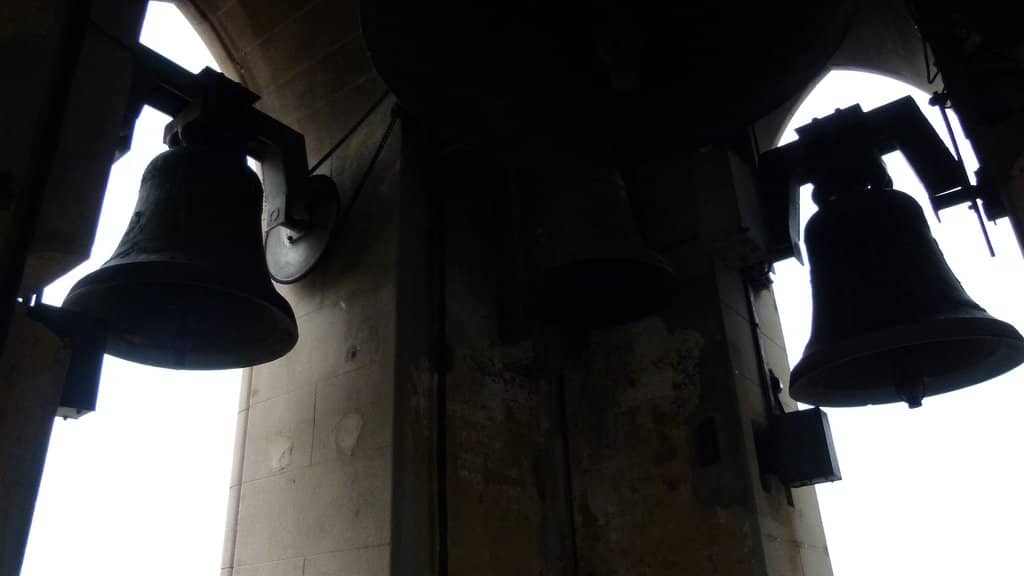
A distinctive architectural feature, the bell tower's placement at the back adds to the chapel's unique silhouette.
Plans like a pro.
Thinks like you
Planning Your Visit
Access and Visiting Hours
Architectural Significance
Best Times
Insider Tips
from TikTok, Instagram & Reddit
Check Opening Times
The chapel is often closed. Look for special event days or local festivals for a chance to see inside.
Admire Exterior Art
Even if closed, the tiled facade and unique architecture are worth appreciating from the outside.
Learn About Saint Sebastian
Understand the stories depicted in the tiles by researching Saint Sebastian's life and martyrdom.
Tips
from all over the internet
Check Opening Times
The chapel is often closed. Look for special event days or local festivals for a chance to see inside.
Admire Exterior Art
Even if closed, the tiled facade and unique architecture are worth appreciating from the outside.
Learn About Saint Sebastian
Understand the stories depicted in the tiles by researching Saint Sebastian's life and martyrdom.
What Travellers Say
Reviews Summary
Visitors appreciate the chapel's unique tiled facade and distinctive architecture, especially the rear bell tower. However, many note that the chapel is frequently closed, limiting interior access and the ability to fully appreciate its historical and artistic elements.
"The chapel of San Sebastián das Carballeiras was probably built at the end of the 14th century, as it would have been built as a temple for the saint's brotherhood, which is documented in 1348.
The chapel was completely renovated at the beginning of the 18th century – 1717 appears on a cartouche inside – erasing all previous remains. With a central, octagonal plan, its façade is covered with tiles; Above the door, in the split pediment, is the shield of Archbishop Don Rodrigo de Moura Teles (1704-1728) and, above it, the image of the titular saint, Sebastian.
The interior is also decorated with tiles, some of which illustrate the life and martyrdom of Saint Sebastian. The altarpieces have less merit, most of them neoclassical from the 19th century.
As is common in the Braga region, the bell tower is located at the back."
Francisco Javier Perez Rodriguez
"💒😉👌"
Pedro Miguel
"A Igreja de São Sebastião das Carvalheiras, situada na cidade de Braga, Portugal, é uma bela construção que merece ser apreciada. Seu estilo arquitetônico impressionante e a imponente torre na parte de trás da igreja são características que a tornam uma presença marcante na paisagem urbana.
A igreja apresenta um estilo arquitetônico que combina elementos do gótico e do barroco, resultando em uma fusão harmoniosa. Sua fachada é adornada com detalhes esculpidos e uma riqueza de ornamentação, revelando a dedicação e o talento dos artesãos que a construíram.
A torre na parte de trás da igreja é uma característica particularmente notável, adicionando um toque de grandiosidade à estrutura. Sua altura e sua arquitetura singular destacam-se no cenário, oferecendo uma visão panorâmica única da cidade.
Infelizmente, é importante mencionar que a Igreja de São Sebastião das Carvalheiras está quase sempre fechada para visitações. Essa restrição pode ser decepcionante para os visitantes que desejam explorar o interior e admirar a beleza artística que possa estar contida ali. É uma pena que essa limitação impeça o acesso ao seu patrimônio histórico e cultural.
Apesar disso, mesmo que não seja possível entrar na igreja, a sua presença exterior e a sua arquitetura encantadora ainda valem a pena ser apreciadas. A Igreja de São Sebastião das Carvalheiras é um testemunho da riqueza histórica e artística de Braga, e sua torre impressionante é um marco que atrai a atenção de moradores e visitantes.
Em resumo, a Igreja de São Sebastião das Carvalheiras, em Braga, destaca-se pelo seu estilo arquitetônico impressionante e pela imponente torre na parte de trás da igreja. Embora seja lamentável que a igreja esteja geralmente fechada para visitas, ainda é possível apreciar sua beleza externa e reconhecer sua importância cultural e histórica na cidade."
Daniel Santos
What People Like
What People Dislike
Frequently Asked Questions
🚇 🗺️ Getting There
The chapel is located in Braga, Portugal. It's accessible by public transport within the city or a short taxi/ride-share from the city center. Walking is also an option if you're exploring the historic areas.
Parking in Braga's historic center can be challenging. It's advisable to use public parking garages or park further out and walk.
🎫 🎫 Tickets & Entry
Unfortunately, the chapel is frequently closed to visitors. It's best to check for any special open days or events, particularly around January 20th, the feast day of Saint Sebastian.
As the chapel is often closed, there are typically no tickets required for entry. Access is usually limited to specific religious services or pre-arranged tours.
Access to the interior is not guaranteed as the chapel is often closed. Visitors may have to admire its exterior beauty and unique tiled facade from the outside.
📸 📸 Photography
If you are fortunate enough to visit during an open period, photography rules inside religious buildings can vary. It's always best to check for signage or ask a custodian.
The tiled facade and the distinctive rear bell tower are excellent subjects for exterior photography. Capture the details of the azulejos and the overall architectural form.
For Different Travelers
Tailored advice for your travel style
History Enthusiasts
Pay close attention to the tiled facade and any visible interior panels, as they tell stories of faith and artistry. The unique placement of the bell tower at the rear is also a point of architectural interest. Even if access is limited, understanding the chapel's historical context and architectural features makes it a worthwhile stop for history buffs.
Art and Architecture Lovers
The octagonal design is a unique structural element that sets it apart. The rear bell tower adds another layer of architectural distinctiveness. While the interior may be closed, the exterior alone is a testament to the craftsmanship and artistic traditions of the era.
Deep Dives
In-depth insights and expert knowledge
History and Architecture
The chapel features a distinctive octagonal plan, a less common design that adds to its unique character. Its facade is a canvas of azulejos, traditional Portuguese tiles, which are a hallmark of Baroque-era architecture in the region. Above the entrance, the shield of Archbishop Don Rodrigo de Moura Teles is visible, a testament to the patronage during its reconstruction. The interior is also decorated with tiles, some of which depict scenes from the life and martyrdom of Saint Sebastian, the chapel's patron.
Another notable architectural element is the bell tower, which, unusually, is situated at the rear of the chapel. This placement contributes to its distinctive silhouette and is a characteristic found in some religious buildings in the Braga area. While the altarpieces are generally considered less significant, often dating from the 19th century in a Neoclassical style, the overall structure and its tiled embellishments make it a point of historical and artistic interest.
The Significance of Azulejos
Inside, the azulejos continue this tradition, with some panels specifically dedicated to depicting the life and martyrdom of Saint Sebastian. This visual narrative allows visitors, even those who cannot read Portuguese, to engage with the saint's story. The artistry involved in these tiled panels reflects the skill of Portuguese tile makers and the importance of this art form in religious and civic architecture.
While the chapel's interior may be difficult to access, the presence of these detailed azulejos, both inside and out, highlights their role in conveying religious devotion and cultural heritage. They are a crucial element in understanding the chapel's artistic and historical value, transforming a simple structure into a work of art.


Social
from TikTok, Instagram & Reddit