Ajuda Bridge (Ponte da Ajuda) Portugal
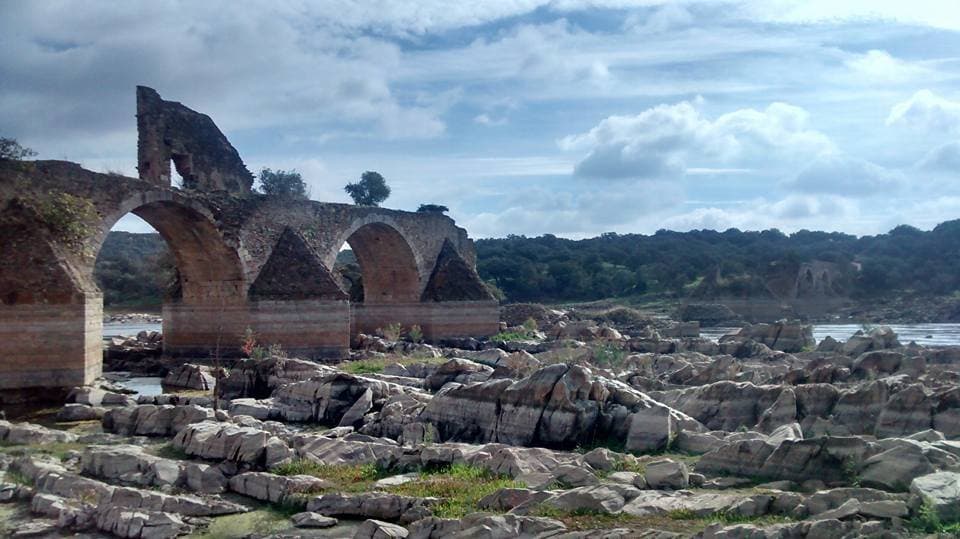
A poignant, crumbling stone bridge, a remnant of historical conflicts between Portugal and Spain, offering scenic views and photographic opportunities...
Highlights
Must-see attractions

Social
From TikTok & Reddit
Best Time
Best light for photos
Ajuda Bridge (Ponte da Ajuda) Portugal
Best Time
Best light for photos
Highlights
Must-see attractions
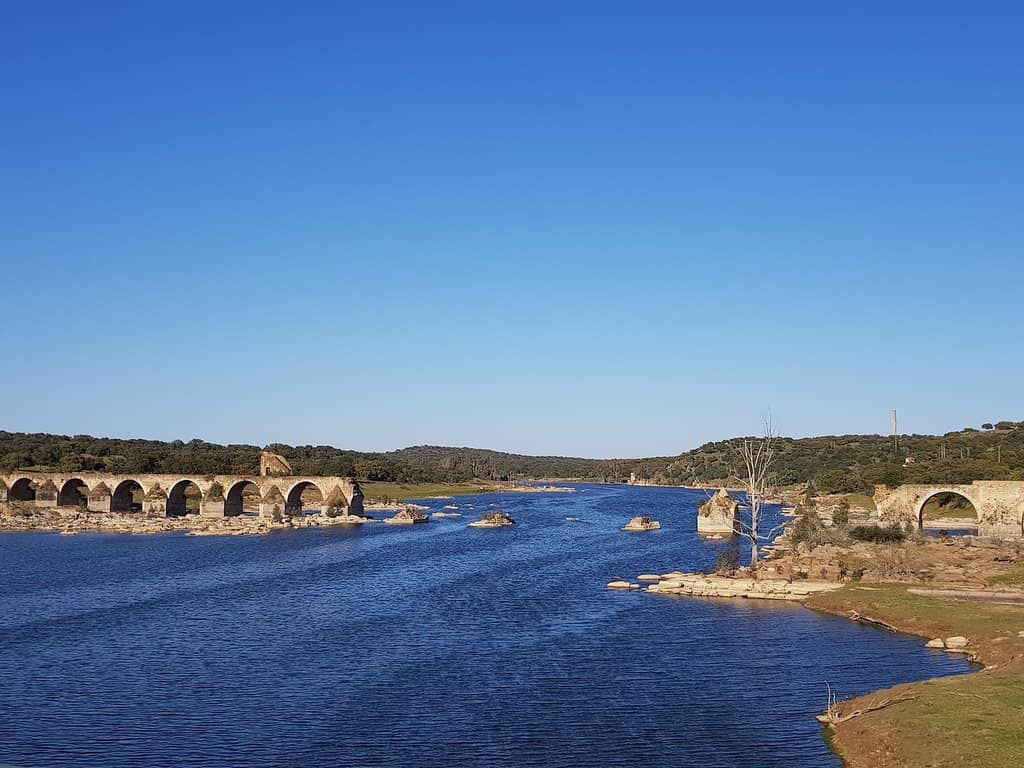
A poignant, crumbling stone bridge, a remnant of historical conflicts between Portugal and Spain, offering scenic views and photographic opportunities.
"An excellent place to visit and photograph, a rare remnant of infrequent conflicts between Portugal and Spain."
Choose the Portuguese Side
Park at the chapel and walk down; it's generally cleaner than the Spanish side. :athletic_shoe:
Respect the Ruins
The bridge is a historical monument; tread carefully and appreciate its delicate state. :camerawithflash:
Quick Facts
Highlights
Discover the most iconic attractions and experiences
The Ruined Stone Arches
The bridge itself
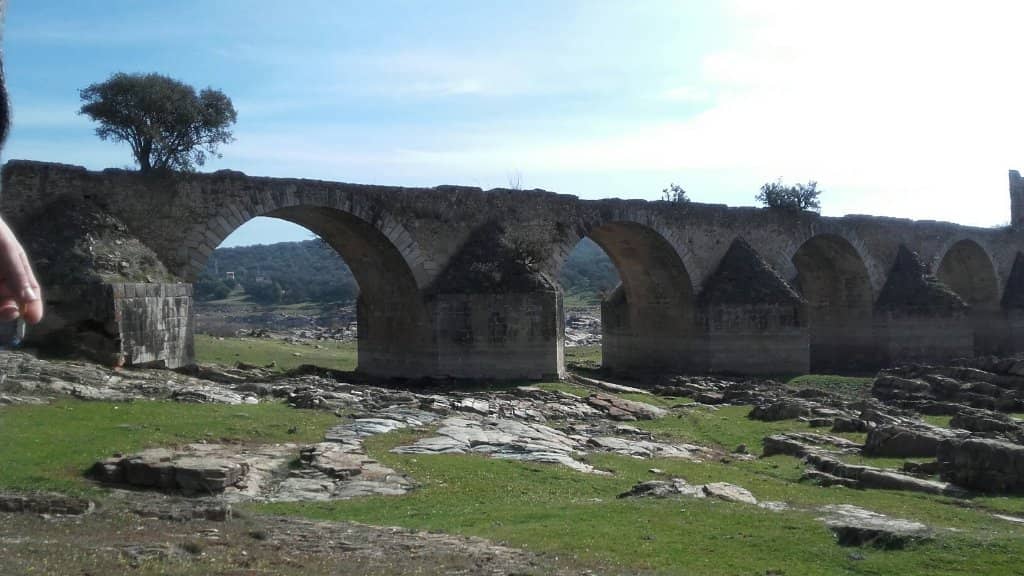
Witness the majestic, crumbling stone arches, a poignant symbol of a bygone era and historical conflict.
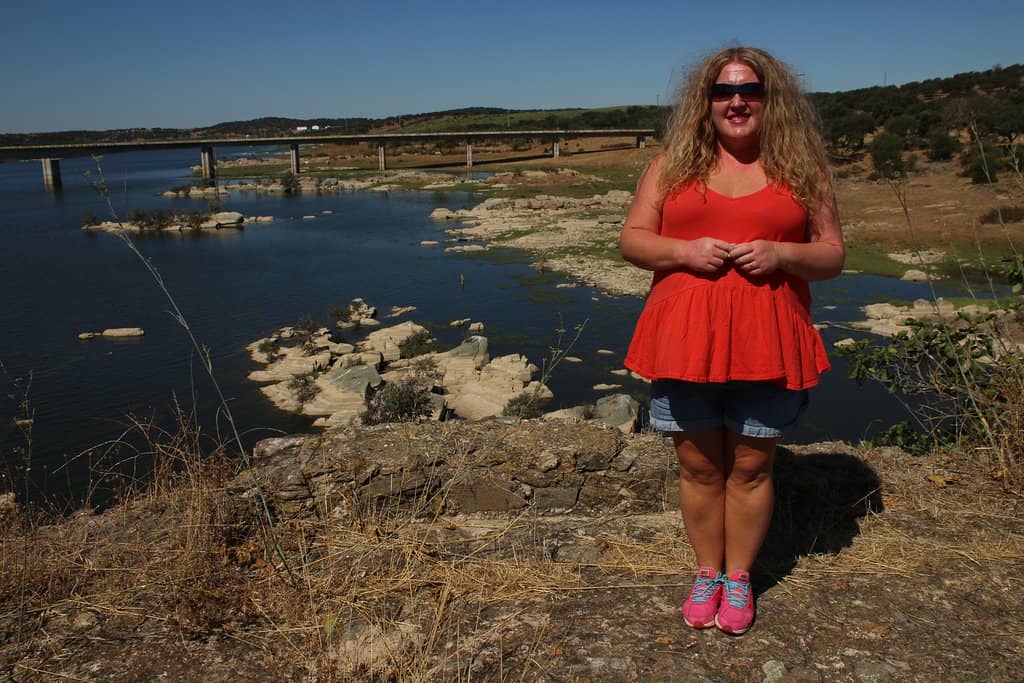
Scenic River Views
From the bridge
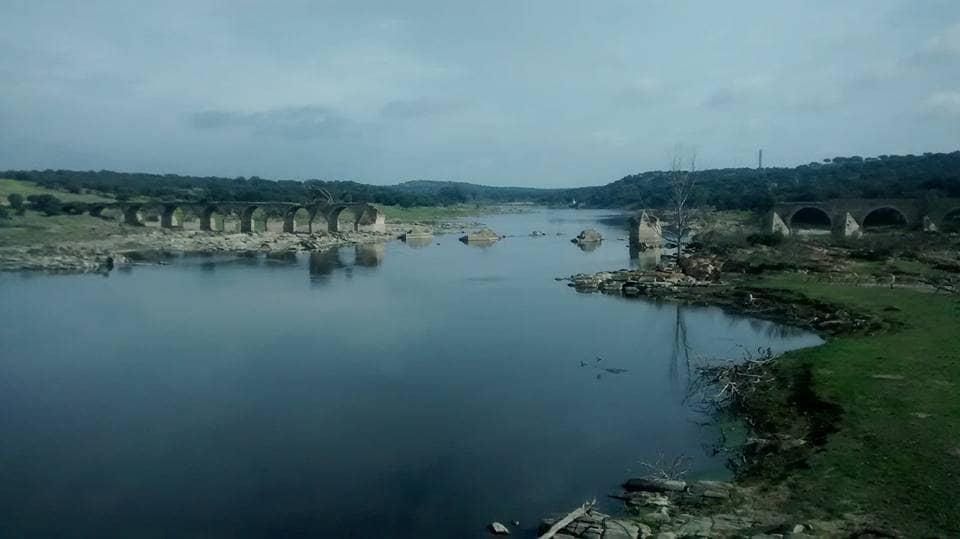
Enjoy picturesque views of the surrounding landscape and the river flowing beneath the historic structure.
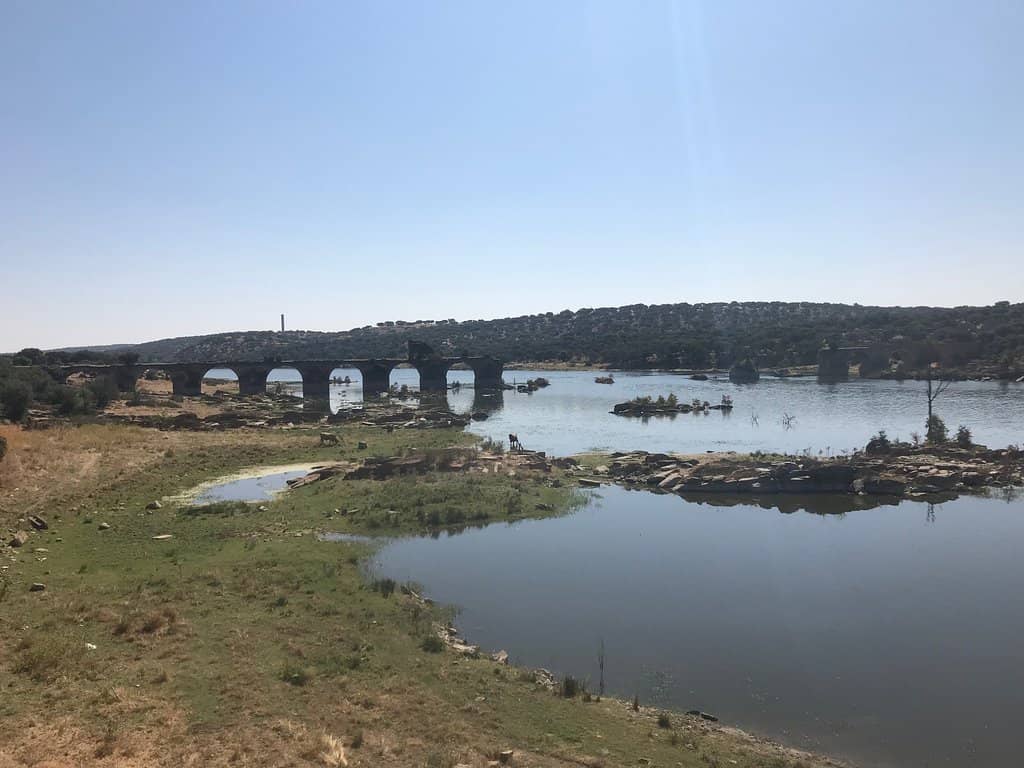
Photographic Opportunity
The entire site
An excellent location for photographers seeking unique historical and natural scenery.
Plans like a pro.
Thinks like you
Planning Your Visit
Accessing the Bridge
Historical Significance
Best Times
Insider Tips
from TikTok, Instagram & Reddit
Choose the Portuguese Side
Park at the chapel and walk down; it's generally cleaner than the Spanish side. :athletic_shoe:
Respect the Ruins
The bridge is a historical monument; tread carefully and appreciate its delicate state. :camerawithflash:
Fishing Potential
Some visitors note that fishing can be good in the river below the bridge. :fishing_pole:
Difficult Access
Getting here can be tricky if you're not familiar with the local roads. :road:
Tips
from all over the internet
Choose the Portuguese Side
Park at the chapel and walk down; it's generally cleaner than the Spanish side. :athletic_shoe:
Respect the Ruins
The bridge is a historical monument; tread carefully and appreciate its delicate state. :camerawithflash:
Fishing Potential
Some visitors note that fishing can be good in the river below the bridge. :fishing_pole:
Difficult Access
Getting here can be tricky if you're not familiar with the local roads. :road:
What Travellers Say
Reviews Summary
Visitors find the Ajuda Bridge a historically significant and visually striking ruin, particularly appreciated by photographers. While the Portuguese side offers a cleaner access point, the bridge's state of decay and the contrasting modern repairs on the Spanish side are noted. Some find the access challenging, but the unique historical narrative makes it a worthwhile visit for many.
"You can visit the bridge from either side, on the Portuguese side park at the chapel and walk down the hill.On the Spanish side the single track road leads you practically to the bridge, here there is a turning circle. However, when I visited, this area was very dirty, beer bottles, cans, plastic water bottles, toilet paper(used).I do not know how often it is cleaned, there are no rubbish bins or facilities, probably best to visit from the Portuguese side."
Chester Draws
"The old stone bridge was blown up during the war between Spain and Portugal. Lovely sight and I read the fishing is good. Well worth to see"
Martin J
"A rare remnant of the infrequent conflicts between Portugal and Spain. Architecturally, the bridge is beautiful although slowly collapsing to time. The western side is reclaimed by nature yet the eastern side has had relatively recent work done so it's just flat cement. A beautiful location if but a little bit difficult to get to if you're not local."
Edu A.
What People Like
What People Dislike
Frequently Asked Questions
🚇 🗺️ Getting There
You can access the Ajuda Bridge from both the Portuguese and Spanish sides. On the Portuguese side, park near the chapel and walk downhill. The Spanish side has a turning circle but is often noted for being very dirty.
Yes, parking is available on the Portuguese side near a chapel. The Spanish side also has a turning circle, but its cleanliness is questionable.
The bridge can be a bit difficult to get to if you are not local, as the access roads might not be immediately obvious.
🎫 🎫 Tickets & Entry
No, the Ajuda Bridge is an open historical site and does not require an entrance ticket.
As an outdoor historical ruin, the Ajuda Bridge is accessible at any time. However, visiting during daylight hours is recommended for safety and better viewing.
📸 📸 Photography
Absolutely! The Ajuda Bridge is considered an excellent place to visit and photograph, offering unique historical and scenic shots.
Visiting during daylight hours will provide the best natural light for photography. Golden hour (early morning or late afternoon) can offer particularly beautiful lighting.
🎫 📜 History & Significance
The Ajuda Bridge was built by D. Manuel I to support Olivença's strategic position against Spain. It was destroyed during the Spanish Succession War and now stands as a moving ruin, symbolizing a lost link between Portugal and Olivença.
The bridge was destroyed during the Spanish Succession War because Portugal did not support the Bourbons and had invaded Spain.
The bridge is a ruin, with the western side being reclaimed by nature. The eastern side has seen recent cement work, creating a contrast with the older, collapsing sections.
Social
from TikTok, Instagram & Reddit