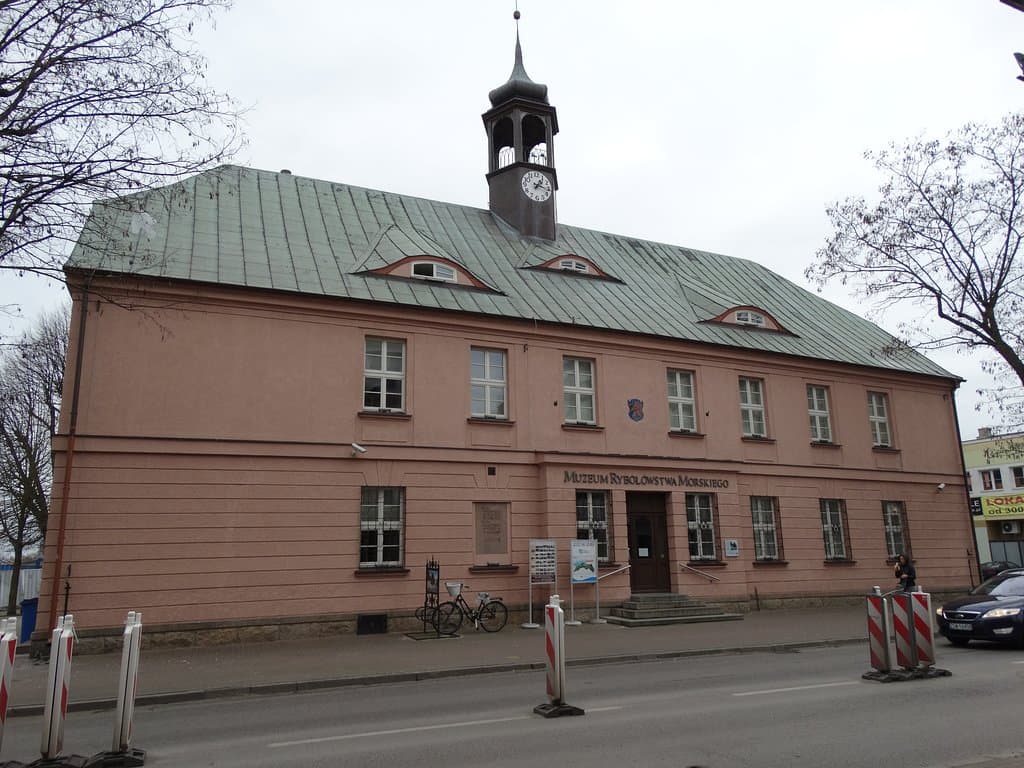
Sea Fisheries Museum
Discover maritime history and vibrant marine life at this charming, affordable museum. Engage with friendly guides and explore fascinating exhibits.
Highlights
Must-see attractions

Social
From TikTok & Reddit
Best Time
Fewer crowds, more relaxed viewing
Sea Fisheries Museum
Best Time
Fewer crowds, more relaxed viewing
Highlights
Must-see attractions
Discover maritime history and vibrant marine life at this charming, affordable museum. Engage with friendly guides and explore fascinating exhibits.
"A nice little museum with a lot of different models of sea creatures and a good history recap for the area."
Engage with the Guide! :speaking_head:
The museum guides are incredibly kind and knowledgeable. Their stories truly enhance the experience!
Allocate 30-40 Minutes :stopwatch:
The museum is compact. You can comfortably explore all exhibits within this timeframe.
Highlights
Discover the most iconic attractions and experiences
Aquatic Life Displays
Aquarium sections
Vibrant tanks showcasing diverse marine species, from colorful fish to ancient sea creatures.
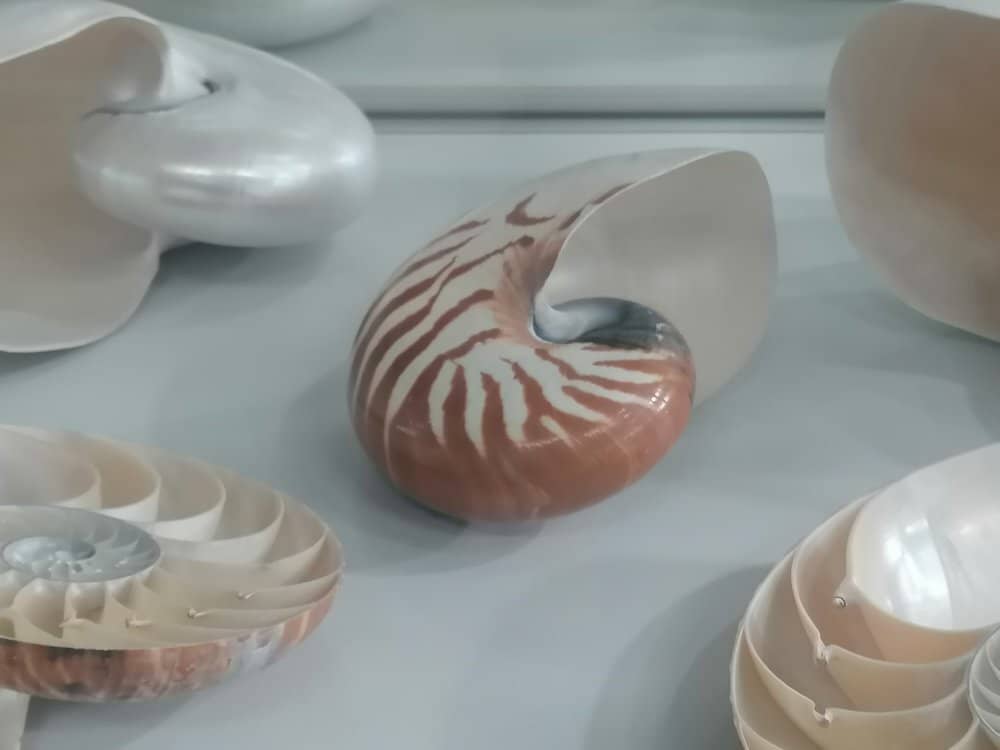
Maritime History Exhibits
Main exhibition halls
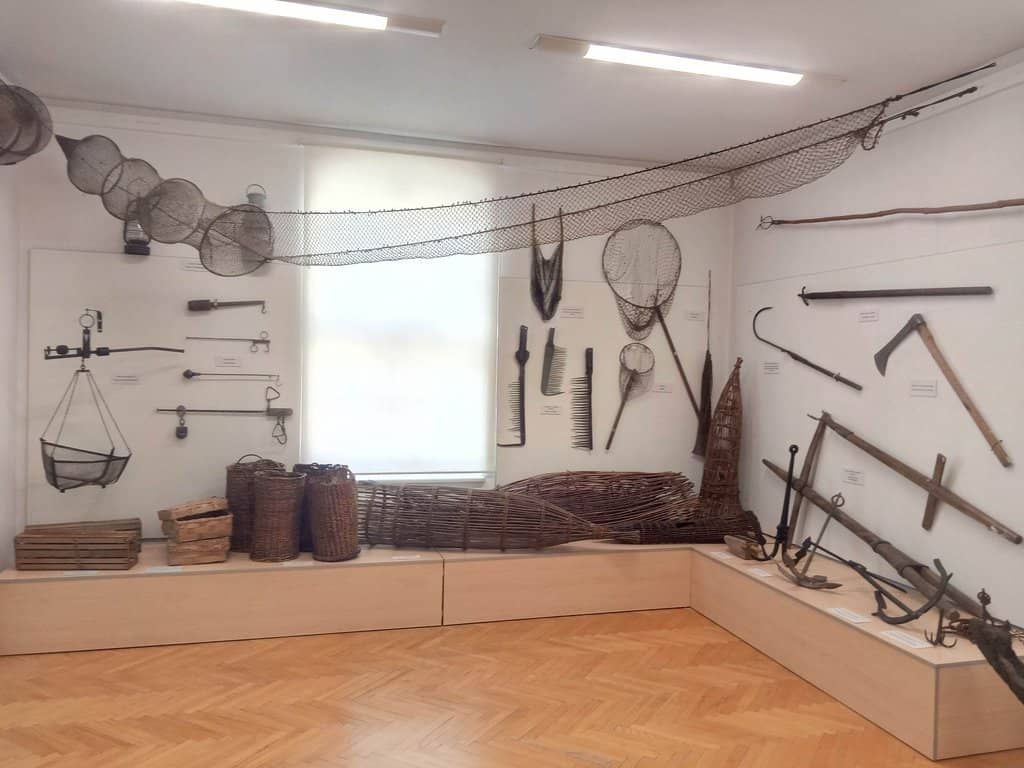
Models of sea creatures, fishing tools, and historical accounts of the region's connection to the sea.
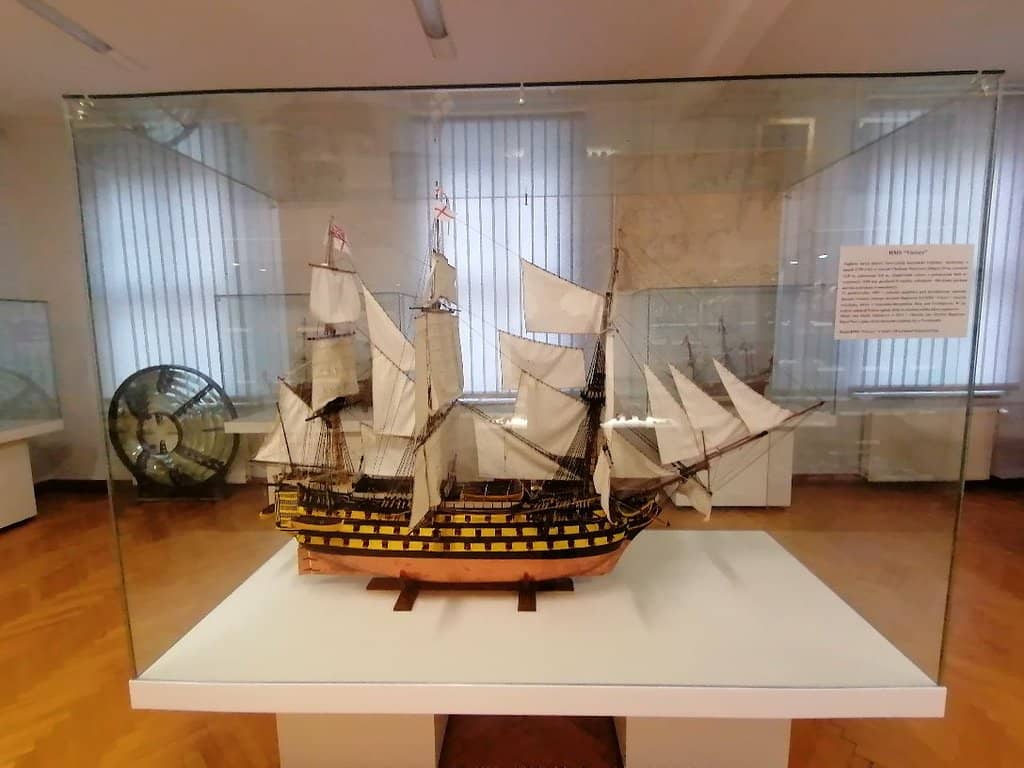
Skeletal Remains
Skeletal display area
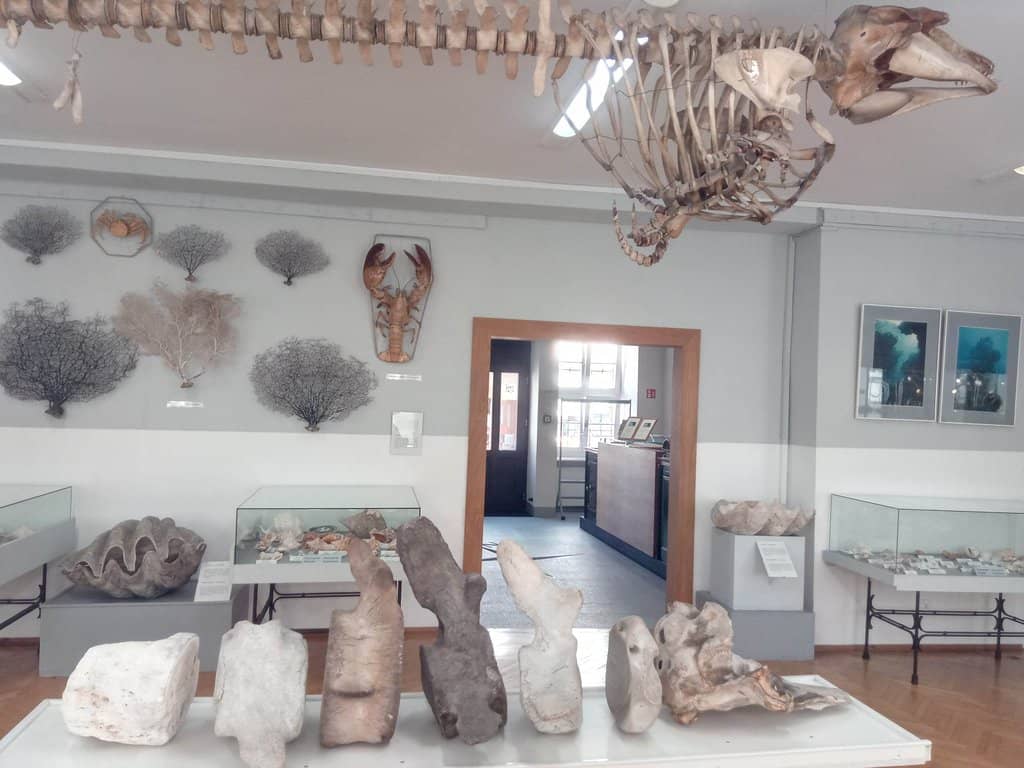
Impressive skeletons of large ancient fish and marine animals, offering a glimpse into prehistoric seas.
Plans like a pro.
Thinks like you
Planning Your Visit
Timing is Key for a Deeper Dive
Embrace the Local Charm
Best Times
Insider Tips
from TikTok, Instagram & Reddit
Engage with the Guide! :speaking_head:
The museum guides are incredibly kind and knowledgeable. Their stories truly enhance the experience!
Allocate 30-40 Minutes :stopwatch:
The museum is compact. You can comfortably explore all exhibits within this timeframe.
Check Exhibit Descriptions :memo:
Many exhibits have Polish/German descriptions. Look for opportunities to understand the context.
Aquarium Space Concerns :fish_cake:
Some visitors note that larger fish tanks could be more spacious for the inhabitants. +1
Tips
from all over the internet
Engage with the Guide! :speaking_head:
The museum guides are incredibly kind and knowledgeable. Their stories truly enhance the experience!
Allocate 30-40 Minutes :stopwatch:
The museum is compact. You can comfortably explore all exhibits within this timeframe.
Check Exhibit Descriptions :memo:
Many exhibits have Polish/German descriptions. Look for opportunities to understand the context.
Aquarium Space Concerns :fish_cake:
Some visitors note that larger fish tanks could be more spacious for the inhabitants. +1
What Travellers Say
Reviews Summary
Visitors generally find the Sea Fisheries Museum to be a charming and informative small attraction, particularly praised for its friendly and knowledgeable guides who bring exhibits to life. While the museum offers a good overview of maritime history and features interesting displays of marine life and artifacts, some guests note that the aquarium tanks for larger fish could be more spacious.
"This place is good they have different alive fishes in the aquarium and they are in different colors and shape.
Moreover they also have skeletons from different fishes and bones from large ancient fishes.
But the place is small not to big, you can spend maximum 30-40 min there.
It cost 12€ for 2."
Nahian Chowdhury
"If you visit Świnoujście ,you should visit this museum because you can enjoy with fish museum and inside also have story about boat etc. The uncle guide for this museum also kindness, him is explaining all story ,how's going on story here. 😊"
Irene Mpm
"Nice little museum with a lot of different models of sea creatures and a good history recap for the area. Museum is located in former town hall.
Only minor point is the big fish in the small tank in ground floor. Looks not happy and deserves a much bigger tank for his size and maybe a friend."
Steve Michel
What People Like
What People Dislike
Frequently Asked Questions
🚇 🗺️ Getting There
The Sea Fisheries Museum is often located in a central area, sometimes in a former town hall. Specific public transport options will depend on the exact location, but it's generally accessible within the town. Check local transit maps for the most direct routes.
Parking availability can vary. If the museum is in a town center, street parking or nearby public lots are common options. It's advisable to check local parking regulations beforehand.
If you are staying in the immediate vicinity, walking is often a pleasant way to reach the museum, especially if it's centrally located.
🎫 🎫 Tickets & Entry
Admission fees are generally affordable. For example, one review mentioned a cost of 12€ for two people. It's always best to check the official website or call ahead for the most current pricing.
Opening hours can vary, but the museum is often open during typical daytime hours. Weekday mornings and late afternoons are recommended for a less crowded experience.
For smaller museums like this, advance booking is usually not required. However, during peak tourist seasons, it might be a good idea to confirm if any special arrangements are in place.
Discounts may be available for students, seniors, or families. Inquire at the ticket counter or check the museum's official information channels for details.
🎫 🧭 Onsite Experience
Expect a variety of exhibits including models of sea creatures, fishing tools, boat stories, and historical accounts of the region's maritime heritage. You'll also find aquariums with live fish and impressive skeletal remains of marine animals.
Most visitors find that 30-40 minutes is sufficient to explore the entire museum. This allows for a thorough look at the displays without feeling rushed.
Yes, children often enjoy the live fish in the aquariums and the models of marine life. The interactive elements and visual displays can be engaging for younger visitors.
Some exhibits may have descriptions in multiple languages, including Polish and German. While English translations might not be available for all displays, the visual nature of the exhibits and the helpfulness of the staff can bridge any language gaps.
The museum is described as a 'nice little museum' with a friendly and helpful staff. It offers an intimate and informative experience, focusing on the local connection to the sea.
🍽️ 🍽️ Food & Dining
Typically, smaller museums like the Sea Fisheries Museum do not have on-site dining facilities. However, there are usually cafes or restaurants located nearby in the town center.
Depending on the location, you can expect to find local eateries offering regional specialties, as well as more standard cafe fare.
📸 📸 Photography
Photography policies can vary. Generally, non-flash photography is permitted for personal use in most museums. It's best to check for any posted signs or ask staff upon arrival.
The colorful live fish in the aquariums and the detailed models of sea creatures and boats make for great photo opportunities.
Flash photography is often prohibited to protect the exhibits and the live animals in the aquariums.
For Different Travelers
Tailored advice for your travel style
👨👩👧 Families with Kids

Budget Travelers :moneybag:
Deep Dives
In-depth insights and expert knowledge
The Heart of Maritime Heritage
Beyond the tools of the trade, the museum delves into the broader maritime history that has shaped coastal communities. This includes narratives about the sea's influence on daily life, trade, and even local folklore. The inclusion of skeletal remains of large ancient fishes adds a prehistoric dimension, reminding visitors of the vast and ancient history of marine life.
While the museum is praised for its content, some reviews note that the aquariums, particularly for larger fish, could be more spacious.
Exploring Aquatic Life
These living exhibits are not just for show; they serve an educational purpose, allowing visitors to see firsthand the species that are central to the region's fishing heritage. The variety of shapes and colors ensures there's something to capture the attention of all ages.
It's worth noting that the well-being of the aquatic inhabitants is a point of discussion among visitors.

Social
from TikTok, Instagram & Reddit