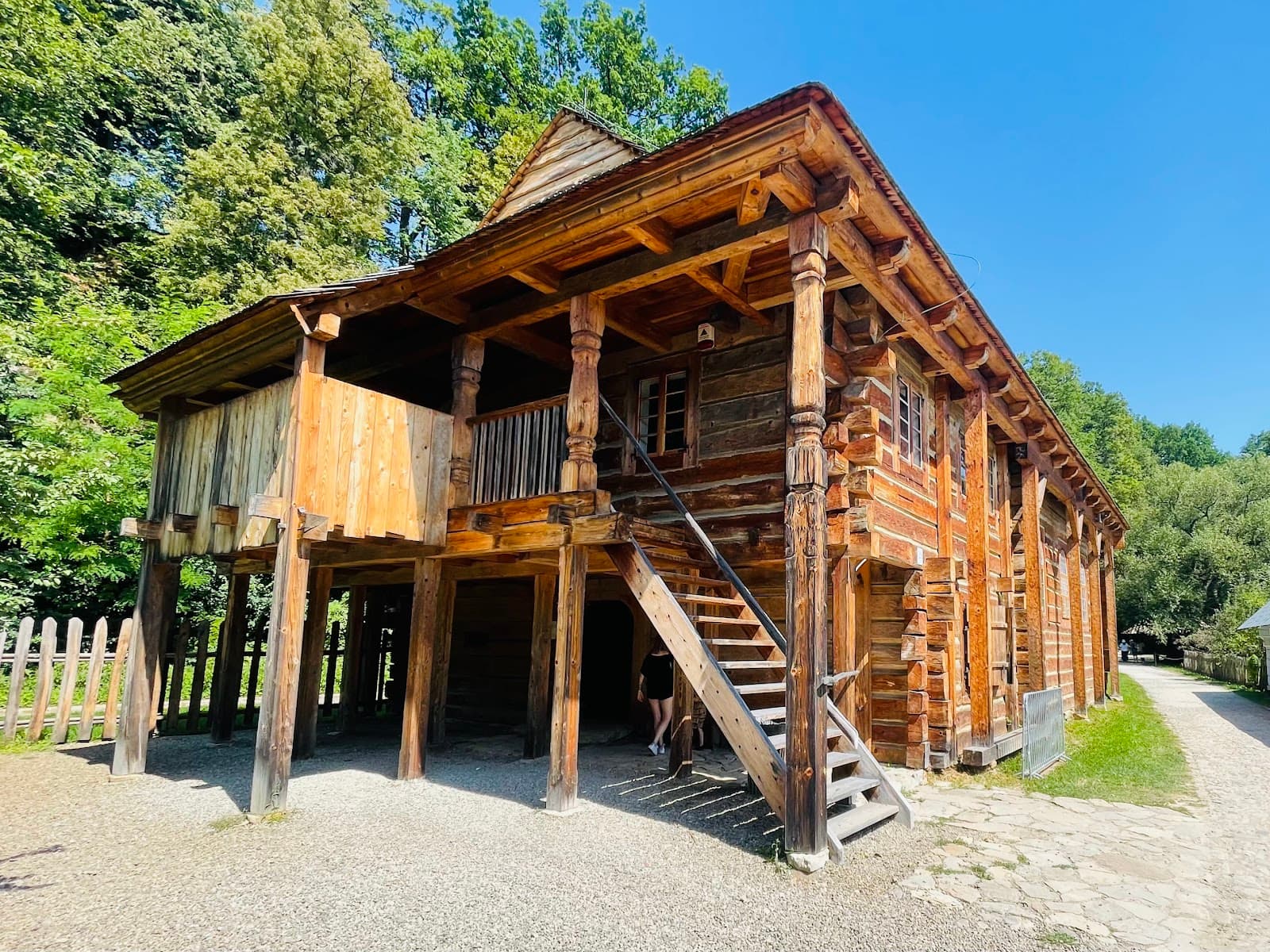
Sanok Synagogue
A meticulous 18th-century wooden synagogue reconstruction, showcasing lost Jewish heritage and masterful carpentry.
Highlights
Must-see attractions

Social
From TikTok & Reddit
Best Time
Ensure staff are present
Sanok Synagogue
Best Time
Ensure staff are present
Highlights
Must-see attractions
A meticulous 18th-century wooden synagogue reconstruction, showcasing lost Jewish heritage and masterful carpentry.
"A masterpiece of carpentry and preservation, this synagogue is a vital symbol of Poland's lost Jewish heritage."
Check Opening Hours First
The synagogue can be closed for restoration or events. Always verify hours before your visit to avoid disappointment. :calendar:
Engage with Staff
Museum staff are passionate and knowledgeable. Don't hesitate to ask questions about the history and construction. :speech_balloon:

Highlights
Discover the most iconic attractions and experiences
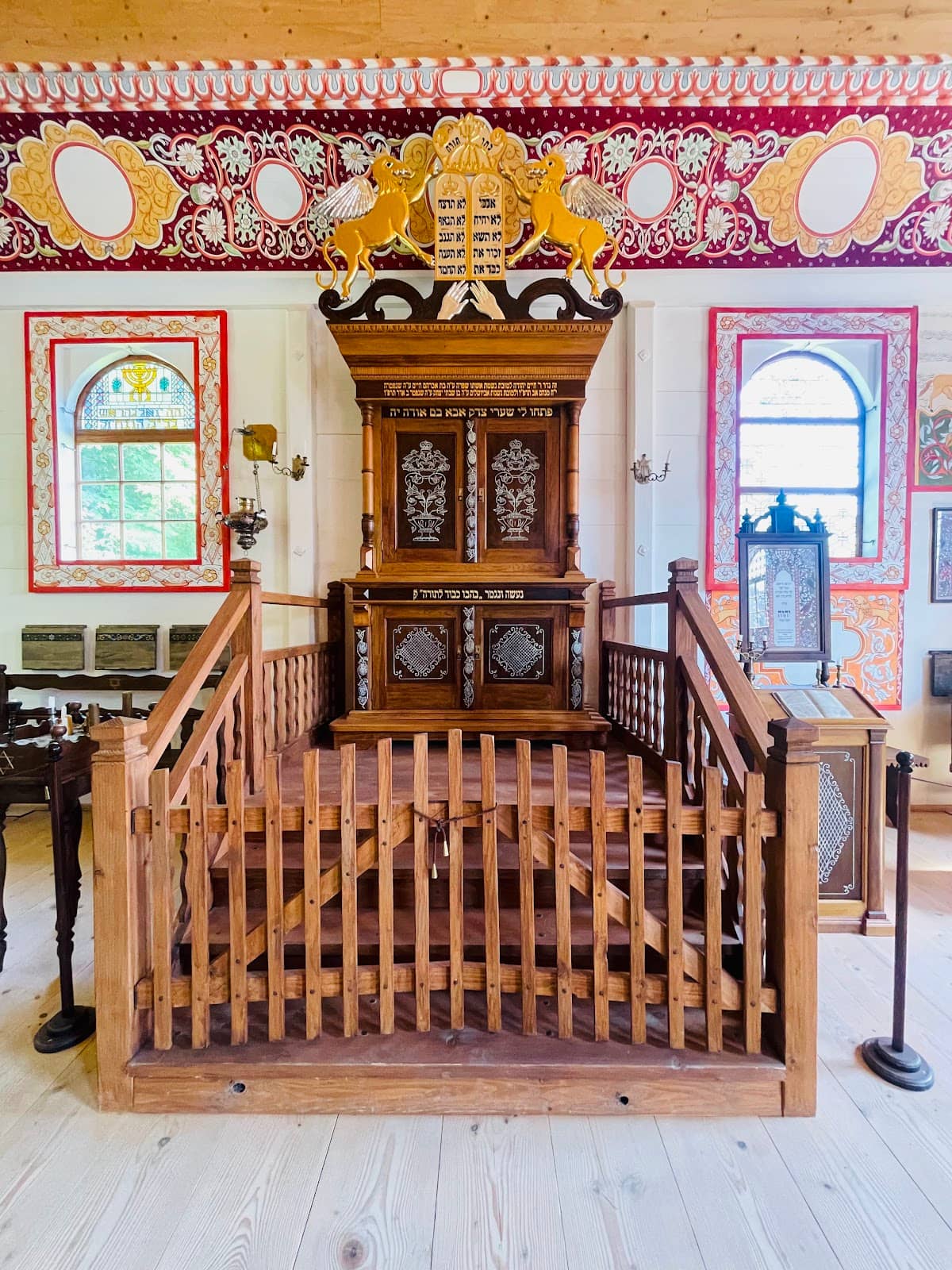
Recreated 18th-Century Interior
Ground floor
Step back in time inside this meticulously recreated wooden synagogue, a masterpiece of carpentry and historical preservation.
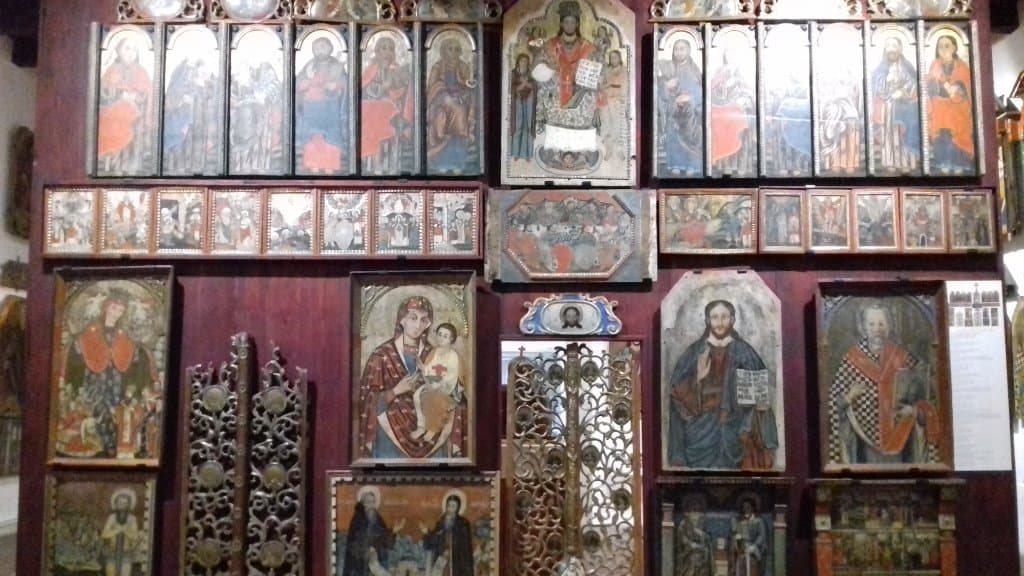
Valuable Judaica Collection
First floor exhibition
Explore a fascinating exhibition of Jewish religious artifacts and historical items, offering deep insights into the community's heritage.
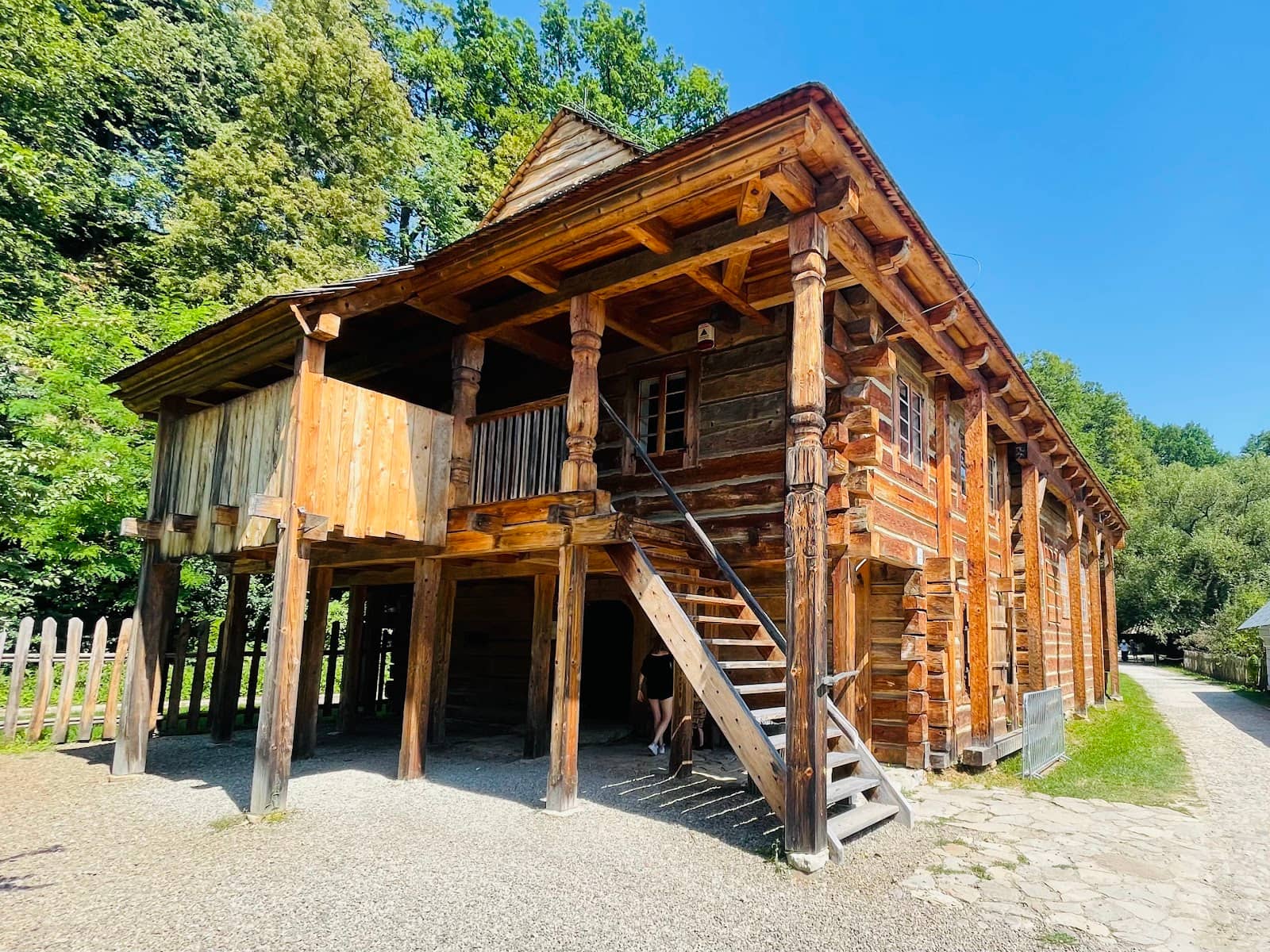
Traditional Carpentry Craftsmanship
Marvel at the seven-year construction process, featuring hand-shaved beams and traditional techniques, showcasing unparalleled woodworking skill.
Plans like a pro.
Thinks like you
Planning Your Visit
Plan Your Visit: Timing is Key
Understanding the Reconstruction
Best Times
Insider Tips
from TikTok, Instagram & Reddit
Check Opening Hours First
The synagogue can be closed for restoration or events. Always verify hours before your visit to avoid disappointment. :calendar:
Engage with Staff
Museum staff are passionate and knowledgeable. Don't hesitate to ask questions about the history and construction. :speech_balloon:
Appreciate the Craftsmanship
Take time to admire the intricate details of the wooden construction, a result of seven years of traditional work. :hammerandwrench:
Explore the Judaica
The first floor houses a valuable collection of Judaica. It's a significant part of the experience, offering historical context. :scroll:
Tips
from all over the internet
Check Opening Hours First
The synagogue can be closed for restoration or events. Always verify hours before your visit to avoid disappointment. :calendar:
Engage with Staff
Museum staff are passionate and knowledgeable. Don't hesitate to ask questions about the history and construction. :speech_balloon:
Appreciate the Craftsmanship
Take time to admire the intricate details of the wooden construction, a result of seven years of traditional work. :hammerandwrench:
Explore the Judaica
The first floor houses a valuable collection of Judaica. It's a significant part of the experience, offering historical context. :scroll:
Buy the Book!
Consider purchasing the book about this masterpiece at the checkout for a deeper understanding of its significance. :books:
What Travellers Say
Reviews Summary
Visitors consistently praise the Sanok Synagogue as a beautiful and significant reconstruction, highlighting the incredible craftsmanship and the valuable Judaica exhibition. The passionate staff are often mentioned for their helpfulness. Some visitors note that it's a reconstruction rather than an original building, and it can be closed for restoration.
"Beautiful. It will be closed for a few months. More polychromes will be restored.
The staff are passionate and happy to answer questions.
A replica of the wooden synagogue from Połaniec. It was reconstructed within the Galician Market Square, in compliance with historical regulations governing the location of synagogues in towns. The synagogue is a unique object among Polish open-air museums, and its reconstruction was based on extensive documentation of the destroyed synagogue in Połaniec.
Created over seven years using traditional techniques. Even the beams were shaved by hand. It was completed in 2021. It is the only object of its kind in Polish open-air museums."
Katarzyna Górska
"The synagogue is a faithful reconstruction from the 18th century, captivating in its detail and restored polychromes. It is the most important symbol of Poland's lost Jewish heritage. A masterpiece of carpentry and preservation."
Rafał Łada
"A beautiful wooden religious building with a valuable collection of Judaica. It's worth noting that it is staffed by museum staff, making it accessible to those wandering through the Sanok Folk Architecture Museum without a guide."
Piotr Kutiak
What People Like
What People Dislike
Frequently Asked Questions
🚇 🗺️ Getting There
The Sanok Synagogue is located within the Galician Market Square area of the Sanok Folk Architecture Museum. You can reach it by following signs within the museum grounds. If driving, look for parking near the museum entrance.
No, the Sanok Synagogue is a separate reconstruction located within the Sanok Folk Architecture Museum (Skansen), situated behind the Galician Market Square, not at Sanok Castle.
🎫 🎫 Tickets & Entry
Typically, access to the Sanok Synagogue is included with your admission ticket to the Sanok Folk Architecture Museum. It's best to confirm this when purchasing your ticket.
The synagogue's opening hours usually align with the Sanok Folk Architecture Museum's hours. However, it may be closed for restoration or special events, so checking the official museum website or calling ahead is recommended.
If the synagogue is closed for restoration, you may not be able to enter the interior. However, you can often still view its exterior and appreciate the architectural details from the outside.
🎫 🏛️ Onsite Experience
The Sanok Synagogue is a faithful, seven-year reconstruction of the 18th-century wooden synagogue from Połaniec, destroyed in WWII. It's a vital symbol of Poland's lost Jewish heritage and a masterpiece of traditional carpentry.
Inside, you'll find a recreated 18th-century synagogue interior on the ground floor. The first floor features an interesting exhibition of Judaica, including religious artifacts and historical items.
No, it is a meticulous reconstruction completed in 2021. It was built using traditional techniques over seven years to replicate the destroyed synagogue from Połaniec.
While not always explicitly advertised, the synagogue is staffed by museum personnel who are often happy to answer questions and provide insights into its history and construction.
Photography policies can vary. It's advisable to check for signage or ask the staff on-site regarding permission for taking photos, especially of the Judaica exhibition.
🎫 📚 History & Significance
The original wooden synagogue in Połaniec, from which the Sanok Synagogue is a reconstruction, was destroyed by the Germans in 1943 during World War II.
Wooden synagogues, particularly those from the 18th century in the former Habsburg and Russian empires, have largely not survived due to natural decay, fires, and wartime destruction. This makes reconstructions like the Sanok Synagogue exceptionally valuable.
The term 'shtetl' refers to a small Jewish town or village. The Sanok Synagogue is described as being 'straight from the shtetl,' emphasizing its authentic representation of Jewish life in such communities.
For Different Travelers
Tailored advice for your travel style
👨👩👧 Families with Kids
It's recommended to visit during less crowded times to allow children to absorb the atmosphere without feeling overwhelmed. Engaging the museum staff with questions can also make the visit more interactive for younger visitors. Consider purchasing the book about the synagogue to read together later, reinforcing the learning experience.
🏛️ History Enthusiasts
Delving into the Judaica exhibition provides further context on Jewish life and religious practices in the region. Understanding the historical backdrop, including the destruction of original wooden synagogues during WWII, adds profound depth to the appreciation of this reconstruction. The staff's passion and knowledge are invaluable resources for those seeking in-depth information.
Deep Dives
In-depth insights and expert knowledge
The Art of Reconstruction: A Masterpiece of Carpentry
The decision to reconstruct the synagogue was driven by the desire to honor and preserve the memory of Poland's rich, yet tragically diminished, Jewish heritage. Wooden synagogues were once a prominent feature of the landscape in Eastern Europe, but few have survived the ravages of time and conflict. The Sanok Synagogue, a faithful replica of the 18th-century structure from Połaniec, serves as a poignant reminder of this lost architectural and cultural legacy. Its presence in the Sanok Folk Architecture Museum offers visitors a tangible connection to the past, allowing them to experience the atmosphere and design of these unique religious buildings.
Visitors are encouraged to take their time exploring the interior, appreciating the intricate joinery and the overall design that reflects the spiritual and communal life of the Jewish population in historical Poland. The attention to detail extends to the restored polychromes, adding another layer of visual richness to the experience. It’s a place that invites contemplation on history, art, and the enduring power of cultural memory.
Exploring the Judaica Exhibition
The exhibition is curated to educate and engage, showcasing the richness and diversity of Jewish traditions. It’s an essential part of understanding the historical significance of the synagogue and the broader Jewish presence in Poland. The items on display are not just historical relics but are imbued with stories and cultural meaning, offering a glimpse into the spiritual and social fabric of the past.
Interacting with the knowledgeable museum staff can greatly enhance the experience of the Judaica exhibition. They can provide additional insights and answer questions, helping visitors to better appreciate the historical and cultural importance of each piece. This part of the visit is crucial for a comprehensive understanding of the site's heritage.



Social
from TikTok, Instagram & Reddit