Bacarra Church and Bell Tower
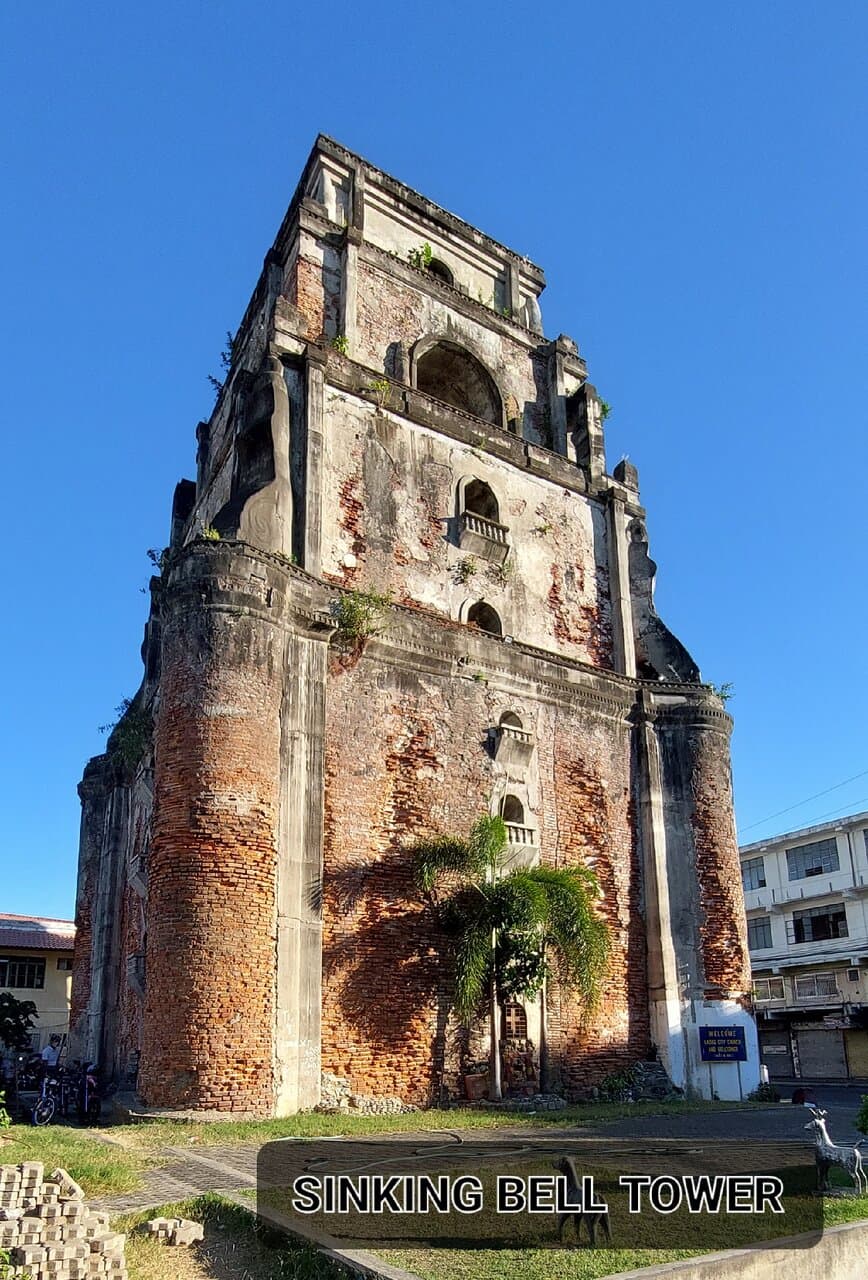
A historic Spanish-era bell tower famously sinking and leaning in Laoag City, a unique architectural marvel.
Highlights
Must-see attractions

Social
From TikTok & Reddit
Best Time
Fewer crowds, soft light
Bacarra Church and Bell Tower
Best Time
Fewer crowds, soft light
Highlights
Must-see attractions
A historic Spanish-era bell tower famously sinking and leaning in Laoag City, a unique architectural marvel.
"It's absolutely fascinating to witness a structure that has literally been sinking for centuries!"
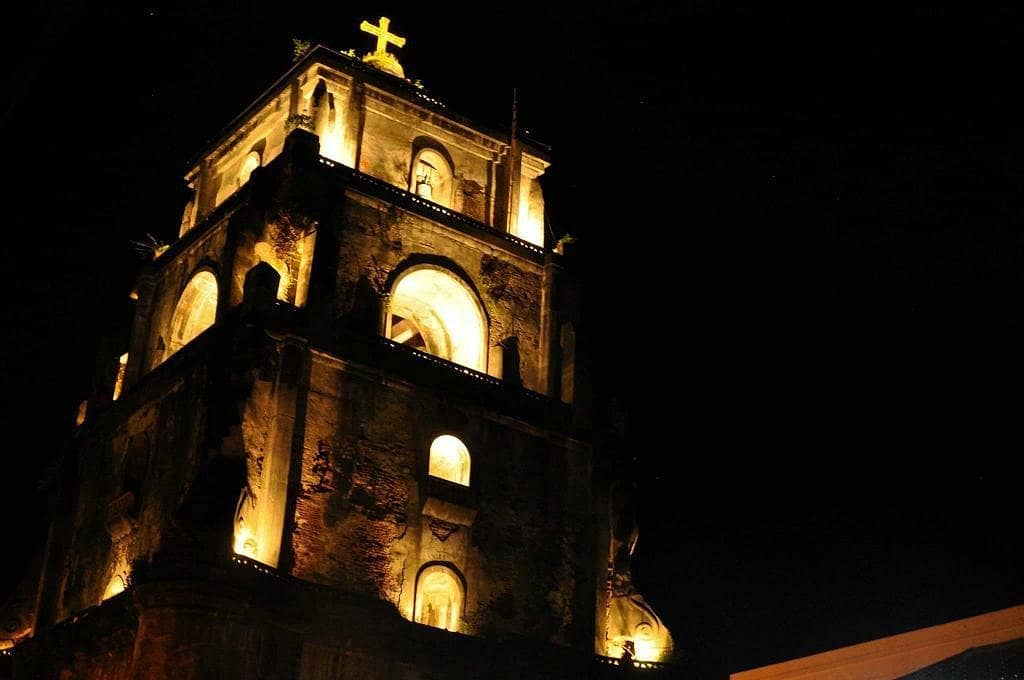
📸 Capture the Tilt
Play with angles to emphasize the tower's famous lean! Get creative with your shots.
🚶♂️ Quick Stop
It's a great spot for a brief visit and photos, often part of a larger Ilocos tour.
Highlights
Discover the most iconic attractions and experiences
The Sinking Bell Tower
Laoag City Plaza
Witness a centuries-old tower famously leaning and sinking into the ground. A true testament to history and architecture!
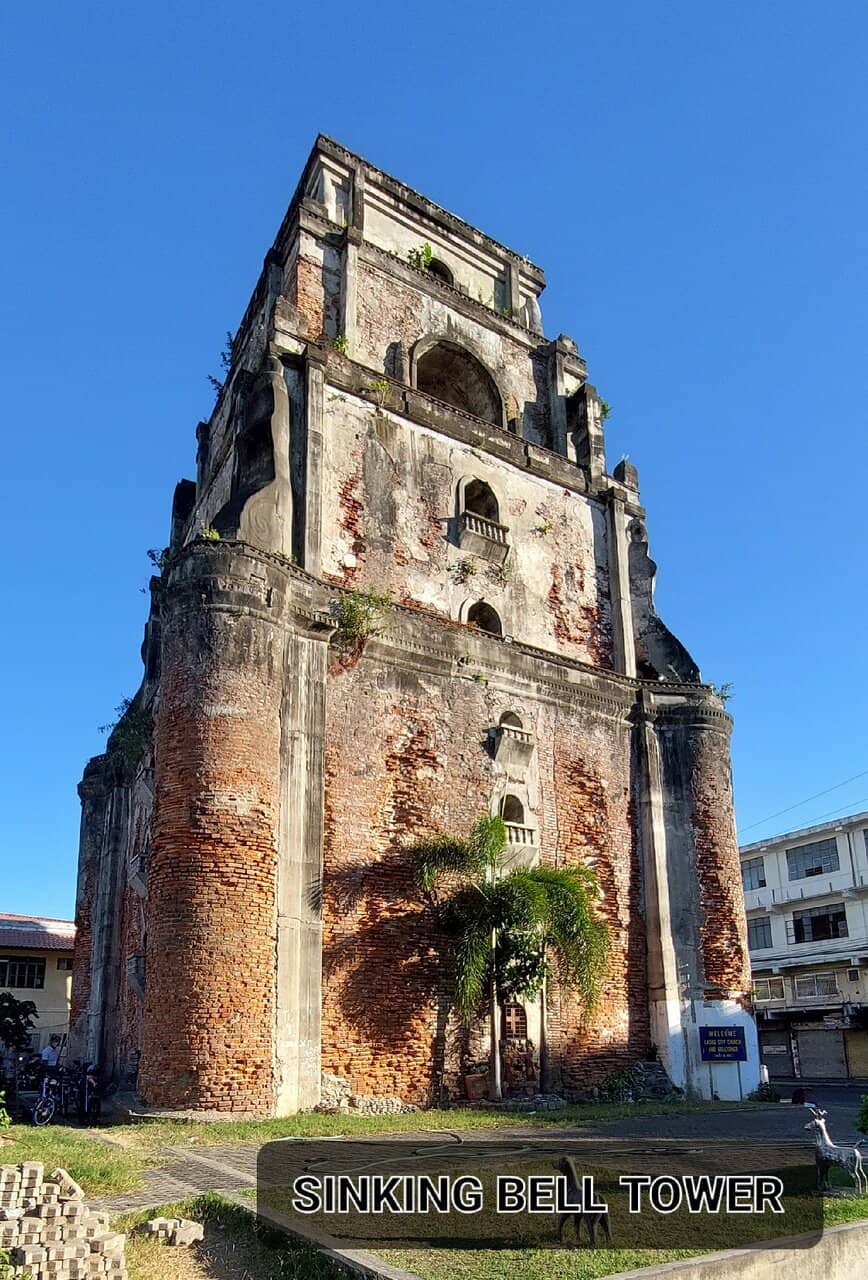
Spanish-Era Architecture
Adjacent to Laoag Church
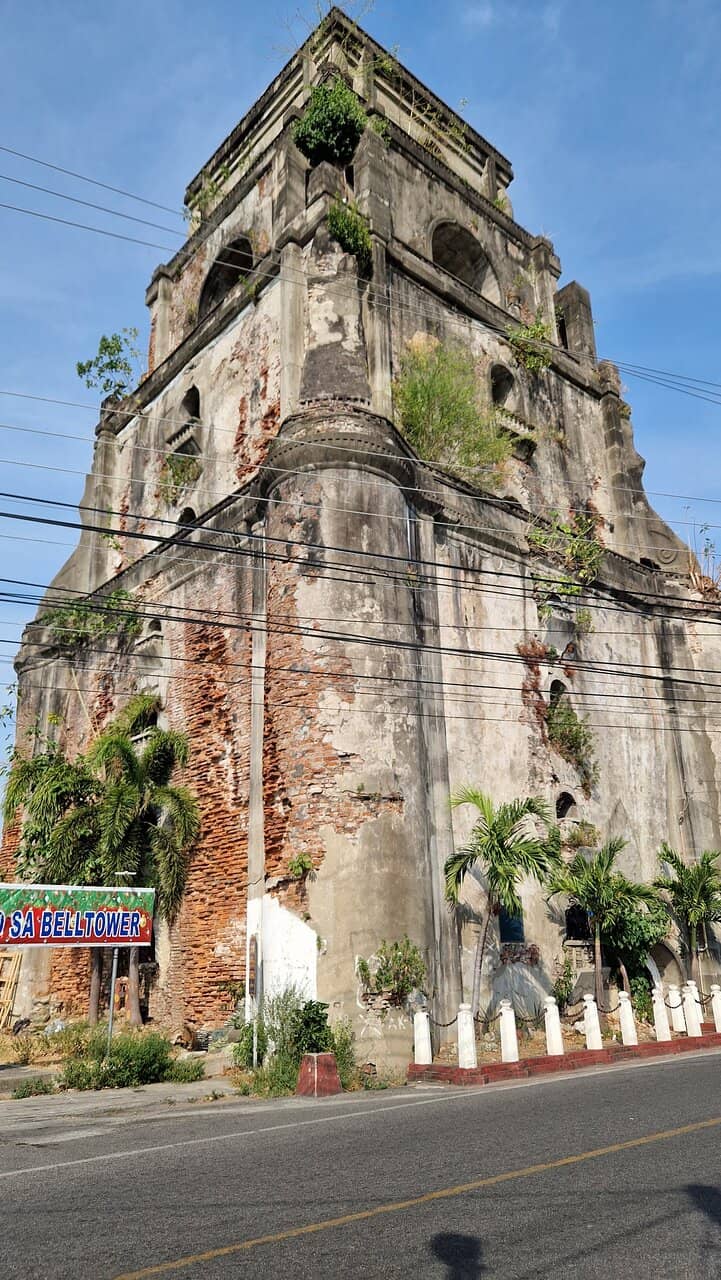
Admire the intricate brickwork and historical significance of this Augustinian-built structure.
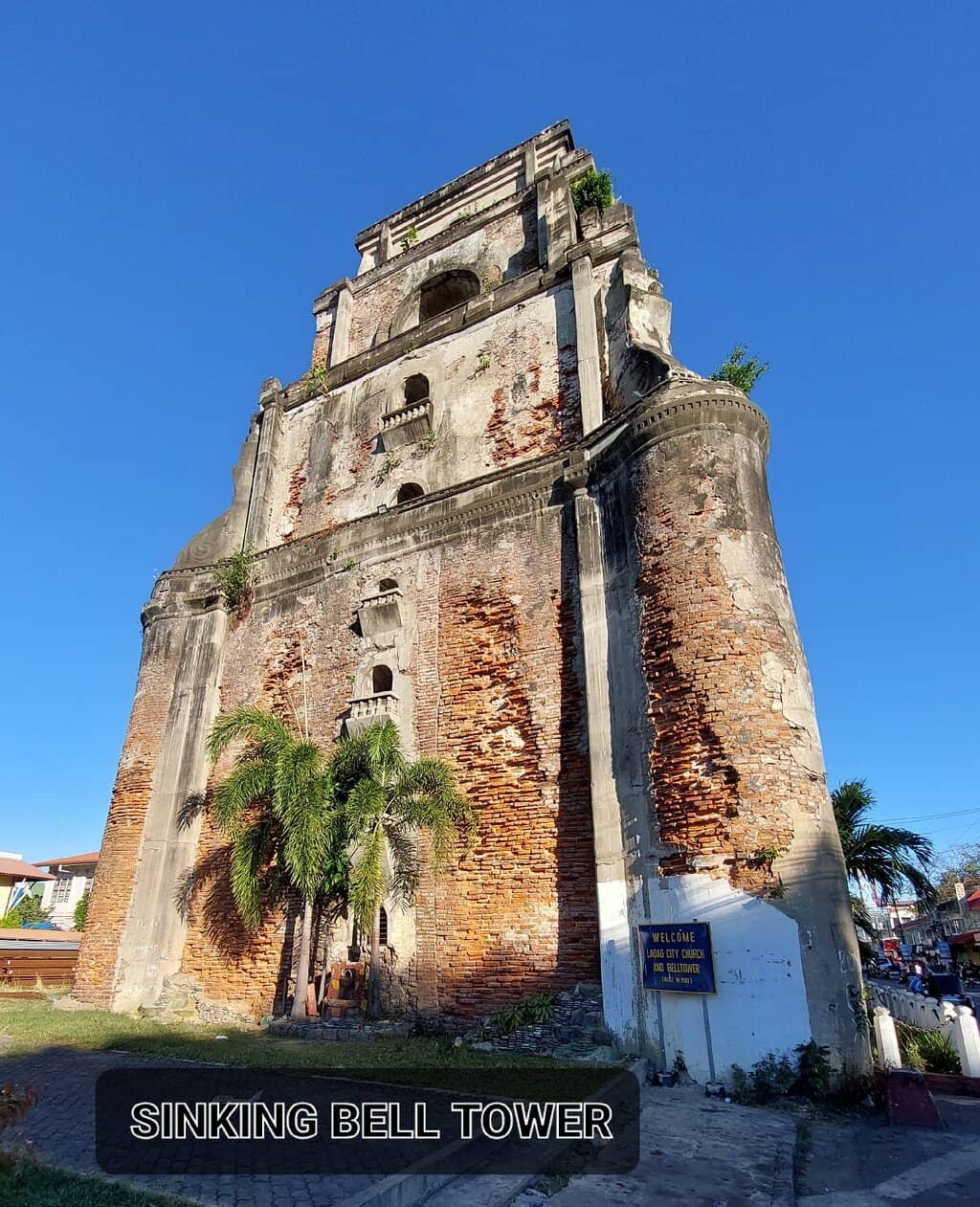
Photo Opportunities
Around the tower base
Capture unique angles of the tower's tilt and its impressive height. Perfect for memorable travel snaps!
Plans like a pro.
Thinks like you
Planning Your Visit
Embrace the Lean: Timing is Key
Respect the Heritage Site
Best Times
Insider Tips
from TikTok, Instagram & Reddit
📸 Capture the Tilt
Play with angles to emphasize the tower's famous lean! Get creative with your shots.
🚶♂️ Quick Stop
It's a great spot for a brief visit and photos, often part of a larger Ilocos tour.
📚 Learn the History
Look for historical markers or local guides to understand its fascinating past.
🚫 Avoid Peak Hours
Visit early or late to avoid crowds and enjoy a more peaceful experience.
Tips
from all over the internet
📸 Capture the Tilt
Play with angles to emphasize the tower's famous lean! Get creative with your shots.
🚶♂️ Quick Stop
It's a great spot for a brief visit and photos, often part of a larger Ilocos tour.
📚 Learn the History
Look for historical markers or local guides to understand its fascinating past.
🚫 Avoid Peak Hours
Visit early or late to avoid crowds and enjoy a more peaceful experience.
What Travellers Say
Reviews Summary
Visitors are captivated by the Sinking Bell Tower's unique lean and historical significance, calling it a must-see landmark. Its impressive architecture and the story of its gradual sinking make for a fascinating quick stop. However, some reviewers noted disappointment with the upkeep of the area, citing trash and unauthorized stalls detracting from the site's grandeur.
"The Sinking Bell Tower in Laoag City is a truly unique historical gem that captivated me during my visit! 👍😍 It's absolutely fascinating to witness a structure that has literally been sinking for centuries due to its sandy foundation. 🧐🤔 You can truly grasp how much it has leaned over time, and it's a testament to the intriguing stories and resilience of old Filipino architecture. 🧱🇵🇭 The brickwork is quite beautiful, and despite its age and pronounced lean, it stands impressively tall! 🧱👏 A must-see for history buffs and unique landmark seekers! 💯✅ Quick stop, fantastic photo ops! 📸✨ Highly recommend adding it to your Ilocos itinerary! 👍🙏 A piece of Philippine history making its mark...literally! 🕰️🇵🇭 #Philippines #Ilocos #Travel #History #Landmark #Architecture #Tower #BellTower #Vacation"
John Victor “JV” Ubana
"Was disappointed of the amount of trash left around this national treasure. A bazaar or a woodcraft store was allowed to set up shop here and they have attached ropes on the grills of the bell tower which I believe should have not been allowed in the first place. It looked like a makeshift homeless shelter than a tourist spot and we smelled pee while walking around it too.
There was a market that described the history which we appreciate. It looked grand, majestic and historical. It should be taken cared of by the local government, the national museum and the local people of Laoag."
Belle
"The Laoag Sinking Bell Tower is a fascinating piece of history and architecture right in the heart of the city. Its unique feature—sinking slowly into the ground over the centuries—makes it a must-see when visiting Laoag. The bell tower is massive and beautifully crafted, and learning about how it’s gradually sinking due to its weight on the sandy soil adds to its intrigue. It’s a great spot for a quick visit and some photos while appreciating the rich cultural heritage of Ilocos. Definitely worth a stop if you’re in the area!"
Lalyne Edera
What People Like
What People Dislike
Frequently Asked Questions
🚇 🗺️ Getting There
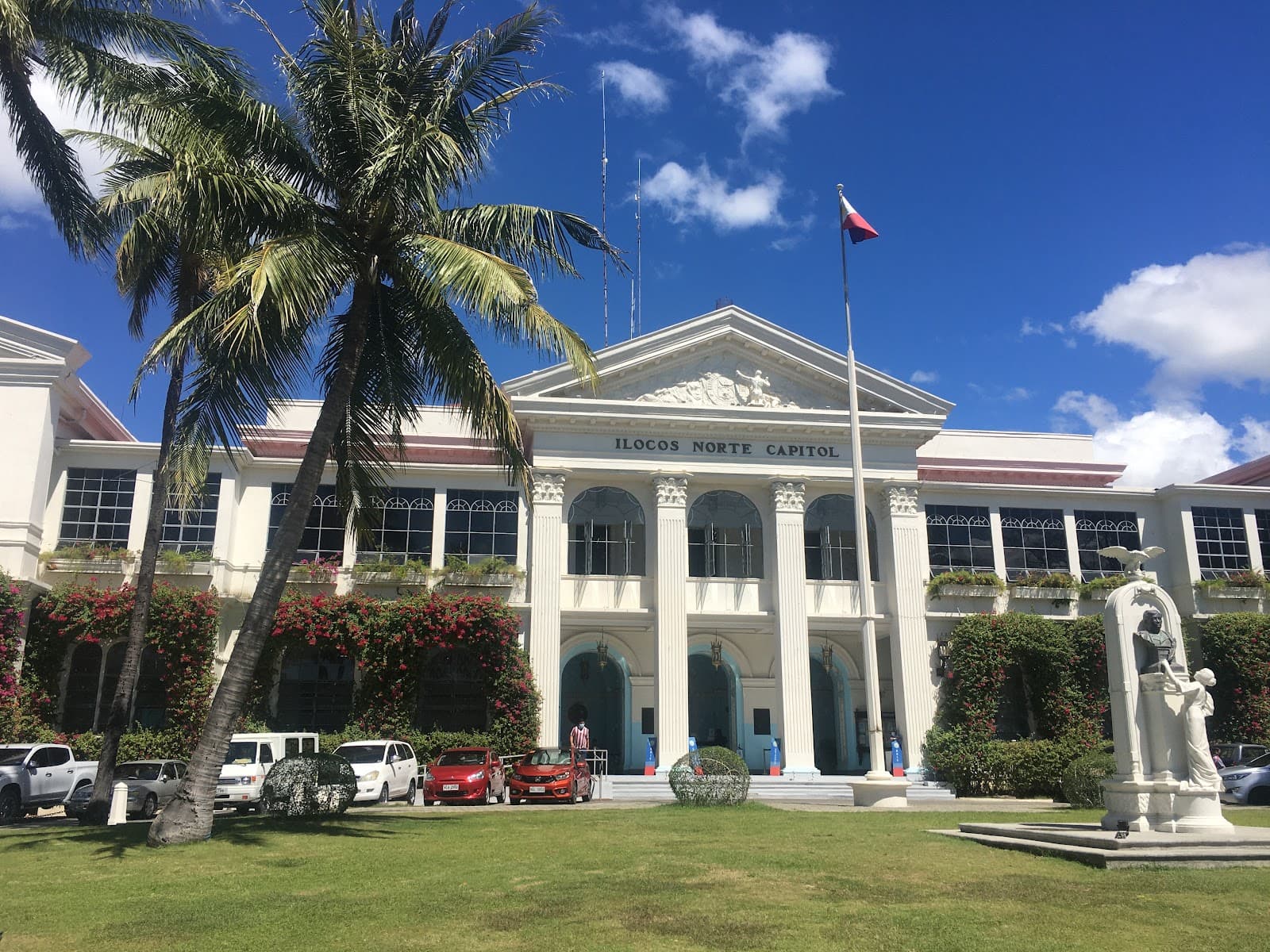
The Sinking Bell Tower is conveniently located in the heart of Laoag City, often found across from the Laoag Church and near the capitol building. If you're already in Laoag, it's easily accessible by tricycle or a short walk. For those coming from other parts of Ilocos Norte, you can take a bus or van to Laoag City terminal and then a local tricycle to the tower.
Yes, it's a prominent landmark in Laoag City and is usually well-known by local drivers. Just ask for the 'Sinking Bell Tower' or 'Bantay Bell Tower' and you should be directed there without issue.
While you can drive to the vicinity, parking directly at the tower might be limited due to its central location in the city plaza. It's often best to park a short distance away and walk.
Walking is highly recommended to fully appreciate the tower and its surroundings, including the nearby Laoag Church and city plaza. This allows you to soak in the local atmosphere.
Laoag City has a major bus terminal with routes connecting it to various cities in Luzon, making it accessible by land.
🎫 🎫 Tickets & Entry
No, viewing the Sinking Bell Tower from the outside is generally free. You can walk around its base and take photos without any admission fee.
There are no entrance fees to view the exterior of the Sinking Bell Tower. However, if there are any local markets or exhibits set up around it, those might have separate charges.
The Sinking Bell Tower is an outdoor landmark and can be viewed at any time of day. However, for the best experience and photo opportunities, visiting during daylight hours is recommended.
Typically, visitors cannot go inside the Sinking Bell Tower itself. Its primary purpose is historical and architectural appreciation from the outside.
While the tower is always accessible, some visitors appreciate learning about its history from local vendors or information boards that might be present.
📸 📸 Photography
The best photo opportunities are from the plaza in front of the tower, allowing you to capture its full lean and height. Experimenting with different angles, including from the sides, can emphasize its unique tilt. +1
Absolutely! The tower's significant lean is its most striking feature. Stand a good distance away and use a wide-angle lens if possible to exaggerate the tilt. +1
Early morning or late afternoon, during the 'golden hours,' offers the most flattering light for photography. This also helps avoid harsh midday sun and larger crowds.
Generally, there are no restrictions on taking photos of the exterior of the Sinking Bell Tower. However, always be mindful of your surroundings and respect any local customs.
Drone usage regulations can vary. It's advisable to check with local authorities or the tourism office in Laoag City before flying a drone in the area to ensure compliance.
🎫 🏛️ History & Significance
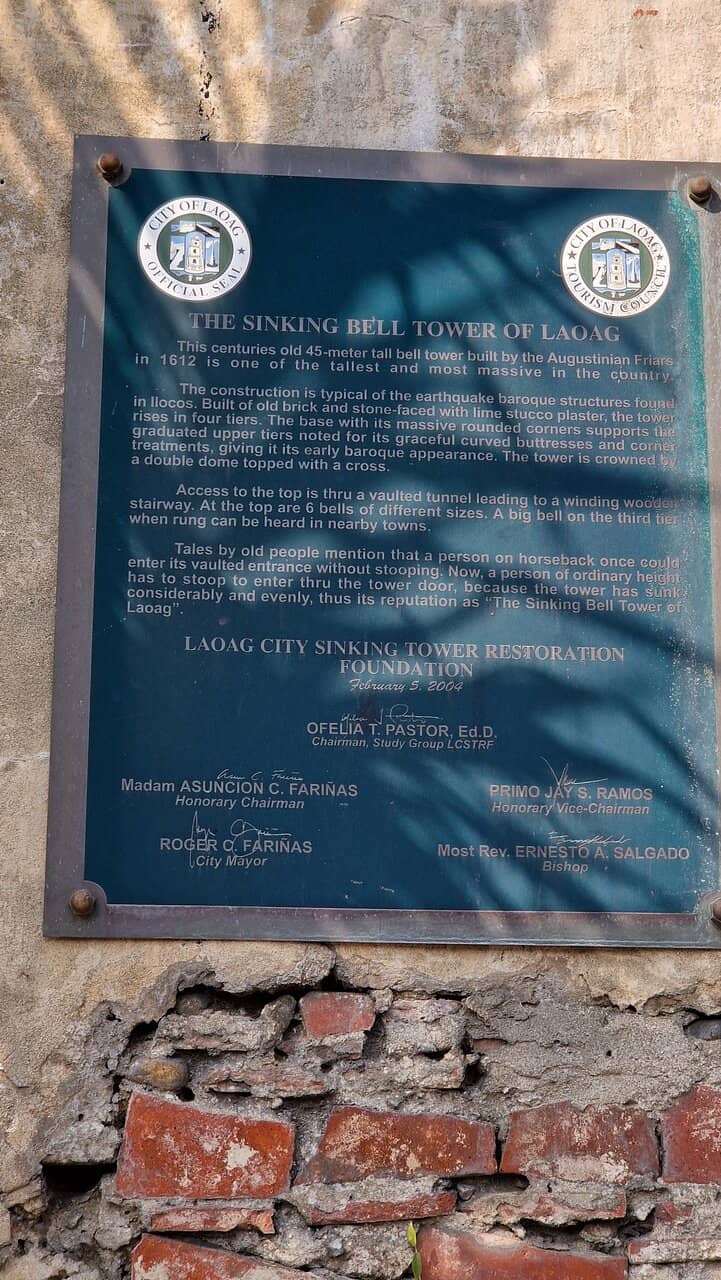
The Sinking Bell Tower was built by Augustinian Friars in 1612, making it a centuries-old historical structure. +1
The tower is sinking due to its immense weight and the soft, sandy soil it was built upon. Natural factors like earthquakes and rain can also contribute to its gradual descent and tilt. +1
It's one of the oldest and tallest bell towers in the Philippines, representing Spanish colonial architecture and the passage of time. It has witnessed centuries of history in Laoag City.
Yes, the tower continues to sink gradually, estimated at about an inch per year, a phenomenon that has been occurring for centuries.
Originally, the Sinking Bell Tower stood at approximately 45 meters tall before it began its slow descent into the ground.
For Different Travelers
Tailored advice for your travel style
👨👩👧 Families with Kids
Keep the visit brief and focused on the visual spectacle. While there aren't specific play areas, the open plaza allows kids to move around. Remind them to be respectful of the historical site and to avoid littering. It's a quick, impactful stop that adds a unique element to your family's Ilocos adventure.
📸 Photographers & Influencers
Golden hour (early morning or late afternoon) provides the best lighting for dramatic and atmospheric photos. Be mindful of crowds during peak times, as they can detract from your shots. Consider incorporating the surrounding plaza and the nearby church for a more complete visual story.
🏛️ History Buffs
Take time to read any available historical markers or engage with local guides if possible. Understanding the reasons behind its sinking – the soft soil, its immense weight, and natural factors – adds a layer of appreciation for its enduring presence. It's a tangible piece of Philippine history that continues to tell its story.
Deep Dives
In-depth insights and expert knowledge
The Phenomenon of the Sinking Bell Tower
This phenomenon is not just a quirky geological event; it's a symbol of the region's history and resilience. The tower's construction on unstable ground, coupled with natural factors like earthquakes and rainfall, has contributed to its iconic tilt. Despite its sinking, the tower remains a majestic presence, standing tall and proud, a silent witness to the changing times.
Visitors are often captivated by the visual spectacle of the leaning tower, making it a popular spot for photography and a must-see on any Ilocos Norte itinerary. It offers a tangible connection to the past, showcasing the architectural styles of the Spanish colonial era and the ongoing interplay between human structures and natural forces.
Historical Context and Architectural Significance
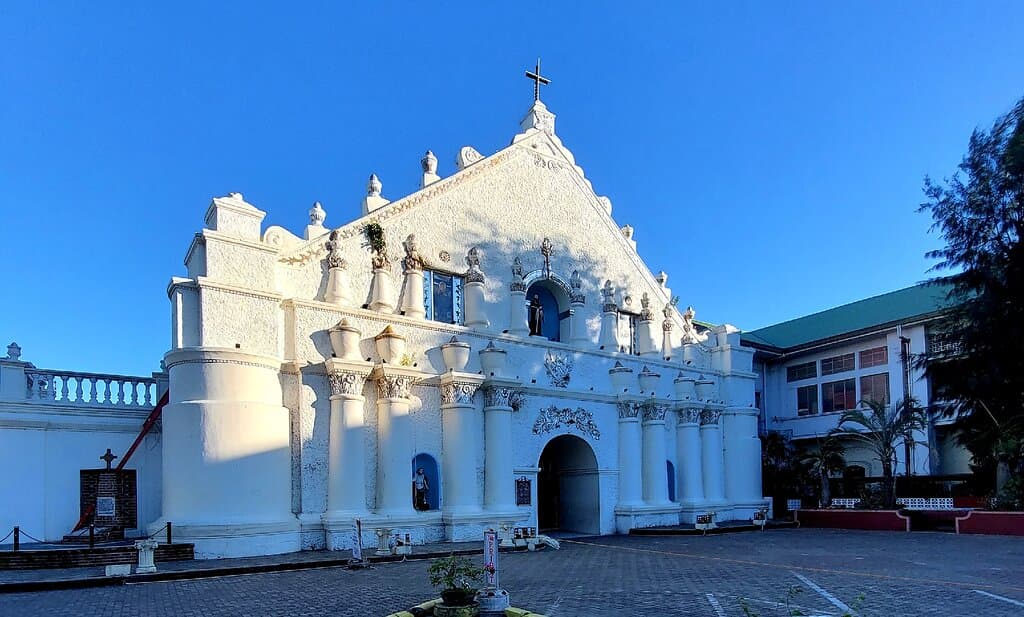
The tower's design is characteristic of Spanish-era churches and bell towers found throughout the Philippines, often built with local materials like bricks and stone. Its survival, despite the sinking, is a testament to the quality of its construction and the efforts made to preserve it. The tower stands adjacent to the Laoag Church, forming a historical complex that draws visitors interested in heritage and culture.
Learning about its history provides a deeper appreciation for its current state. The tower is not just a leaning structure; it's a narrative of colonial history, local adaptation, and the enduring legacy of religious and architectural endeavors in the Philippines.



Social
from TikTok, Instagram & Reddit