Philippine Tarsier Sanctuary Corella
Witness the world's smallest primates, the shy Philippine Tarsier, in their protected natural habitat. A truly unique and ethical wildlife encounter.

Highlights
Must-see attractions

Social
From TikTok & Reddit
Best Time
Tarsiers are more active
Philippine Tarsier Sanctuary Corella
Best Time
Tarsiers are more active
Highlights
Must-see attractions
Witness the world's smallest primates, the shy Philippine Tarsier, in their protected natural habitat. A truly unique and ethical wildlife encounter.
"A very unique and cool experience in Bohol. You watch a short 5 minute video about the sanctuary and then take a walk with a guide."

🤫 Shhh! Be Quiet
Tarsiers get stressed easily. Keep your voice down and avoid loud noises or sudden movements.
🚫 No Flash Photography
The bright flash can harm their sensitive eyes. Your photos will still be great!

Highlights
Discover the most iconic attractions and experiences
The Tiny Tarsier
Natural Habitat
Marvel at the world's smallest primates, with their enormous eyes and unique ability to rotate their heads nearly 180 degrees.
Ethical Wildlife Encounter
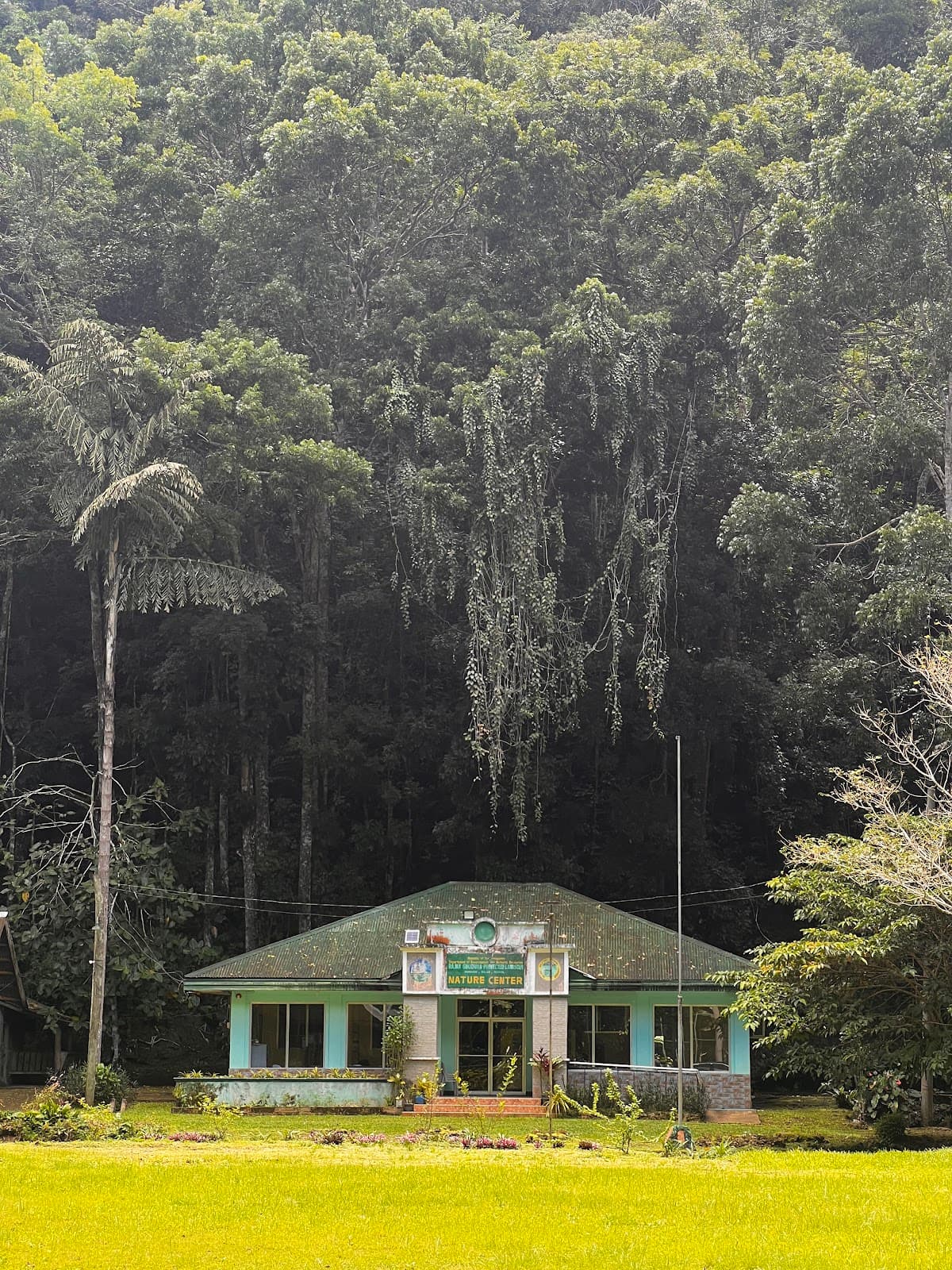
Sanctuary Grounds
Observe tarsiers in their protected, natural environment, contributing to conservation efforts.
 +1
+1
Knowledgeable Guides
On-site
Learn fascinating facts about tarsiers from guides who help you spot these elusive creatures.
Plans like a pro.
Thinks like you
Planning Your Visit
Respect Their Space: Silence is Golden
Timing is Key for Nocturnal Sightings
Best Times
Insider Tips
from TikTok, Instagram & Reddit
🤫 Shhh! Be Quiet
Tarsiers get stressed easily. Keep your voice down and avoid loud noises or sudden movements.
🚫 No Flash Photography
The bright flash can harm their sensitive eyes. Your photos will still be great!
🚶♀️ Follow the Guide
Guides know where to find them and ensure you observe respectfully.
⏰ Check Opening Hours
Visit during their active hours for the best chance to see them.
Tips
from all over the internet
🤫 Shhh! Be Quiet
Tarsiers get stressed easily. Keep your voice down and avoid loud noises or sudden movements.
🚫 No Flash Photography
The bright flash can harm their sensitive eyes. Your photos will still be great!
🚶♀️ Follow the Guide
Guides know where to find them and ensure you observe respectfully.
⏰ Check Opening Hours
Visit during their active hours for the best chance to see them.
💚 Support Conservation
Your visit helps protect this endangered species and their habitat.
What Travellers Say
Reviews Summary
Visitors consistently praise the unique and heartwarming experience of seeing tarsiers in their natural habitat. The sanctuary is well-maintained, and guides are helpful in spotting the elusive creatures and capturing photos. Some wish for more freedom to explore, but the short, focused visit is generally considered sufficient and educational.
"The Tarsier Sanctuary is very well maintained. Before the tour, they show an informative video about the tarsiers, which is really helpful. After that, a small shuttle (like a golf cart) picks you up and brings you to the sanctuary—it’s about a one-minute ride, or you can choose to walk for around five minutes. A guide will show you where the tarsiers are, making it easy to spot them and will help you take pictures. Overall, a very good and enjoyable experience."
Shuajo Ladiv
"Incredible visit. For 150 php we first saw an explanatory video of 5 min and then we were taken to see some tarsiers with Omai (sorry if misspelled). We saw 3 of them incredibly close. The guide was extremely respectful with the animals and we could see them very well, we are really grateful with him. Impressive!"
Andrés Pujol
"Be aware that there are two places in Bohol where you can see tarsiers. The Tarsier Conservation Area is often considered a tourist trap and feels more like a zoo. In contrast, this sanctuary in Corella is government-supported and focused on the well-being of the animals.
The staff here do not force the tarsiers to be awake or on display. In fact, they have to locate them each morning, which shows a real respect for the animals, not just for tourists.
During our visit, we saw three tarsiers. I noticed many 1-star reviews, but I believe most of them refer to the other place. That location reportedly positions the tarsiers under leaves for better visibility, a practice that is highly stressful and disrespectful to these sensitive creatures.
Please do not support the more commercialized area just for a selfie. Instead, choose to visit the Corella Sanctuary, where the animals are truly protected and their natural behavior is respected."
Monika Jungova
What People Like
What People Dislike
Frequently Asked Questions
🚇 🗺️ Getting There
The sanctuary is located in Corella, Bohol. You can hire a tricycle or a private car from Tagbilaran City or Panglao Island. Many countryside tours also include a stop here.
It's a relatively short drive, usually around 30-45 minutes from Tagbilaran City, depending on traffic.
Grab services might be limited in more remote areas of Bohol. It's often more reliable to arrange transport with local drivers or tour operators.
While possible, public transport might be less direct and take longer. Hiring a local tricycle or joining a tour is generally recommended for convenience.
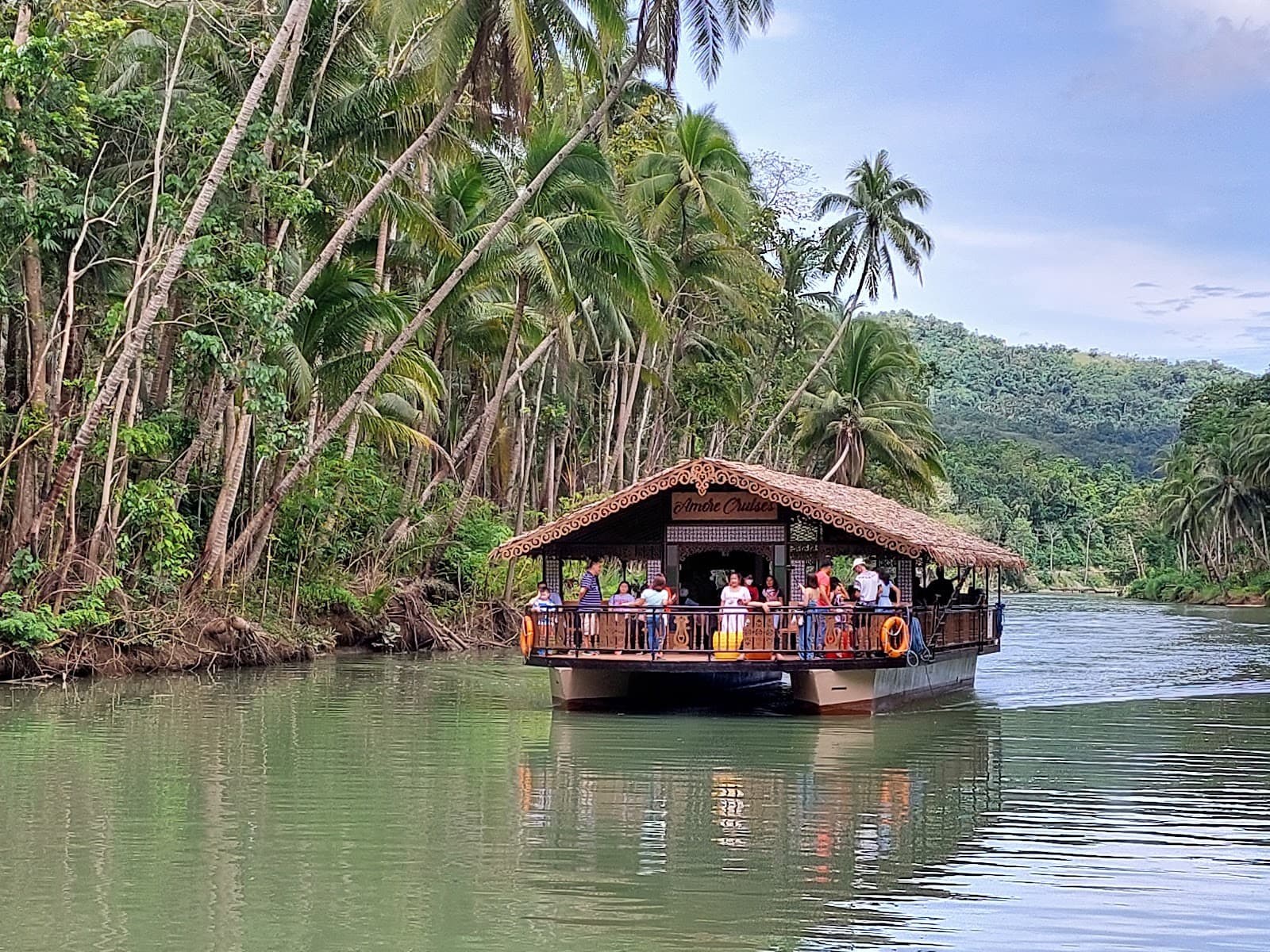
Many Bohol countryside tours include the Tarsier Sanctuary along with the Chocolate Hills and Loboc River cruise.
🎫 🎫 Tickets & Entry
Admission fees are typically affordable, contributing to the sanctuary's conservation efforts. Prices can vary, so it's best to check upon arrival.
Advance booking is usually not required for individual visitors. You can typically purchase tickets upon arrival at the sanctuary.
The sanctuary is generally open during daylight hours, as tarsiers are nocturnal. It's advisable to check the exact opening times before your visit.
The actual viewing time inside the sanctuary might be short, around 10-15 minutes, but the information center offers more to explore.
No, the sanctuary is generally accessible to all ages, and it's a great educational experience for families.
📸 📸 Photography & Observation
Yes, but absolutely no flash photography is allowed, as it can severely stress the tarsiers.
Use a camera with good low-light capabilities and a zoom lens. Be patient and let the guides help you find the best angles without disturbing the animals.
You observe them from a respectful distance along designated paths. Guides will lead you to where they are resting.
Sightings are common, but not guaranteed as they are wild animals. The guides are skilled at finding them.
Observe quietly, avoid sudden movements, and absolutely no flash. Let the tarsier be.
🎫 🌿 Conservation & Ethics
The Corella sanctuary is known for its ethical approach, focusing on conservation and allowing tarsiers to live in their natural habitat with minimal disturbance.
Your entrance fee directly supports the sanctuary's conservation efforts, habitat protection, and research.
Visitors are expected to observe silence, avoid flash photography, and not touch or feed the tarsiers.
Yes, Philippine tarsiers are considered endangered due to habitat loss and stress from human interaction.
The foundation works to conserve and promote the tarsier population through research and habitat protection.
For Different Travelers
Tailored advice for your travel style
👨👩👧 Families with Kids
It's a relatively short visit, which is perfect for keeping children's attention spans engaged. The information center also provides valuable learning opportunities about local wildlife and conservation. Consider combining this visit with other family-friendly Bohol attractions like the Chocolate Hills or a Loboc River cruise for a full day of exploration.
🌿 Eco-Conscious Travelers
+1 Your visit directly supports their protection efforts. Be prepared to adhere strictly to the sanctuary's rules: maintain silence, avoid flash photography, and respect the animals' space. This mindful approach ensures that your presence contributes positively to the tarsiers' well-being and the preservation of their ecosystem. It's a chance to connect with nature responsibly and learn about the importance of biodiversity.
Deep Dives
In-depth insights and expert knowledge
Understanding the Philippine Tarsier
These fascinating creatures are nocturnal, meaning they are most active at night and sleep during the day. This is why visiting during daylight hours requires guides to locate them resting in the foliage. Tarsiers are insectivores, feeding primarily on insects, but also small vertebrates like lizards and birds. They are known for their incredible leaping ability, using their long, slender fingers and toes to navigate through trees.
Sadly, tarsiers are also highly sensitive and can become stressed by loud noises, bright lights, and human touch. This stress can lead to serious health issues, including self-harm, which is why sanctuaries emphasize quiet observation and no-flash photography.
The Philippine Tarsier Foundation works tirelessly to protect their habitat and ensure their survival. Ethical Tourism at the Sanctuary
+1By visiting the sanctuary, you are directly contributing to the conservation efforts of the Philippine Tarsier Foundation. Your entrance fee helps fund habitat protection, research, and educational programs aimed at safeguarding this endangered species. It's a chance to witness these unique creatures in a responsible and ethical manner, fostering a deeper appreciation for wildlife and the importance of preserving natural environments.
+1Remember that respectful observation is key. The sanctuary's rules, such as maintaining silence and refraining from flash photography, are not just guidelines but essential practices to prevent stressing the tarsiers. This approach ensures that future generations can also experience the wonder of seeing these tiny primates in their natural home.


Social
from TikTok, Instagram & Reddit