Clay Lick Colorado
Witness a breathtaking natural spectacle as hundreds of macaws and parrots gather at a vibrant clay lick in the Peruvian Amazon.

Highlights
Must-see attractions

Social
From TikTok & Reddit
Best Time
Macaws are most active
Clay Lick Colorado
Best Time
Macaws are most active
Highlights
Must-see attractions
Witness a breathtaking natural spectacle as hundreds of macaws and parrots gather at a vibrant clay lick in the Peruvian Amazon.
"A must-do if you are in the Peruvian Amazon! A magnificent natural spectacle!"

🎯 Early Bird Gets the Macaws
Arrive extremely early for the best chance to see macaws at the clay lick. It's worth the early wake-up call!
🔭 Binoculars Enhance Viewing
Bring binoculars or telescopes to get a closer look at the birds' details from a respectful distance.
Highlights
Discover the most iconic attractions and experiences
Macaw and Parrot Spectacle
Colorado Clay Lick
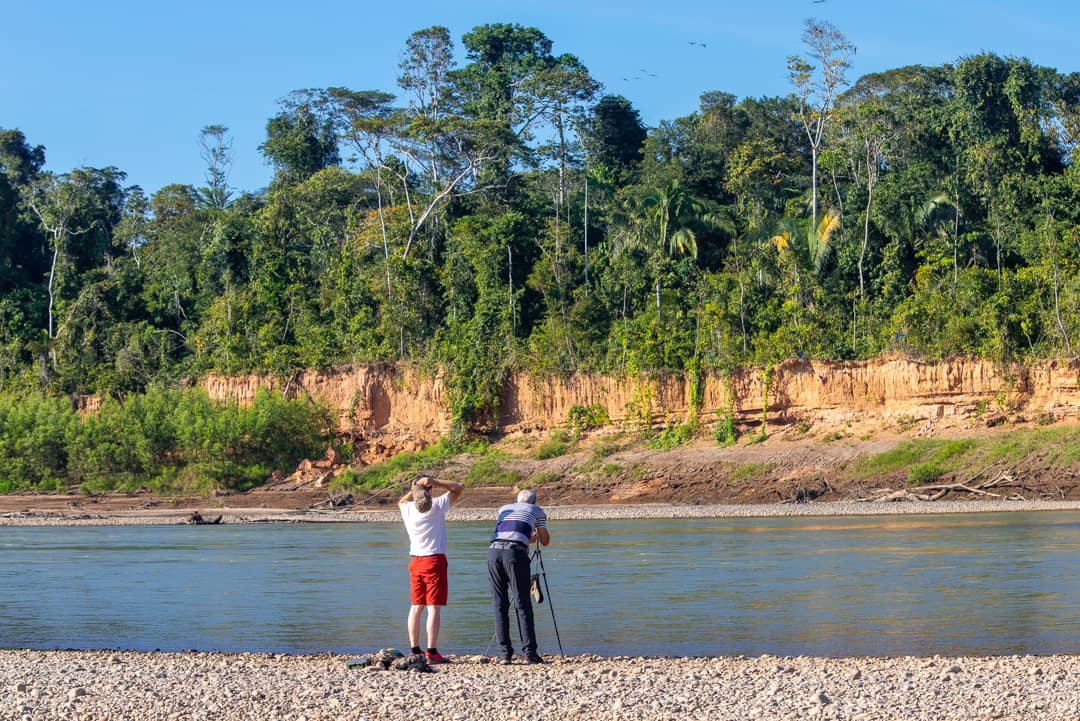
Witness hundreds of vibrantly colored macaws and parrots gather to eat clay, a vital part of their diet.
Amazon Rainforest Ecology
Tambopata National Reserve
Learn about the importance of the clay lick and the surrounding jungle ecosystem from expert guides.
Spider Monkey Visit
Colorado Clay Lick
Observe black spider monkeys engaging in their own ritual of consuming clay at the lick.
Plans like a pro.
Thinks like you
Planning Your Visit
Timing is Everything for Macaw Sightings
Respecting the Habitat
Best Times
Insider Tips
from TikTok, Instagram & Reddit
🎯 Early Bird Gets the Macaws
Arrive extremely early for the best chance to see macaws at the clay lick. It's worth the early wake-up call!
🔭 Binoculars Enhance Viewing
Bring binoculars or telescopes to get a closer look at the birds' details from a respectful distance.
🌿 Respect Wildlife Habitat
Maintain a respectful distance from the animals to ensure their safety and continued use of the clay lick.
🗺️ Book with Official Tours
Booking through official channels ensures a well-organized and respectful experience at the clay lick.
Tambopata Peru trip to macaw clay lick was phenomenal. Three species of macaws eat clay for sodium content.
Tips
from all over the internet
🎯 Early Bird Gets the Macaws
Arrive extremely early for the best chance to see macaws at the clay lick. It's worth the early wake-up call!
🔭 Binoculars Enhance Viewing
Bring binoculars or telescopes to get a closer look at the birds' details from a respectful distance.
🌿 Respect Wildlife Habitat
Maintain a respectful distance from the animals to ensure their safety and continued use of the clay lick.
🗺️ Book with Official Tours
Booking through official channels ensures a well-organized and respectful experience at the clay lick.
🐒 Monkeys Also Visit!
Keep an eye out for black spider monkeys who also partake in the clay-eating ritual.
What Travellers Say
Reviews Summary
Visitors consistently praise the Colorado Clay Lick as an awe-inspiring natural spectacle, particularly for its vibrant macaw and parrot displays. The early morning timing is crucial for witnessing the birds' mineral-gathering ritual. While the experience is highly rewarding, some note the need for early starts and respecting wildlife distances.
"Awesome to see all the birds!"
Billie Cantwell
"Amazing place to see macaws (but only go in the right season, ask the guides)"
Guus Vermijs
"The macaw clay lick in Peru is a truly special experience for nature lovers. You're almost guaranteed to see these beautiful, brightly colored parrots up close (well, at a respectful distance). The fact that you have to stay a bit further away is actually a positive thing: this way, the animals' habitat is respected and they continue to feel safe. We booked our tour through the official website associated with this location, and that turned out to be an excellent choice.
The guides were very knowledgeable and enthusiastic. They talked not only about the macaws themselves, but also about the importance of the clay lick and the surrounding ecology. With the binoculars and telescopes we brought, we were able to observe the birds closely, even the details of their feathers were clearly visible. It's fascinating to watch them all land on the clay wall and eat small pieces of clay, which is essential for their digestion.
The whole setting—in the middle of the jungle, with the sound of hundreds of birds all around you—makes it all the more special. The early rise is absolutely worth it. A must-do if you are in the Peruvian Amazon!"
maxime van strijp
What People Like
What People Dislike
Frequently Asked Questions
🚇 🗺️ Getting There
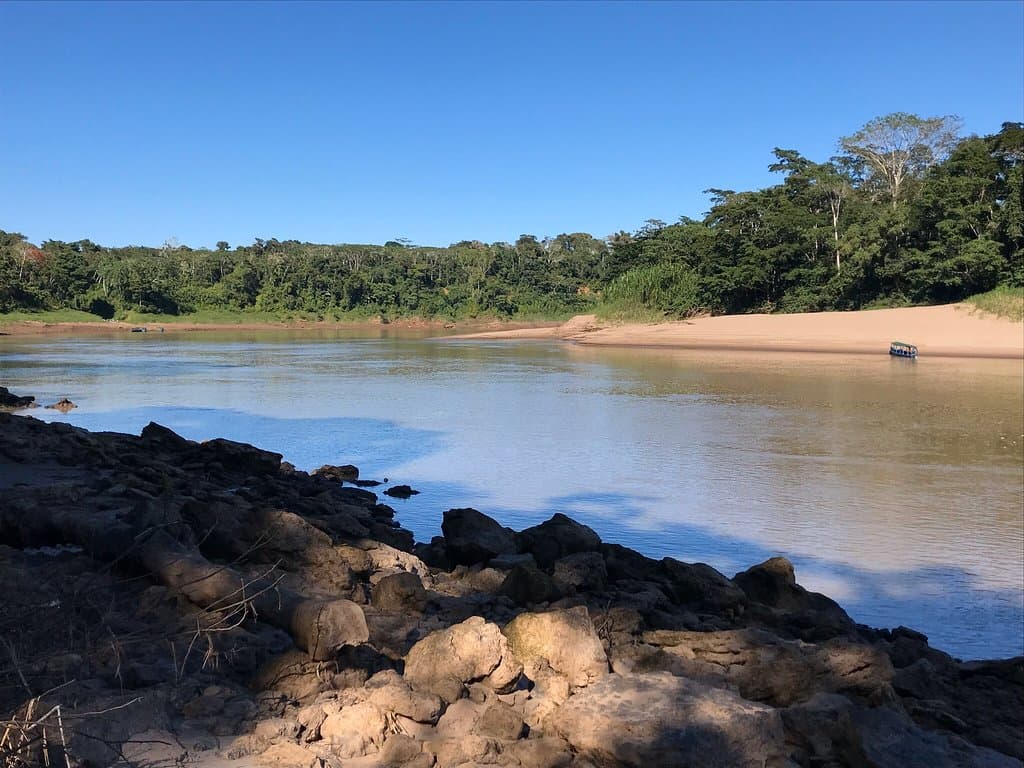
The Colorado Clay Lick is located within the Tambopata National Reserve in Peru. Access is typically via Puerto Maldonado, followed by a boat trip up the Tambopata River to a lodge, and then a guided excursion to the clay lick.
Most visitors fly into Puerto Maldonado (PEM) from Lima or Cusco. From there, you'll arrange transport with your chosen lodge, which usually involves a scenic boat ride.
Yes, most lodges in the Tambopata Reserve offer guided tours that include transportation to and from the Colorado Clay Lick as part of their packages.
The journey from Puerto Maldonado to a lodge near the clay lick can take several hours, including boat travel. The actual trek to the lick from the lodge is usually shorter.
While independent travel is possible to Puerto Maldonado, visiting the clay lick itself is best done with a guided tour arranged through a lodge to ensure proper access and wildlife viewing protocols.
🎫 🎫 Tickets & Entry
Entry to the Tambopata National Reserve requires a fee, and access to the clay lick is typically managed by the lodges or tour operators. It's usually included in your tour package.
The clay lick is a natural phenomenon, and the best viewing times are in the early morning, typically from dawn until mid-morning.
Costs vary depending on the lodge and tour package. Expect to pay for accommodation, guided tours, and reserve entrance fees.
It's highly recommended to book your lodge and tours in advance, as on-site ticket purchases for the reserve and specific excursions may not be available or guaranteed.
Generally, there are no strict age restrictions, but the early start and jungle environment might be challenging for very young children or individuals with mobility issues.
📸 📸 Photography
A telephoto lens (200-400mm) is ideal for capturing macaws from a distance. A sturdy tripod or monopod can help with stability, especially in low light.
While photography is generally allowed, avoid using flash, as it can disturb the birds. Always maintain a respectful distance and follow your guide's instructions.
Early morning offers the best light and the highest chance of seeing macaws. The golden hour light can create stunning shots.
Yes, modern smartphones can capture good images, especially with good lighting. Consider a portable zoom lens attachment for your phone for better reach.
Focus on capturing the sheer number of birds, their vibrant colors against the clay, and their interactions. Detail shots of individual birds are also rewarding.
🎫 🌿 Wildlife & Nature
The main attraction is the abundance of macaws and parrots. You might also spot other bird species, monkeys (like black spider monkeys), and various insects and reptiles.
The clay contains essential minerals and salts that birds need for their diet, helping to neutralize toxins from unripe fruits and seeds they consume.
The clay lick is active year-round, but the intensity of bird activity can vary with seasons and weather conditions.
It's one of the largest and most active clay licks in the Amazon, historically featured in publications like National Geographic, highlighting its ecological importance.
While wildlife is generally accustomed to observers at a distance, it's crucial to follow your guide's instructions and avoid approaching animals.
For Different Travelers
Tailored advice for your travel style
👨👩👧 Families with Kids
Consider lodges that offer family-friendly accommodations and activities. While the focus is on wildlife viewing, some lodges may have shorter, more accessible trails suitable for younger legs. Bringing binoculars for the kids can enhance their viewing experience and make them feel more involved in the 'safari.' Remember to pack insect repellent and sun protection, as the jungle environment can be intense.
🌿 Nature Enthusiasts & Birdwatchers

Engage with your guides to learn about the specific species, their behaviors, and the ecological significance of the clay lick. Many visitors rave about the knowledgeable guides who enrich the experience with their insights.
Deep Dives
In-depth insights and expert knowledge
The Science Behind the Spectacle: Why Birds Flock to Clay Licks
Witnessing this ritual is a privilege, and understanding the science behind it enhances the experience. Guides often explain the specific minerals present and how they benefit the birds' digestion and overall well-being. The sheer volume of birds congregating at these licks, creating a cacophony of calls and a kaleidoscope of colors, is a testament to their importance. It's a natural pharmacy and a communal dining hall, all rolled into one.
The historical significance of the Colorado Clay Lick, once featured in National Geographic, underscores its status as a premier wildlife viewing location. While the forest has naturally reclaimed parts of its banks, the river's cleansing action ensures the clay remains accessible, allowing this ancient ritual to continue.
Navigating the Tambopata Reserve: Lodges and Logistics
When selecting a lodge, consider factors like proximity to the clay lick, the expertise of their guides, and the overall tour experience. Many lodges offer multi-day packages that include excursions to the clay lick, jungle treks, and other wildlife viewing opportunities. It's advisable to book in advance, especially during peak seasons, to secure your preferred accommodation and ensure a seamless itinerary.


Social
from TikTok, Instagram & Reddit