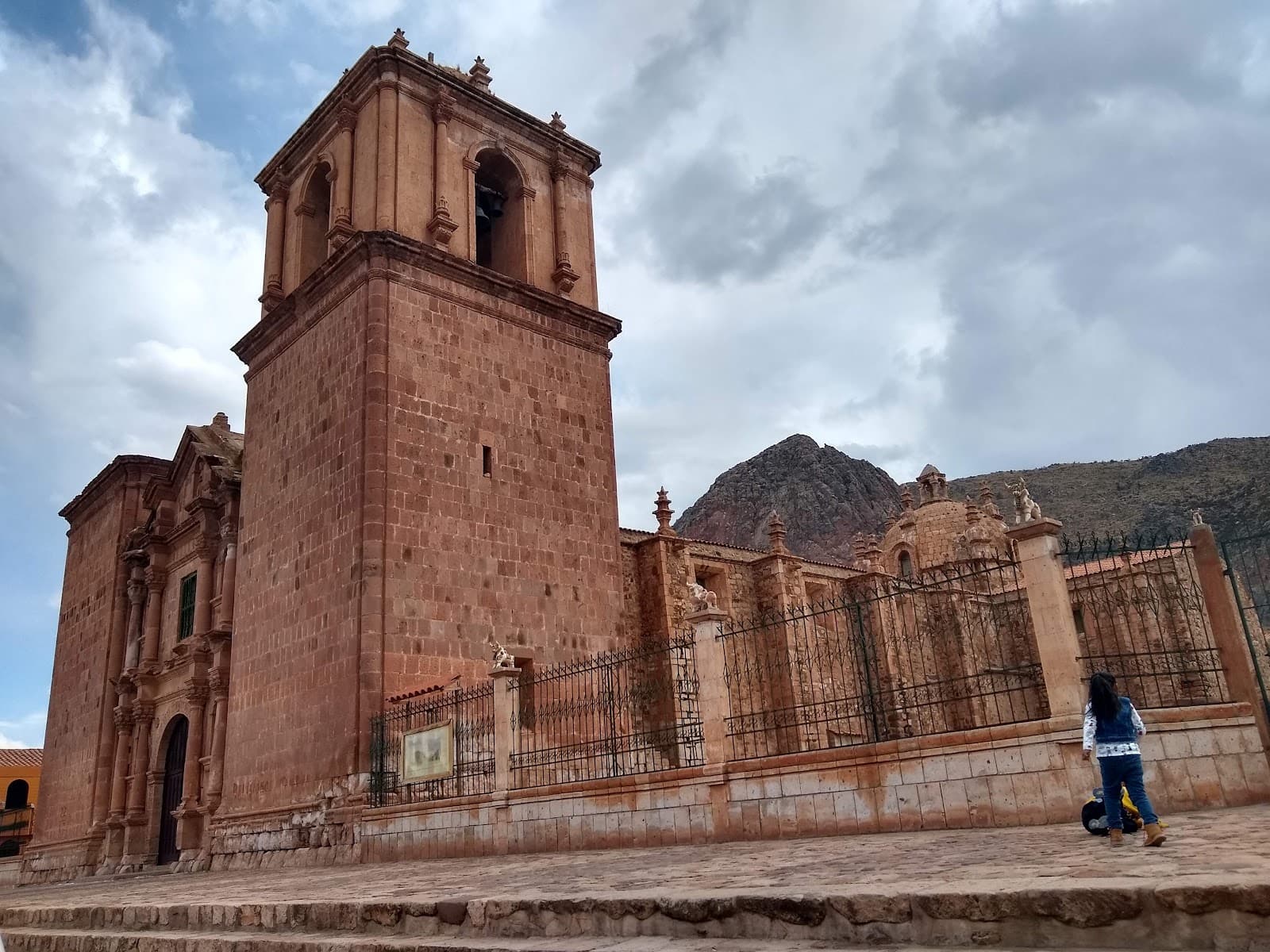
Pucará Archaeological Complex and Museum
Explore Pucará, a pre-Inca archaeological marvel in Peru's highlands, showcasing ancient stone art and a rich history predating the Incas.
Highlights
Must-see attractions

Social
From TikTok & Reddit
Best Time
Clear skies, fewer crowds
Pucará Archaeological Complex and Museum
Best Time
Clear skies, fewer crowds
Highlights
Must-see attractions
Explore Pucará, a pre-Inca archaeological marvel in Peru's highlands, showcasing ancient stone art and a rich history predating the Incas.
"This place is very interesting and offers a unique glimpse into a culture that thrived when Rome was still figuring out plumbing. "
Acclimatize First! :mountain_snow:
Spend a day in Puno before visiting Pucará to adjust to the high altitude.
Research is Your Guide :books:
Limited onsite info; learn about the Pukara culture beforehand for a richer experience.
Highlights
Discover the most iconic attractions and experiences
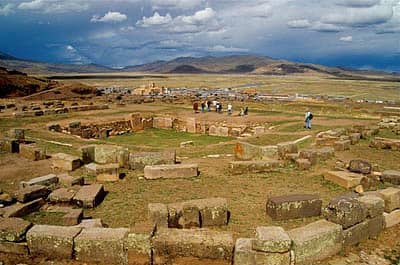
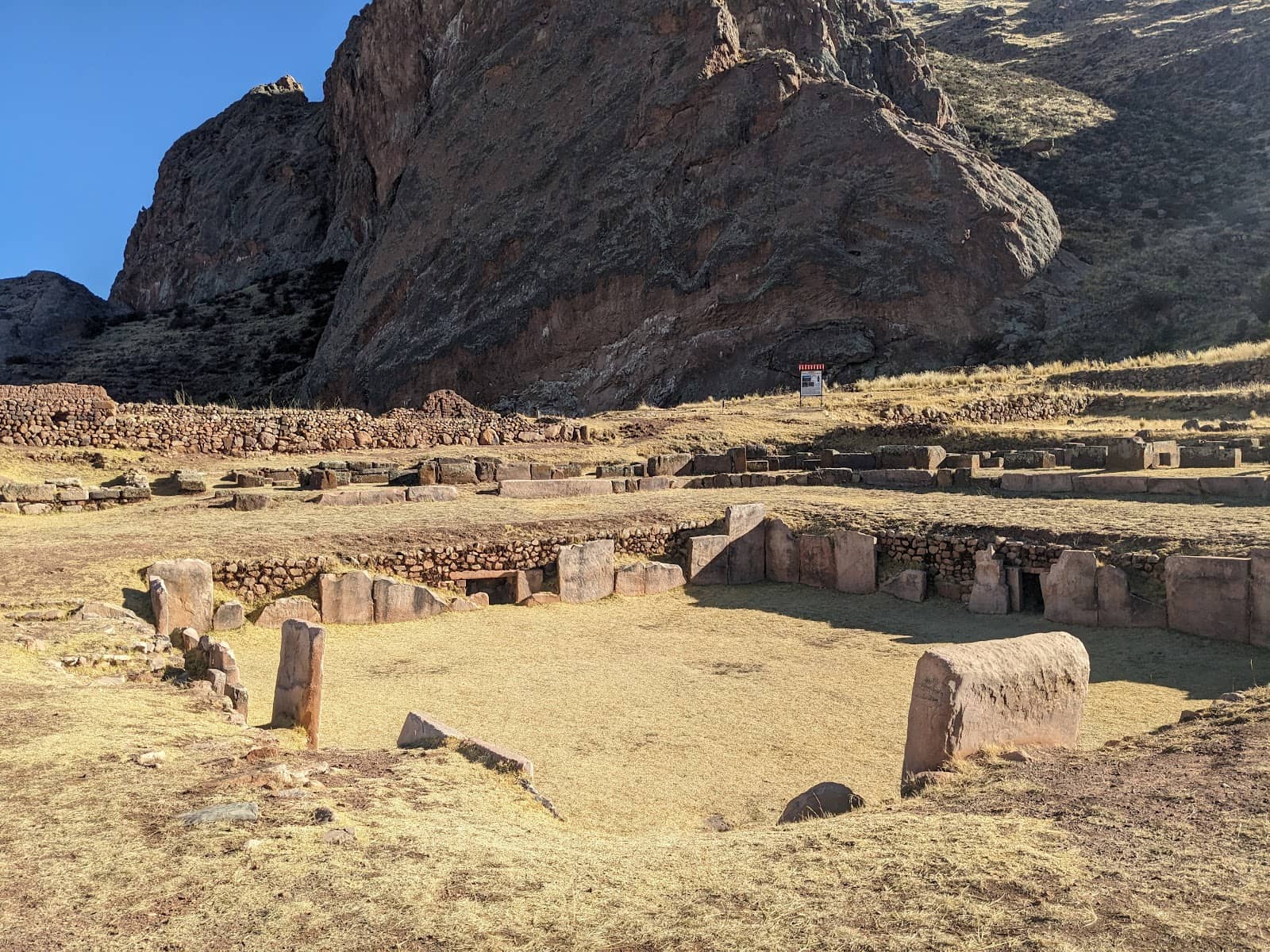
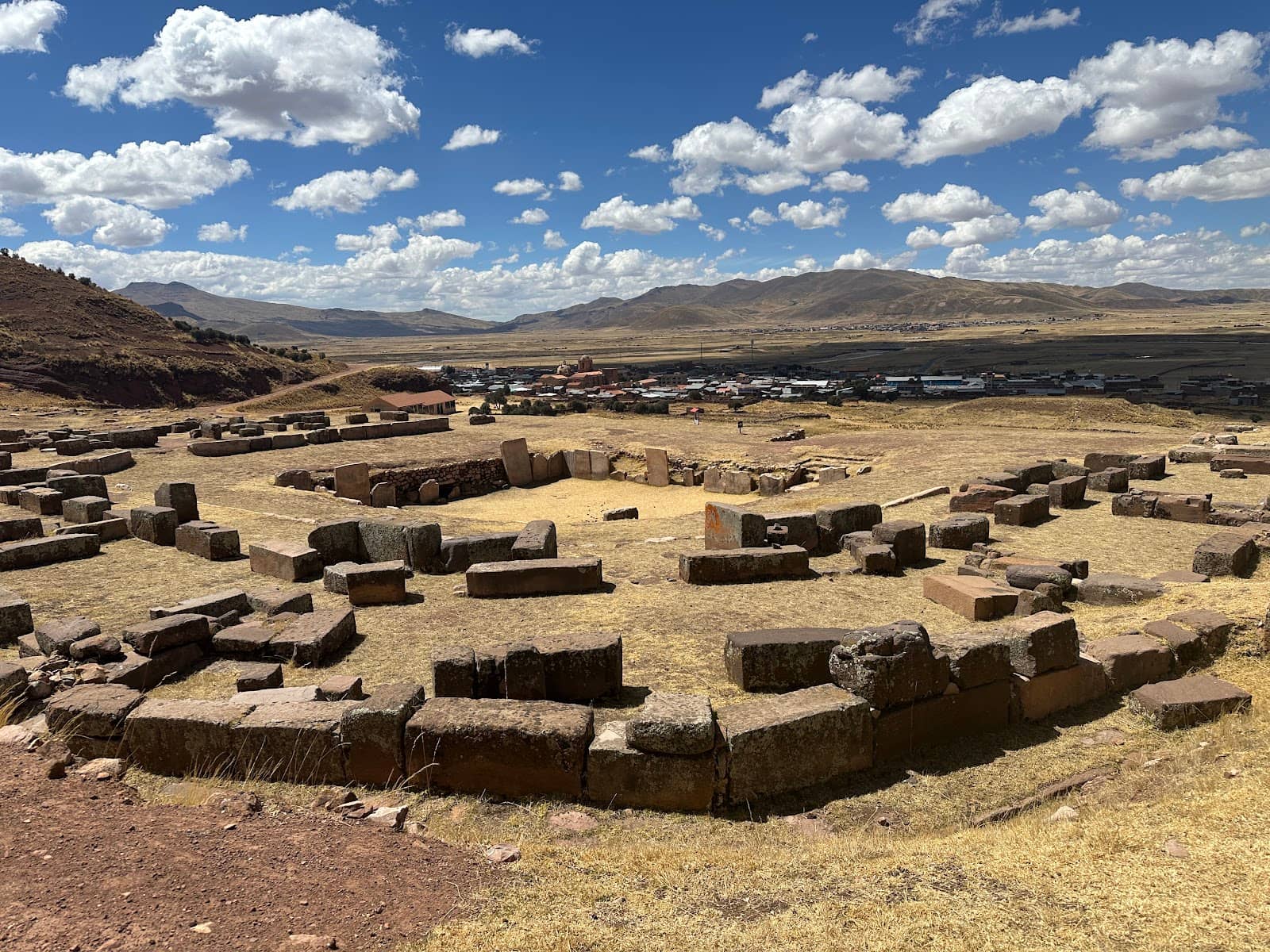
The Sunken Plaza
Archaeological Site
A vast ceremonial plaza that hints at the grandeur of the Pukara civilization's rituals and gatherings.
Sculpted Monoliths
Archaeological Site
Intricate stone carvings that offer a glimpse into the artistic and spiritual world of the Pukara people.
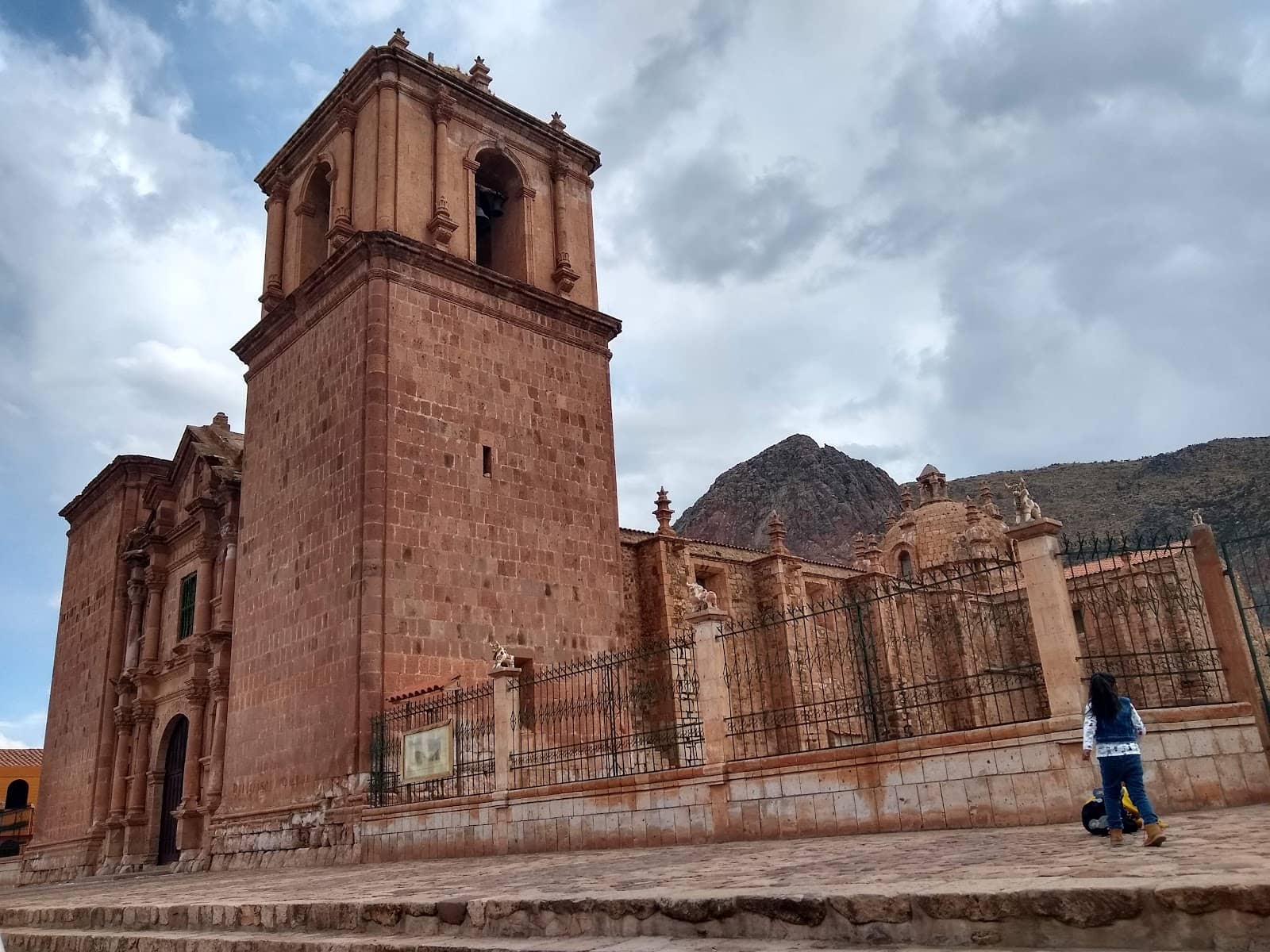
Museo Litico de Pukara
Museum
Discover ancient stone heads and artifacts that tell the story of a culture predating the Incas.
Plans like a pro.
Thinks like you
Planning Your Visit
Altitude Awareness is Key
Research Before You Go
Best Times
Insider Tips
from TikTok, Instagram & Reddit
Acclimatize First! :mountain_snow:
Spend a day in Puno before visiting Pucará to adjust to the high altitude.
Research is Your Guide :books:
Limited onsite info; learn about the Pukara culture beforehand for a richer experience.
Wear Comfortable Shoes :athletic_shoe:
The terrain can be uneven, so sturdy footwear is essential for exploring the site.
Bring Water & Snacks :water_buffalo:
There are no facilities at the site, so come prepared.
Tips
from all over the internet
Acclimatize First! :mountain_snow:
Spend a day in Puno before visiting Pucará to adjust to the high altitude.
Research is Your Guide :books:
Limited onsite info; learn about the Pukara culture beforehand for a richer experience.
Wear Comfortable Shoes :athletic_shoe:
The terrain can be uneven, so sturdy footwear is essential for exploring the site.
Bring Water & Snacks :water_buffalo:
There are no facilities at the site, so come prepared.
Combine with Road Trip :car:
A great stop when traveling between Puno and Cusco.
What Travellers Say
Reviews Summary
Visitors find Pucará Archaeological Complex to be a fascinating and historically significant site, offering a unique look into a pre-Inca civilization. The high altitude and limited onsite information are noted drawbacks, but the impressive stone sculptures and panoramic views are consistently praised.
"If Machu Picchu is the Beyoncé of ancient Peru, then Pukara is that underrated band from the ’70s archaeologists secretly obsess over. Nestled in the Puno highlands at a breezy 3,900 meters above sea level, this pre-Inca site predates the Incas by at least 500 years. Yeah, the Pukara civilization was flexing pyramids and ceremonial platforms around 200 BC, while the Incas were still figuring out quinoa.
The site’s got a massive sunken plaza, sculpted monoliths, and a hilltop fortress or what’s left of it, thanks to centuries of looting, weathering, and the occasional overly curious llama. Bonus: there’s a quaint Museo Litico de Pukara nearby showcasing decapitated stone heads and alpaca-free history panels.
Come for the eerie silence, stay for the realization that this culture thrived when Rome was still trying to figure out plumbing. Just don’t expect snack bars, WiFi, or oxygen in abundance.
Stats flex:
- Civilization: Pukara Culture (200 BC–300 AD)
- Altitude: 3,900 m
- Location: ~100 km north of Puno
- Museum entry: Separate, but affordable
Minus one star for lacking toilets and consistent signage. Plus four stars for stone heads and cosmic vibes."
The Compass Guy
"Very interesting site that one should go to!"
Jonathan Yau
"Solid place to stop by if you’re driving from Puno to Cusco, interesting site on a surprisingly nice little town, but lacks easy guides or accessible information, should do some previous research to maximize tour experience"
Jorge Aponte
What People Like
What People Dislike
Frequently Asked Questions
🚇 🗺️ Getting There
The most common way to reach Pucará is by car or bus from Puno, which is about 100 km north. The journey takes approximately 1.5 to 2 hours. Many travelers stop here en route to Cusco.
Yes, it's a solid place to stop by if you're driving between Puno and Cusco. It offers an interesting site and is located in a surprisingly nice little town.
Absolutely. You can arrange a taxi or join a tour from Puno for a day trip to explore the archaeological site and the museum.
The town itself is small and walkable. Taxis are available for transport to the archaeological site if you are not arriving by tour or private vehicle.
While buses run between Puno and Cusco, they may not stop directly at the archaeological complex. It's often easier to arrange a dedicated tour or private transport for convenience.
🎫 🎫 Tickets & Entry
The archaeological site and museum generally follow daytime hours. It's advisable to check locally or with your tour operator for the most current opening times, as they can vary.
Entry fees are typically affordable. The museum entry is separate from the archaeological site, but both are reasonably priced.
For independent travel, booking in advance is usually not necessary. However, if you are joining a guided tour, your ticket will likely be included in the tour package.
While the museum entry is separate, the combined cost for both the archaeological site and the Museo Litico de Pukara is quite affordable, making it a worthwhile visit.
The site is generally open during daylight hours. It's best to plan your visit to allow ample time to explore before closing.
🎫 🧭 Onsite Experience
You can explore a large sunken plaza, remnants of a hilltop fortress, and fascinating sculpted monoliths. The nearby Museo Litico de Pukara houses stone heads and other artifacts from the Pukara culture.
The archaeological site has uneven terrain and some inclines, which might pose challenges for those with mobility issues. The museum is generally more accessible.
Guides may not be readily available at the site, and signage can be limited. Doing prior research or booking a guided tour is recommended to maximize your experience.
Pucará is situated at a high altitude of approximately 3,900 meters (12,800 feet) above sea level.
Dress in layers as the weather can change. Comfortable walking shoes are essential due to the uneven terrain. Sun protection (hat, sunscreen) is also recommended.
🍽️ 🍽️ Food & Dining
No, there are no food facilities or snack bars directly at the archaeological site. It's recommended to bring your own snacks and water.
The town of Pucará has some local eateries where you can find simple Peruvian dishes. For more options, it's best to eat in Puno before or after your visit.
Yes, bringing your own food and drinks is highly recommended, especially if you plan to spend a few hours exploring the site.
Local restaurants in Pucará town typically offer traditional Peruvian cuisine, often featuring local ingredients.
While options might be limited, you can usually find vegetarian dishes like vegetable soups or rice with vegetables in local eateries.
📸 📸 Photography
Capture the vastness of the sunken plaza, the details of the sculpted monoliths, and the panoramic views from the higher points of the site. The museum's stone heads also make for unique shots.
Photography is generally allowed inside the museum, but it's always a good idea to check for any specific restrictions or flash photography rules.
Mornings often offer softer light and fewer crowds, while late afternoons can provide dramatic lighting as the sun begins to set.
Drone usage is typically restricted at archaeological sites to protect the heritage and for safety reasons. It's best to assume drones are not permitted unless explicitly stated otherwise.
A wide-angle lens is great for capturing the expansive landscapes and plazas. A telephoto lens can be useful for details on monoliths or distant views.

For Different Travelers
Tailored advice for your travel style
👨👩👧 Families with Kids
Focus on the 'story' of the ancient people who lived there. The stone heads at the museum can spark imagination, and the vastness of the plaza can feel like a giant playground from the past. Consider bringing snacks and drinks, as facilities are limited. A guided tour might be beneficial to keep younger minds engaged with historical facts.
🚶 Budget Travelers
Researching the history beforehand is free and significantly enhances the visit, saving you money on potentially costly guided tours if you prefer to explore independently.
🏛️ History Buffs & Archaeology Enthusiasts
Take your time to explore the sunken plaza and the remnants of the fortress. The Museo Litico de Pukara is crucial for understanding the Pukara culture's artistic and spiritual achievements. Consider dedicating ample time for research before your visit to fully appreciate the context and significance of this important archaeological complex.
Deep Dives
In-depth insights and expert knowledge
The Pukara Culture: A Pre-Inca Powerhouse
At its peak, Pucará was a pilgrimage site and a hub for trade and religious activities. The site's layout, featuring a large sunken plaza, ceremonial platforms, and residential areas, reflects a complex social structure. The discovery of numerous stone sculptures, including the iconic 'decapitated heads,' suggests a rich spiritual life and possibly ritualistic practices. Understanding this context is crucial for appreciating the site's historical significance beyond just ruins.
While much of the Pukara culture remains a mystery, the archaeological evidence points to a highly organized and influential society. Their innovations in stonework and urban planning laid some of the groundwork for later Andean civilizations, including the Incas. Visiting Pucará offers a unique opportunity to connect with a less-explored chapter of Peruvian history.
Navigating the High Altitude
Symptoms of altitude sickness can include headaches, nausea, dizziness, and fatigue. To mitigate these, drink plenty of water, avoid alcohol and heavy meals on your first day at altitude, and consider chewing coca leaves or drinking coca tea, which are traditional remedies in the Andes.
When visiting the site itself, take your time. The archaeological complex involves some walking and uneven terrain. Pace yourself, take breaks, and stay hydrated. The breathtaking views are worth the effort, but prioritizing your well-being ensures a more enjoyable experience.
The Museo Litico de Pukara: A Window to the Past
The museum's highlight is its display of the distinctive stone sculptures, most notably the 'decapitated heads' or 'stelae.' These carved stones are believed to have held significant religious or ceremonial importance for the Pukara people. Seeing these intricate carvings up close provides a deeper understanding of their artistry and belief systems, which are distinct from later Inca culture.
While the museum may not be extensive, its curated collection provides crucial context for the archaeological site. It helps visitors piece together the narrative of the Pukara culture, their societal structure, and their place in the broader history of the Andes. The museum is an affordable addition to the site visit and highly recommended for a comprehensive experience.


Social
from TikTok, Instagram & Reddit