
Aja Aqueduct
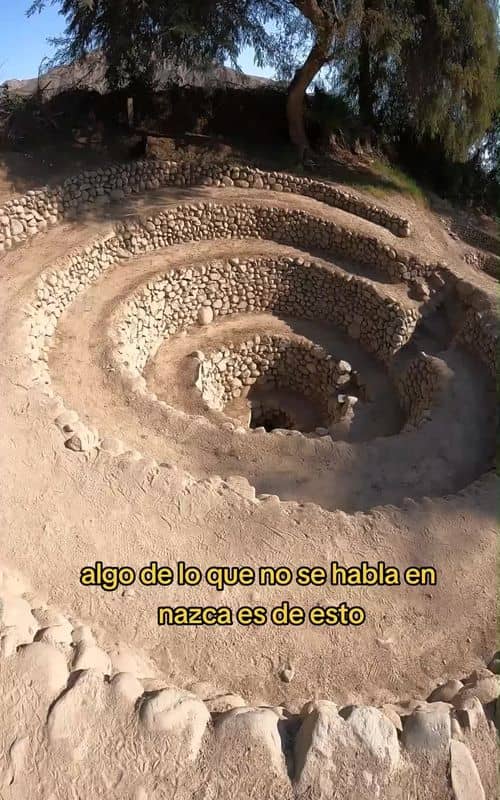
Discover the Cantalloc Aqueducts, a 1,500-year-old marvel of Nazca hydraulic engineering still channeling water today.
Highlights
Must-see attractions
Social
From TikTok & Reddit
Best Time
Beat the desert heat
Aja Aqueduct
Best Time
Beat the desert heat
Highlights
Must-see attractions
Discover the Cantalloc Aqueducts, a 1,500-year-old marvel of Nazca hydraulic engineering still channeling water today.
"Absolutely stunning! A short walk from the Plaza de Armas, it is absolutely a must see in Nasca."

🤝 Meet a Local Guide
Locals like Alejandro offer invaluable insights and help with photos. They are often found near the site.
🚶♀️ Follow Google Maps Carefully
Directions can be tricky; you might need to cross a riverbed. Look for signs on both sides.

Highlights
Discover the most iconic attractions and experiences
Functional Ancient Aqueducts
Cantalloc
Witness over 1,500-year-old underground aqueducts still channeling water, a marvel of ancient hydraulic engineering.
Spiral Puquios
Cantalloc
Explore the unique spiral-shaped wells (puquios) designed to draw water from underground sources.

Restoration Efforts
Cantalloc
See ongoing restoration work that preserves this vital piece of Nazca heritage for future generations.
Plans like a pro.
Thinks like you
Planning Your Visit
Ancient Engineering Marvels
Beyond the Lines
Best Times
Insider Tips
from TikTok, Instagram & Reddit
🤝 Meet a Local Guide
Locals like Alejandro offer invaluable insights and help with photos. They are often found near the site.
🚶♀️ Follow Google Maps Carefully
Directions can be tricky; you might need to cross a riverbed. Look for signs on both sides.
💧 Check Recent Conditions
Floods can impact the site. Inquire about recent weather and site conditions before visiting.
🌿 Be Aware of Overgrowth
Some sections may be overgrown. Maintenance varies, so manage expectations.
Tips
from all over the internet
🤝 Meet a Local Guide
Locals like Alejandro offer invaluable insights and help with photos. They are often found near the site.
🚶♀️ Follow Google Maps Carefully
Directions can be tricky; you might need to cross a riverbed. Look for signs on both sides.
💧 Check Recent Conditions
Floods can impact the site. Inquire about recent weather and site conditions before visiting.
🌿 Be Aware of Overgrowth
Some sections may be overgrown. Maintenance varies, so manage expectations.
📸 Ask for Photos
Friendly locals are often happy to take your photos, capturing your visit to this unique site.
What Travellers Say
Reviews Summary
Visitors are consistently amazed by the Cantalloc Aqueducts' ancient engineering and continued functionality, calling it a 'must-see' and 'stunning'. Many highlight positive interactions with local guides who share history and assist with photos. However, some reviews mention that parts of the site can be overgrown or impacted by recent floods, suggesting varying levels of maintenance and accessibility.
"Absolutely stunning! A short walk from the Plaza de Armas, it is absolutely a must see in Nasca. This is actually in a village outside of the city. We met a local, Alejandro, who told us about the restoration efforts and some of the history. He also took our photos (thank you! ❤️)
If you're taking the walking directions from Google, you'll have to cross the river (you'll not get your feet wet) and go down a road between two privately owned parcels. Right beyond it you'll see the signs on the right and left."
Sarah “Red” Dezelin
"This is a very cool place! It’s wild to me that such an amazing historical treasure seems to have very few visitors or tourists. We walked in following google maps and a local man saw us and gave us a tour. He was from the small town surrounding the aqueducts, which are currently still being restored, and talked with us for ten minutes and took pictures for us. (Shout out to Alejandro!)
It was a short visit, because there is only a small portion that has been restored so far, but beautiful and amazing. 2000 year old infrastructure still functioning as intended."
Andrew Scott
"Hard to rate this. Visited today - 22nd February 2025 - three days ago floods have completely changed the aqueduct. Just hope no one was hurt 🙏"
Zillah Marshall
What People Like
What People Dislike
Frequently Asked Questions
🚇 🗺️ Getting There
The Aja Aqueduct, also known as the Cantalloc Aqueducts, is located a few kilometers outside Nazca. Many visitors take a taxi or arrange a tour from Nazca. Some adventurous travelers have walked, but be prepared for a desert trek and potential riverbed crossings.
Finding the aqueducts can be a bit challenging. While Google Maps can guide you, some sections might be overgrown or require crossing dry riverbeds. Look for signs once you're close to the area.
Yes, independent visits are possible. However, engaging with a local guide can significantly enhance your experience, offering historical context and assistance with navigation.
Taxis from Nazca are a convenient option. Negotiate the fare beforehand. Organized tours often combine the aqueducts with other Nazca attractions, providing transportation and a guide.
Public transport directly to the aqueducts is limited. It's more common to hire a taxi or join a tour for reliable access to this historical site.
🎫 🎫 Tickets & Entry
Entry to the Aja Aqueduct is generally free, as it's an open archaeological site. However, if you join a guided tour, the cost will be included in the tour package.
The aqueducts are an outdoor site and do not have set opening hours. They are accessible during daylight hours. However, visiting during the cooler parts of the day is recommended.
Typically, there is no entrance fee for the Cantalloc Aqueducts. It's an archaeological site that can be explored freely.
While there are no strict entry restrictions, it's important to be respectful of the ancient site and any ongoing restoration efforts. Avoid disturbing the structures.
You can visit the aqueducts during daylight hours. However, it's advisable to check recent conditions, especially after heavy rains or floods, as access might be temporarily affected.
🎫 🧭 Onsite Experience
You can explore the ancient underground aqueduct system, known as puquios, which were ingeniously designed to channel water. A portion of the aqueducts has been restored, showcasing the remarkable engineering of the Nazca culture. +1
A visit to the Aja Aqueduct typically takes about 1-2 hours, depending on your interest and whether you have a guide. It's a relatively short but impactful experience.
Yes, children can visit the aqueducts. It's an educational experience that can spark their curiosity about ancient civilizations and engineering. Ensure they are supervised, especially near water channels.
Wear comfortable walking shoes as you'll be on uneven terrain. Light, breathable clothing is recommended due to the desert climate. Sun protection like a hat and sunscreen is essential.
Facilities at the Aja Aqueduct are minimal. It's advisable to use restrooms in Nazca before heading to the site. Bring water and any snacks you might need.
📸 📸 Photography
Capture the intricate spiral designs of the puquios, the restored sections of the aqueducts, and the surrounding desert landscape. Ask locals if they can help you find unique angles.
Photography inside the narrow aqueduct tunnels might be difficult due to low light. Focus on the visible structures and the ingenuity of the system from the outside.
Regulations regarding drone usage can vary. It's best to check with local authorities or your tour operator before flying a drone to avoid any issues.
Early morning or late afternoon offers softer light, ideal for photography. The golden hour can create dramatic shadows and highlight the textures of the ancient structures.
Explore different vantage points around the restored sections. Locals might point out the best spots for capturing the scale and design of the aqueducts.
For Different Travelers
Tailored advice for your travel style
👨👩👧 Families with Kids
When visiting with children, prioritize comfort and safety. Ensure they wear comfortable shoes for walking on uneven ground and have plenty of water and sun protection. While the site itself is not overly strenuous, keeping them hydrated and cool is key in the desert climate. Engaging a local guide can make the experience more interactive and engaging for younger visitors, bringing the history to life with stories and explanations.
🎒 Budget Travelers
Consider packing your own snacks and water to save money. While local guides can enhance the experience, you can still appreciate the aqueducts' engineering marvels independently. Focus on the free aspects of the visit – the exploration, the history, and the unique landscape – to maximize your budget.
Deep Dives
In-depth insights and expert knowledge
The Ingenuity of Nazca Hydraulic Engineering
What makes these aqueducts particularly remarkable is their continued functionality. Even today, a portion of the Cantalloc Aqueducts still supplies water, a testament to the durability and brilliance of Nazca construction. This enduring legacy highlights how ancient societies adapted to challenging environments, creating sustainable solutions that have stood the test of time. Visiting the site offers a tangible connection to this incredible past, allowing you to witness firsthand the sophistication of a culture often overshadowed by the famous Nazca Lines.
While the aqueducts are an archaeological marvel, it's important to note that the site's condition can vary. Some sections may be overgrown with vegetation, and recent floods have impacted parts of the structure. However, ongoing restoration efforts aim to preserve this vital heritage. Engaging with local guides can provide deeper insights into the history, the restoration process, and the cultural significance of these ancient water systems.
Navigating Your Visit to Cantalloc
For the more adventurous, walking is possible, but it's a significant trek through the desert. If you choose this option, ensure you have ample water, sun protection, and sturdy footwear. Google Maps can be a helpful tool, but be prepared for potential detours or the need to cross dry riverbeds. Locals often frequent the area, and some may offer assistance or insights, as noted by visitors who have encountered helpful individuals like Alejandro.
Upon arrival, the experience is largely self-guided, though local guides can greatly enrich your understanding. The site itself is an open archaeological area, generally free to access. However, be mindful of the environment and any ongoing restoration work. The best times to visit are typically early morning or late afternoon to avoid the midday desert heat and capture softer photographic light.





Social
from TikTok, Instagram & Reddit