
Chavín de Huántar
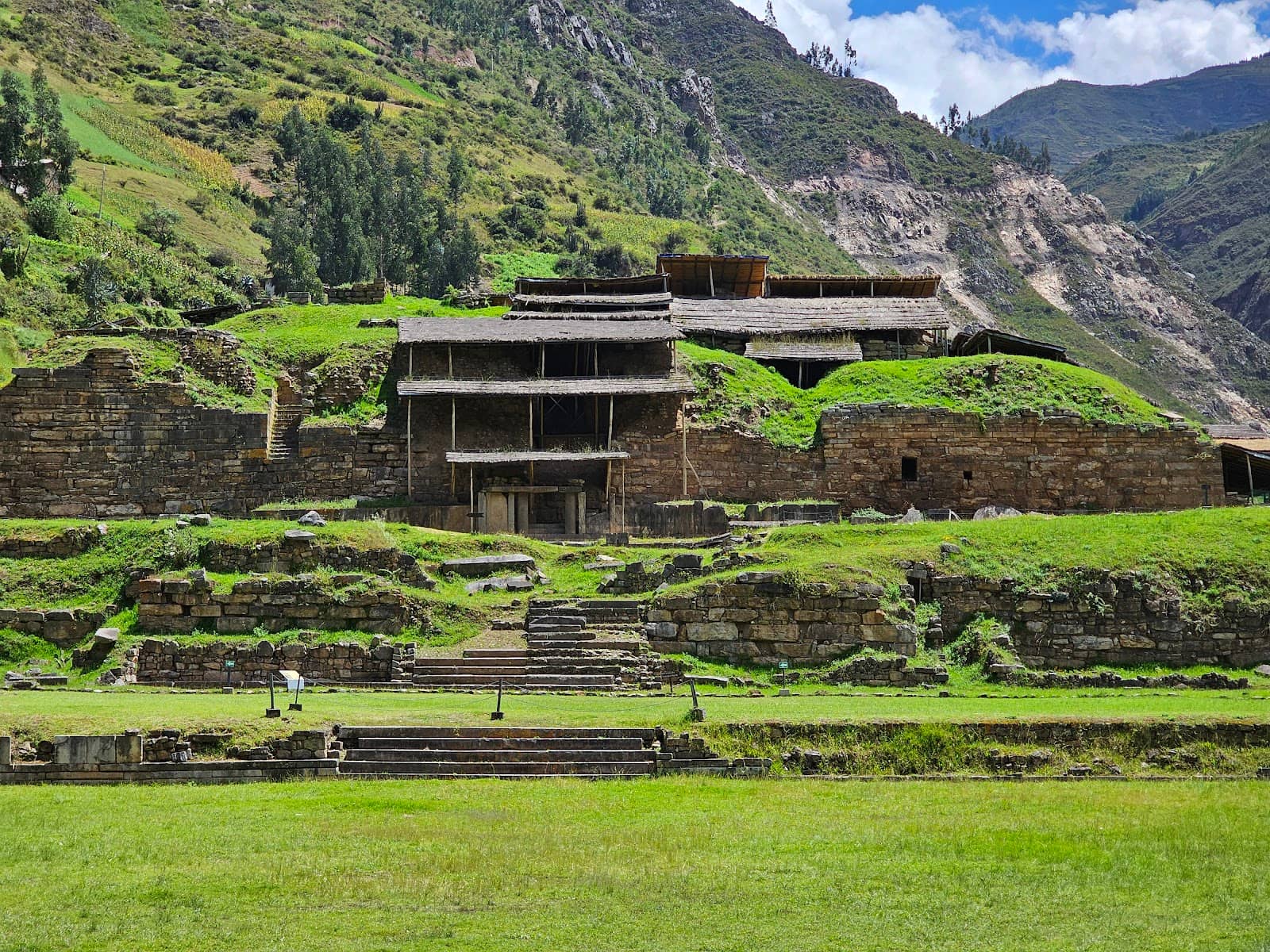
A UNESCO World Heritage site, Chavín de Huántar showcases the advanced architecture and spiritual depth of a pre-Incan civilization.
Highlights
Must-see attractions

Social
From TikTok & Reddit
Best Time
Beat the crowds and heat
Chavín de Huántar
Best Time
Beat the crowds and heat
Highlights
Must-see attractions
A UNESCO World Heritage site, Chavín de Huántar showcases the advanced architecture and spiritual depth of a pre-Incan civilization.
"An incredible experience, a masterpiece of pre-Incan architecture and religious symbolism."
Wear Comfortable Shoes
You'll be doing a lot of walking on uneven terrain and in underground passages. :athletic_shoe:
Bring Water & Snacks
Limited options on-site. Stay hydrated and energized for your exploration. :water_wave: :apple:

Highlights
Discover the most iconic attractions and experiences
Lanzón Monolith
Main Temple
A massive, carved stone depicting a powerful deity, central to Chavín's religious practices. Its intricate details are awe-inspiring.
Underground Galleries
Temple Complex
Explore a network of ancient tunnels with remarkable acoustics and ventilation systems, a testament to Chavín engineering.

Ceremonial Plazas
Main Plaza
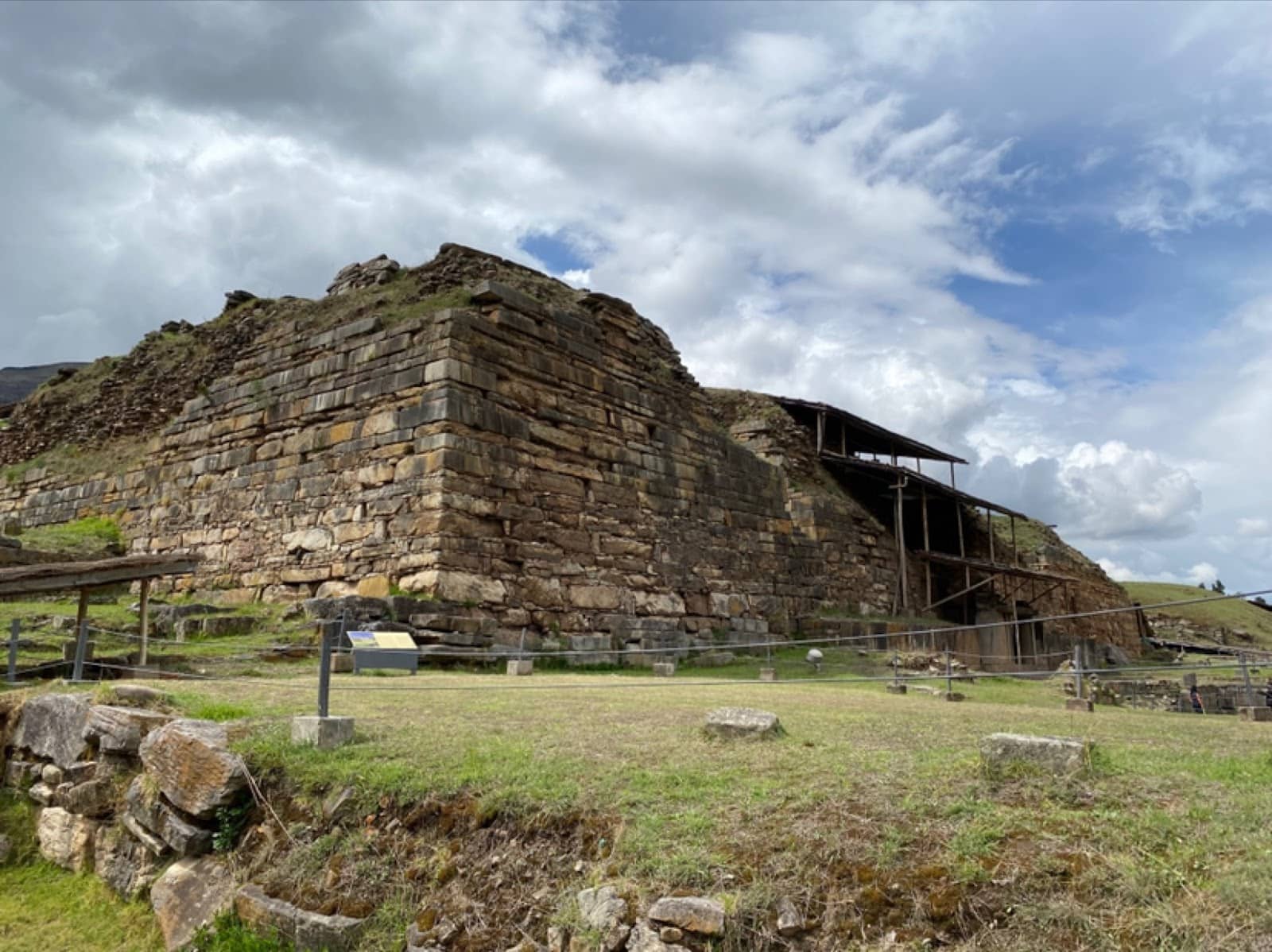
Vast open spaces where ancient rituals took place, surrounded by impressive stone carvings and structures.
Stone Carvings and Reliefs
Throughout the site
Discover intricate stone art depicting jaguars, snakes, and anthropomorphic figures, showcasing Chavín's artistic prowess.
Plans like a pro.
Thinks like you
Planning Your Visit
Altitude Acclimatization is Key
Book a Guided Tour for Deeper Insight
Best Times
Insider Tips
from TikTok, Instagram & Reddit
Wear Comfortable Shoes
You'll be doing a lot of walking on uneven terrain and in underground passages. :athletic_shoe:
Bring Water & Snacks
Limited options on-site. Stay hydrated and energized for your exploration. :water_wave: :apple:
Check Museum Hours
The museum has artifacts from the site. Verify opening times before your visit. :clock1:
Photography Restrictions
Some underground areas prohibit photos, adding to the mystery. Be mindful of signage. :camerawithflash:
Tips
from all over the internet
Wear Comfortable Shoes
You'll be doing a lot of walking on uneven terrain and in underground passages. :athletic_shoe:
Bring Water & Snacks
Limited options on-site. Stay hydrated and energized for your exploration. :water_wave: :apple:
Check Museum Hours
The museum has artifacts from the site. Verify opening times before your visit. :clock1:
Photography Restrictions
Some underground areas prohibit photos, adding to the mystery. Be mindful of signage. :camerawithflash:
Long Bus Ride
Expect a 2+ hour journey from Huaraz. Enjoy the scenic, albeit sometimes treacherous, route. :bus:
What Travellers Say
Reviews Summary
Visitors consistently praise Chavín de Huántar as an incredible and fascinating archaeological experience, highlighting its masterful pre-Incan architecture and religious symbolism. The underground galleries and Lanzón Monolith are standout features. However, the long and sometimes challenging bus journey from Huaraz is a common point of caution, and some find the museum facilities could be improved.
"A long bus ride from Huaraz (over 2 hours each way) but an incredible experience! We travelled through farmland and into the stunning Huascaran National park. Stopped at a glacial lake (has the second scariest toilet in Peru) and drove some treacherous roads, but the site is a masterpiece of pre-Incan architecture and religious symbolism. We checked out the Lanzón Monolith, underground galleries which we able to walk through, ceremonial plazas and intricate stone carvings.
The archeological site is truly amazing but be prepared for a long drive."
Tracey Hughes-Butters
"Fabulous, well researched and maintained historical site revealing critical insights about the development of civilization in the region. Easily accessed from the town."
Marv Pollack
"Fascinating to explore! The museum leaves a little to be desired"
Taylor Cayes
What People Like
What People Dislike
Frequently Asked Questions
🚇 🗺️ Getting There
The most common way is by public bus or organized tour from Huaraz. The journey takes about 2-3 hours and passes through beautiful Andean landscapes. Be prepared for winding roads and high altitudes.
Yes, you can drive if you have your own vehicle or hire a taxi. The roads can be challenging, especially during the rainy season, and require careful navigation.
An organized tour from Huaraz is often the most convenient for a day trip, as it includes transportation and sometimes a guide, maximizing your time at the site.
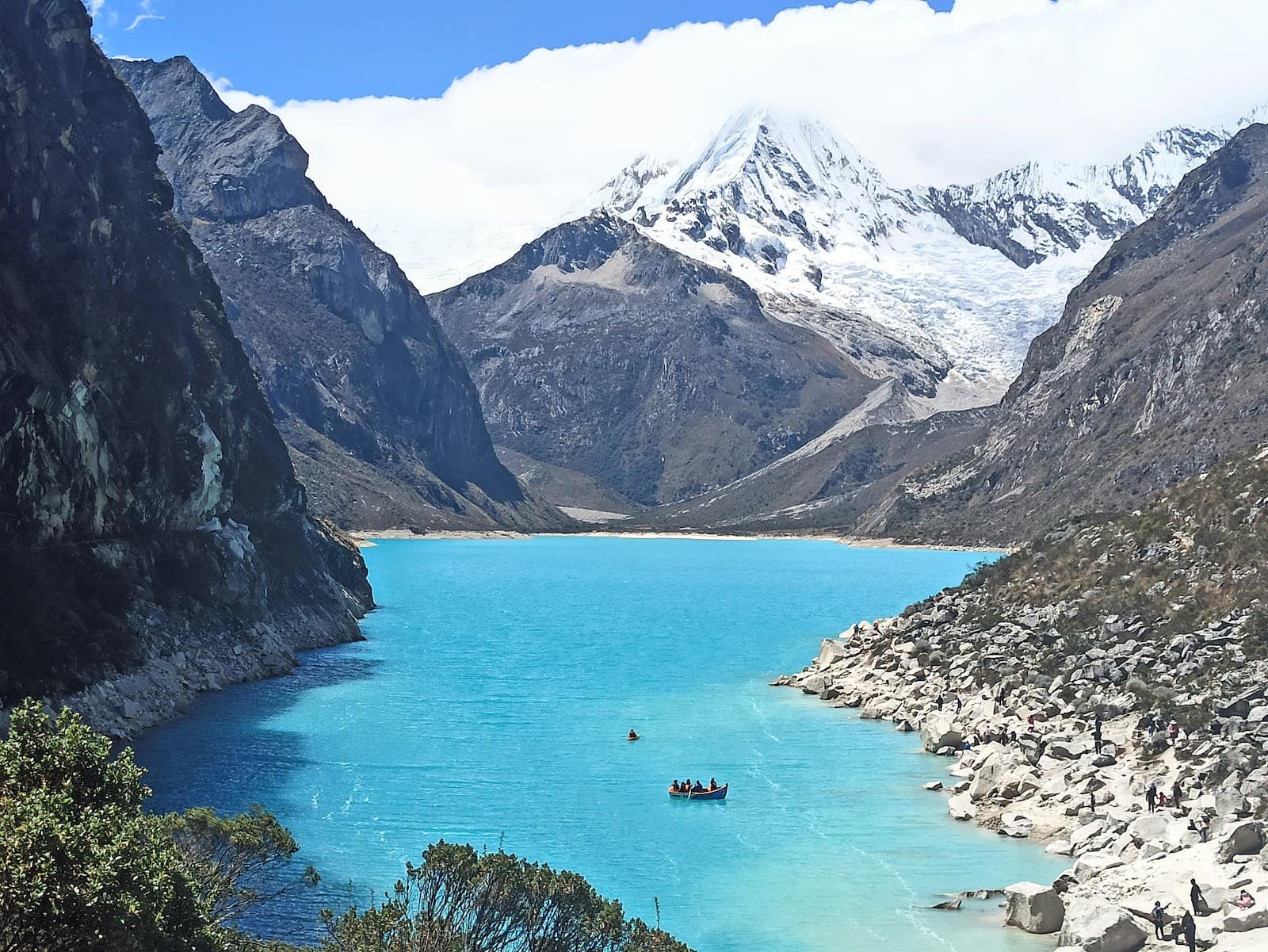
Some tours and buses may stop at scenic viewpoints or glacial lakes, like Laguna Llanganuco, offering additional natural beauty along the route.
The roads are paved for much of the journey but can become unpaved and rough in certain sections, especially as you ascend to higher altitudes.
🎫 🎫 Tickets & Entry
The entrance fee is typically around 15 soles. It's advisable to check the current price upon arrival or through your tour operator.
Generally, you can purchase tickets at the entrance. However, booking in advance through a tour operator is recommended for convenience, especially during peak season.
The archaeological site is usually open from morning until late afternoon, typically around 9 AM to 4 PM. It's best to confirm exact hours before your visit.
Large bags might be restricted. It's a good idea to carry only essentials. Food and drinks are generally allowed, but be respectful of the site.
The museum is located in the nearby town and may have a separate entrance fee. It's worth visiting to see artifacts excavated from the main site.
🎫 🧭 Onsite Experience
Hiring a local guide is highly recommended to understand the history, symbolism, and architecture of the site. They can also navigate the underground passages effectively.
Photography is often prohibited in certain underground sections to preserve the atmosphere and prevent damage. Always check for signage.
Plan for at least 2-3 hours to explore the main site, including the plazas, monoliths, and underground galleries. Add extra time if you visit the museum.
Basic restroom facilities are available. Food and drink options on-site are limited, so it's advisable to bring your own.
Chavín de Huántar is situated at approximately 3,150 meters (10,335 feet) above sea level. Acclimatization in Huaraz is crucial.
📸 📸 Photography
The ceremonial plazas, the exterior of the temples, and the surrounding mountain landscapes offer stunning photographic opportunities. The Lanzón Monolith is also a key subject.
Yes, photography is generally not allowed inside the underground galleries and some other sensitive areas. Be sure to respect these rules.
A versatile lens (like a 24-70mm equivalent) is useful for capturing both wide-angle shots of the plazas and details of the carvings. A wide-angle lens is great for the underground passages if allowed.
Yes, the Lanzón Monolith is a central feature and can be photographed from its designated viewing area. Its scale and detail are impressive.
The underground galleries are dimly lit, often with artificial lighting. This can create a dramatic atmosphere for photos, but may require a higher ISO or tripod if permitted.
For Different Travelers
Tailored advice for your travel style
👨👩👧 Families with Kids
To make the visit more engaging for younger visitors, consider hiring a guide who can simplify the complex history and symbolism into relatable terms. The journey from Huaraz also offers scenic views that can be entertaining. Remember to acclimatize to the altitude to ensure everyone has a comfortable experience.
🏛️ History Buffs & Archaeology Enthusiasts
Engage a knowledgeable guide to fully appreciate the site's historical significance and the architectural prowess of the Chavín people. The museum nearby also houses artifacts that provide further context. Be prepared for a long journey from Huaraz, but the historical rewards are immense.
Deep Dives
In-depth insights and expert knowledge
The Architectural Marvels of Chavín
The Lanzón Monolith, a central deity carved from a single piece of granite, stands as a prime example of Chavín's artistic and religious expression. Its complex iconography, depicting a jaguar-like figure with serpentine and avian features, continues to fascinate archaeologists. The Tello Obelisk and other stelae further reveal the Chavín worldview through their detailed carvings.
Visitors can explore some of these underground passages, experiencing the eerie acoustics and the ingenuity of the ancient builders firsthand. The site's layout and construction suggest a highly organized society with a strong ceremonial and possibly astronomical focus.
Understanding Chavín Culture and Symbolism
The Lanzón Monolith is believed to represent a primary deity, possibly a shaman or priest in a transformed state, embodying the connection between the human and spiritual realms. The Staff God imagery, also prevalent, further emphasizes the Chavín's complex religious beliefs and their reverence for natural forces. The site's design, with its underground chambers and acoustic properties, likely played a crucial role in religious ceremonies, perhaps using sound to induce altered states of consciousness.
While much remains mysterious, the art and architecture of Chavín de Huántar offer profound insights into the spiritual and social organization of this ancient Andean civilization. The site's UNESCO World Heritage status underscores its global importance in understanding early human societies and their complex belief systems.

Social
from TikTok, Instagram & Reddit