Museo de Arte Sacro
Discover colonial history through intricate sacred art, from ancient wooden sculptures to unique indigenous creations, housed in stunning historical b...

Highlights
Must-see attractions

Social
From TikTok & Reddit
Best Time
Fewer crowds, peaceful viewing
Museo de Arte Sacro
Best Time
Fewer crowds, peaceful viewing
Highlights
Must-see attractions
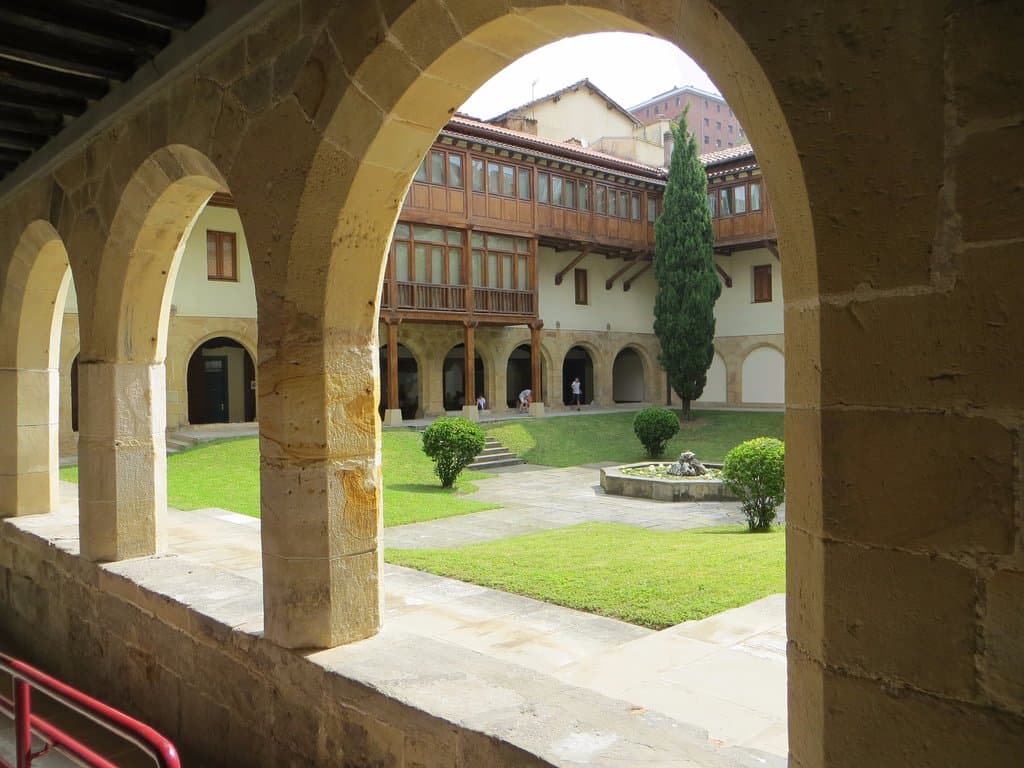
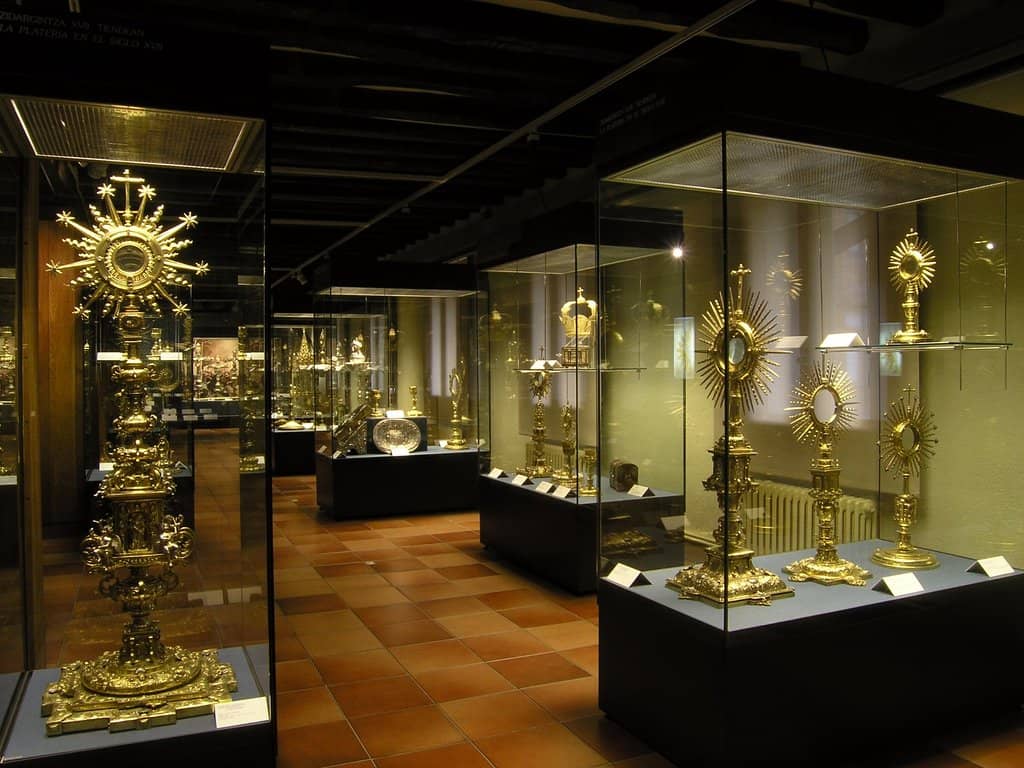
Discover colonial history through intricate sacred art, from ancient wooden sculptures to unique indigenous creations, housed in stunning historical buildings.
"Absolutely worth going to see these intriguing wooden statues left from the Spanish occupation."
🗣️ Engage with Guides
Guides offer fantastic insights into history and art. Their explanations are often in Spanish but highly valuable.
💰 Small Entry Fee
The admission is very affordable, making it a worthwhile cultural experience.
Quick Facts
Hours
Rating
4.7 · 731 reviews
Type
Museum
Highlights
Discover the most iconic attractions and experiences
Colonial-Era Sculptures
Main exhibition rooms
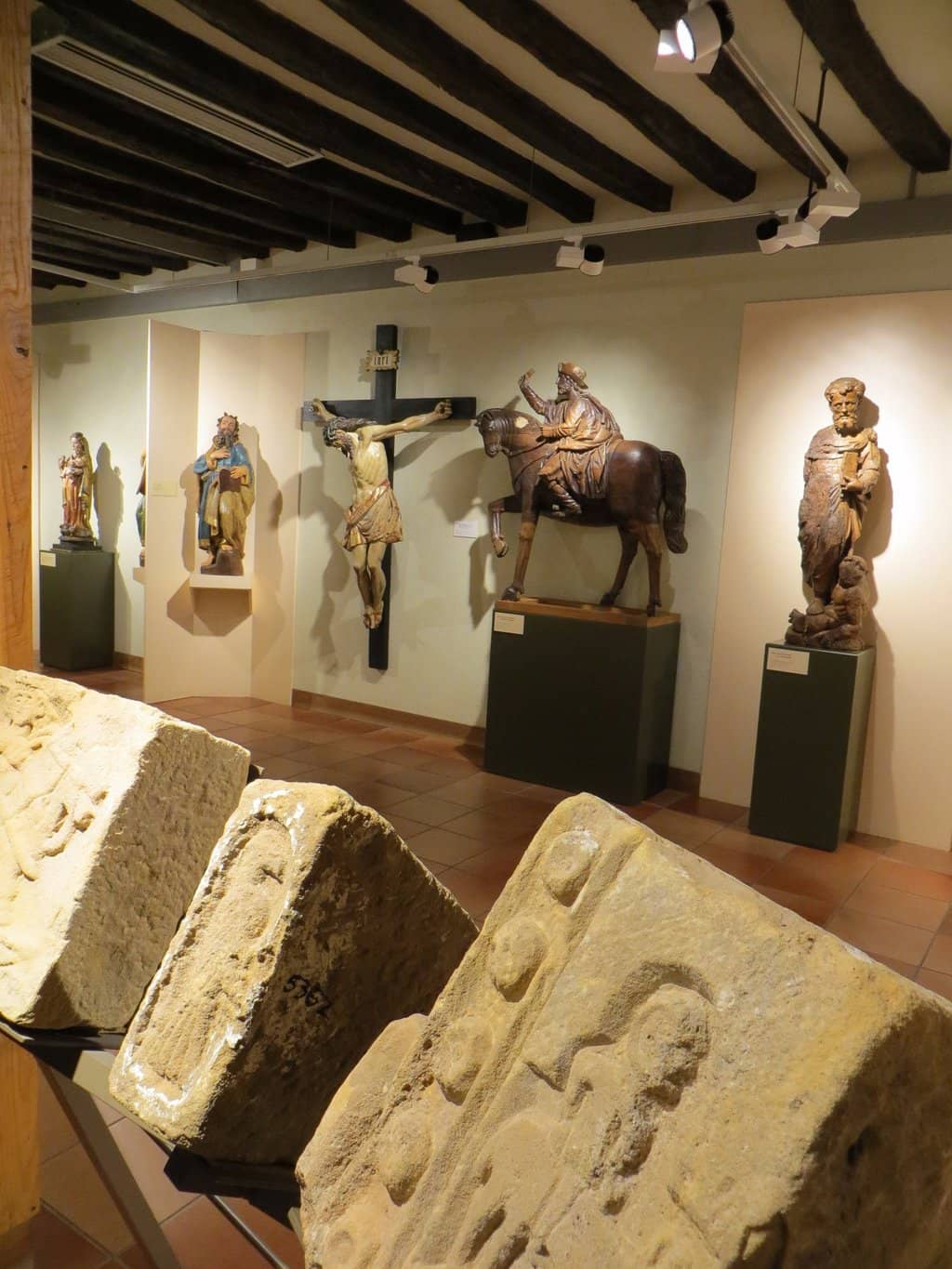
Intriguing wooden statues from over 250 years ago, remnants of the Spanish occupation.
Guarani Indigenous Artistry
Jesuit Reductions exhibits
Remarkable pieces showcasing the artistic treasure produced by the Guarani people during the 17th century.
Restored Italian-Style Villa
Building exterior and interior
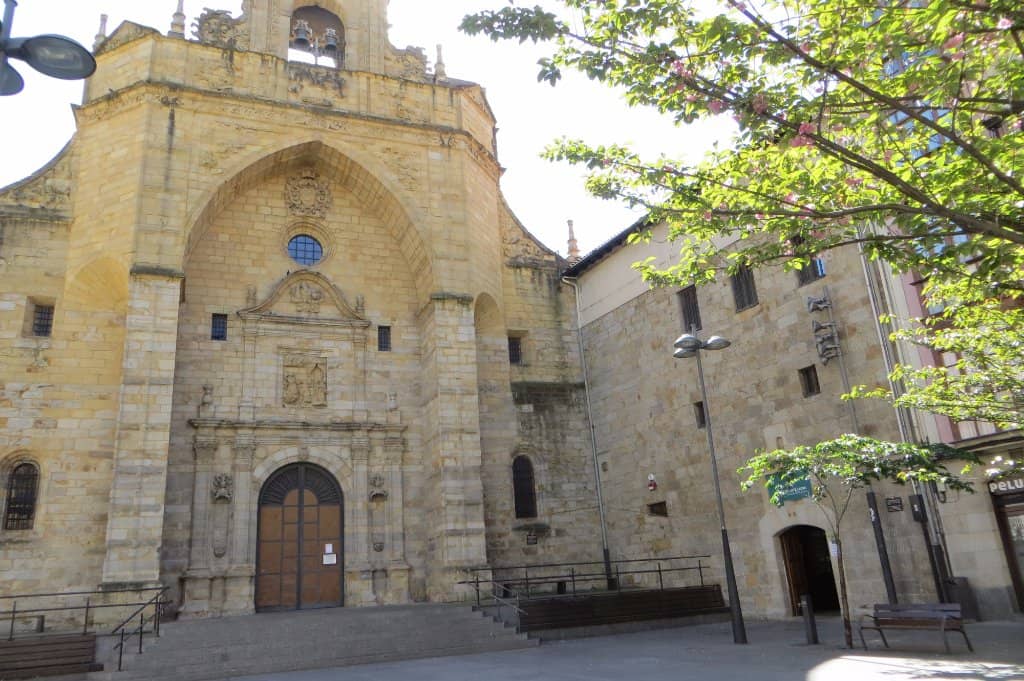
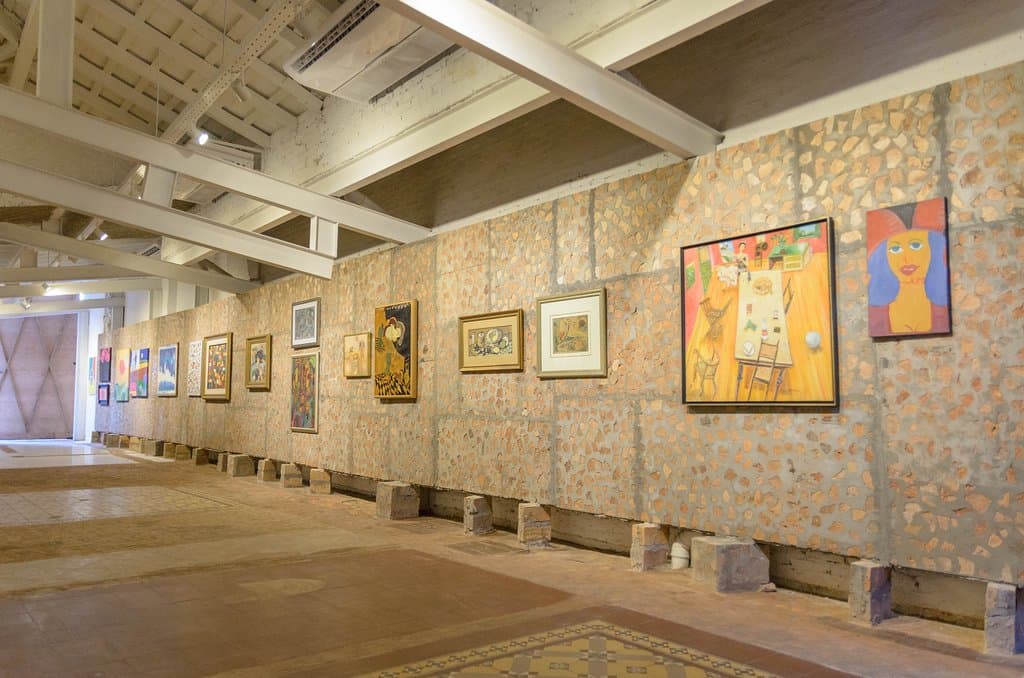
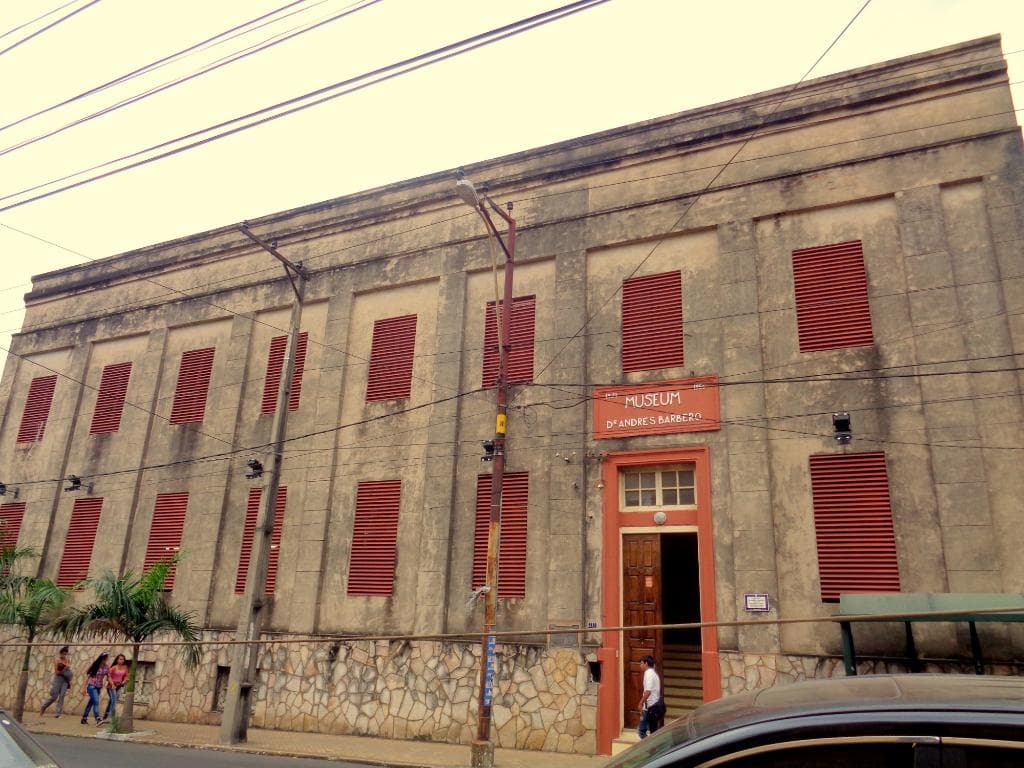
A beautifully restored villa housing the museum, offering a glimpse into historical architecture.
Napolitan Nativity Scene
Special exhibition room (Orihuela)
A spectacular 18th-century Neapolitan Nativity scene, recreating daily life in Naples.

Plans like a pro.
Thinks like you
Planning Your Visit
Timing is Key for a Peaceful Visit
Understand the Art's Context
Best Times
Insider Tips
from TikTok, Instagram & Reddit
🗣️ Engage with Guides
Guides offer fantastic insights into history and art. Their explanations are often in Spanish but highly valuable. +1
💰 Small Entry Fee
The admission is very affordable, making it a worthwhile cultural experience.
🇪🇸 Spanish Signage
Most exhibit descriptions are in Spanish, so brush up or be prepared to ask for help.
🏛️ Beautiful Architecture
Don't forget to admire the building itself, a stunning example of Italian-style villa architecture.
Tips
from all over the internet
🗣️ Engage with Guides
Guides offer fantastic insights into history and art. Their explanations are often in Spanish but highly valuable. +1
💰 Small Entry Fee
The admission is very affordable, making it a worthwhile cultural experience.
🇪🇸 Spanish Signage
Most exhibit descriptions are in Spanish, so brush up or be prepared to ask for help.
🏛️ Beautiful Architecture
Don't forget to admire the building itself, a stunning example of Italian-style villa architecture.
📅 Check for Bazaars
Some museums host local bazaars, offering unique crafts and a lively atmosphere.
What Travellers Say
Reviews Summary
Visitors consistently praise the Museo de Arte Sacro for its valuable collection of colonial-era sacred art, particularly the intriguing wooden sculptures and the unique Guarani artistry. The beautiful historical buildings housing the museums are also a significant draw. While the predominantly Spanish signage can be a barrier, the friendly and informative guides often compensate, offering deep insights into the cultural and historical significance of the exhibits. The low entry fee makes it an excellent value.
"Absolutely worth a visit, there are four rooms full of statues mostly made out of wood, but are very intriguing. They were left from the Spanish occupation of Paraguay more than 250 years ago. I was the only one in the museum. It was a small entry fee and it is absolutely worth going to see here are a few photos below"
John Kulikowski
"Quite a small museum with sacred art created during the colonial period, which means that there are a lot of Christian religious depictions. They are all quite beautiful with signage all in Spanish.
The curator is quite friendly and provided a good 15-minute description about the history of the Guarani people and the significance of the museum.
It's housed in a beautiful building with lots of steps to reach the top."
James
"Small but poignant museum with excellent descriptions of the artifacts (in Spanish only). Excellent view into the cultural mix of the Guaraní and Spanish colonists.
The gentleman at the reception, who also gave us an introduction to the museum and its contents, was wonderful."
Erik Edman
What People Like
What People Dislike
Frequently Asked Questions
🚇 🗺️ Getting There
The museum is often located in the city center, sometimes near the cathedral. For example, in Cuernavaca, it's behind the cathedral.
Parking availability can vary greatly depending on the city. In central areas, street parking might be limited, and it's often easier to rely on public transport or ride-sharing services. It's advisable to check local parking regulations for the specific city you are visiting.
Opening hours can differ between locations and days. Many museums are open during regular business hours on weekdays and may have shorter hours or be closed on certain days. It's always best to check the specific museum's official website or social media for the most up-to-date information before your visit.
Some older buildings housing these museums may have multiple steps, as noted in one review mentioning 'lots of steps to reach the top'. It's recommended to contact the specific museum in advance to inquire about accessibility options if this is a concern.
Photography policies can vary. While some museums allow non-flash photography, others may restrict it to protect the artifacts. It's best to look for signage or ask a staff member upon arrival to confirm their policy.
🎫 🎫 Tickets & Entry
Entry fees are generally very affordable, with one mention of a small fee around $3 USD
For most Museo de Arte Sacro locations, advance booking is typically not required due to the low entry fees and often low visitor numbers. However, if you are visiting during a special event or a peak tourist season, it might be worth checking if pre-booking is recommended.
In some locations, like Caracas, your ticket to the Museo de Arte Sacro might also grant you access to nearby attractions, such as the Palacio Arzobispal.
Given the size of these museums, a visit is usually quite brief, often around 30 minutes to an hour. However, if you engage deeply with the exhibits or take a guided tour, you might spend a bit longer.
There is generally no strict dress code for visiting a Museo de Arte Sacro. However, as these are places of religious art and history, dressing respectfully is always a good practice. Avoid overly casual or revealing attire.
🎫 🧭 Onsite Experience
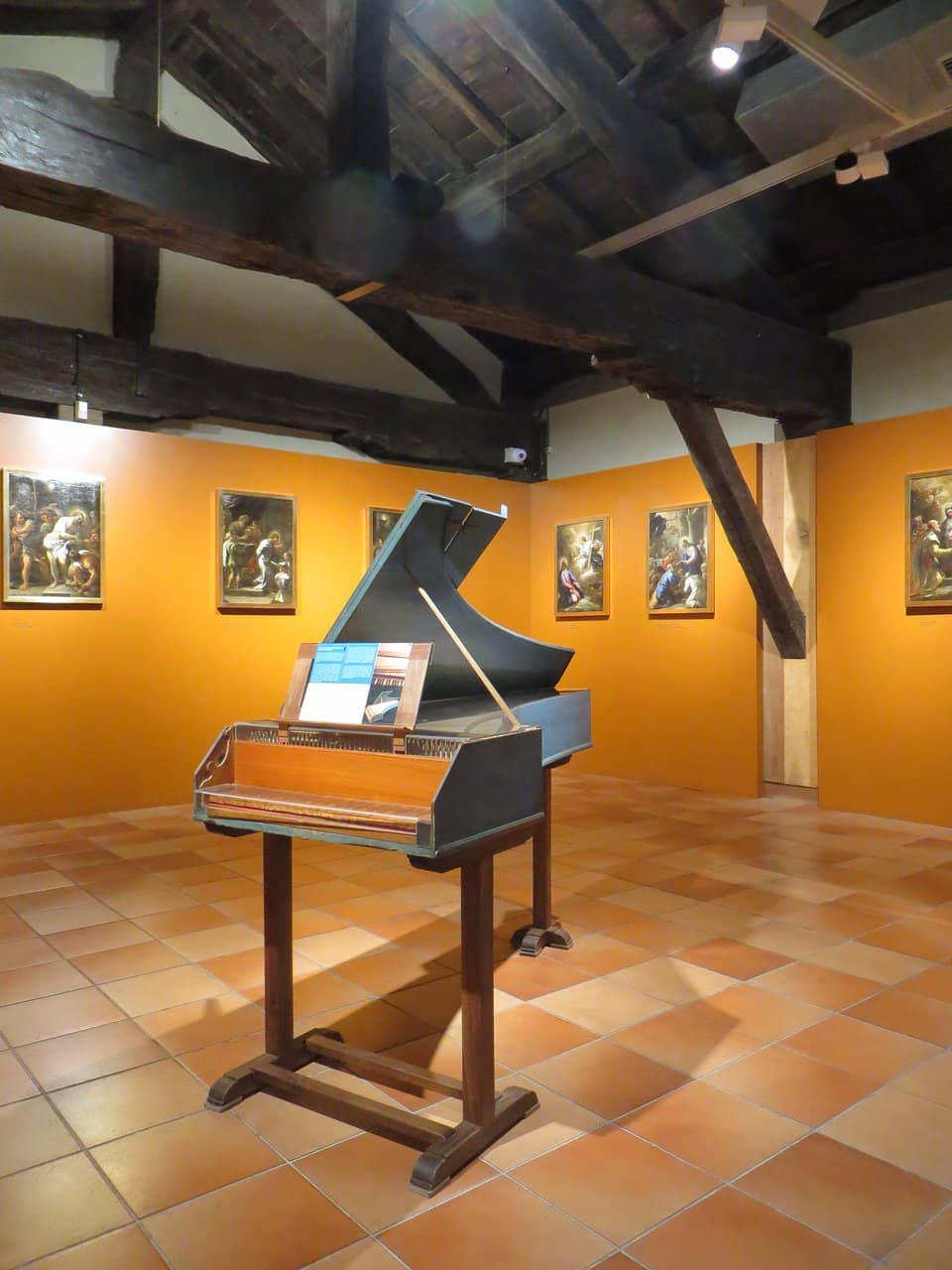
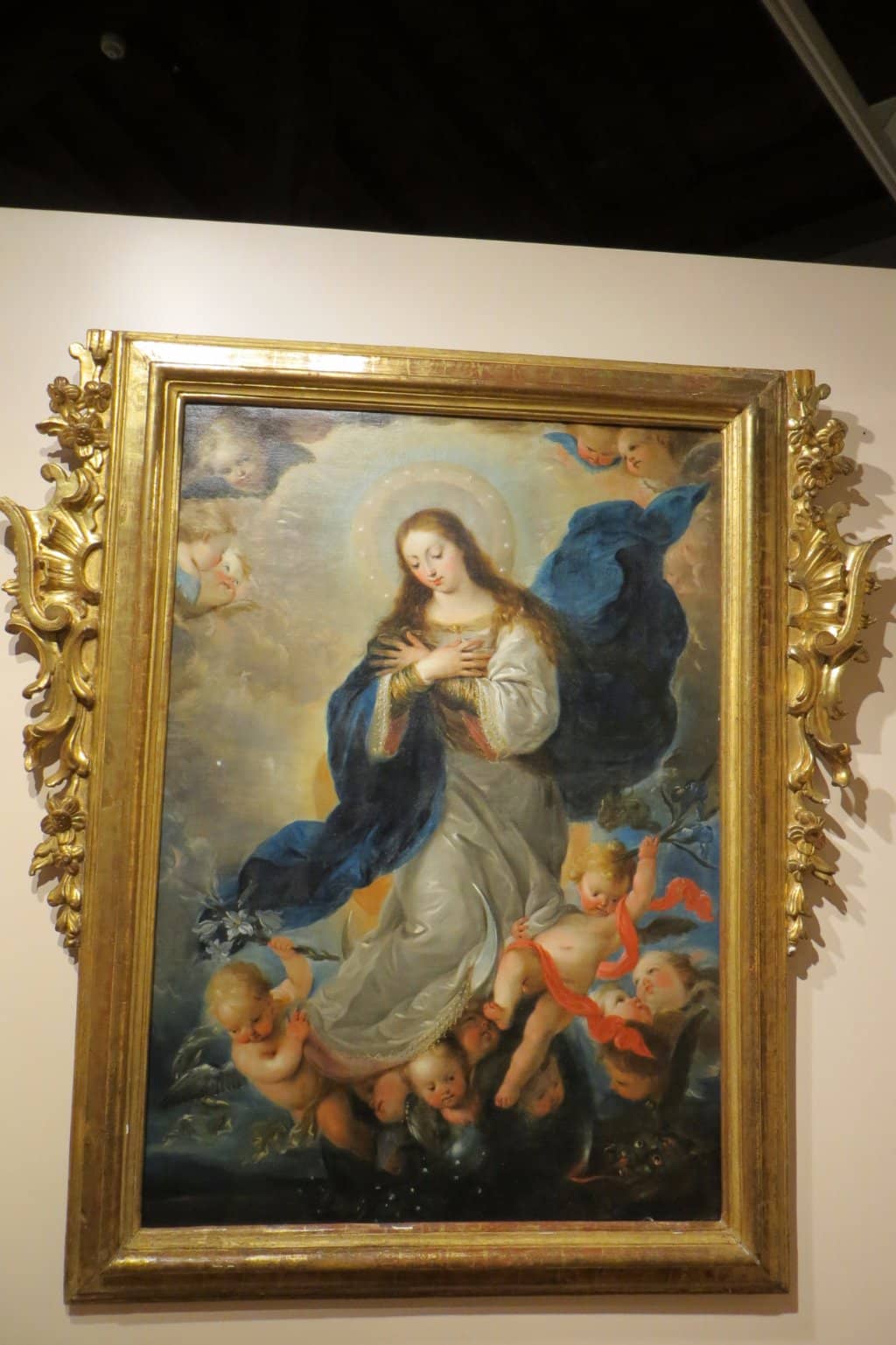
You'll find a significant collection of sacred art, primarily religious depictions created during the colonial period. This includes wooden statues, paintings, and religious artifacts, often showcasing the blend of indigenous and European artistic styles. +1
Unfortunately, signage and descriptions are predominantly in Spanish. However, many visitors report that the guides are excellent and can provide detailed explanations, though often in Spanish as well.
+1
The art created by the Guarani people, particularly within the Jesuit Reductions, represents a significant artistic treasure from Paraguay's colonial period. It often reflects their unique cultural interpretations of religious themes.
While most exhibits are static displays of art and artifacts, some museums might have recreated historical settings, like a colonial cell, to offer a more immersive experience.
The Belén Napolitano is a highly detailed 18th-century artwork that recreates the daily life of Naples around the birth of Jesus, offering a unique perspective on historical artistry and craftsmanship.
🍽️ 🍽️ Food & Dining
It is uncommon for small Museo de Arte Sacro locations to have on-site restaurants or cafes. Visitors are usually expected to dine outside the museum premises.
Since these museums are often located in city centers, you'll typically find a variety of local eateries, cafes, and restaurants nearby. Exploring the surrounding streets will likely reveal many options to suit different tastes and budgets.
Generally, bringing outside food and drinks into museum exhibition areas is not permitted to protect the artifacts. There might be designated areas outside the galleries where you can consume them.
Most cities with a Museo de Arte Sacro will have diverse culinary scenes. You can usually find vegetarian and vegan options by looking for restaurants specializing in local cuisine or international fare, or by checking online reviews.
Dining prices near central museums can vary widely. You can find budget-friendly local eateries offering traditional dishes, as well as more upscale restaurants. It's advisable to check menus and reviews beforehand to gauge prices.
📸 📸 Photography
Photography policies vary by location. While some museums permit non-flash photography, others may prohibit it entirely to preserve the artwork. Always check for signage or ask staff for clarification.
The intricate details of the sculptures, the historical architecture of the buildings, and any special exhibits like the Napolitan Nativity Scene
Close-up shots highlighting the craftsmanship of the sculptures and artifacts, as well as wider shots capturing the architectural beauty of the museum building, are highly recommended. The historical context of the art also provides a unique narrative for photography.
It is almost always recommended to avoid using flash photography inside museums. The intense light can damage delicate artworks over time. Most museums explicitly prohibit flash photography.
Professional photography or videography, including the use of tripods or extensive equipment, often requires special permission from the museum administration. It's best to contact the museum in advance if you plan on conducting a professional shoot.

Social
from TikTok, Instagram & Reddit