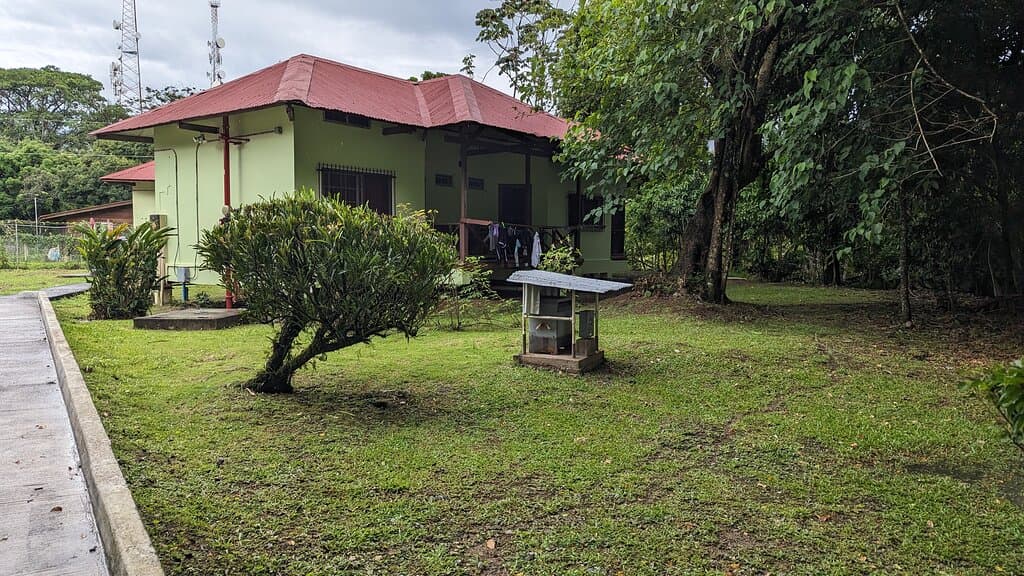
Smithsonian Bocas del Toro Research Station
A vital marine research hub in Bocas del Toro, offering glimpses into cutting-edge science and conservation efforts.
Highlights
Must-see attractions

Social
From TikTok & Reddit
Best Time
Limited hours, arrive on time!
Smithsonian Bocas del Toro Research Station
Best Time
Limited hours, arrive on time!
Highlights
Must-see attractions
A vital marine research hub in Bocas del Toro, offering glimpses into cutting-edge science and conservation efforts.
"Inspiring to see real scientists at work and learn about the local biosphere's protection. "
🎯 Verify Tour Schedule
Hours are limited & not daily. Check the website beforehand! :calendar:
📝 Have Passport Info Ready
You'll need to sign in with passport numbers. :memo:

Highlights
Discover the most iconic attractions and experiences
Coral Research Insights
Dive Sites
Discover unique coral formations compressed at shallower depths due to local sediment layers. Ideal for coral enthusiasts!
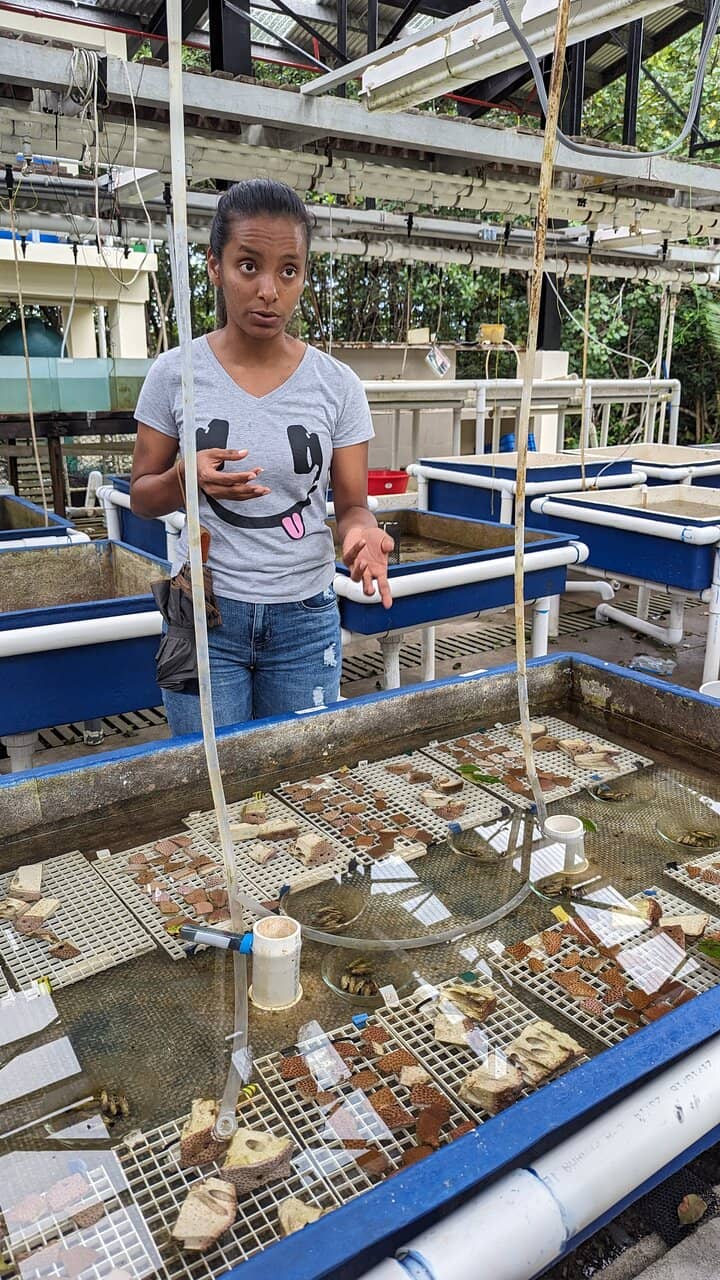
Active Scientific Experiments
Research Labs
Witness real scientists at work and see ongoing experiments that contribute to understanding our planet's future.

Local Biosphere Exploration
Surrounding Areas
Gain a deep understanding of the local environment and the dedication to its protection.
Plans like a pro.
Thinks like you
Planning Your Visit
Check Visiting Hours & Days
Prepare for Sign-In Procedures
Best Times
Insider Tips
from TikTok, Instagram & Reddit
Mat of wild Zoanthids at STRI Bocas del Toro
🎯 Verify Tour Schedule
Hours are limited & not daily. Check the website beforehand! :calendar:
📝 Have Passport Info Ready
You'll need to sign in with passport numbers. :memo:
🚤 Boat Access Recommended
Renting a boat offers flexibility for reaching the station. :boat:
🤿 Dive for Coral Enthusiasts
Unique coral viewing opportunities at shallower depths. :scuba_mask:
Tips
from all over the internet
🎯 Verify Tour Schedule
Hours are limited & not daily. Check the website beforehand! :calendar:
📝 Have Passport Info Ready
You'll need to sign in with passport numbers. :memo:
🚤 Boat Access Recommended
Renting a boat offers flexibility for reaching the station. :boat:
🤿 Dive for Coral Enthusiasts
Unique coral viewing opportunities at shallower depths. :scuba_mask:
What Travellers Say
Reviews Summary
Visitors praise the informative and inspiring nature of the tours, highlighting the dedication of the scientists and the importance of their research. However, the extremely limited and often unpredictable visiting hours can lead to significant disappointment for those who don't meticulously check the schedule.
"A delightful and informative afternoon! I wish I wrote down the name of our guide because she was amazing. Note their hours!! You need to arrive on time for their tours and they are not every day. Please consult the website. Also, they had us sign in (it is a government site) and tell them our passport numbers so have those handy! (not your passports, but the numbers).
With that said, my daughter is a scientist (chemistry major at Chapel Hill in the states) and if there is a Smithsonian research center anywhere nearby, we really try to go. We even boated to some that were very far away in other countries, as it is so helpful to see real scientists in real settings doing real work to inspire future generations.
Science is not always glamorous, but it is so rewarding and important for the future of our planet! We saw several experiments in process, learned about other ongoing historical work (lots of artifacts to still unpack!) learned the history of this particular site, saw the housing buildings, discussed process and safety and diving and collaboration and so much more. We boated there (we rented our own boat) and after a brief bit of confusion (gosh, I need to learn to speak better Spanish) we were walked to the front to sign in (see above) and then the tour began.
Post-tour they let us walk to the nearby store and then come back to our boat; it is difficult for us to get groceries since we are so far out from any stores (staying at a remote overwater bungalow).
Thank you again to our tour guide (sorry I forgot your name!) Your tour was inspiring!"
Lockie Hunter
"We visited the research center and learned so much about the local biosphere. It was inspiring to see the dedication to protecting the environment while involving the local community. Highly recommend a visit if you want to understand the real beauty of this place. It is open 2 times a week only for 1 hour because there are real research and no tourist at all"
Petr Vančata
"It's a shame but we can't give a good rating when they tell you that the visiting hours are from 2:30 to 3:30, we get there at 2:45 and they have us waiting in the sun for 45 minutes and then tell you that it's not possible to do it because the visiting hours are over. We were really looking forward to it and we were very disappointed."
Albert Andreu i Koning
What People Like
What People Dislike
Frequently Asked Questions
🚇 🗺️ Getting There
The research station is best accessed by boat. Many visitors rent their own boats for flexibility, or inquire about local boat tours that might include a stop. It's important to note that it's a government research site, not a typical tourist attraction, so access is limited.
As the station is primarily accessed by water, dedicated visitor parking is unlikely. If arriving by private boat, docking arrangements would need to be confirmed.
Depending on your accommodation's location in Bocas del Toro, walking might be possible, but boat access is generally more direct and common for reaching the station.
🎫 🎫 Tickets & Entry
The research station is not a typical ticketed attraction. However, visitors must sign in and provide passport numbers as it is a government research site. Always check their official website for any specific entry requirements or tour availability.
Visiting hours are extremely limited, often only once or twice a week for a single hour. It is crucial to consult the official Smithsonian Bocas del Toro Research Station website for the most current and accurate schedule to avoid disappointment.
Yes, guided tours are offered and highly recommended to get the most out of your visit. The guides provide valuable insights into the ongoing research and the local biosphere.
You will need to sign in and provide your passport number. It's also advisable to bring water and sun protection, as you might wait in the sun before your tour begins.
While not a traditional ticketed attraction, it's best to check the official website for any potential fees or donation suggestions. The focus is on research, so access might be managed differently than a public museum.
🎫 🧭 Onsite Experience
Visitors can learn about ongoing scientific research, see experiments in progress, and gain insights into the local biosphere and conservation efforts. It's an inspiring place to see real science in action.
The station can be inspiring for children, especially those interested in science. Seeing scientists at work in a real research setting can spark curiosity and encourage future scientific pursuits.
Attending a guided tour is highly recommended. The guides are knowledgeable and can explain the complex research in an accessible way, making the visit more informative and engaging.
Photography policies may vary. It's best to ask your guide or check for any posted signage regarding photography, especially in active research areas.
The station has a history of scientific work and houses artifacts from past research. Learning about its historical contributions adds another layer to the visitor experience.
🍽️ 🍽️ Food & Dining
The research station is focused on scientific work, so food services for visitors are generally not available. It's advisable to eat before your visit or plan to visit a nearby store or restaurant afterward.
While not explicitly stated, it's generally good practice to be mindful of research environments. Bringing water is essential, but large meals might be best consumed elsewhere. Check for any specific rules upon arrival.
After your visit, you can head to a nearby store or restaurant. Some visitors have mentioned visiting a local store post-tour.
📸 📸 Photography
Capture the unique marine life, the research facilities, and the dedication of the scientists. The surrounding natural beauty of Bocas del Toro also offers great photographic potential.
It's always a good idea to confirm photography rules with your guide or look for signage, especially in active research areas, to ensure you're respecting the scientists' work.
A versatile lens that can handle both wider shots of the environment and closer details of experiments would be beneficial. Consider a waterproof camera if you plan on any marine activities nearby.
For Different Travelers
Tailored advice for your travel style
👨👩👧 Families with Budding Scientists
Key tips for families: Plan your visit meticulously around the station's limited hours. Ensure children are aware of the sign-in procedures. While the station is educational, it's not a playground, so emphasize respectful observation. Consider packing snacks and drinks, as facilities are minimal. The experience can be a fantastic way to spark a lifelong interest in STEM fields.
🐠 Coral Enthusiasts & Marine Biologists
During your visit, pay close attention to the coral research insights shared by the guides. You'll learn about the specific adaptations of these corals and the ongoing efforts to understand and protect them. If you have diving experience, inquire about any opportunities or nearby sites that might offer further exploration of these fascinating underwater ecosystems.
Deep Dives
In-depth insights and expert knowledge
Understanding the Research Focus
Visitors can gain a fascinating glimpse into this work. Tours often highlight active experiments and discuss the historical research conducted at the site. It's a chance to see science not just as a concept, but as a tangible, ongoing process dedicated to understanding and preserving our planet's oceans. The dedication of the scientists and the importance of their work for the future are palpable during a visit.
Planning Your Visit: Practicalities
Upon arrival, be prepared for a government site sign-in procedure, which includes providing passport numbers.


Social
from TikTok, Instagram & Reddit