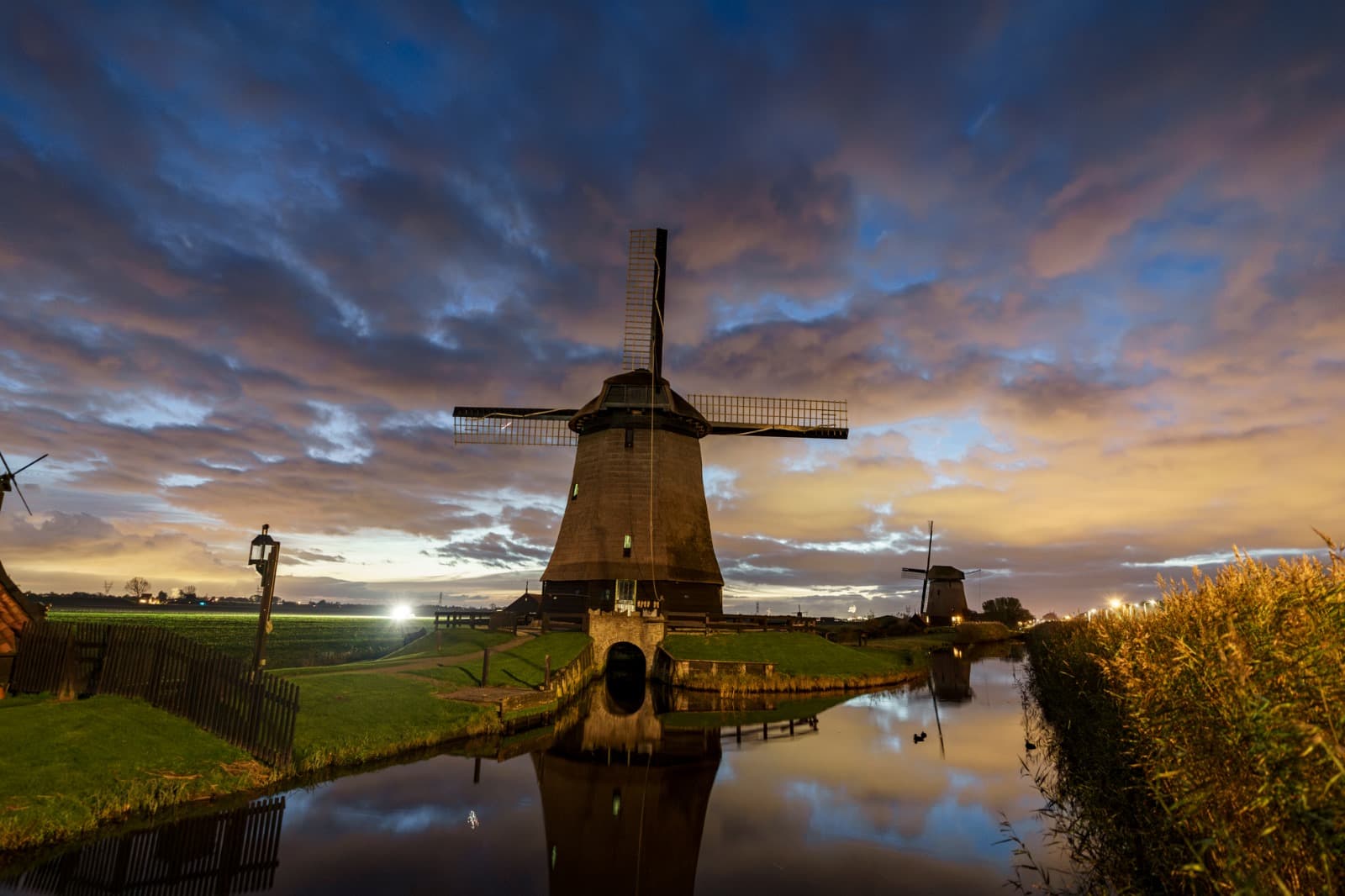
Schermerhorn Museum Mill
Step inside a historic Dutch windmill and discover the ingenuity of land reclamation. A peaceful, educational journey into water management.
Highlights
Must-see attractions

Social
From TikTok & Reddit
Best Time
Fewer crowds, peaceful exploration
Schermerhorn Museum Mill
Best Time
Fewer crowds, peaceful exploration
Highlights
Must-see attractions
Step inside a historic Dutch windmill and discover the ingenuity of land reclamation. A peaceful, educational journey into water management.
"An authentic windmill in the polders, where you can experience how the Dutch reclaimed land!"
🎥 Watch the Intro Film
Don't skip the film! It's available in English and explains the windmill's history and function.
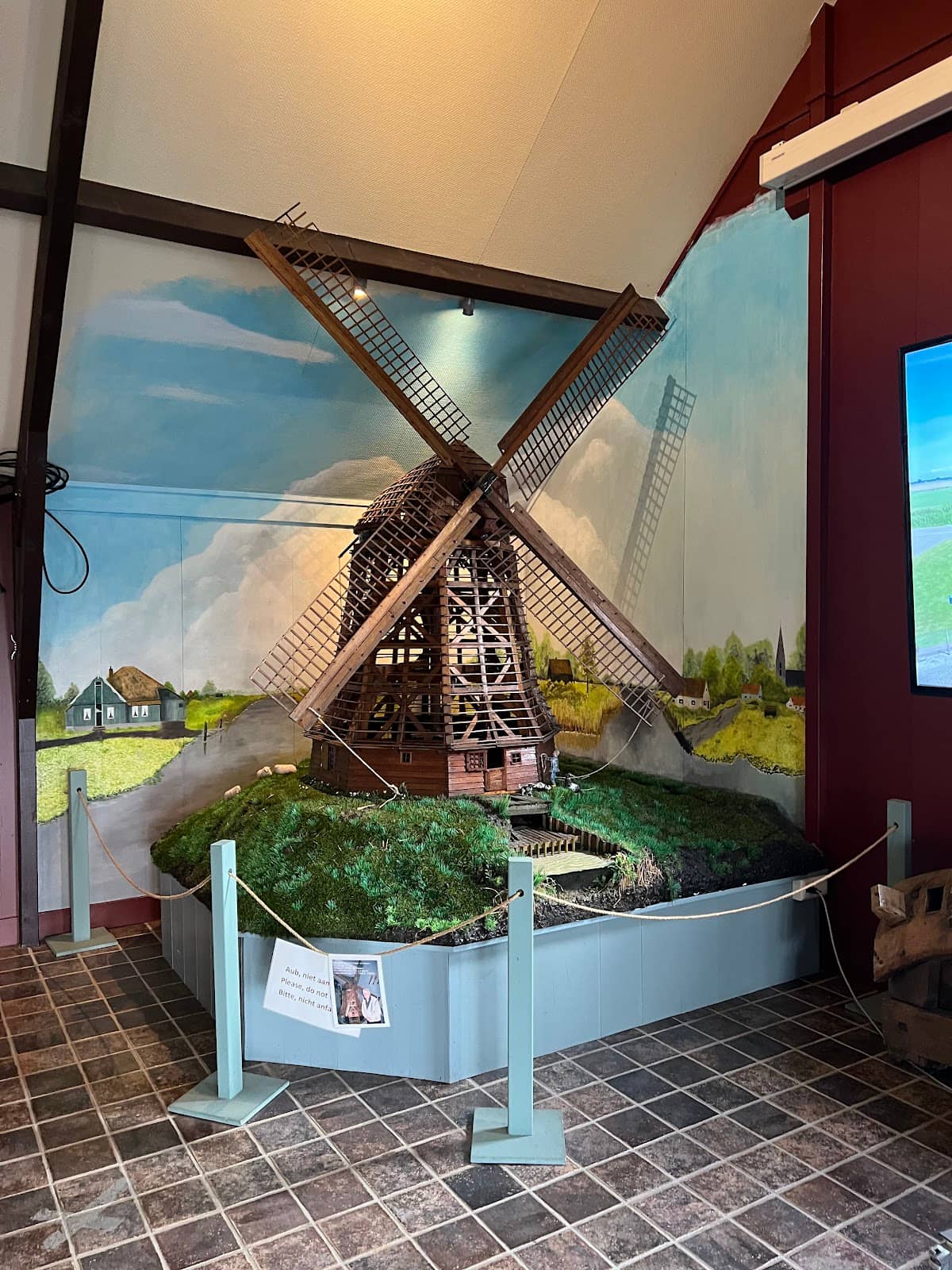
🚶♀️ Explore the Interior
Climb the ladders to see the machinery and furnished living quarters. It's a unique experience!
Highlights
Discover the most iconic attractions and experiences
Inside the Museum Mill
Schermerhorn Museum Mill
Climb ladders to see the inner workings and furnished living spaces of a historic polder mill.
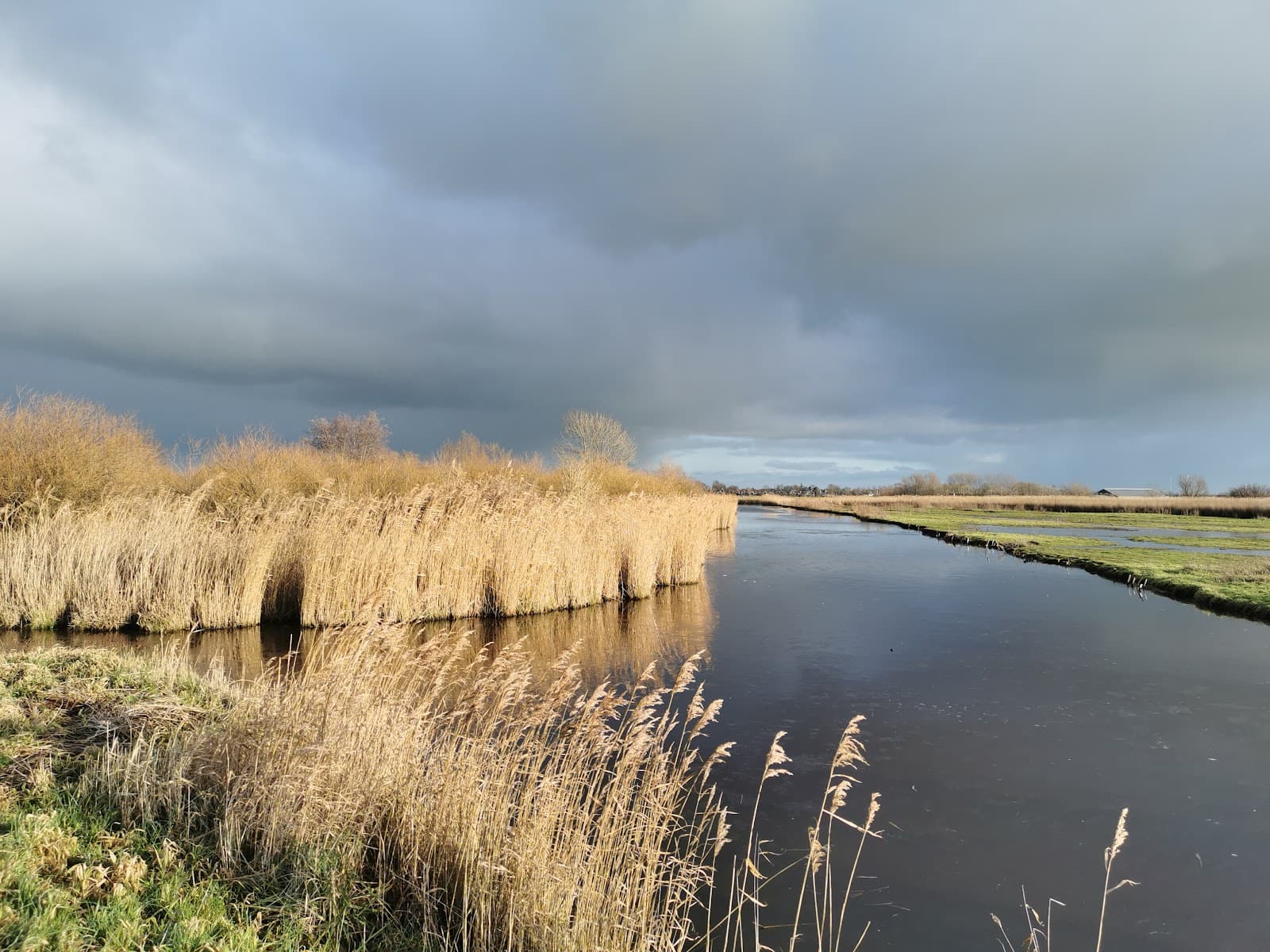
Polder Landscape
Schermerhorn
Enjoy the scenic beauty of the polders, a testament to Dutch land reclamation.
Water Management History
Schermerhorn Museum Mill
Learn about the vital role windmills played in drying the land and creating the Netherlands.
Plans like a pro.
Thinks like you
Planning Your Visit
Experience Authentic Dutch Water Management
Plan Your Visit Duration
Best Times
Insider Tips
from TikTok, Instagram & Reddit
🎥 Watch the Intro Film
Don't skip the film! It's available in English and explains the windmill's history and function.
🚶♀️ Explore the Interior
Climb the ladders to see the machinery and furnished living quarters. It's a unique experience!
🎁 Souvenir Shop Finds
Check out the shop for local gifts, including honey and honey wine.
🚗 Easy Parking
Campervan and car parking is conveniently located nearby.
Tips
from all over the internet
🎥 Watch the Intro Film
Don't skip the film! It's available in English and explains the windmill's history and function.
🚶♀️ Explore the Interior
Climb the ladders to see the machinery and furnished living quarters. It's a unique experience!
🎁 Souvenir Shop Finds
Check out the shop for local gifts, including honey and honey wine.
🚗 Easy Parking
Campervan and car parking is conveniently located nearby.
What Travellers Say
Reviews Summary
Visitors praise the Schermerhorn Museum Mill for its authentic experience of Dutch water management and its scenic location. It's highlighted as a peaceful, educational stop, particularly for its well-preserved interior and informative film. While a short visit, it's considered time well spent.
"A great visit away from crowds! An authentic windmill in the polders, where you can experience how the Dutch reclaimed land and made their country! A fine example of water management at a scenic location!"
Konstantina Roussou
"A chance find for us as we happened to pass and saw we could stop and park our camper easily. There was an introductory film (thankfully available in English for us!) then the opportunity to explore one of the old windmills which was interestingly furnished to show what life was like. Being able to scale the ladders inside the windmill and look at the roughly fashioned but effective mechanism was great. Well worth a visit"
richard pierson
"Was interesting to see how the windmill works. In souvenir store you can find gifts, honey and honey wine. Enter cost 5€. Good place to visit with kids."
Татьяна Петкевич
What People Like
What People Dislike
Frequently Asked Questions
🚇 🗺️ Getting There
The museum mill is located in the picturesque village of Schermerhorn. If you're driving, there's convenient parking available nearby, even for campervans. Public transport options might require a combination of bus and walking, so checking local transit schedules is recommended.
Yes, Schermerhorn is accessible by car, and parking is generally straightforward, especially near the museum mill. This makes it a good destination for a road trip through the Dutch countryside.
Absolutely! Cycling through the polders to reach the mill is a fantastic way to experience the landscape. The area is known for its beautiful cycling routes.
🎫 🎫 Tickets & Entry
The admission fee is approximately 5 euros per person. It's a small price for an insightful glimpse into Dutch history and engineering.
While specific discount details aren't always listed, the museum is considered a good place to visit with kids, suggesting it's family-friendly. It's always best to check their official website or inquire upon arrival for any family packages.
Opening hours can vary seasonally. It's advisable to check the official museum website or local listings before your visit to confirm current operating times.
For most visits, booking in advance is not strictly necessary, especially on weekdays. However, during peak tourist seasons or for group visits, it might be a good idea to inquire about reservations.
🎫 🧭 Onsite Experience
Most visitors find that 30 to 60 minutes is sufficient to enjoy the museum mill. This allows time for the introductory film and exploring the windmill's interior.
Yes, it's a great place for kids! They can learn about water management and experience climbing inside a historic windmill.
Photography is generally allowed inside the windmill, allowing you to capture the unique machinery and historical setting.
Inside, you'll find the intricate machinery that powered the mill, as well as furnished rooms that depict what life was like for the millers and their families.
Yes, the introductory film is available in English, making the historical context accessible to international visitors.
🍽️ 🍽️ Food & Dining
While the museum mill itself might have limited food options, the souvenir shop often sells local products like honey and honey wine. The village of Schermerhorn likely has local cafes or restaurants nearby for a more substantial meal.
Picnicking is usually permitted in designated outdoor areas near attractions. It's best to check with the museum staff upon arrival about their specific policies regarding outside food.
📸 📸 Photography
The windmill itself against the backdrop of the polder landscape is iconic. Don't forget to capture the intricate details of the machinery inside and the charming village surroundings.
Yes, photography is generally permitted inside the museum mill, allowing you to document the historical machinery and living quarters.
Many visitors enjoy capturing the rustic charm of the windmill, the expansive polder views, and the engineering marvels of the water management system.
For Different Travelers
Tailored advice for your travel style
👨👩👧 Families with Kids
It's a hands-on experience that brings history to life, far more engaging than just reading about it. The surrounding polder landscape also offers a chance for kids to run around and enjoy the open space. Remember to supervise children closely when climbing the mill's ladders.

🚶♀️ Solo Travelers & Couples
Spend a quiet hour exploring the mill, learning about its function, and enjoying the serene polder views. It's a perfect stop for those interested in engineering, history, or simply appreciating the unique Dutch landscape. The nearby village also offers charming spots for a coffee or a leisurely stroll.
📸 Photography Enthusiasts
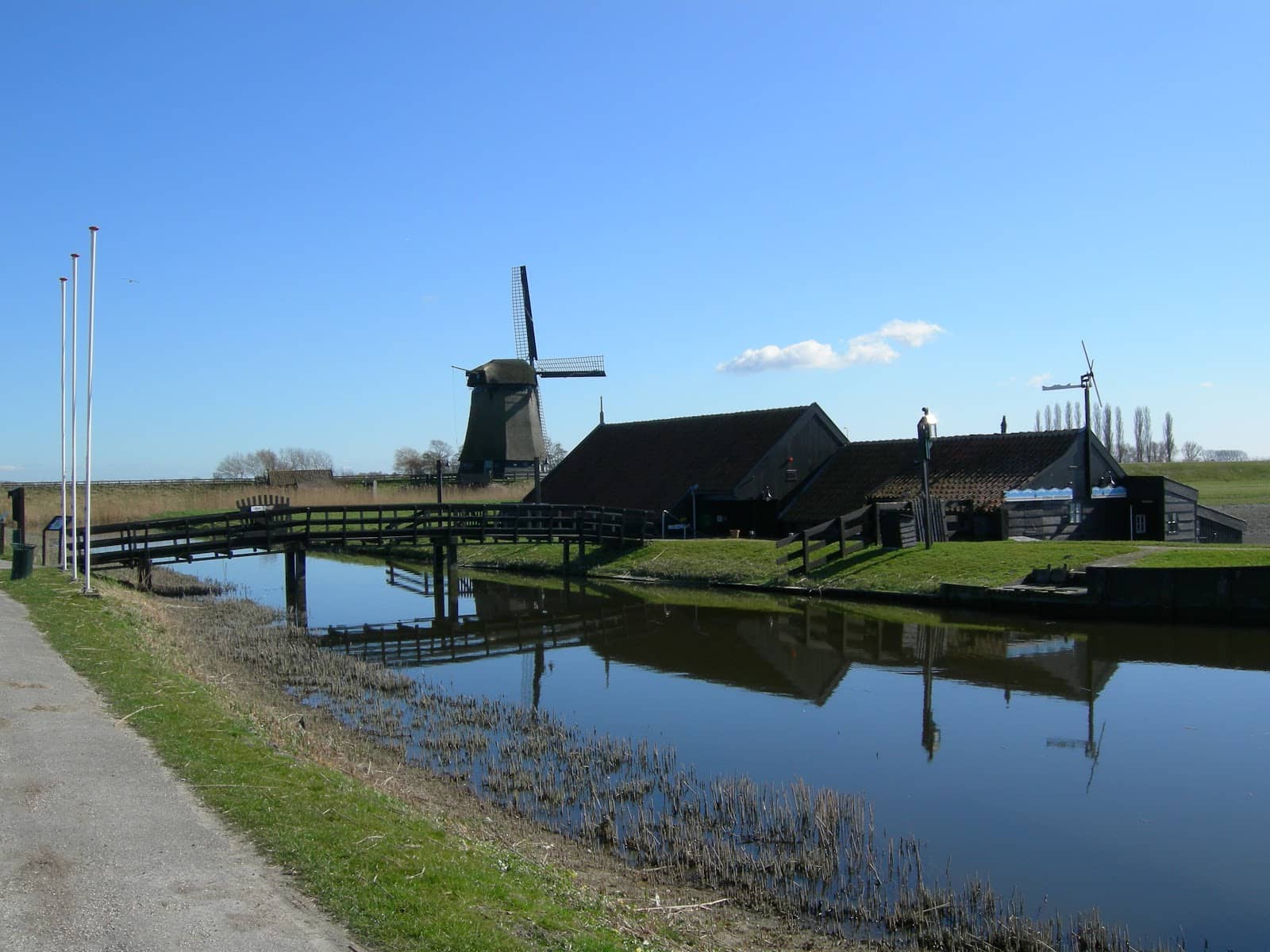
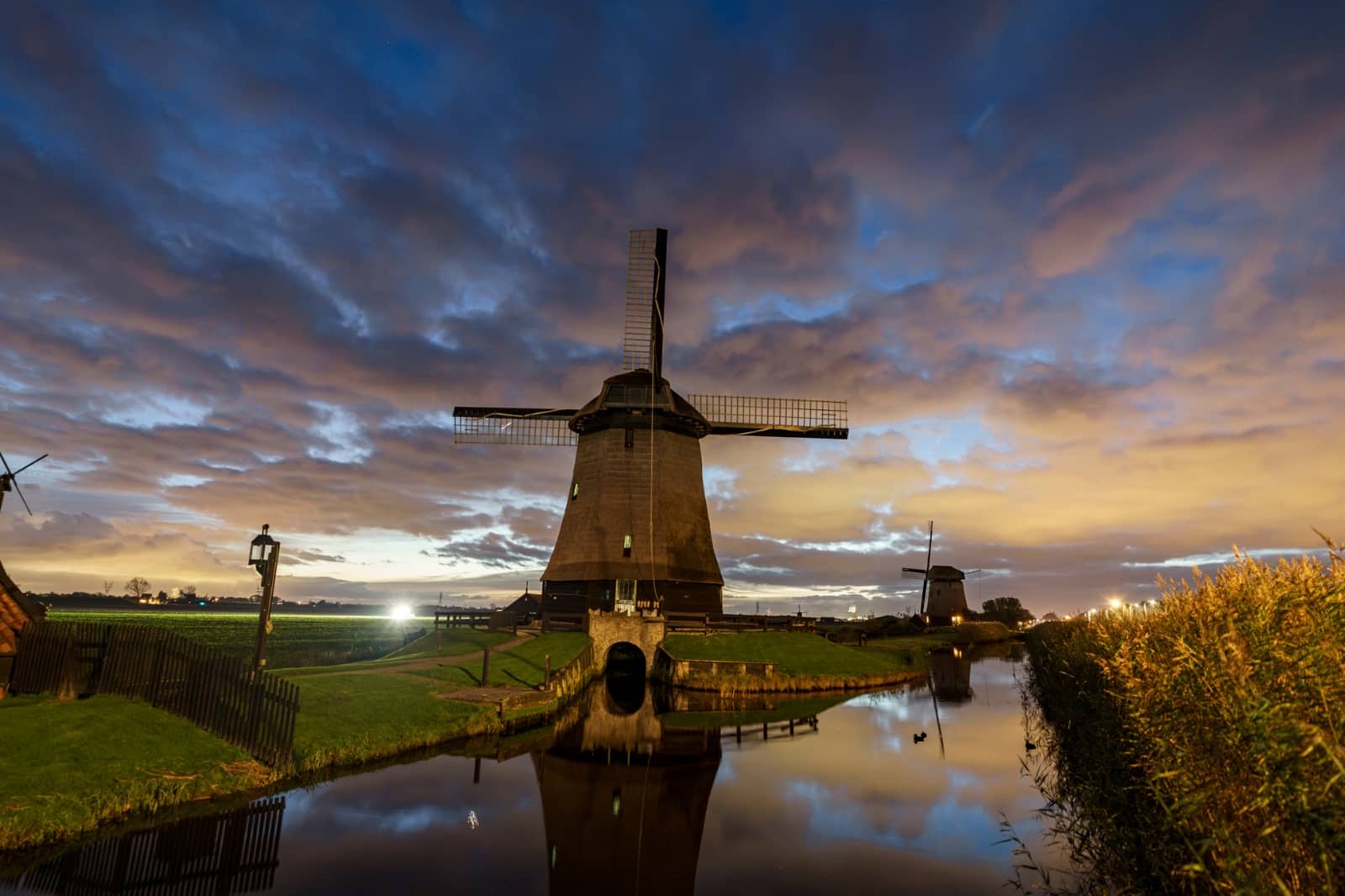
Don't miss the opportunity to photograph the surrounding landscape, especially during the soft light of early morning or late afternoon. The reflections in the canals and the silhouettes of other distant windmills add to the picturesque quality of the scene.
Deep Dives
In-depth insights and expert knowledge
The Ingenuity of Dutch Windmills
Visiting the museum mill offers a tangible connection to this history. You can ascend the mill's levels to witness the wind mechanism up close, understanding the scale and power required. The furnished interior also provides a glimpse into the lives of the millers who operated these vital machines, often living in challenging conditions. It’s a fascinating look at how human ingenuity and the forces of nature worked in tandem.
This historical context is essential for appreciating why windmills are such an iconic symbol of the Netherlands. They represent a long and ongoing battle against the sea, a testament to Dutch resilience and innovation in land reclamation. The Schermerhorn Museum Mill stands as a well-preserved monument to this crucial aspect of Dutch heritage.
Experiencing the Polder Landscape
Visitors often describe the setting as scenic and peaceful, offering a welcome escape from bustling cities. The open vistas are perfect for photography, especially during the golden hours of sunrise and sunset. Cycling or walking through the polders allows for a more immersive experience, letting you appreciate the scale of the land reclamation and the quiet beauty of this engineered environment.
This landscape is not just visually appealing; it's a living museum of Dutch water management. The continued maintenance of these polders relies on modern pumping stations, but the historical significance of the windmills remains. The Schermerhorn Museum Mill provides a perfect starting point to understand and appreciate this unique Dutch environment.


Social
from TikTok, Instagram & Reddit