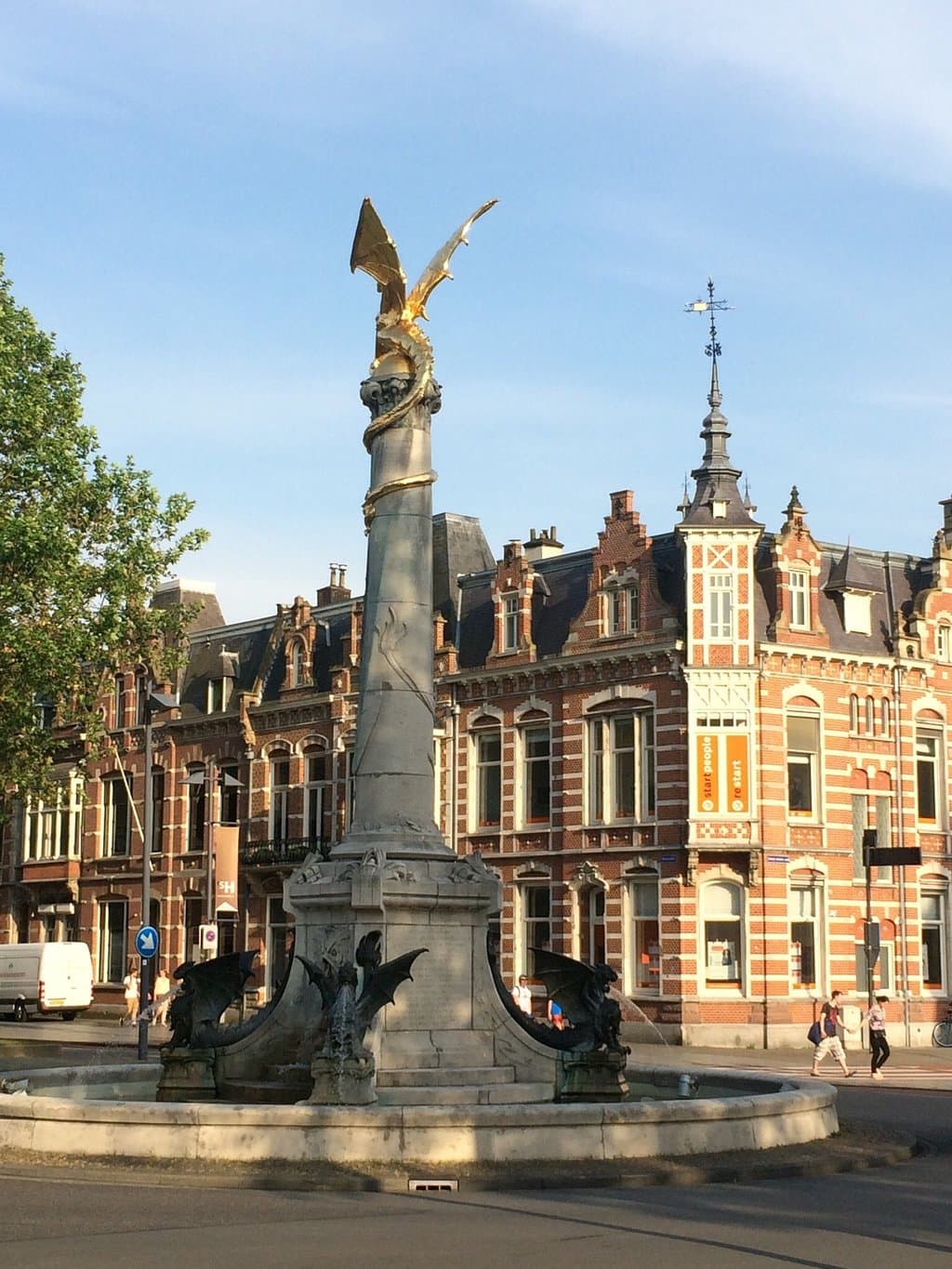
Drakenfontein Fountain
A magnificent golden dragon fountain, a memorial to family and a symbol of Den Bosch's unique history and identity.
Highlights
Must-see attractions

Social
From TikTok & Reddit
Best Time
See the golden dragon shine
Drakenfontein Fountain
Best Time
See the golden dragon shine
Highlights
Must-see attractions
A magnificent golden dragon fountain, a memorial to family and a symbol of Den Bosch's unique history and identity.
"The golden dragon is so eye-catching and really impressive. A very nice welcome to the beautiful city!"
📸 Perfect Photo Spot
Great for a quick, memorable photo right as you arrive or before you leave Den Bosch. :camerawithflash:
💡 Learn the Story
Read up on its history; it's a touching tribute and adds depth to your visit. :books:
Highlights
Discover the most iconic attractions and experiences
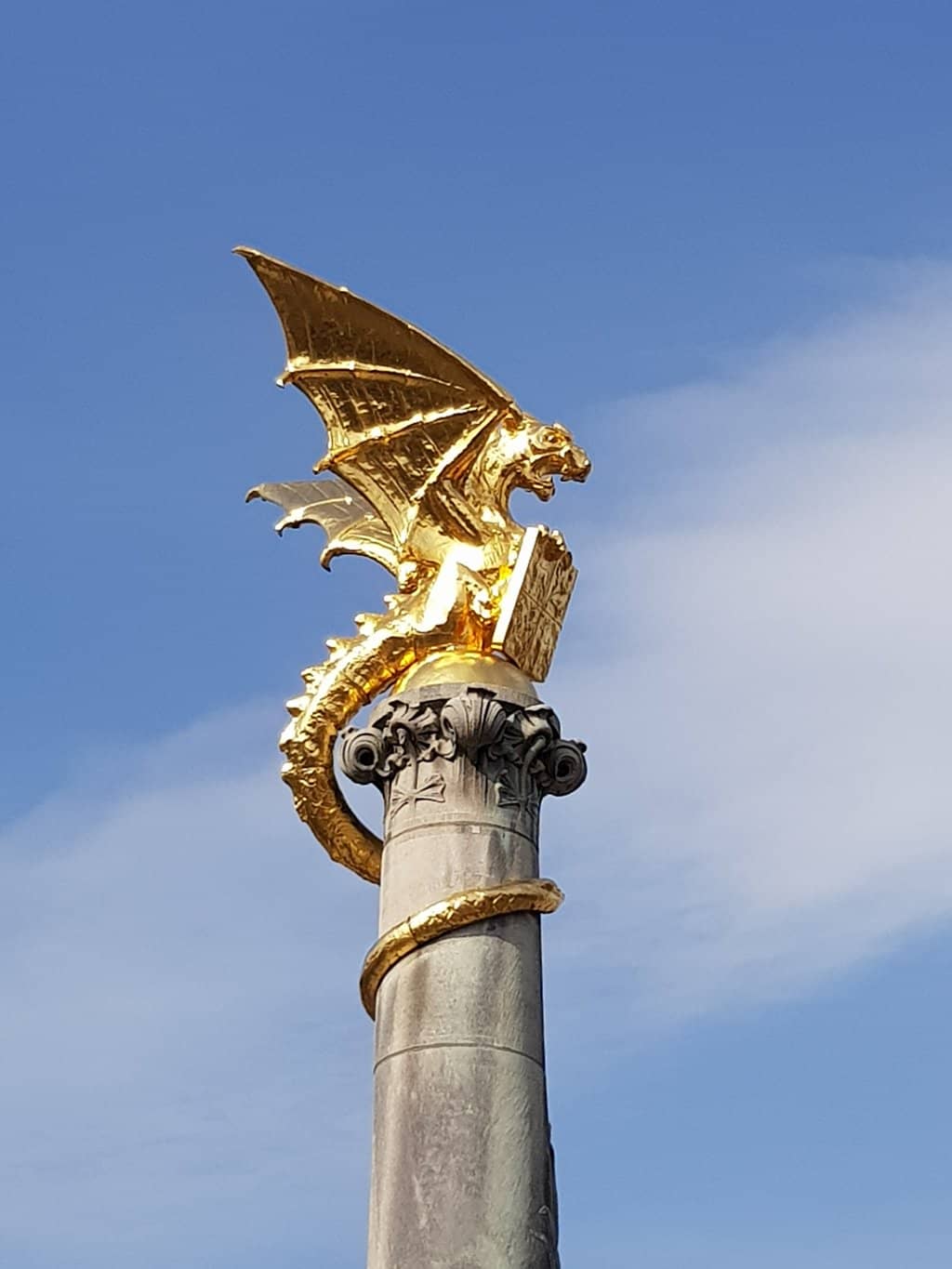
The Golden Dragon
Top of the fountain
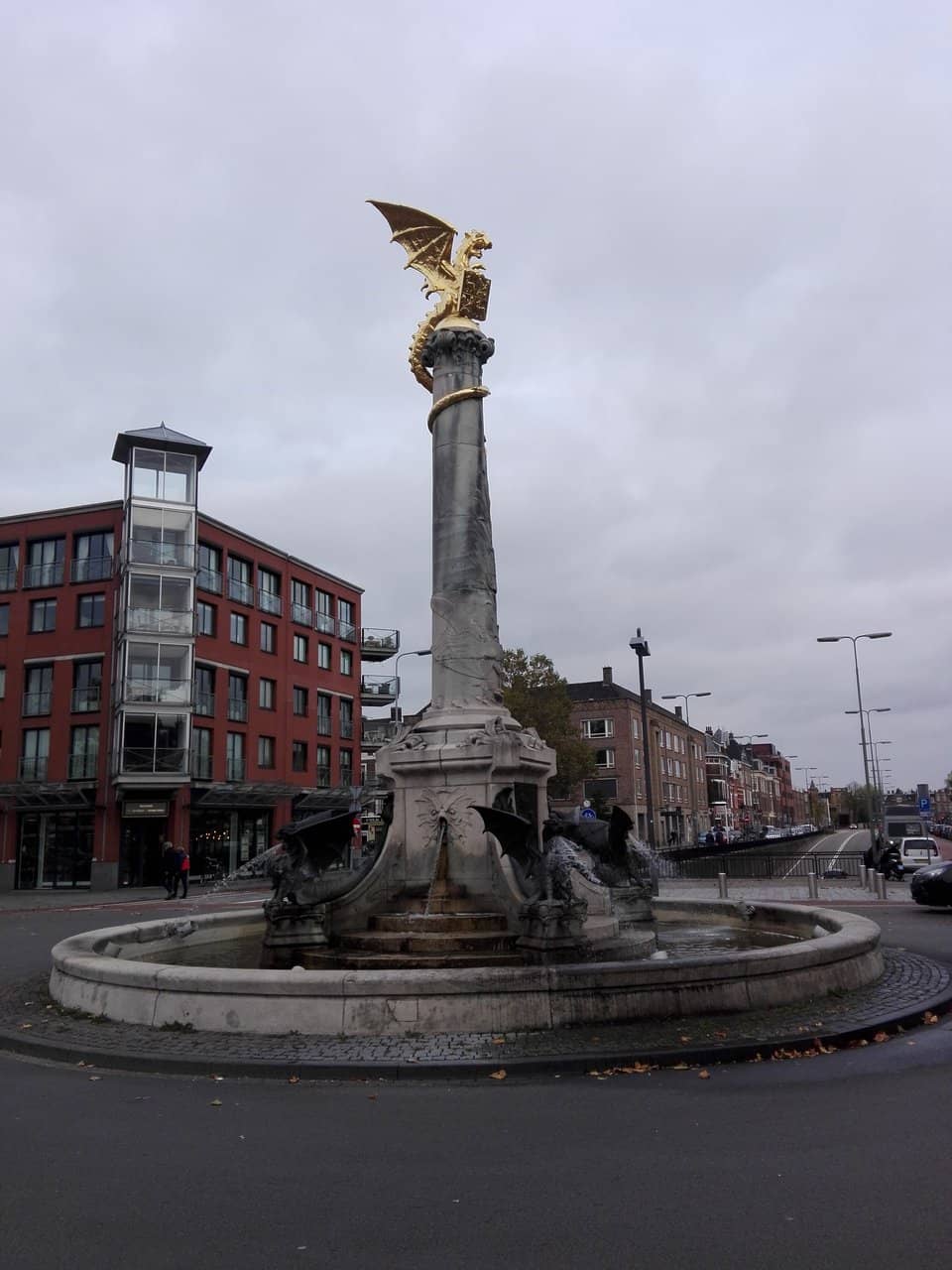
A magnificent, gold-plated dragon stands guard, holding the family crest. It's the undeniable centerpiece and a symbol of the city.
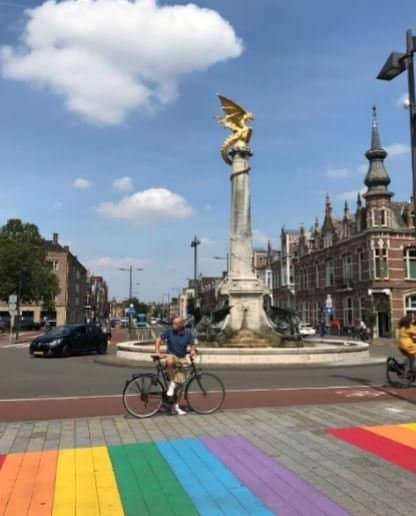
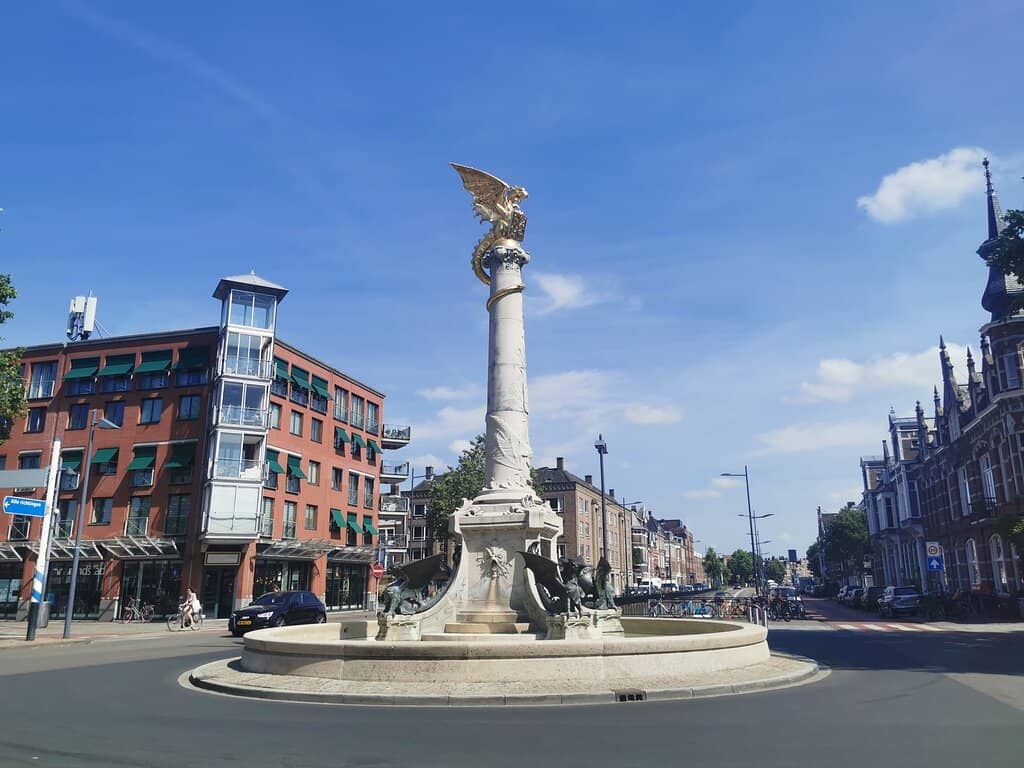
The Dragon Fountain Base
Base of the fountain
Four smaller black dragons and two fish heads spout water, creating a dynamic and intricate water feature.
Copper Relief Panel
Side of the fountain
An allegorical scene depicting charity, honoring the builder's daughters and wife. A poignant detail often missed.
Plans like a pro.
Thinks like you
Planning Your Visit
A Golden Welcome
Understanding the Symbolism
Best Times
Insider Tips
from TikTok, Instagram & Reddit
📸 Perfect Photo Spot
Great for a quick, memorable photo right as you arrive or before you leave Den Bosch. :camerawithflash:
💡 Learn the Story
Read up on its history; it's a touching tribute and adds depth to your visit. :books:
✨ See it Lit Up
The fountain looks even more magical when illuminated at night. :sparkles:
📍 Station Proximity
Conveniently located right in front of the train station, making it an easy first or last stop. :train2:
Tips
from all over the internet
📸 Perfect Photo Spot
Great for a quick, memorable photo right as you arrive or before you leave Den Bosch. :camerawithflash:
💡 Learn the Story
Read up on its history; it's a touching tribute and adds depth to your visit. :books:
✨ See it Lit Up
The fountain looks even more magical when illuminated at night. :sparkles:
📍 Station Proximity
Conveniently located right in front of the train station, making it an easy first or last stop. :train2:
What Travellers Say
Reviews Summary
Visitors consistently praise the Drakenfontein as a beautiful and eye-catching landmark, especially the impressive golden dragon. Many appreciate its convenient location right by the train station, making it a perfect first impression of Den Bosch. The fountain's historical significance and unique symbolism add to its charm, with many finding it magical when lit up at night.
"Beautiful fountain right in front of the station! The golden dragon is so eye-catching and really impressive. I didn’t know the story behind it at first, but after reading about it, I appreciated it even more. It’s a great spot to start your visit to Den Bosch, and perfect for a photo.
At night, when it’s lit up, it looks even more magical. Definitely worth a short stop!"
André A. Duiella
"The Dragon (Draken) Fountain in Den Bosch (’s‑Hertogenbosch), unveiled in 1903, is much more than a decorative landmark—it’s a memorial, a symbol of urban growth, and a nod to local identity.
Who built it & why
Paulus Jan Bosch van Drakestein (1825–1894), the Commissaris der Koningin (Queen’s Commissioner) of North Brabant, left a legacy of 10,000 guilders to the city upon his death. The funds were designated to build a fountain as a memorial to his twin daughters (who died aged 16 in November 1881) and his wife (who died three years later) .
It was also intended as a public drinking fountain, though in practice it never fulfilled that function .
Design & construction
Following a public competition, the winning design by the Leeuw brothers of Nijmegen was ultimately rejected by city architect J. Dony for being “too modern” .
Instead, Jules (J.) Dony was commissioned in 1903 to create the current design. It features a gold-plated dragon at the top, with four smaller black dragons spouting water at the base, plus two water-spouting fish heads .
The sculpture work was done by Jac and Jos Goossens, with metal detailing by Braat of Delft and stonework by Graudemans & Zn. .
Meaning & symbolism
The dragon motif connects to Paulus’ surname “van Drakestein” (“dragon‑stone”)—the gilded dragon even holds the family crest with the motto virtute et labore (“by virtue and labour”) .
Another layer of meaning: Den Bosch was historically called the “Moerasdraak” (“swamp dragon”), because its marshy surroundings acted as a natural defensive moat .
Context & urban significance
The fountain was part of a major urban expansion in the new neighbourhood “’t Zand” following the dismantling of the old city ramparts after 1874 .
Positioned in front of the new train station, it formed a grand gateway monument, welcoming visitors and symbolizing modern progress .
Restoration & legacy
It survived WWII intact, despite nearby destruction .
Structural decay led to the golden dragon toppling off its plinth in 2000—since then it’s been restored and reinforced, with further conservation work continuing into 2021 .
Today, the Drakenfontein is recognized as a protected rijksmonument (national heritage site) .
Interesting details
Copper relief panel
Depicts an allegorical scene of a woman and two girls (likely representing his daughters), one giving alms to a poor woman, with the motto charitate nitent (“they shone by charity”) .
Memorial & water sourceOriginally had a secondary drinking fountain which is now gone .
Local pride
Locals affectionately call it “D’n Draok” and even dress it in carnival scarves during festivals .
Engineering feat
Sculpture done in harsh winter conditions—artisans reportedly warmed their chisels by fire to prevent them from freezing to their hands .
In summary
The Drakenfontein is both a touching tribute to a grieving father’s family, and a celebration of a city’s transformation—melding personal grief, civic pride, and identity tied to both name and landscape. Next time you're in Den Bosch, don’t miss this golden sentinel welcoming you at the station!"
Zoran Jovanovic
"Iconic and uncommon fountain which is a nod to the nickname of den Bosch and an homage to the family who paid to build the fountain."
Alex | Ithaka in Brabant
What People Like
What People Dislike
Frequently Asked Questions
🚇 🗺️ Getting There
The Drakenfontein is located directly in front of the 's-Hertogenbosch train station, making it incredibly easy to access. If you're arriving by train, you can't miss it. If you're coming from elsewhere in the city, it's a short walk or bus ride to the station.
While there isn't direct parking at the fountain itself, there are several parking garages within a short walking distance of the train station, such as Q-Park Stationsplein. Be aware that city center parking can be expensive.
Absolutely! The fountain's prime location at the train station means it's the central hub for many bus lines. It's the most convenient way to reach it if you're not arriving by train.
🎫 🎫 Tickets & Entry
No, the Drakenfontein is a public monument and can be viewed and admired from the outside at any time without a ticket. It's an open-air attraction.
As an outdoor monument, the fountain is accessible 24/7. However, it is most visually striking during daylight hours and is beautifully illuminated in the evenings.
There is no entrance fee to see or photograph the Drakenfontein. It's a free public landmark for everyone to enjoy.
📸 📸 Photography
Daytime offers clear views of the golden dragon and intricate details. For a more atmospheric shot, visit in the evening when the fountain is beautifully illuminated, creating a magical glow.
Try capturing the full fountain with the station in the background for context. Close-ups of the golden dragon and the smaller water-spouting dragons at the base also make for great shots.
Yes, night photography is highly recommended! The fountain is lit up, offering a completely different, enchanting perspective. Just be mindful of low-light conditions.
🎫 🏛️ History & Meaning
The fountain was built in 1903 as a memorial to the twin daughters and wife of Paulus Jan Bosch van Drakestein. The dragon motif is a nod to his surname, 'van Drakestein' (dragon-stone), and the city's historical nickname, 'Moerasdraak' (swamp dragon).
The design is by Jules (J.) Dony, commissioned in 1903. The sculpture work was done by Jac and Jos Goossens, with metal detailing by Braat of Delft and stonework by Graudemans & Zn.
Yes, the Drakenfontein is recognized as a protected rijksmonument (national heritage site) in the Netherlands, highlighting its historical and cultural significance.
The copper relief panel shows an allegorical scene of a woman and two girls, likely representing the builder's daughters, giving alms to a poor woman, symbolizing charity.
For Different Travelers
Tailored advice for your travel style
👨👩👧 Families with Kids
While the fountain itself doesn't have interactive elements, its visual appeal is high. Parents can use the story of the dragon and the city's nickname ('swamp dragon') as a fun way to introduce local history to children. It's a low-stress, high-impact visual that can spark curiosity before diving into more extensive city exploration.
📸 Photographers
Evening visits are highly recommended for a different aesthetic. The fountain is beautifully illuminated, creating a magical atmosphere perfect for low-light photography. The contrast between the golden dragon and the night sky, or the reflections in the water, can yield stunning results. Don't forget to look for the intricate details on the copper relief panel for close-up shots.
Deep Dives
In-depth insights and expert knowledge
The Symbolism of the Dragon
Beyond the personal, the dragon also ties into the historical nickname of Den Bosch itself: 'Moerasdraak' or 'swamp dragon.' This moniker arose from the city's marshy surroundings, which historically served as a natural defensive moat. The fountain thus acts as a proud emblem of the city's heritage and its unique geographical origins, blending individual legacy with collective identity.
This dual layer of meaning makes the Drakenfontein more than just a landmark; it's a narrative sculpture that tells a story of family, resilience, and the very essence of Den Bosch. It's a detail that, once understood, transforms a simple viewing into a richer appreciation of the monument's significance.
A Monument to Family and City
Beyond its memorial function, the fountain was also conceived as a symbol of urban progress and a grand gateway to the burgeoning 's-Hertogenbosch. Erected in 1903, it marked a significant period of urban expansion following the dismantling of the old city ramparts. Its placement in front of the new train station was strategic, designed to welcome visitors and signify the city's modernization and growth.
Originally, it was also intended to function as a public drinking fountain, though this practical aspect was never fully realized. Today, the Drakenfontein is cherished by locals, affectionately known as 'D'n Draok,' and is recognized as a protected national heritage site, a testament to its enduring importance in the city's landscape and heart.
Social
from TikTok, Instagram & Reddit