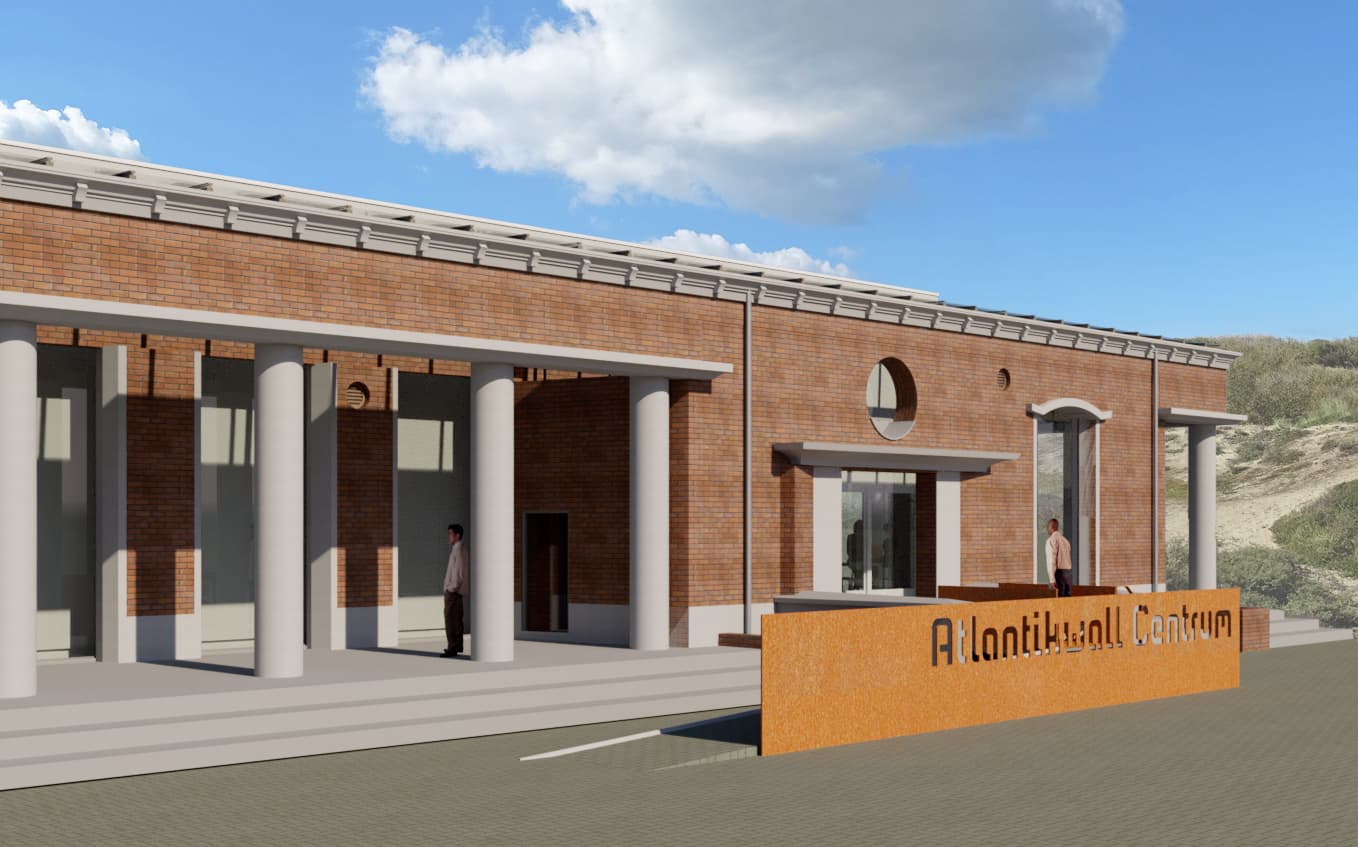
Atlantikwall Centrum
Explore hidden WWII bunkers and tunnels of the Atlantic Wall, uncovering stories of occupation and defense beneath the dunes.
Highlights
Must-see attractions

Social
From TikTok & Reddit
Best Time
Fewer crowds, more reflection
Atlantikwall Centrum
Best Time
Fewer crowds, more reflection
Highlights
Must-see attractions
Explore hidden WWII bunkers and tunnels of the Atlantic Wall, uncovering stories of occupation and defense beneath the dunes.
"A well-thought-out and presented museum offering a tangible connection to WWII history."

Wear Comfortable Shoes
You'll be walking through bunkers and dunes, so sturdy footwear is a must! :athletic_shoe:
Check Opening Hours
Some sites might have limited hours or be closed, so confirm before you go. :calendar:

Highlights
Discover the most iconic attractions and experiences
Hidden Bunker Network
Beneath the dunes
Explore a network of tunnels and bunkers, a tangible piece of WWII history concealed by nature.
Local Occupation Stories
Museum exhibition
Learn about the daily lives and experiences of locals during the German occupation.

Atlantic Wall Fortifications
Coastal landscape
Discover the extensive fortifications built by the Germans along the coastline.
Plans like a pro.
Thinks like you
Planning Your Visit
Uncover WWII History
Best Time to Explore
Best Times
Insider Tips
from TikTok, Instagram & Reddit
Wear Comfortable Shoes
You'll be walking through bunkers and dunes, so sturdy footwear is a must! :athletic_shoe:
Check Opening Hours
Some sites might have limited hours or be closed, so confirm before you go. :calendar:
Embrace the Atmosphere
The quiet, hidden nature of the bunkers offers a unique, immersive historical experience. :sparkles:
Combine with Dune Walks
Many bunkers are located within scenic dune areas, perfect for a combined nature and history outing. :hiking_boot:
Tips
from all over the internet
Wear Comfortable Shoes
You'll be walking through bunkers and dunes, so sturdy footwear is a must! :athletic_shoe:
Check Opening Hours
Some sites might have limited hours or be closed, so confirm before you go. :calendar:
Embrace the Atmosphere
The quiet, hidden nature of the bunkers offers a unique, immersive historical experience. :sparkles:
Combine with Dune Walks
Many bunkers are located within scenic dune areas, perfect for a combined nature and history outing. :hiking_boot:
What Travellers Say
Reviews Summary
Visitors find the Atlantikwall Centrum to be a fascinating and informative experience, offering a tangible connection to WWII history. The well-presented exhibitions and the atmospheric bunker exploration are frequently praised. Some note that while the exterior structures are the main draw, the interior displays are highly engaging and provide valuable context about the war's impact on local communities.
"Fascinating place: there's nothing remaining from the German officers mess building which houses the museum, other than the Third Reich style exterior walls. However, the exhibition inside is well worth paying to see: it tells the story of Den Helder in the second world war, with the experiences of the local population under German occupation taking centre stage. There is also a very informative display about the Atlantic Wall fortifications that were built by the Germans and which pepper the landscape along the coastline of this part of Holland."
lantokay
"I was surprised, though small this is a very well thought out and presented museum"
Marc Smith
"Great information about the Atlantic wall built under Hitler, interesting posters"
Bert van Dyk
What People Like
What People Dislike
Frequently Asked Questions
🚇 🗺️ Getting There
The Atlantikwall Centrum is often located within dune areas. Access typically involves driving to nearby parking and then walking. Some TikTok videos show exploration in dune areas like Noordwijk and Ouddorp, suggesting these are common access points for Atlantikwall sites. +1
While specific public transport routes vary by location, many Atlantikwall sites are in coastal or dune regions which might have limited public transport. It's advisable to check local bus routes to the nearest town or beach access point and then walk.
Parking is usually available at designated lots near the dunes or beaches adjacent to Atlantikwall sites. Check local signage for parking areas closest to the bunker complexes.
Cycling is a great way to explore the coastal areas where Atlantikwall remnants are found. Many routes pass through scenic dunes, making it an enjoyable way to reach the sites.
Exploring on foot or by bike is recommended to fully appreciate the dune landscapes and discover various bunker locations. Maps of local walking routes can be very helpful.
🎫 🎫 Tickets & Entry
Entry to the museum exhibitions within the Atlantikwall Centrum typically requires a ticket. It's recommended to check the specific museum's website for current pricing and booking information.
Opening hours can vary significantly between different Atlantikwall sites and museums. Some reviews mention visiting at the same time as other attractions, indicating potential closures or specific operating times. Always verify hours online before your visit.
Many Atlantikwall museums allow for self-guided exploration of the bunker complexes and exhibitions. However, guided tours might be available and can offer deeper insights into the history.
Information on discounts for students, seniors, or groups is usually available on the official websites of the specific Atlantikwall museums. It's worth checking for any available concessions.
While some Atlantikwall sites are clustered, others are spread along the coast. Planning your route and checking the opening times of each location is crucial for a multi-site visit.
🎫 🧭 Onsite Experience
You can expect to see well-preserved German bunkers, tunnels, and exhibitions detailing WWII history, local occupation experiences, and the strategic importance of the Atlantic Wall.
The historical nature and confined spaces of bunkers might be intense for very young children. However, older children interested in history can find it very engaging. Parental discretion is advised.
A visit can range from 1-3 hours, depending on the specific site and whether you opt for a guided tour. Some exhibitions are quite informative, encouraging longer stays.
Restrooms and basic facilities are usually available at the main museum buildings. However, within the bunker complexes themselves, facilities might be limited.
Focus on the atmospheric interiors of the bunkers and the historical artifacts. The contrast between the dark interiors and any natural light can create dramatic shots.
🍽️ 🍽️ Food & Dining
Some larger Atlantikwall museum complexes may have a small cafe or snack bar. However, it's common for these sites to be in natural areas, so packing your own snacks or planning to eat nearby is often best.
Generally, bringing your own food and drinks is permitted in outdoor areas around the Atlantikwall sites. Check specific rules for museum interiors.
Locations near the coast often have seafood restaurants and cafes. If visiting a dune area, expect options in nearby towns or beach resorts.
Many dune and coastal areas surrounding Atlantikwall sites offer picnic spots, allowing you to enjoy a meal amidst nature.
Given that dining options can be limited directly at some sites, it's often wise to eat beforehand or plan for a meal at a nearby restaurant or cafe.
📸 📸 Photography
Capture the imposing exterior of the bunkers, the eerie atmosphere inside the tunnels, and any historical artifacts on display. The contrast of light and shadow is key.
Photography is usually allowed for personal use, but flash photography might be restricted to protect exhibits. Always check signage or ask staff.
A wide-angle lens is useful for capturing the scale of the bunkers and tunnels. A camera with good low-light performance is beneficial for interior shots.
Drone usage is typically restricted in protected natural areas like dunes and around historical sites. Always check local regulations before flying a drone.
Experiment with different angles, focus on details like old signage or structural elements, and try to convey the historical weight of the location.
For Different Travelers
Tailored advice for your travel style
👨👩👧 Families with Kids
Tips for families:
* Check age recommendations: Some exhibits or the nature of the bunkers might be intense for very young children.
* Pack snacks and drinks: Dining options can be limited, so having provisions is wise.
* Focus on the adventure: Frame the visit as an exploration of historical secrets to keep younger ones engaged.
🚶♀️ History Enthusiasts
Recommendations for enthusiasts:
* Look for guided tours: These often provide in-depth historical context and anecdotes not found in standard displays.
* Research beforehand: Knowing a bit about the specific history of the location you're visiting can enhance the experience.
* Visit multiple sites: If possible, explore different Atlantikwall locations to see variations in construction and historical focus.
📸 Photographers
Photography tips:
* Bring a wide-angle lens: Essential for capturing the scale of the bunkers and tunnels.
* Experiment with low-light settings: The interiors are often dimly lit, requiring careful camera settings.
* Focus on details: Look for interesting textures, old signage, or architectural elements that tell a story.
Deep Dives
In-depth insights and expert knowledge
The History of the Atlantic Wall
In the Netherlands, the Atlantikwall Centrum sites represent crucial segments of this defensive line. These locations, often found within the coastal dunes, served as strategic points for observation, artillery, and troop housing. The remnants you can explore today offer a stark reminder of the military presence and the constant threat of conflict that defined the region during the war. Understanding the historical context of these fortifications provides a deeper appreciation for the exhibits and the stories they tell.
Beyond the military structures, the impact on local populations is a significant part of the narrative. The construction and presence of the Atlantic Wall drastically altered the lives of civilians, leading to evacuations, resource shortages, and the constant fear of invasion or reprisal. Museums dedicated to the Atlantikwall often highlight these human experiences, providing a more complete picture of WWII's effects on the Dutch coast.
Exploring the Bunkers and Tunnels
When exploring, wear sturdy, comfortable footwear as the terrain can be uneven and damp. Some areas might require navigating narrow passages or climbing short flights of stairs. It's advisable to bring a flashlight, although many sites provide adequate lighting for safety and navigation. The sheer scale of some of these underground facilities can be astonishing, showcasing the engineering efforts involved in their construction.
Many visitors find the experience to be highly atmospheric and educational. The silence within the bunkers, combined with the historical displays, allows for a profound connection to the past. It’s a chance to understand the strategic thinking behind the Atlantic Wall and the realities faced by those who manned these defenses.

Social
from TikTok, Instagram & Reddit