
Balengebouw
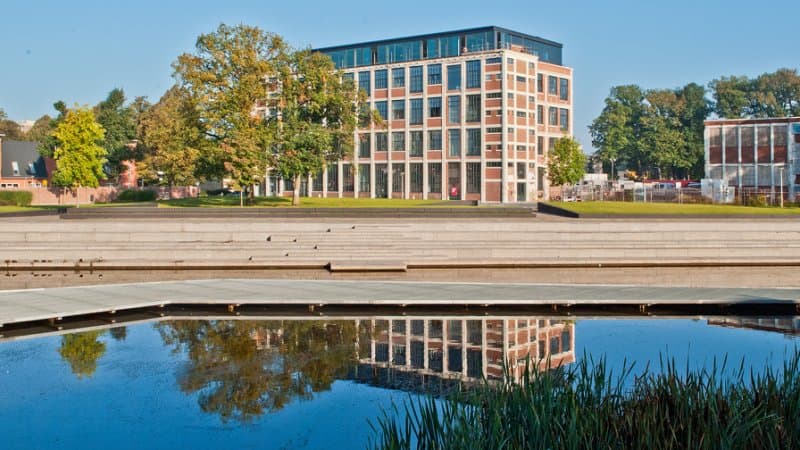
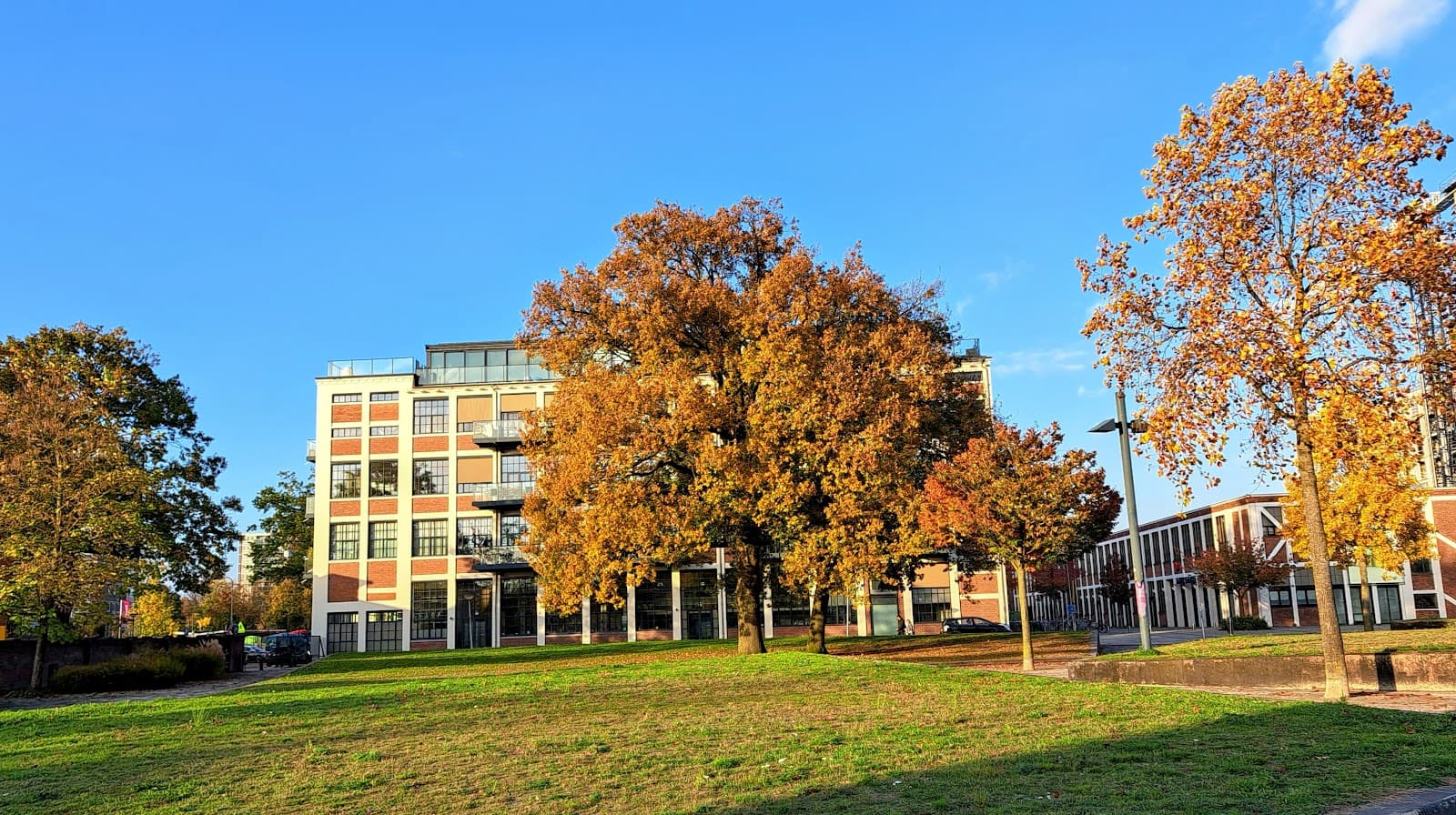
A 1907 industrial building once used for storing cotton bales, showcasing textile industry history. Modern tile additions are a point of discussion.
Highlights
Must-see attractions

Social
From TikTok & Reddit
Best Time
Blue hour photography, calmer galleries
Balengebouw
Best Time
Blue hour photography, calmer galleries
Highlights
Must-see attractions
A 1907 industrial building once used for storing cotton bales, showcasing textile industry history. Modern tile additions are a point of discussion.
"A 1907 building with a history in the textile industry, though recent tile additions are controversial."

📸 Capture the Details
Focus on the building's original architectural elements and historical textures for striking photos.
🧐 Look Beyond the Tiles
While some find the tile additions controversial, try to appreciate the building's original form and function.

Highlights
Discover the most iconic attractions and experiences
Historic Textile Architecture
Explore a 1907 building that once stored vast quantities of cotton bales for the textile industry.
Industrial Heritage
Witness a piece of industrial history, reflecting the era of textile manufacturing and trade.
Plans like a pro.
Thinks like you
Planning Your Visit
Understand the History
Appreciate the Architecture
Insider Tips
from TikTok, Instagram & Reddit
📸 Capture the Details
Focus on the building's original architectural elements and historical textures for striking photos.
🧐 Look Beyond the Tiles
While some find the tile additions controversial, try to appreciate the building's original form and function.
Tips
from all over the internet
📸 Capture the Details
Focus on the building's original architectural elements and historical textures for striking photos.
🧐 Look Beyond the Tiles
While some find the tile additions controversial, try to appreciate the building's original form and function.
What Travellers Say
Reviews Summary
The Balengebouw is a 1907 building with a history tied to the textile industry and cotton bale storage. While its historical significance is recognized, recent additions of tiles have been met with criticism, with some finding them detracting from the original architecture.
"A building from 1907, dating back to the textile industry.
Cotton bales were stored here.
The building has been expertly ruined by the addition of ugly tiles."
Erik Cramer
""
martijn meekes
What People Like
What People Dislike
Frequently Asked Questions
🚇 🗺️ Getting There
Information on public transport or driving directions to Balengebouw would be helpful here. As there are no specific TikTok or Reddit mentions, general advice for reaching industrial heritage sites in the region would apply.
🎫 🎫 Tickets & Entry
As a historical building, entry details are not widely publicized. It's advisable to check local listings or inquire with local historical societies for any access information.
Specific opening hours are not readily available. It's best to assume it's an external viewing or accessible during specific local event days.
🎫 🏛️ Onsite Experience
The best way to experience Balengebouw is by understanding its history as a cotton storage facility for the textile industry. Focus on its 1907 architecture.
Guided tours are not commonly advertised. Local historical societies might offer specialized tours during certain periods.
The tiles are a more recent addition, and reviews suggest they are a point of contention, with some finding them detracting from the original 1907 industrial architecture.
📸 📸 Photography
Focus on capturing the building's original 1907 industrial design and its historical context. The textures and scale of the structure are prime subjects.
As access to the interior is not widely detailed, it's likely that photography is restricted or only permitted for external views.
For Different Travelers
Tailored advice for your travel style
History Enthusiasts
Consider researching the specific textile companies that may have utilized this building to gain deeper insights. The architectural style, though potentially altered by recent additions, still speaks volumes about early 20th-century industrial construction methods.
Architecture Aficionados
Be prepared for the visual impact of the added tiles, which some reviews describe negatively. This contrast can be a point of interest for architectural observers, sparking discussions about preservation versus modernization and how different styles interact.
Deep Dives
In-depth insights and expert knowledge
The Industrial Past of Balengebouw
Understanding this historical context is key to appreciating the Balengebouw. It represents a period when industrial infrastructure was central to economic growth. While the building's original purpose was purely functional, its survival offers a tangible link to the past, allowing visitors to visualize the bustling activity of a bygone era.
The addition of modern tiles has been noted by visitors, with some expressing that it alters the building's original aesthetic. This contrast between the historic structure and contemporary modifications is a point of discussion for those who visit.
Architectural Significance and Modern Additions
However, contemporary reviews mention the addition of ugly tiles, suggesting a modern intervention that has divided opinion. This juxtaposition of the original industrial design with newer, perhaps less harmonious, elements creates a unique visual experience. It prompts reflection on how historical structures are preserved and adapted for new purposes or aesthetics.
Visitors are encouraged to observe both the original architectural features that speak to its industrial past and the more recent modifications. This allows for a comprehensive understanding of the building's evolution and the ongoing dialogue between history and modernity.
Social
from TikTok, Instagram & Reddit