
De Slufter Texel
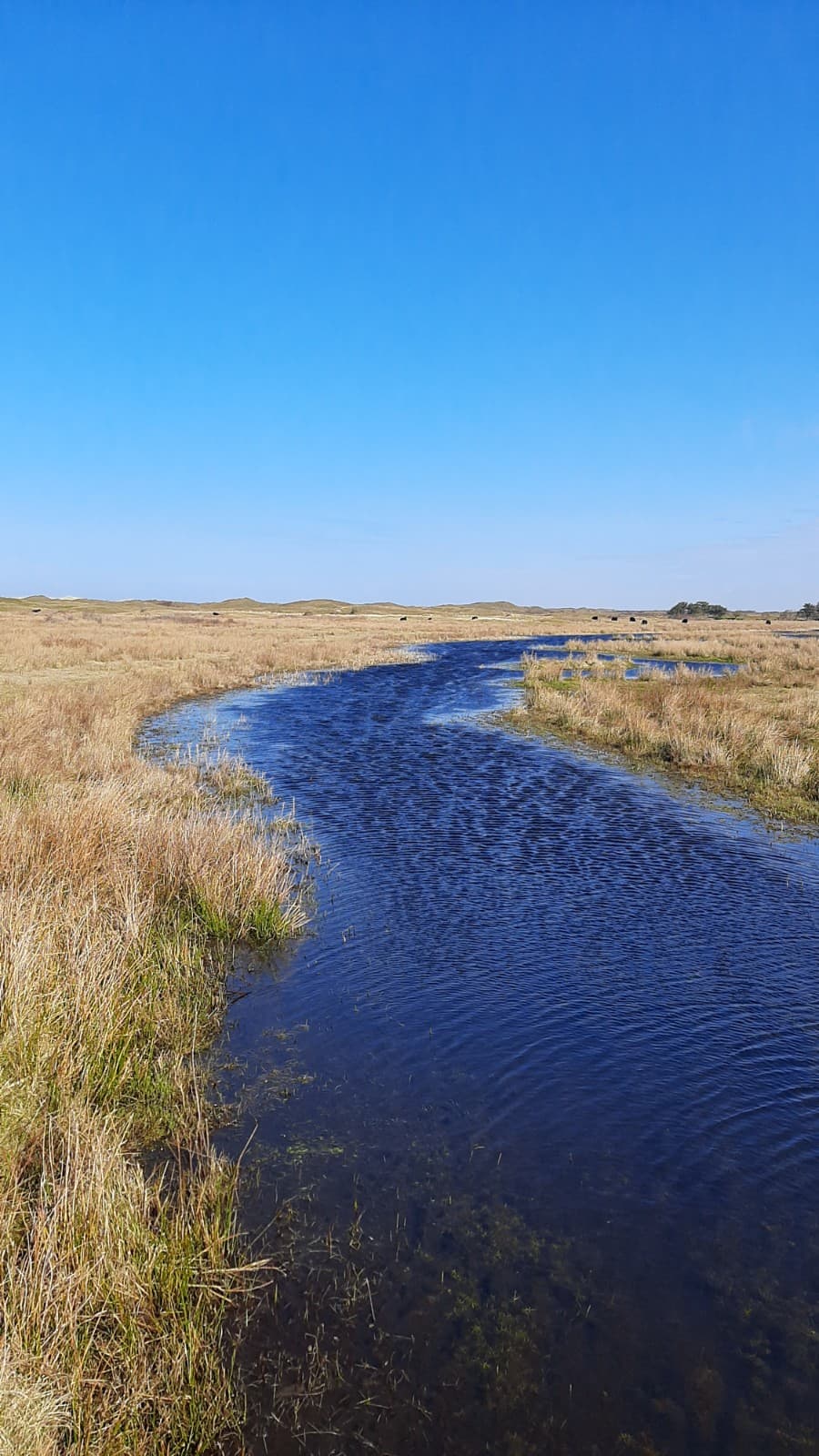
De Slufter is the Netherlands' only tidal marshland where the sea freely enters the dunes, creating a unique, ever-changing natural spectacle.

Highlights
Must-see attractions

Social
From TikTok & Reddit
Best Time
Purple blooms & bird activity
De Slufter Texel
Best Time
Purple blooms & bird activity
Highlights
Must-see attractions
De Slufter is the Netherlands' only tidal marshland where the sea freely enters the dunes, creating a unique, ever-changing natural spectacle.
"A truly unique natural area where the sea has free rein, offering stunning landscapes and abundant birdlife."
Check Tide Times First! :wave:
Water levels vary greatly. Know the tides to plan your walk and avoid getting unexpectedly wet!
Wear Waterproof Shoes :boot:
Essential for exploring the marshy areas. Your feet will thank you!
Highlights
Discover the most iconic attractions and experiences
The Tidal Creeks
Throughout De Slufter
Witness the dynamic interplay of sea and land in this unique tidal marsh. Water levels change, creating ever-evolving landscapes.

Blooms of Sea Lavender
Salt marshes
In summer, the salt marshes burst into vibrant purple with blooming sea lavender, attracting numerous bird species.
Birdwatcher's Paradise
Various observation points
Spot diverse birdlife, from oystercatchers to waders, in this crucial habitat. Bring binoculars for the best experience.
Sunset Views
Western edge overlooking the sea
Experience breathtaking sunsets over the North Sea, painting the sky with vibrant colors. A truly unforgettable sight.
Plans like a pro.
Thinks like you
Planning Your Visit
Embrace the Tides
Best Footwear for Exploration
Best Times
Insider Tips
from TikTok, Instagram & Reddit
Check Tide Times First! :wave:
Water levels vary greatly. Know the tides to plan your walk and avoid getting unexpectedly wet! 
Wear Waterproof Shoes :boot:
Essential for exploring the marshy areas. Your feet will thank you!
Bring Binoculars :binoculars:
Perfect for spotting the diverse birdlife that calls De Slufter home.
Drone Views are Stunning :camera:
Capture unique aerial perspectives of this vast natural area.
Tips
from all over the internet
Check Tide Times First! :wave:
Water levels vary greatly. Know the tides to plan your walk and avoid getting unexpectedly wet!
Wear Waterproof Shoes :boot:
Essential for exploring the marshy areas. Your feet will thank you!
Bring Binoculars :binoculars:
Perfect for spotting the diverse birdlife that calls De Slufter home.
Drone Views are Stunning :camera:
Capture unique aerial perspectives of this vast natural area.
Pack Snacks & Water :apple:
Limited facilities within the nature reserve itself. Come prepared for your adventure.
What Travellers Say
Reviews Summary
Visitors praise De Slufter for its unique natural beauty and the dynamic tidal landscape. The opportunity to witness the sea freely interacting with the dunes is a highlight. Many enjoy the peaceful atmosphere, birdwatching, and stunning sunset views. Some note the need for appropriate footwear due to the marshy terrain.
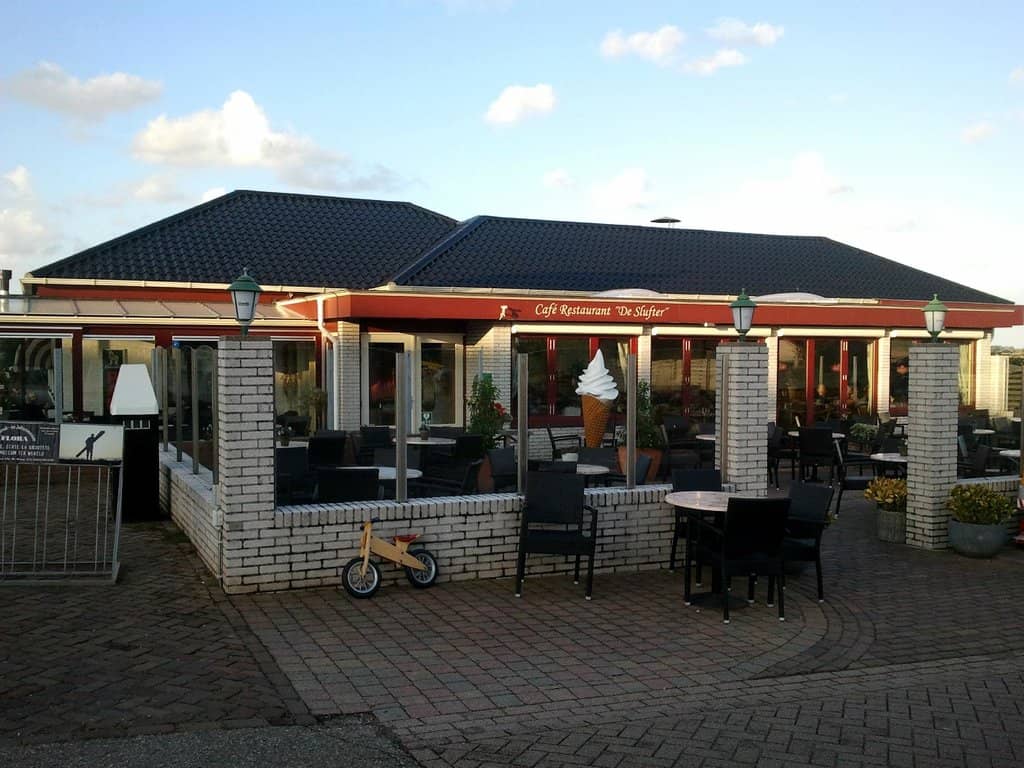
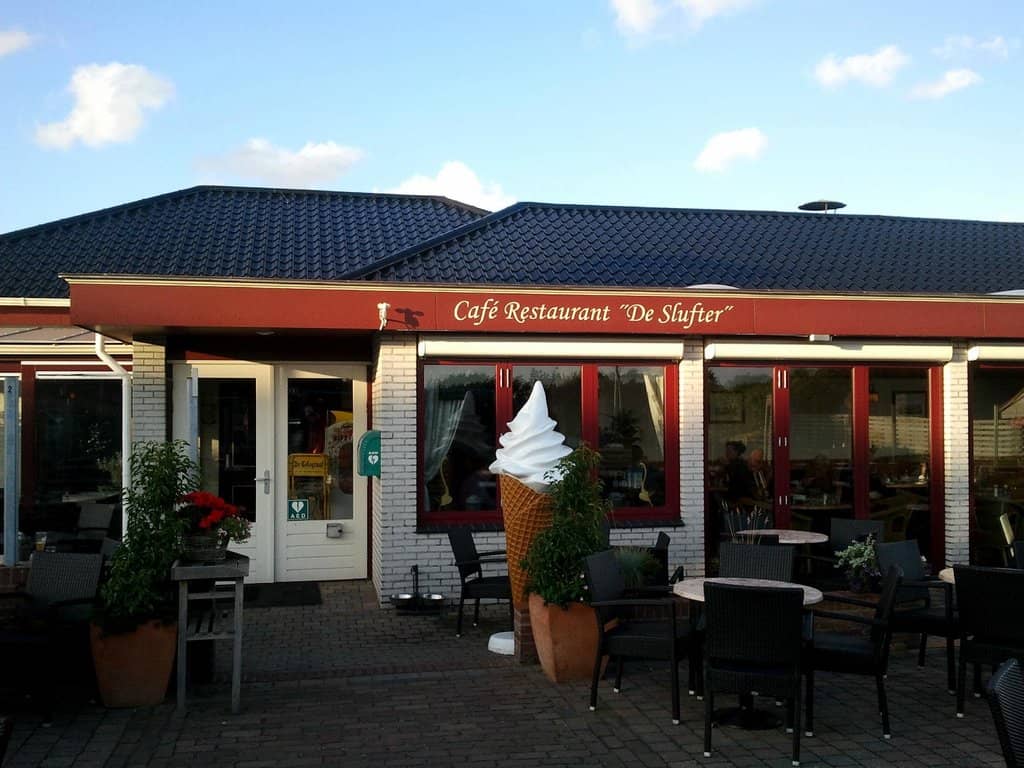
"Cozy little restaurant right by the dunes and « De Slufter », an area full of nature and birds.
The restaurant itself is right by the bike road so super convenient to stop by. It’s more a café / quick food than a restaurant which is perfect for lunch. The terrace and the inside are big but despite the amount of people the service was super quick! We had the typical « pannekoek » with local Texel cheese and Ham, can only recommend after a morning of exploring the surroundings !
After that, you can walk from the restaurant to the sea and enjoy the views."
Nelson
"Delicious food, good service, very affordable prices and what not"
Ashu Birru
"Good food, good service, and a great place to rest after walking along the beach."
Calvin Renfrow
What People Like
What People Dislike
Frequently Asked Questions
🚇 🗺️ Getting There
De Slufter is accessible by car, with parking available nearby. You can also reach it by bicycle, a popular mode of transport on Texel. Public transport options might involve bus routes that get you close, followed by a walk.
Yes, there are parking facilities available close to the entrance of De Slufter, making it convenient for visitors arriving by car. Be aware that parking fees may apply during peak seasons.
Absolutely! Cycling is a fantastic way to explore Texel, and there are well-maintained cycle paths leading to De Slufter. It's a scenic ride through the dunes.
Walking is the primary way to explore De Slufter. There are marked trails, including the 'yellow route,' which offers a guided experience through the area.
While the main paths are generally accessible, the natural terrain can be challenging. Visitors with mobility issues may find certain areas difficult to navigate, especially after rain or high tides.
🎫 🎫 Tickets & Entry
De Slufter is a natural area and generally free to enter. However, parking facilities near the entrance may have associated fees.
As a natural reserve, De Slufter is open 24/7. However, visitor centers or nearby facilities might have specific operating hours. It's best to visit during daylight for optimal viewing.
No, there is no entrance fee to explore the natural beauty of De Slufter itself. Enjoy the open access to this unique landscape.
Dogs are generally allowed in De Slufter, but it's crucial to keep them on a leash, especially during bird breeding seasons, to protect the local wildlife. Always check local regulations.
While not always advertised, local nature organizations or visitor centers on Texel may offer guided tours of De Slufter, providing deeper insights into its ecology and history.
🎫 🧭 Onsite Experience
De Slufter is famous for being the only area in the Netherlands where the sea has free access to the dunes, creating a unique tidal marshland (kwelder) ecosystem.
It's a haven for birdwatchers, with species like oystercatchers, avocets, and various waders. You might also spot seals in the distance or other coastal fauna.
Dress in layers as the weather can change quickly. Waterproof and sturdy walking shoes are highly recommended due to the marshy terrain.
Stick to marked paths and be aware of the tides. The area is generally safe, but the changing water levels require caution.
Mornings and late afternoons offer beautiful light for photography and often more active birdlife. Sunsets are particularly stunning here.
🍽️ 🍽️ Food & Dining
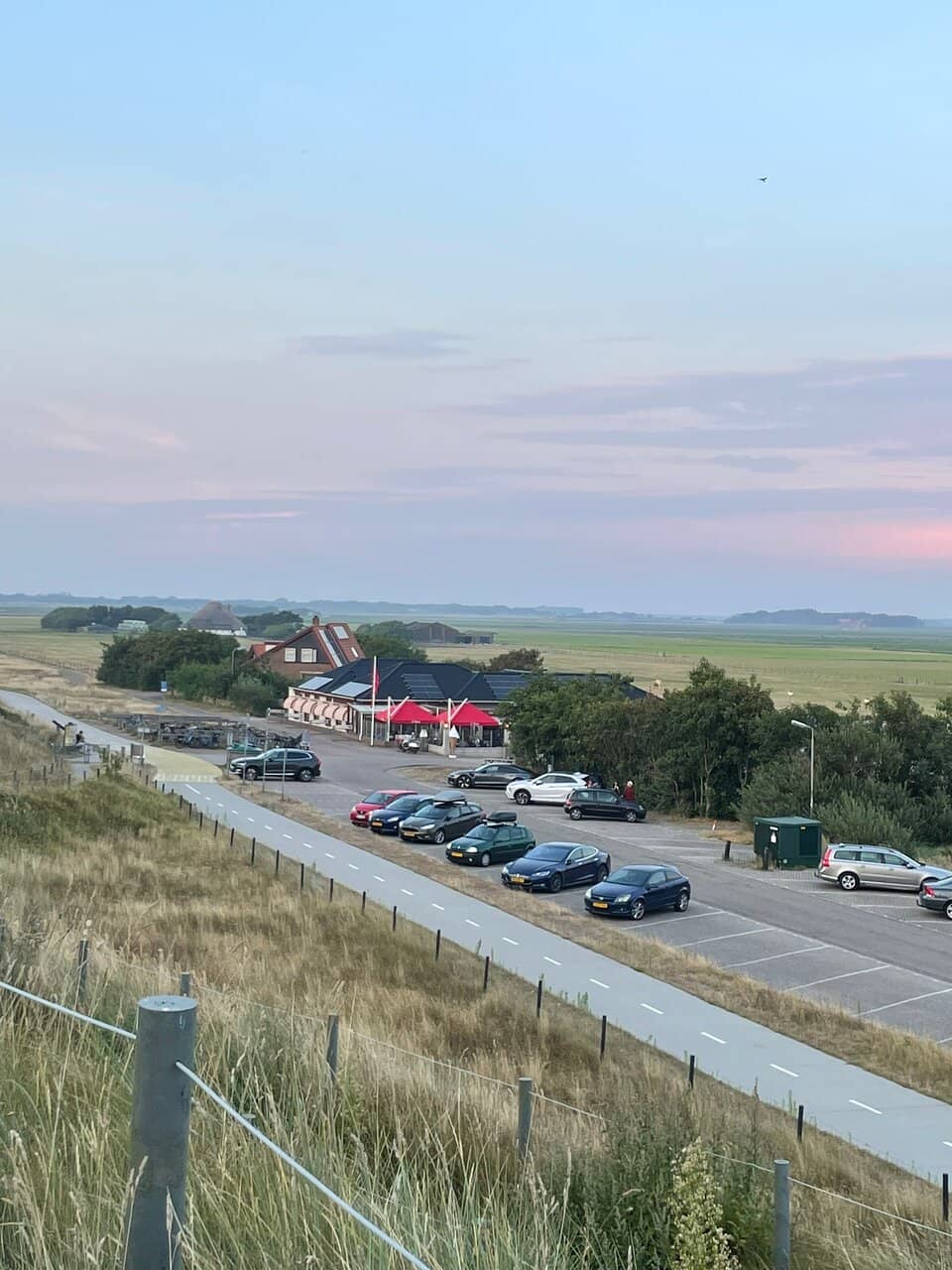
There's a convenient restaurant/café located right by the dunes near De Slufter, perfect for a break. It offers quick service and typical Dutch pancakes.
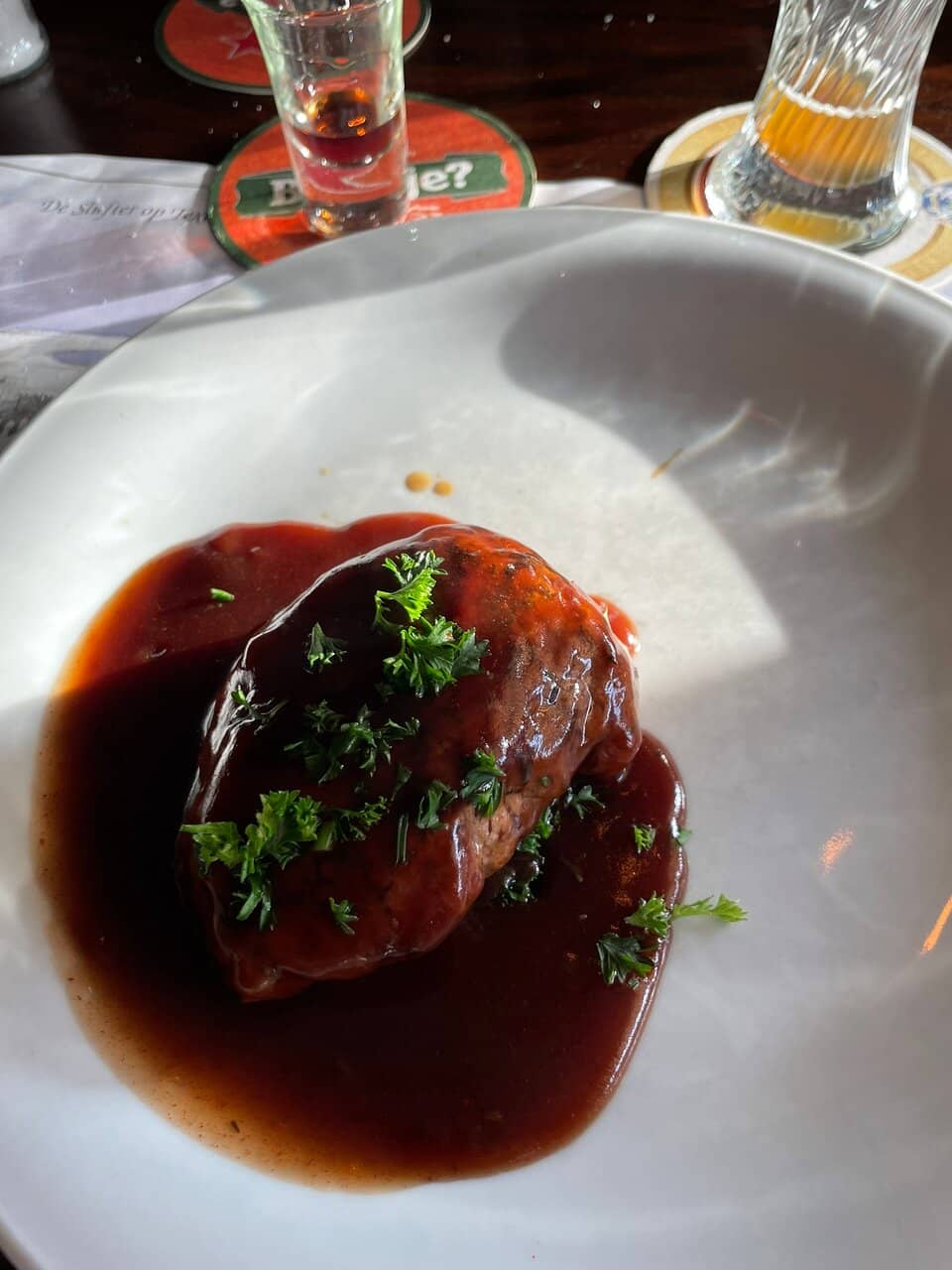
You can find classic Dutch 'pannenkoeken' (pancakes) with local Texel cheese and ham, as well as other light meals and refreshments.
Reviews suggest that prices are very affordable, making it a great spot for a budget-friendly lunch or snack after exploring.
While there are no designated picnic areas within the reserve itself, you can bring your own food and find a scenic spot to enjoy it, respecting the natural environment.
The nearby café is described as cozy and efficient, ideal for a quick stop. It's more of a casual eatery than a formal restaurant.
📸 📸 Photography
The ever-changing tidal landscape, blooming sea lavender in summer, diverse birdlife, and dramatic sunsets offer endless photographic possibilities.
Golden hour, both at sunrise and sunset, provides the most dramatic and beautiful light. Summer months offer the added color of sea lavender.
Drone flying is permitted in many natural areas, but always check for specific local regulations or no-fly zones to ensure compliance. The aerial views are spectacular.
A wide-angle lens is great for landscapes, while a telephoto lens is essential for capturing distant birds. A sturdy tripod can be useful for low-light conditions or long exposures.
The western edge offers great sunset views. Exploring the various paths will reveal unique perspectives of the creeks and dunes.
For Different Travelers
Tailored advice for your travel style
👨👩👧 Families with Kids
Bring snacks and drinks, as facilities are limited within the reserve itself. The nearby café offers a convenient spot for a break and a treat like pancakes. Encourage children to observe the nature around them – the unique plants, the birds, and the ever-changing water levels. It's a great opportunity for them to connect with nature and learn about coastal ecosystems in a hands-on way. Remember to keep a close eye on them, especially near the water's edge and during tidal changes.
🚶♀️ Hikers and Nature Enthusiasts
Consider visiting during different tides to witness the area's transformation. The summer bloom of sea lavender is a must-see for photographers and nature enthusiasts alike.
Be prepared for varied terrain; sturdy, waterproof hiking boots are essential. The feeling of being in a place where nature dictates the landscape, rather than human intervention, is truly special here.📸 Photographers
The golden hours around sunrise and sunset provide spectacular light for landscape photography, with the sky often ablaze with color. +1During summer, the vibrant purple of the blooming sea lavender adds a stunning splash of color to your shots.
Don't forget to bring a telephoto lens for capturing the diverse birdlife that frequents the area. Experiment with different perspectives, from wide-angle vistas of the dunes to close-ups of the unique coastal flora. Remember to protect your gear from sand and sea spray.Deep Dives
In-depth insights and expert knowledge
The Unique Ecology of De Slufter
+1The flora here is adapted to saline conditions, with species like sea lavender (Limonium vulgare) thriving and painting the landscape purple in the summer months. This bloom is a major draw for visitors and a vital food source for insects. The varied habitats within De Slufter, from open water to salt-tolerant grasses, make it a crucial resting and feeding ground for numerous migratory birds. Birdwatchers can spot a wide array of species, including waders, waterfowl, and birds of prey, depending on the season.
Conservation efforts focus on maintaining this natural balance, ensuring that the sea continues to have its 'free play' within the dunes. This allows De Slufter to remain a living laboratory of coastal dynamics and a vital sanctuary for its inhabitants. Visitors are encouraged to tread lightly and respect the delicate nature of this environment, observing wildlife from a distance and staying on marked paths to minimize disturbance.
+1Exploring De Slufter: Trails and Tips
However, many visitors, including families, enjoy creating their own paths, venturing deeper into the marshland or following the water's edge. It's crucial to be aware of the tidal patterns before setting out. At high tide, certain areas can become submerged, making exploration challenging or impossible. Conversely, low tide reveals more of the marshland and its inhabitants. Wearing waterproof footwear is highly recommended, as even on drier days, the ground can be damp and muddy.
+2For those seeking a broader perspective, drone photography offers stunning aerial views of the Slufter's unique topography, showcasing the intricate network of creeks and the vastness of the dunes.
Remember to always check local regulations regarding drone usage. The area is also a prime spot for birdwatching, so bringing binoculars can significantly enhance your experience. The nearby café provides a welcome respite for a snack or meal after your explorations. 


Social
from TikTok, Instagram & Reddit