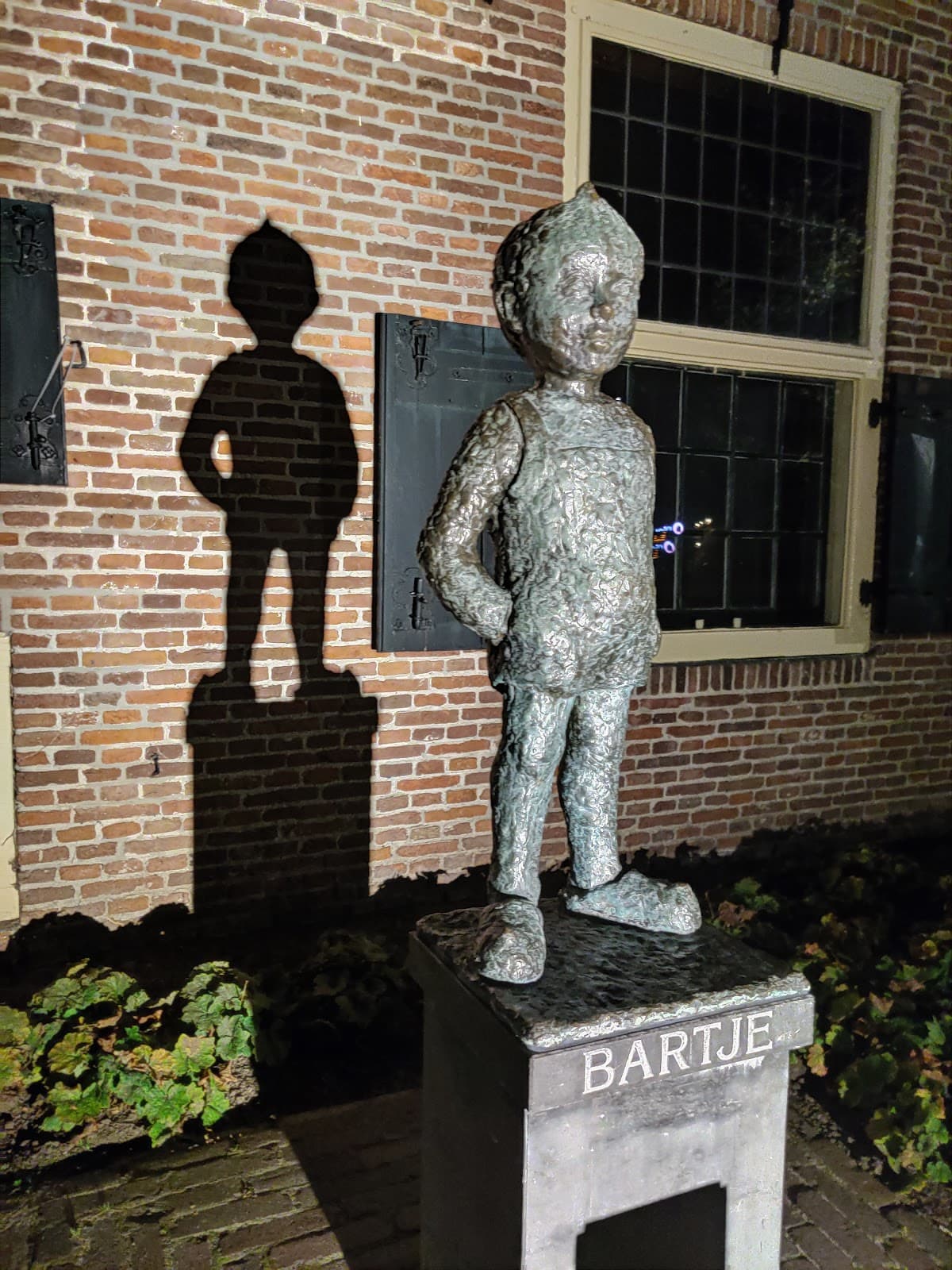
Bartje Statue
Bronze statue of Bartje, the iconic literary character symbolizing Drenthe's resilience and spirit.
Highlights
Must-see attractions

Social
From TikTok & Reddit
Best Time
Best light for photos
Bartje Statue
Best Time
Best light for photos
Highlights
Must-see attractions
Bronze statue of Bartje, the iconic literary character symbolizing Drenthe's resilience and spirit.
"A beloved bronze tribute to Bartje, the heart of Drenthe's stories and spirit."
📸 Photo Opportunity
Capture a moment with Bartje, the beloved icon of Drenthe. :camerawithflash:
🗣️ Learn the Story
Understand Bartje's significance by learning about Anne de Vries's books. 📚
Quick Facts
Rating
4.4 · 68 reviews
Type
Historical Landmark
Highlights
Discover the most iconic attractions and experiences
The Bronze Bartje Statue
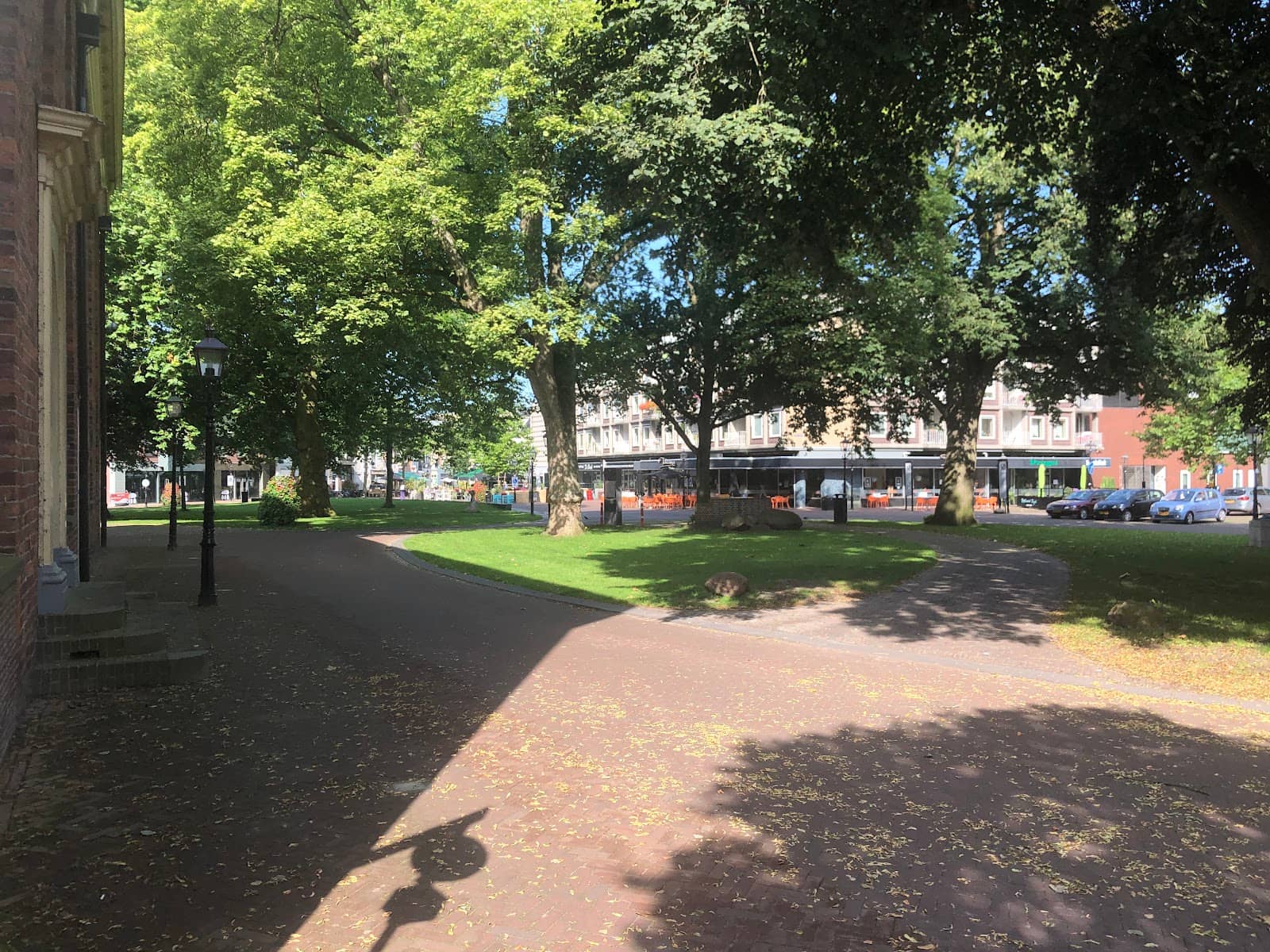
City center of Assen
Iconic bronze statue of Bartje, the fictional boy from Drenthe's countryside, symbolizing local resilience.
Bartje's Famous Quote
Near the statue
Reflect on Bartje's legendary defiance: 'I don't pray for brown beans.'
Plans like a pro.
Thinks like you
Planning Your Visit
A Glimpse of Drenthe's Heart
Understanding Bartje's Legacy
Best Times
Insider Tips
from TikTok, Instagram & Reddit
📸 Photo Opportunity
Capture a moment with Bartje, the beloved icon of Drenthe. :camerawithflash:
🗣️ Learn the Story
Understand Bartje's significance by learning about Anne de Vries's books. 📚
📍 Central Location
Easily accessible in Assen's city center, perfect for a brief visit. :round_pushpin:
Tips
from all over the internet
📸 Photo Opportunity
Capture a moment with Bartje, the beloved icon of Drenthe. :camerawithflash:
🗣️ Learn the Story
Understand Bartje's significance by learning about Anne de Vries's books. 📚
📍 Central Location
Easily accessible in Assen's city center, perfect for a brief visit. :round_pushpin:
What Travellers Say
Reviews Summary
Visitors find the Bartje Statue to be a charming and significant landmark in Assen, representing the heart of Drenthe's cultural identity. Many appreciate its central location and the story behind the iconic character. While some may find it a brief stop, its symbolic value and connection to local heritage are widely recognized and cherished.
"Bartje Bartels is the main character in a series of Dutch books written by Anne de Vries from 1935 on. Bartje is a boy who lives with his poor family in the countryside of Drenthe. His parents want him to become a farmer like his father, but Bartje has other ideas. He initially works as an apprentice, but when his mother dies, he has to look after his younger brothers and sisters."
Anna Logvinova
"Loved it"
Jan .Witteveen
"A beautiful bronze statue of Bartje, the icon of Drenthe, stands in the heart of Assen. It was created by artist Suze Boschma-Berkhout. Bartje is the fictional protagonist of Anne de Vries's 1935 book "Bartje." He's a boy growing up in a poor Drenthe farmworker family and gradually becoming less willing to accept his fate. His statement, "I don't pray for brown beans," remains legendary today. Due to vandalism, the original stone statue from 1935 was replaced in 1981 by the current bronze statue (the original now stands in the foyer of Assen's town hall)."
Reinald Dijkstra
What People Like
What People Dislike
Frequently Asked Questions
🚇 🗺️ Getting There
The Bartje Statue is conveniently located in the heart of Assen's city center, making it easily accessible on foot if you're exploring the town. Public transport options will likely drop you nearby, and parking is available in the city center for those driving.
Yes, the statue is a well-known landmark in Assen and is situated in a prominent, central location, making it simple to locate during your visit.
🎫 🎫 Tickets & Entry
No, viewing the Bartje Statue is completely free. It's an outdoor public monument accessible to everyone at any time.
As an outdoor public sculpture, the Bartje Statue is accessible 24/7. There are no specific opening hours to consider.
🎫 📍 Onsite Experience
A visit to the Bartje Statue is typically brief, often taking just 10-15 minutes to admire, take photos, and read any accompanying information. It's a perfect quick stop.
The statue represents Bartje, the fictional protagonist of Anne de Vries's books, a boy from a poor Drenthe farmworker family. His famous quote, 'I don't pray for brown beans,' symbolizes resilience and a questioning spirit, making him an icon of Drenthe.
Yes, children can certainly appreciate the statue, especially if they are familiar with the Bartje stories. It's a good opportunity to introduce them to local literature and culture.
The statue is located in Assen's city center, so you'll find many other attractions, shops, and cafes within easy walking distance, making it a great starting point for exploring the city.

Social
from TikTok, Instagram & Reddit