Kathesimbhu Stupa Kathmandu
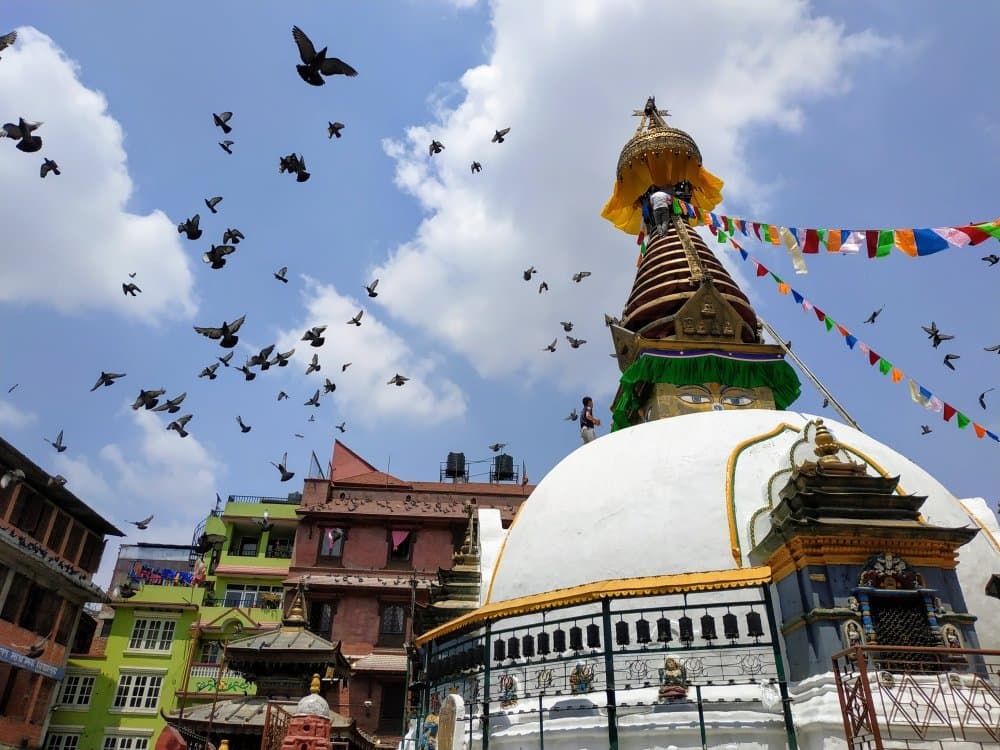
A serene Buddhist pilgrimage site in Kathmandu, offering a peaceful replica of Swayambhunath with a rich spiritual ambiance.
Highlights
Must-see attractions

Social
From TikTok & Reddit
Best Time
Peaceful atmosphere
Kathesimbhu Stupa Kathmandu
Best Time
Peaceful atmosphere
Highlights
Must-see attractions
A serene Buddhist pilgrimage site in Kathmandu, offering a peaceful replica of Swayambhunath with a rich spiritual ambiance.
"A tranquil escape offering deep spiritual connection and authentic local culture away from the crowds."
🎯 Dress Modestly
Cover shoulders & knees. Essential for respecting this sacred Buddhist site.
🔄 Spin Prayer Wheels Clockwise
A key ritual for sending good wishes. Always turn them in the direction of the stupa.
Quick Facts
Hours
Rating
4.5 · 467 reviews
Type
Place of Worship
Address
Highlights
Discover the most iconic attractions and experiences
The Main Stupa
Central Courtyard
A serene, white-domed Buddhist monument, a smaller replica of Swayambhunath, radiating peace.
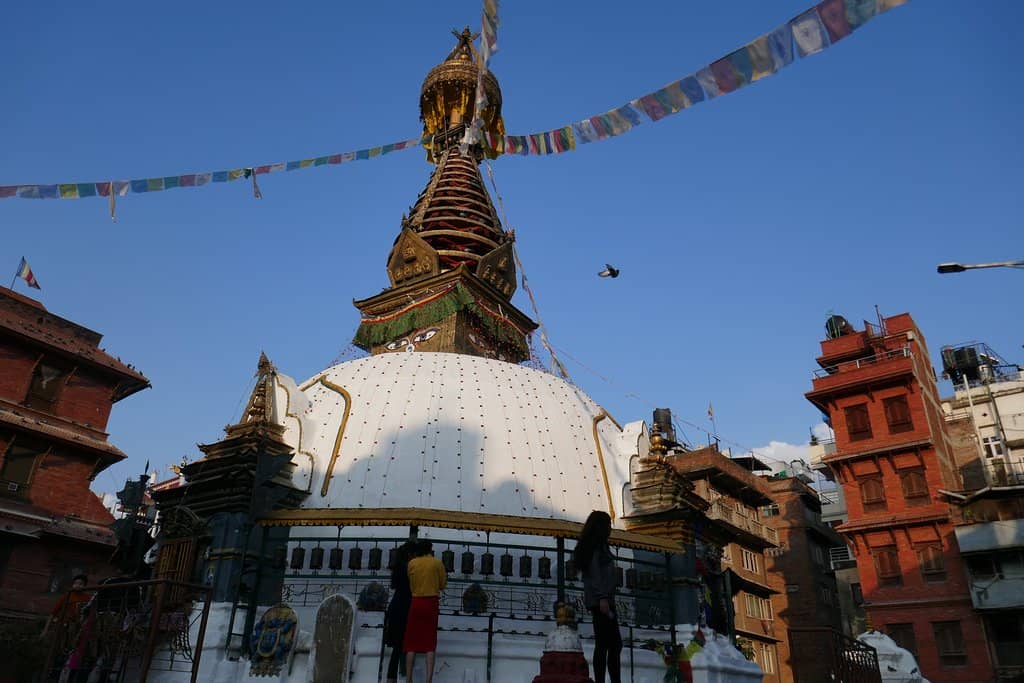
Prayer Wheels
Circumference of the Stupa
Spin these clockwise to send prayers and good wishes into the universe. A key part of the spiritual practice.
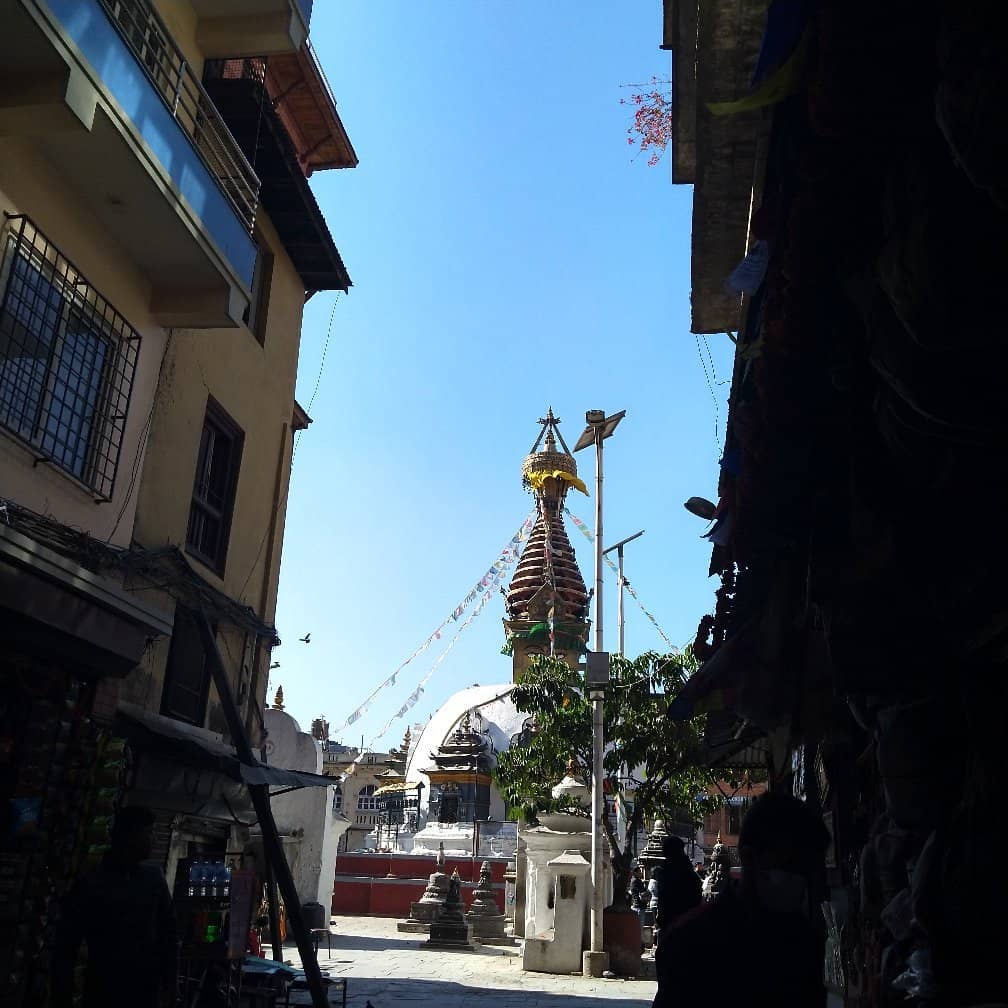
Local Devotees
Around the Stupa
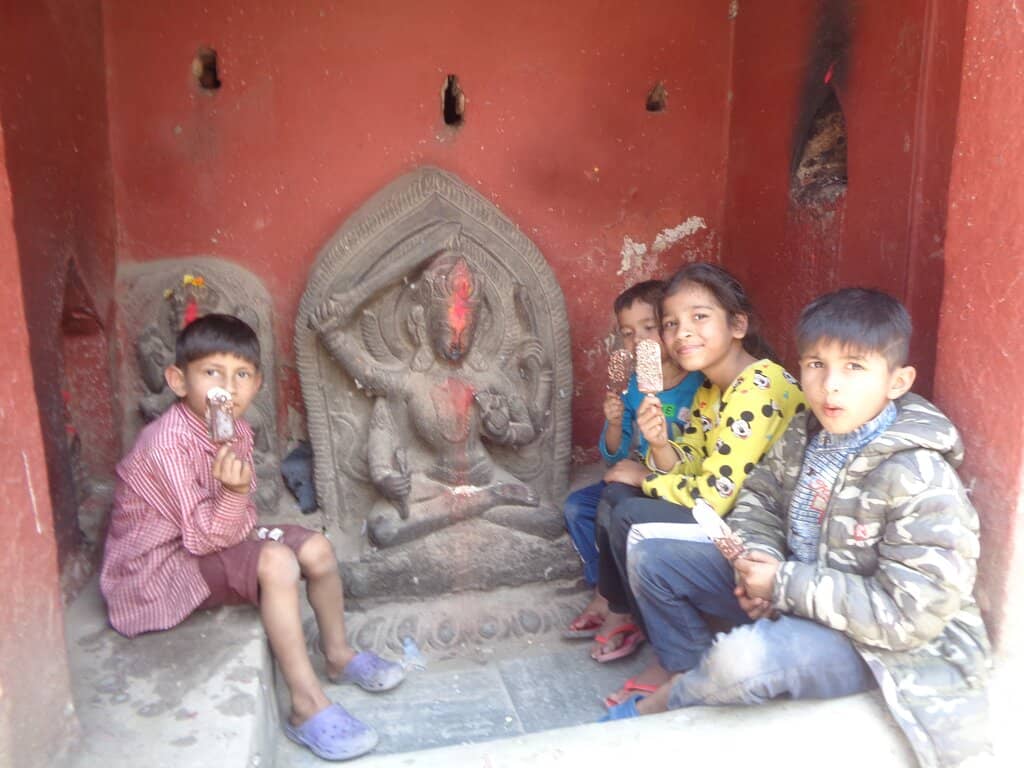
Observe locals engaging in prayer and rituals, offering a glimpse into daily spiritual life.
Plans like a pro.
Thinks like you
Planning Your Visit
Beat the Crowds for Serenity
Respectful Attire and Conduct
Best Times
Insider Tips
from TikTok, Instagram & Reddit
🎯 Dress Modestly
Cover shoulders & knees. Essential for respecting this sacred Buddhist site.
🔄 Spin Prayer Wheels Clockwise
A key ritual for sending good wishes. Always turn them in the direction of the stupa.
🤫 Keep it Peaceful
This is a place for reflection. Speak softly and be mindful of those praying.
📸 Great for Photography
Capture the serene architecture and local life, especially during golden hours.
Tips
from all over the internet
🎯 Dress Modestly
Cover shoulders & knees. Essential for respecting this sacred Buddhist site.
🔄 Spin Prayer Wheels Clockwise
A key ritual for sending good wishes. Always turn them in the direction of the stupa.
🤫 Keep it Peaceful
This is a place for reflection. Speak softly and be mindful of those praying.
📸 Great for Photography
Capture the serene architecture and local life, especially during golden hours.
🚶♂️ Explore the Courtyard
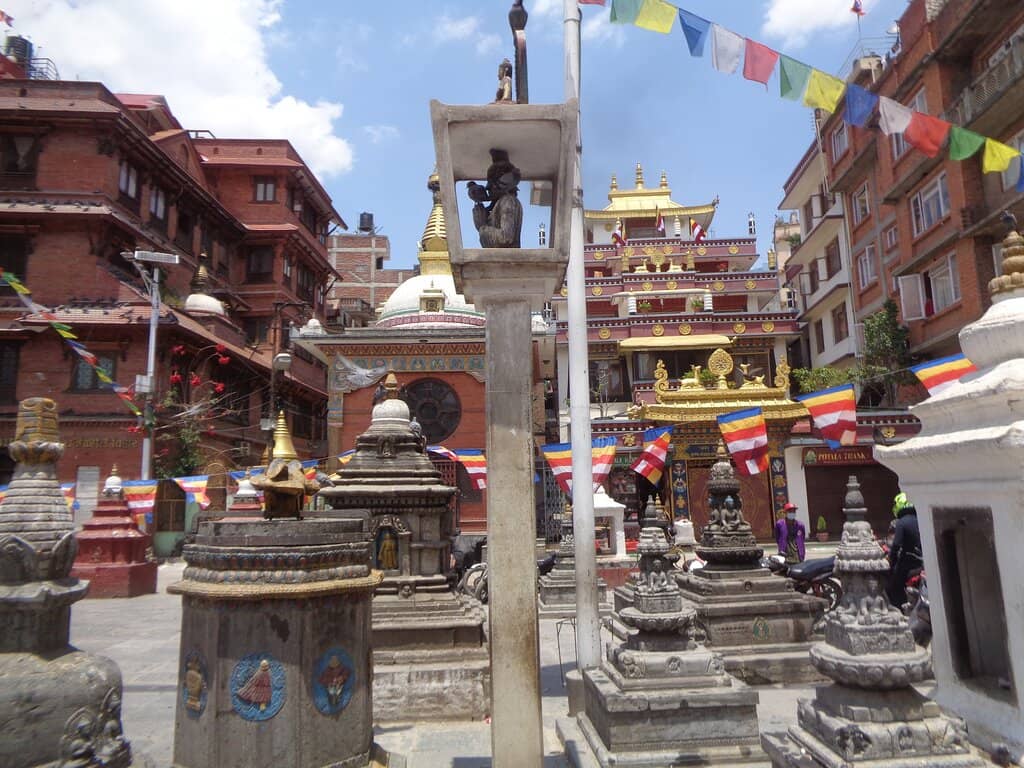
Discover smaller shrines and monasteries surrounding the main stupa.
What Travellers Say
Reviews Summary
Visitors praise Kathesimbhu Stupa for its serene atmosphere and spiritual significance, often highlighting it as a peaceful alternative to more crowded sites. Its historical roots and authentic local vibe are frequently mentioned as major draws, offering a genuine glimpse into Buddhist traditions. Some note that while it's less commercialized, it still offers a profound cultural experience.
"Charumati Stupa, also known as Chabahil Stupa, is one of the oldest Buddhist stupas in Nepal — and a place filled with deep history and spiritual charm. Built by Charumati, the daughter of Indian Emperor Ashoka, this stupa is often less crowded than Boudha or Swayambhu, which makes it perfect for those seeking peace and quiet reflection.
The architecture is simple yet elegant, with beautiful prayer wheels surrounding the stupa. Locals come here for daily rituals, and the whole area carries a gentle, sacred energy that’s truly grounding.
What I loved most was the authentic local vibe — no commercial crowds, no tourist traps, just pure cultural and religious essence. It’s a great place to connect with Nepal’s ancient Buddhist roots and observe how spirituality is woven into daily life.
There are small Tibetan monasteries, shrines, and friendly locals around who might share stories if you’re curious. It’s also a lovely spot for photography, especially during early mornings or late evenings.
If you’re in Kathmandu and want to experience something less touristy but deeply meaningful, Charumati Stupa is definitely worth the visit."
Amit Pachaar
"Charumati Stupa, also known as Chabahil Stupa or Dhando Chaitya, is one of the oldest Buddhist monuments in Nepal, located in the Chabahil area of Kathmandu. It holds significant historical and spiritual value, reflecting Nepal's deep-rooted Buddhist heritage.
Historical Background
The stupa was commissioned by Princess Charumati, daughter of the Indian Emperor Ashoka, in the 4th century CE.Charumati, after marrying a Nepalese prince named Devapala, settled in Kathmandu and continued her father's mission of promoting Buddhism. She established the stupa as a symbol of peace and spiritual devotion.
In 2003, during restoration efforts, archaeologists discovered a brick inscribed with Charumati's name in both Brahmi and Bhujimol scripts, providing tangible evidence of her contribution to Nepal's Buddhist architecture.
Charumati Stupa showcases traditional Buddhist architectural elements. It features a white dome symbolizing purity, topped with a spire representing enlightenment. The stupa is adorned with four images of Buddha facing each cardinal direction and is surrounded by smaller chaityas and prayer wheels. Colorful prayer flags flutter around the structure, adding to its serene ambiance
Over the centuries, the stupa faced deterioration due to natural and human-induced factors. In 2003, local communities undertook restoration work to preserve the monument. Further restoration was necessary after the 2015 earthquake, which caused significant damage to many heritage sites in Nepal.
Despite its location amidst the bustling city, Charumati Stupa remains a tranquil site for meditation and reflection. It attracts both devotees and tourists who seek to experience its spiritual ambiance and historical significance. The stupa stands as a testament to the enduring legacy of Buddhism in Nepal and the cultural exchange between ancient India and Nepal.
Visitors to Kathmandu interested in exploring Nepal's rich Buddhist heritage should consider including Charumati Stupa in their itinerary."
Subash Bhatt
"Beautiful place where the devotees of buddhism and hinduism came to visit from NEPAL, INDIA,CHINA,THAILAND and European ,American countries .Good memory can be captured…."
Suman Basnet
What People Like
What People Dislike
Frequently Asked Questions
🚇 🗺️ Getting There
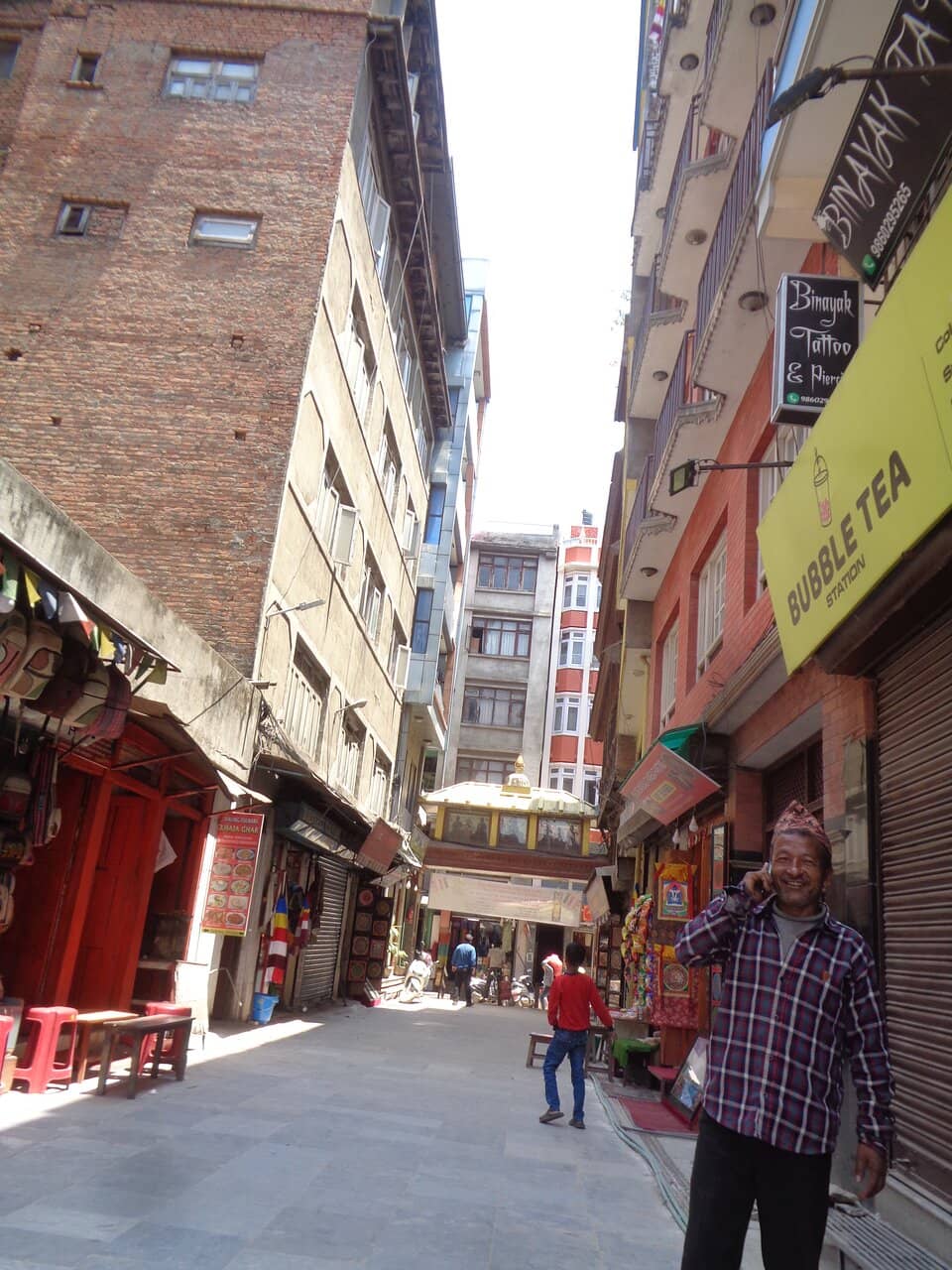
Kathesimbhu Stupa is conveniently located near Thamel. You can easily walk there in about 15-20 minutes, or take a short taxi ride. Many visitors find it a pleasant stroll through the old city streets.
While direct bus routes might be complex, local buses do pass through the Chabahil area where the stupa is located. However, walking or taking a taxi from Thamel is generally more straightforward for tourists.
From the airport, the most convenient option is to take a taxi directly to Kathesimbhu Stupa. The journey typically takes around 30-45 minutes depending on traffic.
Parking can be challenging in the dense urban area. If you're arriving by private vehicle, look for designated parking spots or be prepared to park a short walk away.
Yes, the streets leading to and around Kathesimbhu Stupa are generally safe for walking, especially during daylight hours. It's a good opportunity to soak in the local atmosphere.
🎫 🎫 Tickets & Entry
Entry to Kathesimbhu Stupa is generally free. It's a public space where locals and devotees gather for worship and reflection.
The stupa is accessible throughout the day, from early morning until evening. There are no strict official opening hours, but it's best to visit during daylight for safety and atmosphere.
There is typically no separate fee for photography. However, always be respectful and avoid intrusive photography, especially of individuals engaged in prayer.
Yes, visiting during local festivals can be a vibrant experience, though it might be more crowded. It offers a unique insight into Nepalese Buddhist traditions.
While the site is generally open, it's advisable to avoid very late at night for personal safety and to respect the local community's quiet hours.
🎫 🧭 Onsite Experience
Kathesimbhu Stupa is a popular Buddhist pilgrimage site, considered a smaller replica of Swayambhunath. It was built around 1650 AD and holds deep spiritual importance for Tibetan Buddhists. 
Yes, it's often noted as being less crowded than the major stupas like Swayambhunath and Boudhanath, offering a more tranquil experience for visitors seeking peace.
It's important to dress modestly, covering your shoulders and knees out of respect for the religious nature of the site.
Visitors can respectfully spin the prayer wheels clockwise. Observing local devotees and their practices is also a significant part of the experience.
While official guides might not be readily available at the stupa itself, local devotees or residents might be willing to share insights if approached respectfully.
📸 📸 Photography
The main stupa itself, the surrounding prayer wheels, and the interactions of local devotees offer excellent photographic opportunities. The courtyard provides a good vantage point.
Early mornings and late afternoons offer the best light for photography, creating a serene and beautiful atmosphere. The 'golden hour' is particularly magical.
Generally, there are no strict restrictions, but always be mindful and respectful. Avoid photographing individuals without their consent, especially when they are praying.
Drone usage is generally not permitted in and around religious sites in Kathmandu due to privacy and safety concerns. It's best to avoid bringing one.
Focus on the architectural details of the stupa, the vibrant prayer flags, the spinning prayer wheels, and candid shots of local life and devotion.
Social
from TikTok, Instagram & Reddit