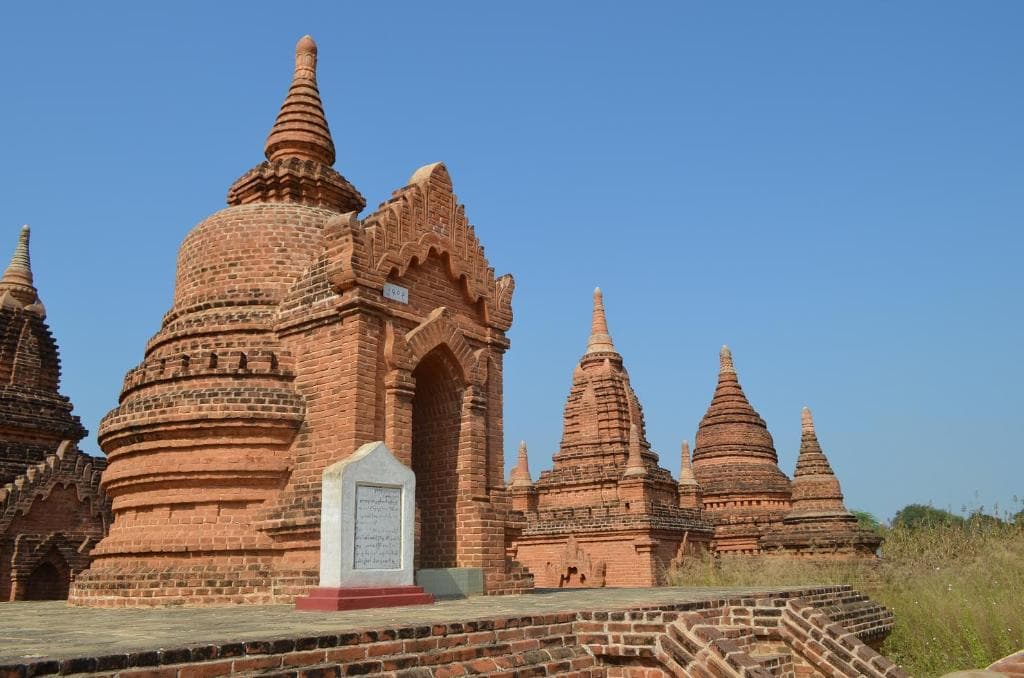
Wetkyi-In Gubyaukgyi Temple
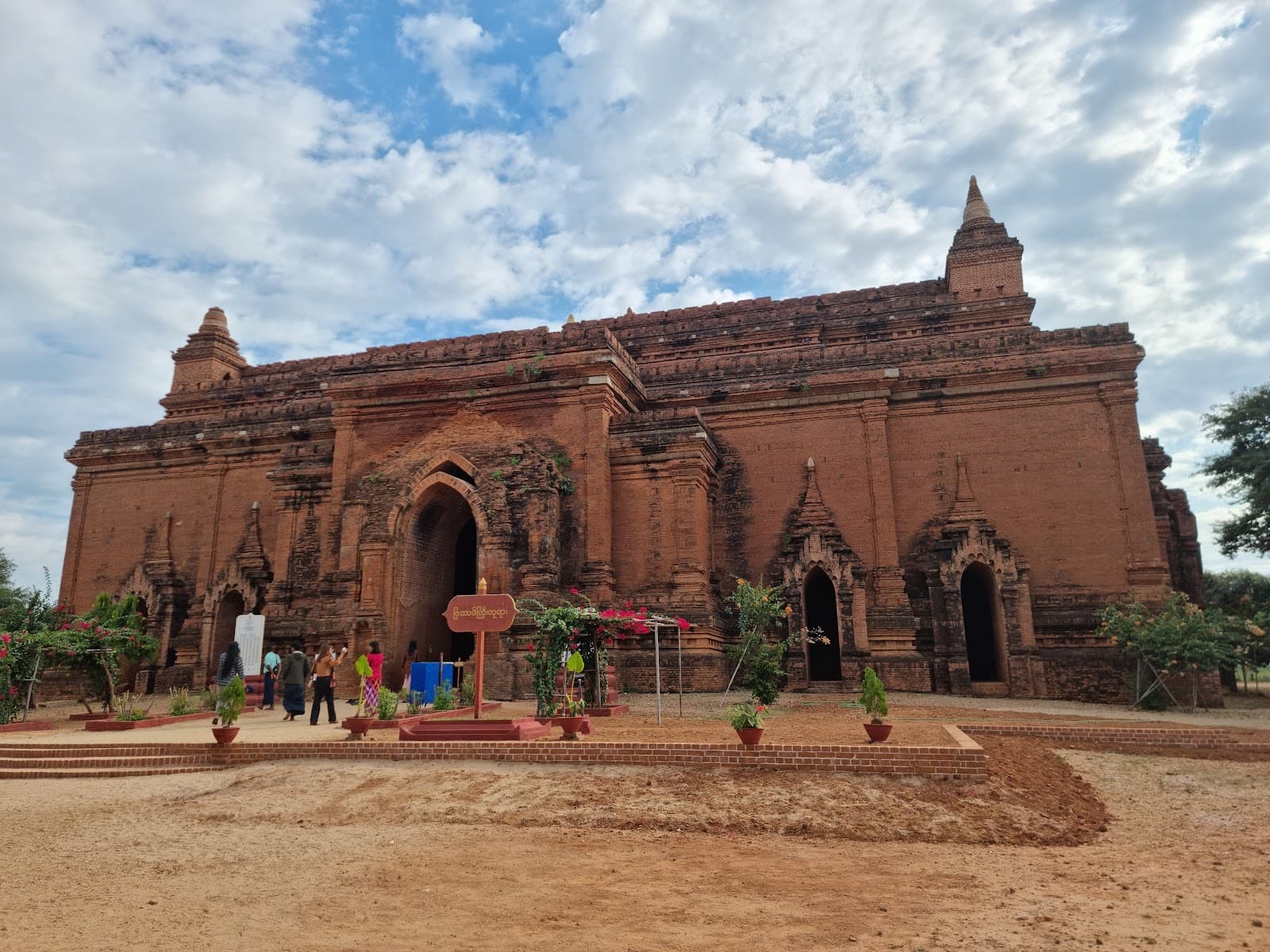
Ancient temple famed for its 12th-century murals and historical inscription, offering a glimpse into Pagan Dynasty art and history.
Highlights
Must-see attractions

Social
From TikTok & Reddit
Best Time
Fewer crowds, better light
Wetkyi-In Gubyaukgyi Temple
Best Time
Fewer crowds, better light
Highlights
Must-see attractions
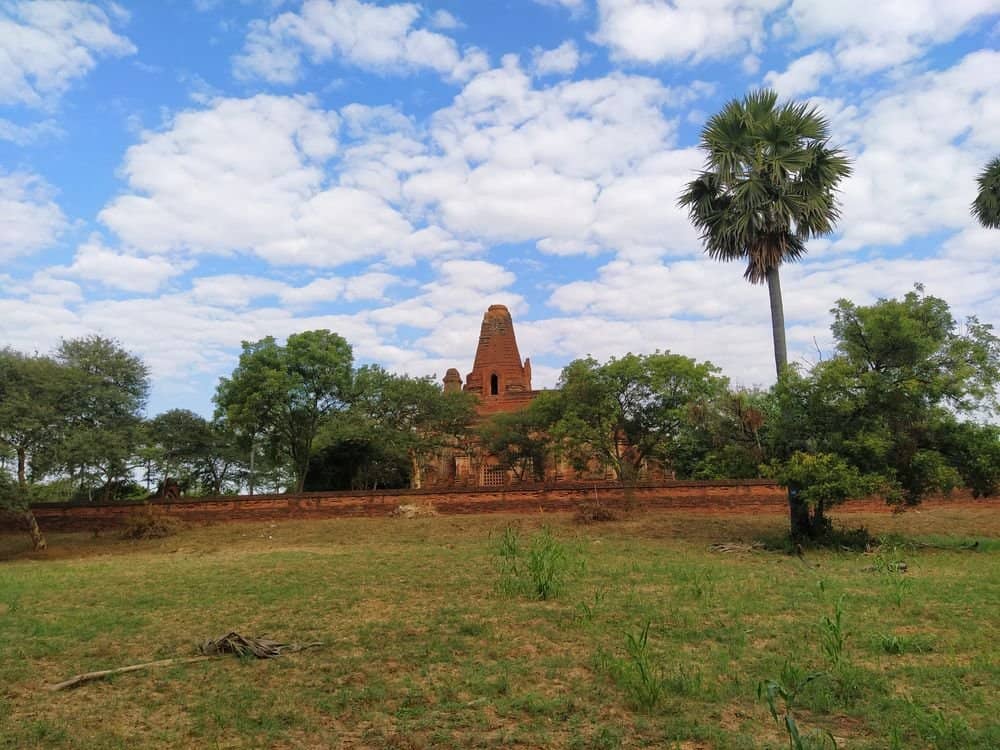
Ancient temple famed for its 12th-century murals and historical inscription, offering a glimpse into Pagan Dynasty art and history.
"The 'great painted cave' captivates with ancient murals, though photography is strictly forbidden."
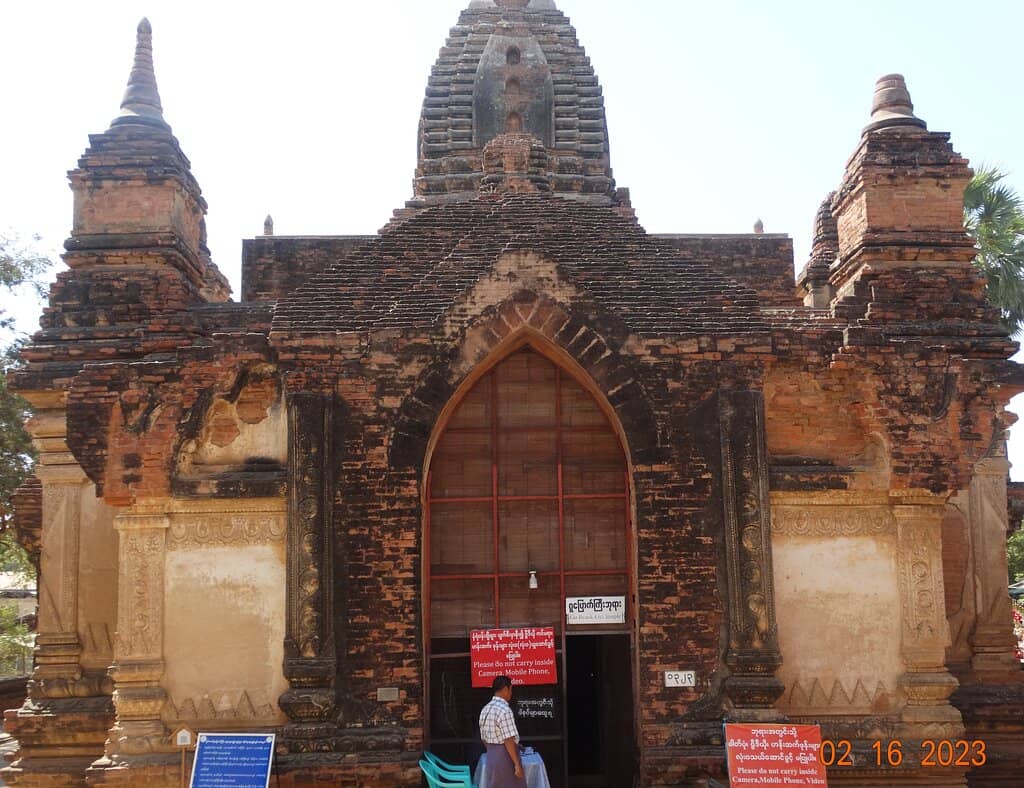
🚫 No Photos Inside!
Photography is forbidden to protect the delicate murals. Lock up your devices before entering.
🔦 Bring a Torch (if allowed)
Enhance your viewing of the murals, but check if torches are permitted and available.
Highlights
Discover the most iconic attractions and experiences
Vibrant Interior Murals
Inside the temple
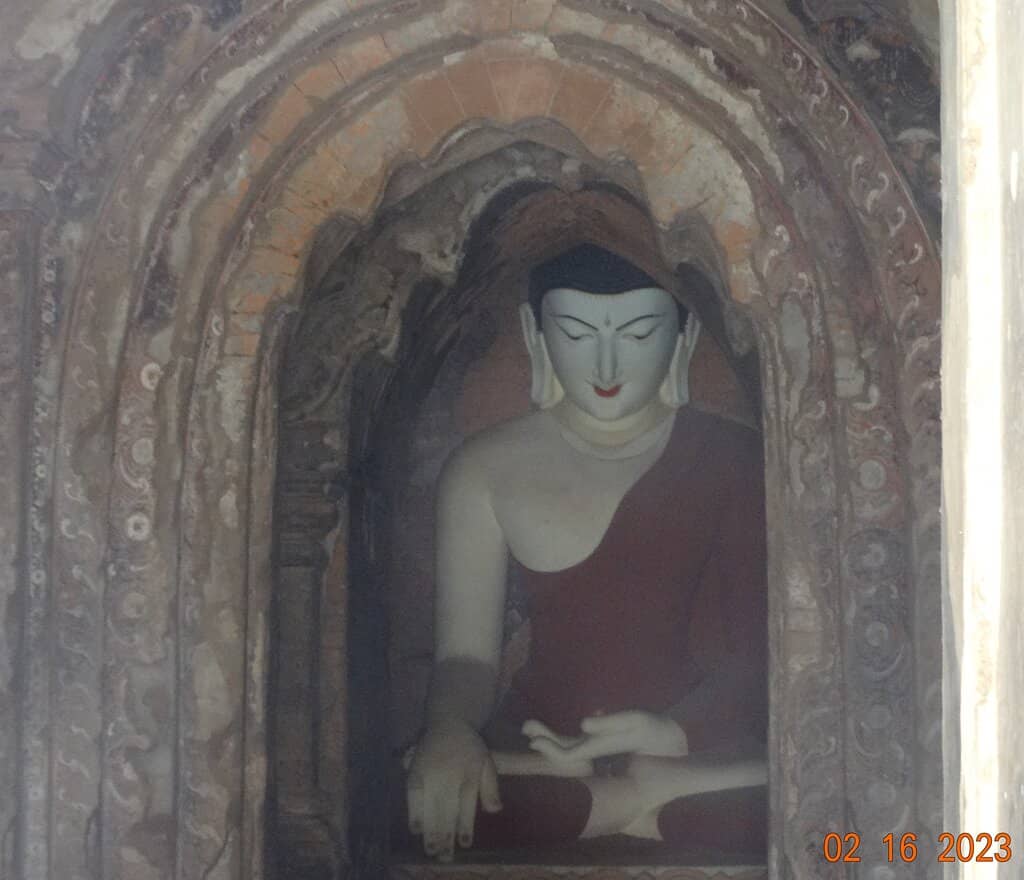
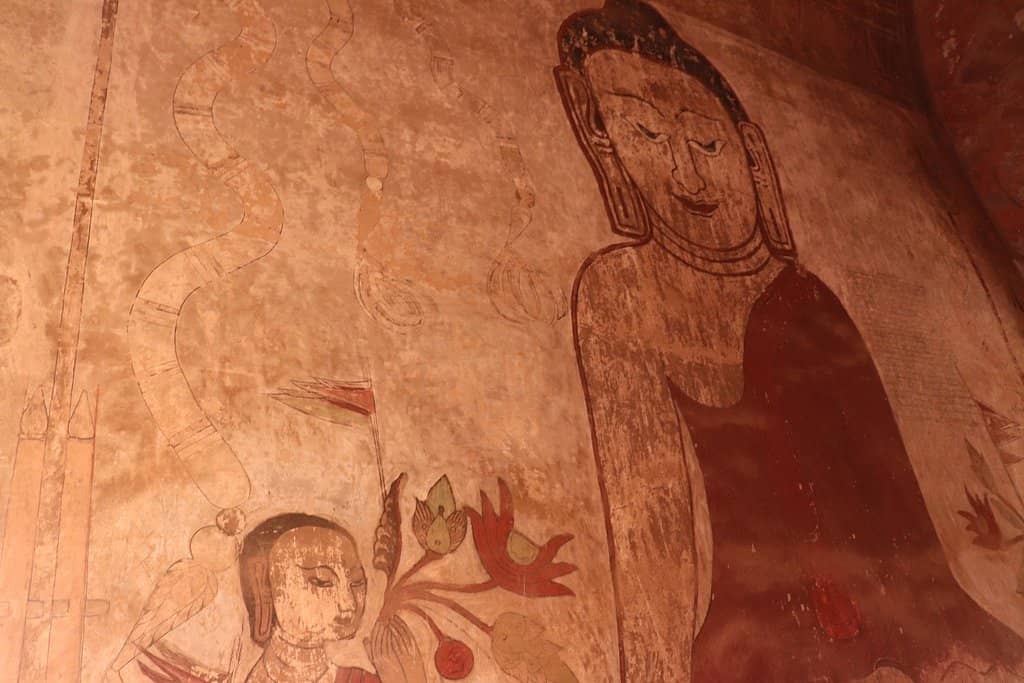
Witness ancient, colorful murals depicting Jataka tales, earning it the nickname 'the great painted cave'.
Four-Language Inscription
Near the temple
See a stone inscription in four languages, a significant find for Burmese linguistic history.
Exquisite Exterior Windows
Temple exterior
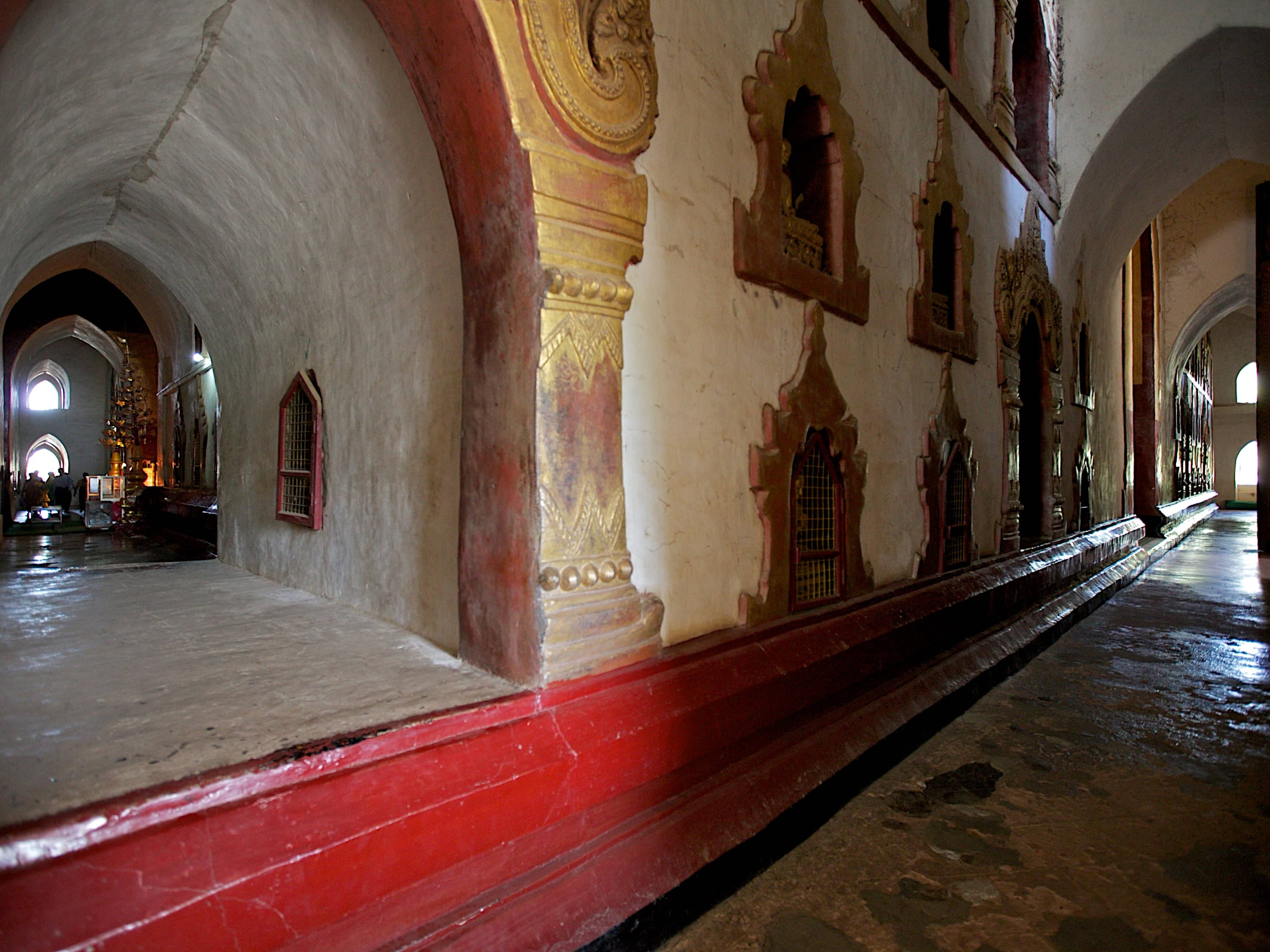
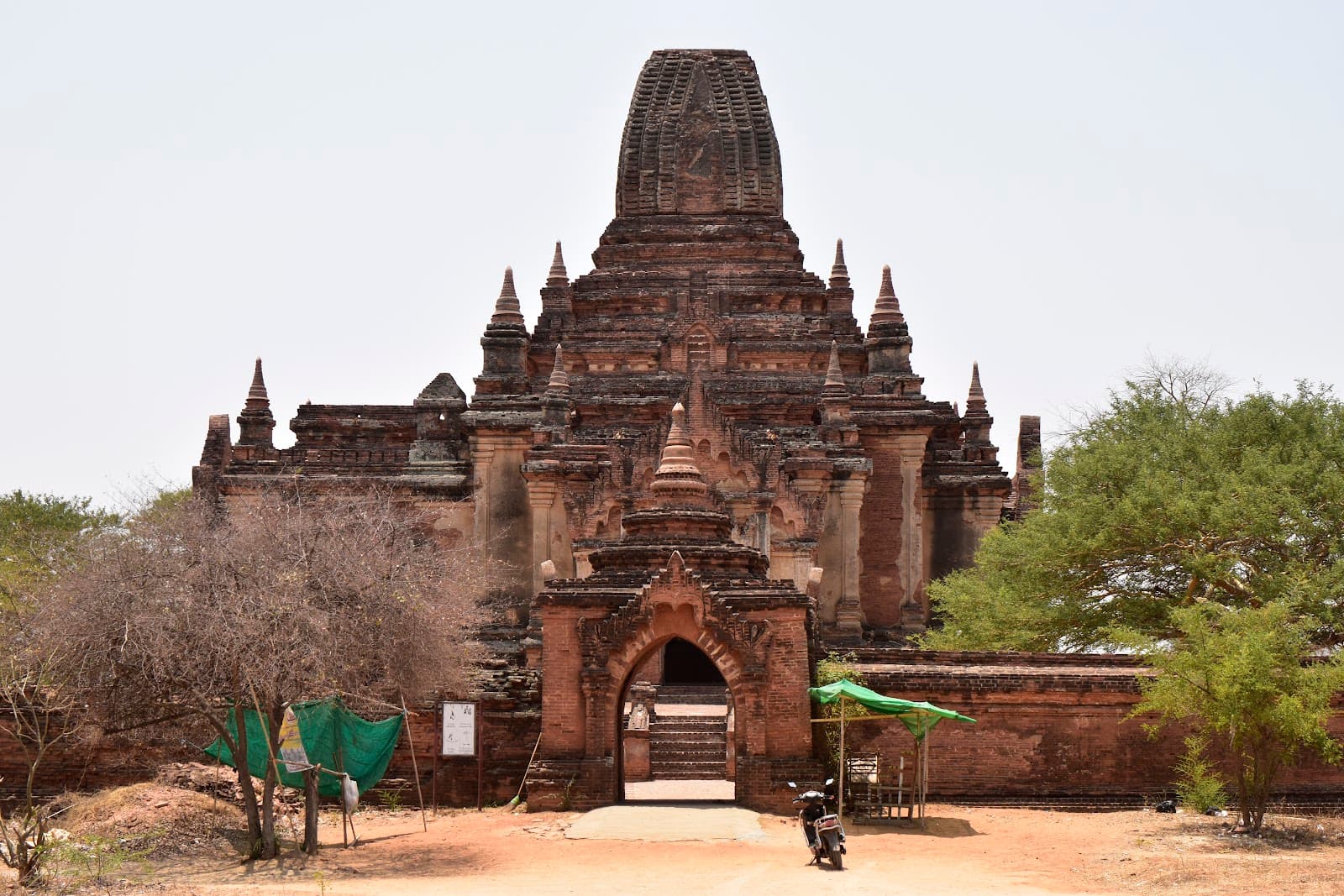
Admire the intricately designed perforated windows made of brick, stucco, and stone.
Plans like a pro.
Thinks like you
Planning Your Visit
Respect the Art: Photography Restrictions
Uncover Ancient Narratives
Best Times
Insider Tips
from TikTok, Instagram & Reddit
🚫 No Photos Inside!
Photography is forbidden to protect the delicate murals. Lock up your devices before entering.
🔦 Bring a Torch (if allowed)
Enhance your viewing of the murals, but check if torches are permitted and available.
🖼️ Admire Exterior Details
Focus on the beautiful stucco work and perforated windows on the outside.
📜 Learn About the Inscription
Discover the historical significance of the four-language stone inscription.
Tips
from all over the internet
🚫 No Photos Inside!
Photography is forbidden to protect the delicate murals. Lock up your devices before entering.
🔦 Bring a Torch (if allowed)
Enhance your viewing of the murals, but check if torches are permitted and available.
🖼️ Admire Exterior Details
Focus on the beautiful stucco work and perforated windows on the outside.
📜 Learn About the Inscription
Discover the historical significance of the four-language stone inscription.
What Travellers Say
Reviews Summary
Visitors are captivated by the temple's stunning 12th-century murals, often calling it a 'great painted cave.' However, the strict no-photography rule, especially for phones, is a significant point of contention, with many lamenting the inability to capture the art. The historical inscription is also noted as a key feature.
"This pagoda has probably the most awesome paintings in any pagoda in Bagan, unfortunately we couldn’t see much as you are not allowed to take your phone inside (so no light). When asked why couldn’t one take the phone inside, the reply was “because photos will damage the paintings” One doesn’t know where to begin arguing. You can however carry a torch, but they do not rent it at outside. You can leave your belongings (like phones) at the lockers outside."
Naman Thakar
"Built in 1113 by Prince Yazakumar, it best known for colorful murals the interior walls, giving it the nickname "the great painted cave". Anothet claim to fame is a stone inscription written in four languages, where Burmese writing is first seen in the history, sort of "Rosetta Stone" equivalent."
Vincent Oliver
"The Gubyaukgyi temple, located just south of Bagan, Myanmar, in Myinkaba Village, is a Buddhist temple built in 1113 AD by Prince Yazakumar, shortly after the death of his father, King Kyansittha of the Pagan Dynasty. The temple is notable for two reasons. ( Wikipedia )"
クリスタルキール
What People Like
What People Dislike
Frequently Asked Questions
🚇 🗺️ Getting There
The temple is located in Myinkaba Village, south of Bagan. You can reach it by e-bike, horse cart, or taxi from Old Bagan. Many visitors combine it with other temples in the area.
Yes, it's a well-known temple in the Bagan archaeological zone. Look for signs directing you to Myinkaba Village.
Renting an e-bike is a popular and flexible way to see Gubyaukgyi and other nearby temples at your own pace.
🎫 🎫 Tickets & Entry
Yes, a Bagan archaeological zone pass is required to enter most temples, including Gubyaukgyi. Purchase this at the main ticket office.
Temples in Bagan are generally open from sunrise to sunset. It's best to visit during daylight hours to appreciate the murals.
The main fee is for the Bagan archaeological zone. There isn't usually a separate fee for individual temples like Gubyaukgyi.
Absolutely not. Photography, especially with flash, is strictly prohibited inside to protect the ancient murals. Your phone or camera must be left at the lockers.
There are lockers available outside the temple where you can safely store your phone, camera, and other belongings.
📸 📸 Photography
While photography is banned inside, the exterior offers great opportunities. Focus on the intricate stucco work, the unique perforated windows, and the temple's architecture.
Yes, the exterior windows are a highlight for photographers. Their detailed brick, stucco, and stone perforations are quite striking.
Try capturing the windows from different perspectives, especially during the golden hour when the light casts beautiful shadows.
🎫 🏛️ Onsite Experience
It's famous for its well-preserved 12th-century murals depicting Jataka tales and its historical stone inscription.
You'll find ancient murals on the interior walls and ceilings, depicting scenes from the Buddha's past lives. There are also Buddha images.
The architecture shows Indian influence, with a spire that differs from the typical bell-shaped pagodas. The exterior walls have stucco decorations.
Yes, you'll often find vendor stalls near the temple selling souvenirs and local crafts.
Allow about 30-60 minutes to fully appreciate the interior murals (without photos) and the exterior details.
For Different Travelers
Tailored advice for your travel style
👨👩👧 Families with Kids
Focus on the exterior details like the unique windows and stucco work, which can be a fun scavenger hunt for kids. The nearby vendor stalls also offer a chance to see local crafts. Renting an e-bike to get there can be an adventure in itself!
📸 Photography Enthusiasts

Experiment with different angles and lighting, especially during the golden hours of sunrise and sunset, to capture the play of light and shadow on the temple's facade. The stucco decorations on the eastern wall and entrance porch are also worth highlighting.
Deep Dives
In-depth insights and expert knowledge
The Artistry of Gubyaukgyi's Murals
These murals offer a unique glimpse into the artistic styles and religious narratives prevalent during the Pagan Dynasty. The detail and color, even after centuries, are astonishing. While the prohibition on photography is understandable from a preservation standpoint, it does mean visitors cannot easily share or document this incredible art. The experience is therefore more about personal contemplation and appreciation of history.
Preserving Ancient Masterpieces
The decision to ban photography, particularly flash photography, is a crucial measure to prevent the fading and degradation of these ancient pigments. The light and heat from flashes can cause irreversible damage to the delicate artwork. Visitors are encouraged to respect these rules and focus on experiencing the art directly, rather than through a lens.
Historical Significance: The Four-Language Inscription
This inscription is often compared to the Rosetta Stone due to its potential to unlock understanding of ancient languages. For scholars, it provides invaluable insights into the linguistic development of the region and the cultural exchanges of the time. The presence of multiple languages on a single monument speaks to the cosmopolitan nature of the Pagan Kingdom.
Architectural Influences
The temple's architecture also reflects historical connections, showing Indian influence. Its spire, for instance, resembles that of the Mahabodhi temple in Bodh Gaya, India, the site where the Buddha attained enlightenment. This architectural similarity highlights the deep religious and cultural ties between Myanmar and India during that era.


Social
from TikTok, Instagram & Reddit