
Ounila Valley
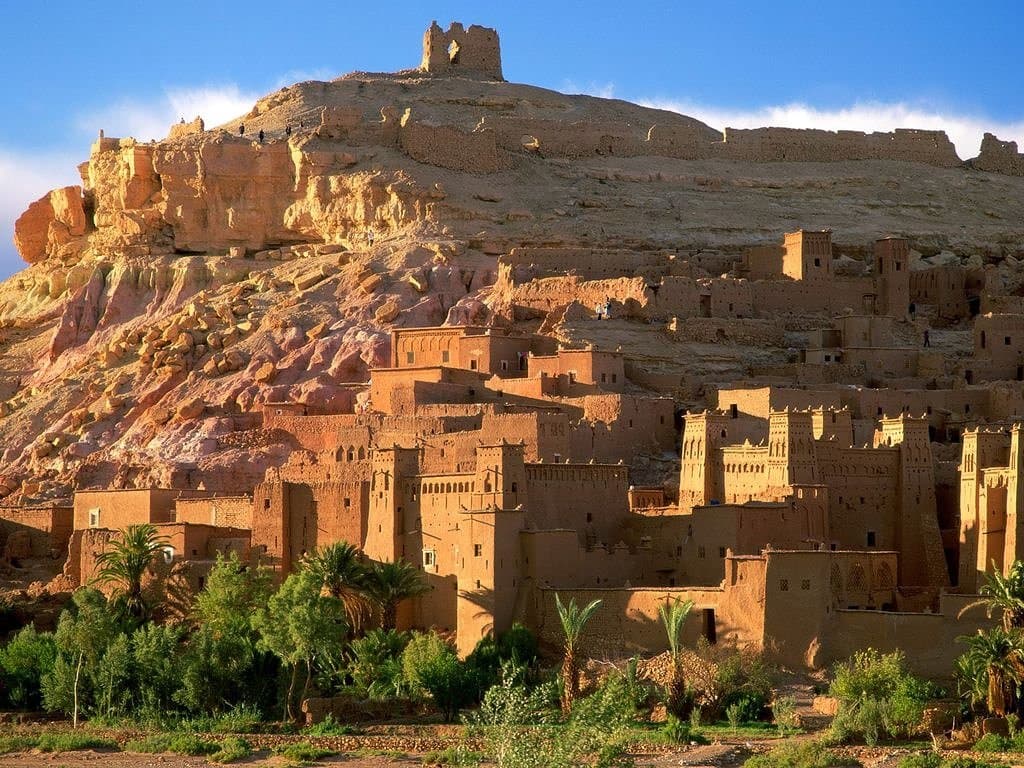
A historic trans-Saharan trade route, the Ounila Valley boasts dramatic landscapes, colorful geology, and ancient kasbahs.
Highlights
Must-see attractions

Social
From TikTok & Reddit
Best Time
Pleasant weather, fewer crowds
Ounila Valley
Best Time
Pleasant weather, fewer crowds
Highlights
Must-see attractions
A historic trans-Saharan trade route, the Ounila Valley boasts dramatic landscapes, colorful geology, and ancient kasbahs.
"The Ounila Valley is a hidden gem offering breathtaking scenery and traditional Berber villages."

🚗 4x4 Recommended
The rugged terrain is best navigated with a 4x4 vehicle for a comfortable and safe journey.
🗺️ Guided Tours
Consider a guided tour to uncover hidden gems and historical insights of the Ounila Valley.

Highlights
Discover the most iconic attractions and experiences
Ancient Kasbahs
Throughout the valley
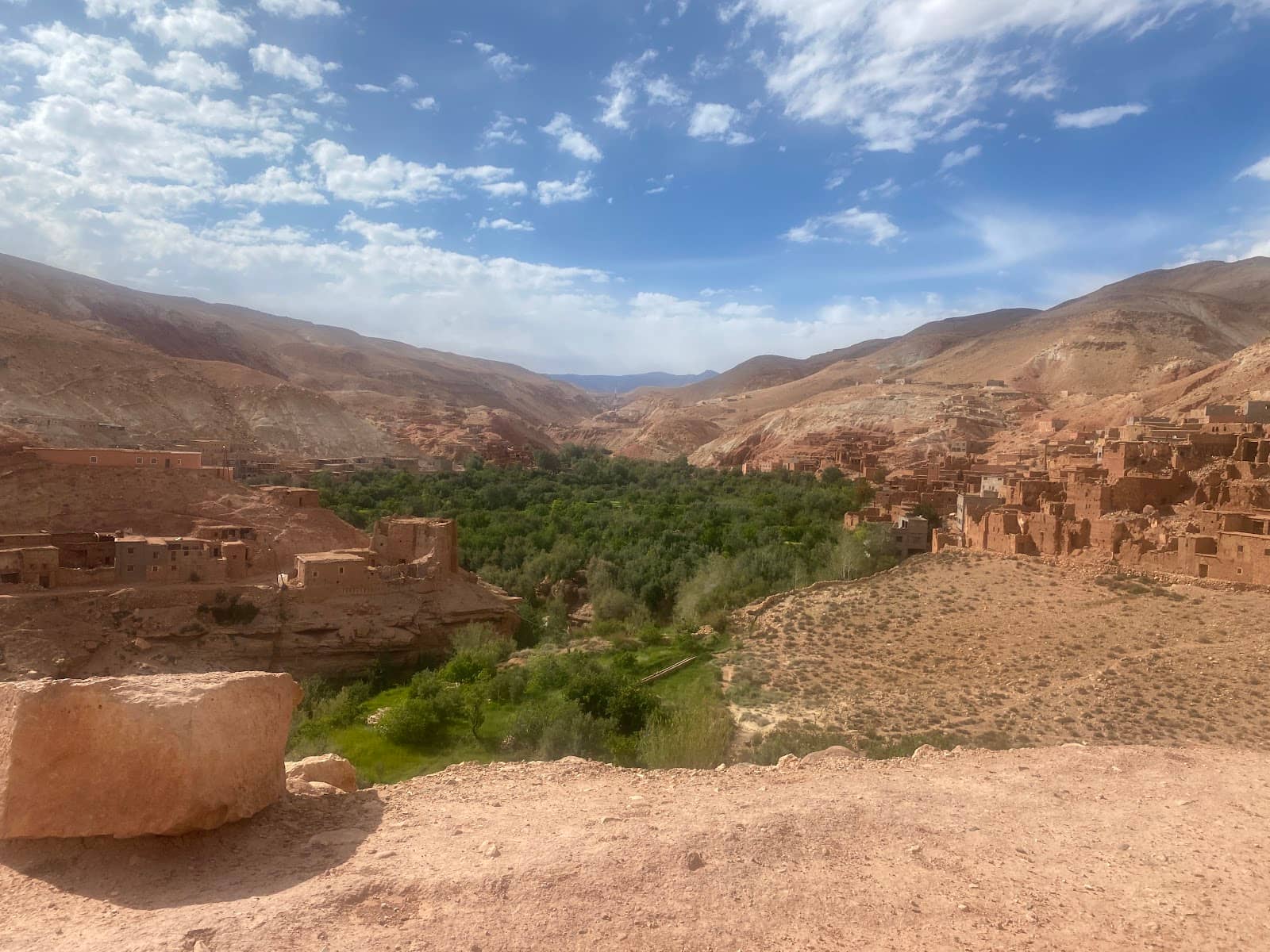
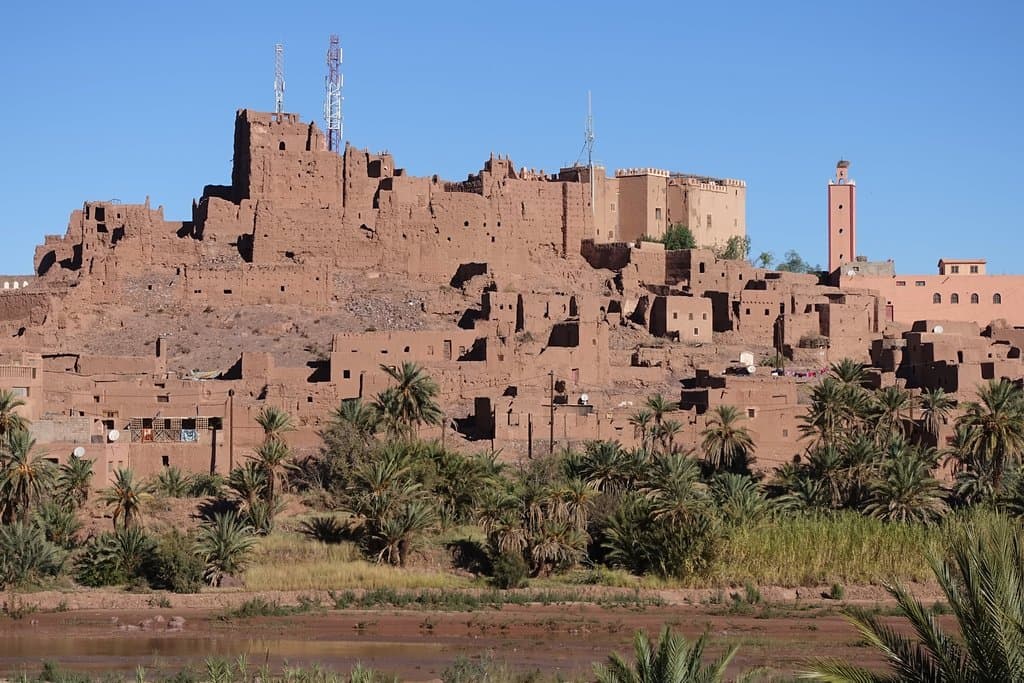
Explore crumbling kasbahs and ksar, remnants of the valley's vital role in ancient trade routes.
Ounila River
Valley floor
Witness the narrow river that carves through the valley, sustaining green gardens amidst the arid landscape.
Colorful Geology
Valley walls
Marvel at the unique and vibrant geological formations that paint the valley's dramatic scenery.
Plans like a pro.
Thinks like you
Planning Your Visit
Timing Your Ounila Valley Adventure
 +1
+1Navigating the Ounila Valley
+1Best Times
Insider Tips
from TikTok, Instagram & Reddit
🚗 4x4 Recommended
The rugged terrain is best navigated with a 4x4 vehicle for a comfortable and safe journey.
🗺️ Guided Tours
Consider a guided tour to uncover hidden gems and historical insights of the Ounila Valley.
📸 Capture the Views
The valley offers breathtaking scenery; bring your camera to capture its unique landscapes.
💧 Stay Hydrated
Carry plenty of water, especially during warmer months, as the landscape can be arid.
Tips
from all over the internet
🚗 4x4 Recommended
The rugged terrain is best navigated with a 4x4 vehicle for a comfortable and safe journey.
🗺️ Guided Tours
Consider a guided tour to uncover hidden gems and historical insights of the Ounila Valley.
📸 Capture the Views
The valley offers breathtaking scenery; bring your camera to capture its unique landscapes.
💧 Stay Hydrated
Carry plenty of water, especially during warmer months, as the landscape can be arid.
What Travellers Say
Reviews Summary
Visitors consistently praise the Ounila Valley for its breathtaking natural beauty, unique geological formations, and rich historical significance as an ancient trade route. The dramatic landscapes and ancient kasbahs are highlights, offering a truly immersive experience. Some find the terrain challenging, emphasizing the need for appropriate vehicles.
"Wonderful tour with #essaouira4wheels"
Jean-Francois Wyss (Essaouira4wheels)
"To do"
Bertrand Largueze
""
Khalil Moudnani
What People Like
What People Dislike
Frequently Asked Questions
🚇 🗺️ Getting There
The Ounila Valley is typically accessed by road from Marrakech, often as part of a larger itinerary towards Ait Ben Haddou or the desert. A 4x4 vehicle is highly recommended due to the terrain. Many travelers opt for organized tours that handle transportation.
Absolutely! The Ounila Valley is perfect for road trips, offering dramatic landscape changes and historical sites. It's a key part of routes connecting Marrakech to the Sahara.
Exploring by 4x4 is ideal for navigating the valley's roads and accessing more remote areas. Guided tours are also popular for their convenience and local knowledge.
While some main routes might be passable with a regular car, a 4x4 is strongly advised for a more comfortable and safer experience, especially if you plan to explore off the beaten path.
Key points include Kasbah Telouet, various traditional Berber villages, and the route leading towards Ait Ben Haddou. The valley itself is dotted with numerous crumbling kasbahs.
🎫 🎫 Tickets & Entry
The Ounila Valley itself is a natural landscape and a route, so there are no general entrance fees. However, individual kasbahs or historical sites you might visit within or near the valley may have small admission fees.
As the valley is a natural area, it's accessible at all times. However, specific historical sites or kasbahs may have limited visiting hours, often during daylight. It's best to check locally if visiting specific structures.
No advance booking is required for the Ounila Valley itself. If you are joining a guided tour, you would book that in advance with the tour operator.
The Ounila Valley is generally accessible year-round. However, extreme weather conditions like heavy rain or snow in the Atlas Mountains could temporarily affect road conditions.
No special passes or permits are required to drive through or explore the Ounila Valley. It's an open route for travelers.
📸 📸 Photography
The Ounila Valley offers incredible photo opportunities, from the dramatic geological formations and colorful landscapes to the ancient kasbahs and traditional Berber villages. Dawn and dusk provide beautiful light.
A versatile camera with a good zoom lens is recommended to capture both wide landscapes and details of the kasbahs. A wide-angle lens is great for the expansive views.
While not always explicitly advertised as 'photography tours,' many local tour operators can tailor trips to focus on the best photographic spots within the Ounila Valley.
The 'golden hours' around sunrise and sunset offer the most dramatic and beautiful light for photography, highlighting the textures and colors of the landscape and architecture.
Drone regulations can vary in Morocco. It's advisable to check current regulations and obtain any necessary permissions before flying a drone in the Ounila Valley or any other part of the country.
🎫 ⛰️ Nature & Landscape
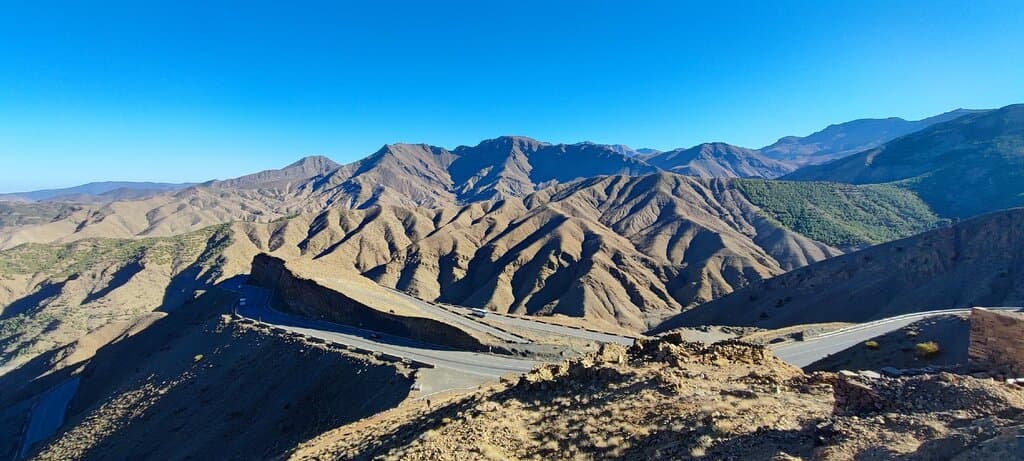
Expect a diverse landscape featuring a river, green gardens, dramatic mountain scenery in the High Atlas, and unique, colorful geological formations. It's a transition zone between mountains and desert.
Yes, the Ounila Valley offers opportunities for hiking, especially around the traditional villages and along the river. The surrounding Atlas Mountains also provide more challenging trekking routes.
The climate is generally arid, with hot summers and mild winters. Spring and autumn offer the most pleasant temperatures for exploration. Be prepared for significant temperature drops at night.
While the entire valley is a significant natural and cultural landscape, specific officially designated protected areas might be limited. Its beauty lies in its raw, natural state.
Wildlife sightings can vary. You might encounter local birds of prey, small desert mammals, and various insects. The focus is more on the geological and botanical diversity.
For Different Travelers
Tailored advice for your travel style
👨👩👧 Families with Kids
+1Opting for a guided 4x4 tour can make the journey more comfortable and engaging for younger travelers, as guides often share interesting stories and facts. Ensure you pack plenty of snacks and water, and be prepared for varying temperatures. The visual spectacle of the valley is captivating for all ages.
+1🚗 Road Trippers & Adventurers
+1Consider incorporating the Ounila Valley into a larger itinerary that includes the High Atlas, Ait Ben Haddou, and the Sahara Desert. The journey itself is an adventure, with opportunities for photography and experiencing the rugged beauty of the Moroccan landscape.
+1📸 Photographers
+1Bring a versatile lens setup to capture both sweeping panoramas and intricate architectural details. Exploring with a local guide can lead you to the most photogenic spots and provide context for your shots.
+1Deep Dives
In-depth insights and expert knowledge
The Historical Significance of the Ounila Valley
+1Exploring these ancient structures offers a tangible connection to Morocco's rich past. The valley's original function as a main thoroughfare meant it was a vital artery for the movement of people, ideas, and goods. Today, remnants like the old caravan routes and fortified dwellings tell stories of resilience and adaptation in a challenging environment.
+1Understanding this historical context enriches the travel experience, transforming a scenic drive into a journey through time. It highlights the valley's enduring legacy and its contribution to the historical tapestry of Morocco and West Africa.
+1Exploring the Ounila Valley by 4x4
+1Many visitors opt for guided 4x4 tours, which provide not only the necessary vehicle but also invaluable local knowledge. Guides can point out hidden historical sites, explain the geological features, and share insights into the Berber culture of the region. These tours often cover key attractions like Kasbah Telouet and lead towards the famous Ait Ben Haddou.
+1Driving a 4x4 through the Ounila Valley offers a sense of freedom and discovery. It allows for spontaneous stops to admire the panoramic views, photograph the unique rock formations, and experience the raw beauty of southern Morocco at your own pace.
+1The Unique Landscapes of the Ounila Valley
+1The valley's geology is particularly striking, with colorful rock formations and dramatic canyons that have been shaped by millennia of erosion. These vibrant hues and textures make the Ounila Valley a photographer's paradise and a geologist's delight. The landscape shifts from the rugged peaks of the High Atlas to more desert-like terrains as you descend.
+1From the panoramic vistas to the intimate details of the riverbanks and traditional villages, the Ounila Valley offers a rich tapestry of natural wonders. It's a place where the raw power of nature meets the enduring presence of human history.
+1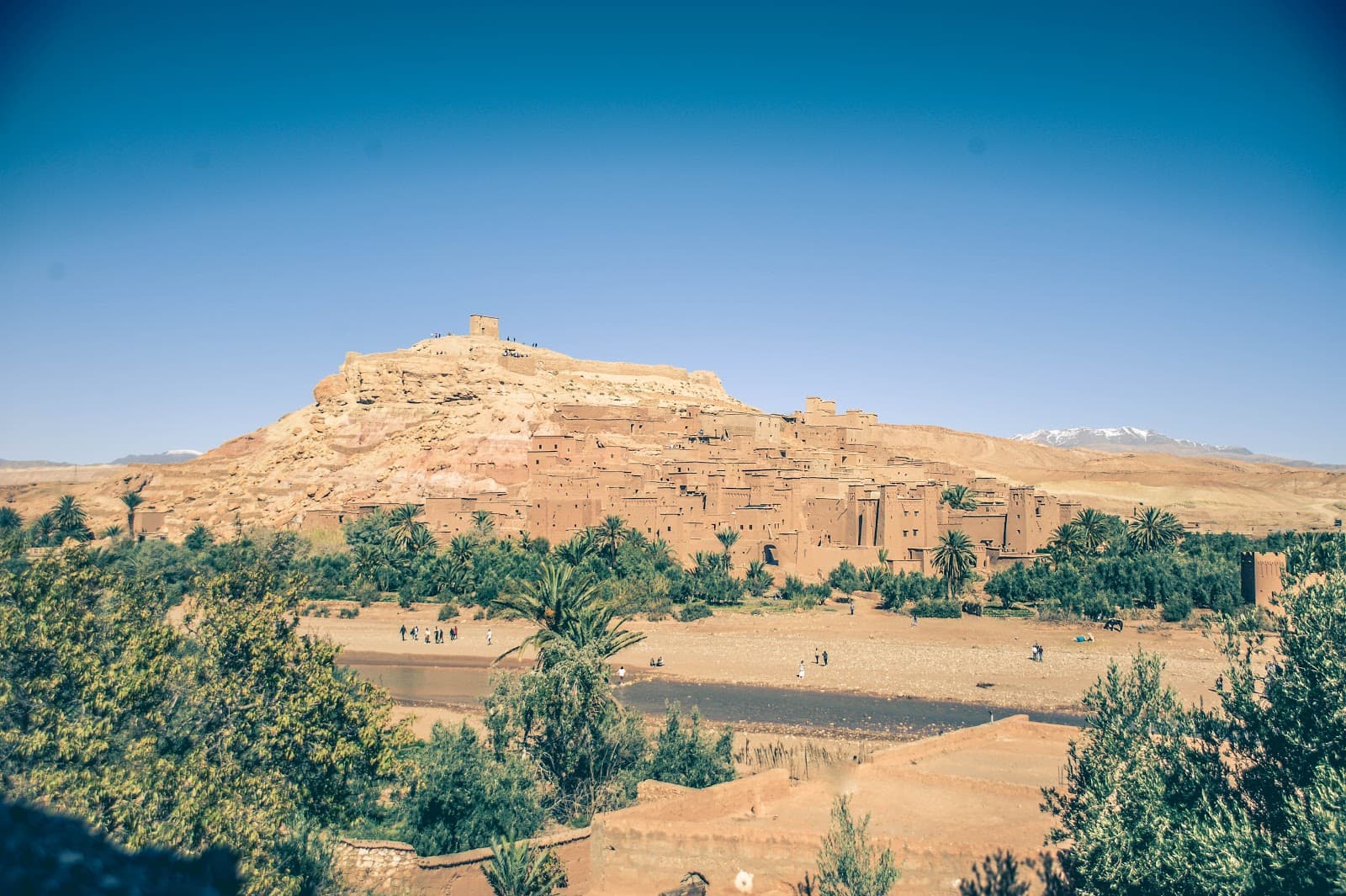
Social
from TikTok, Instagram & Reddit