Museo de Antropología de Xalapa (MAX)
Discover Mexico's ancient past at the Museo de Antropología de Xalapa (MAX), home to colossal Olmec heads and a vast collection of pre-Hispanic artifa...
Highlights
Must-see attractions

Social
From TikTok & Reddit
Best Time
Fewer crowds, more peaceful
Museo de Antropología de Xalapa (MAX)
Best Time
Fewer crowds, more peaceful
Highlights
Must-see attractions
Discover Mexico's ancient past at the Museo de Antropología de Xalapa (MAX), home to colossal Olmec heads and a vast collection of pre-Hispanic artifacts.
"A fascinating and unforgettable museum, truly one of Mexico’s hidden treasures."
Grab Toilet Paper First! 🧻
Restrooms can be tricky; grab toilet paper from outside the stalls before you go in.
Audio Guide Signal Issues 🎧
The audio guide might have signal problems inside. Consider it an extra cost unless you're very keen.
Highlights
Discover the most iconic attractions and experiences
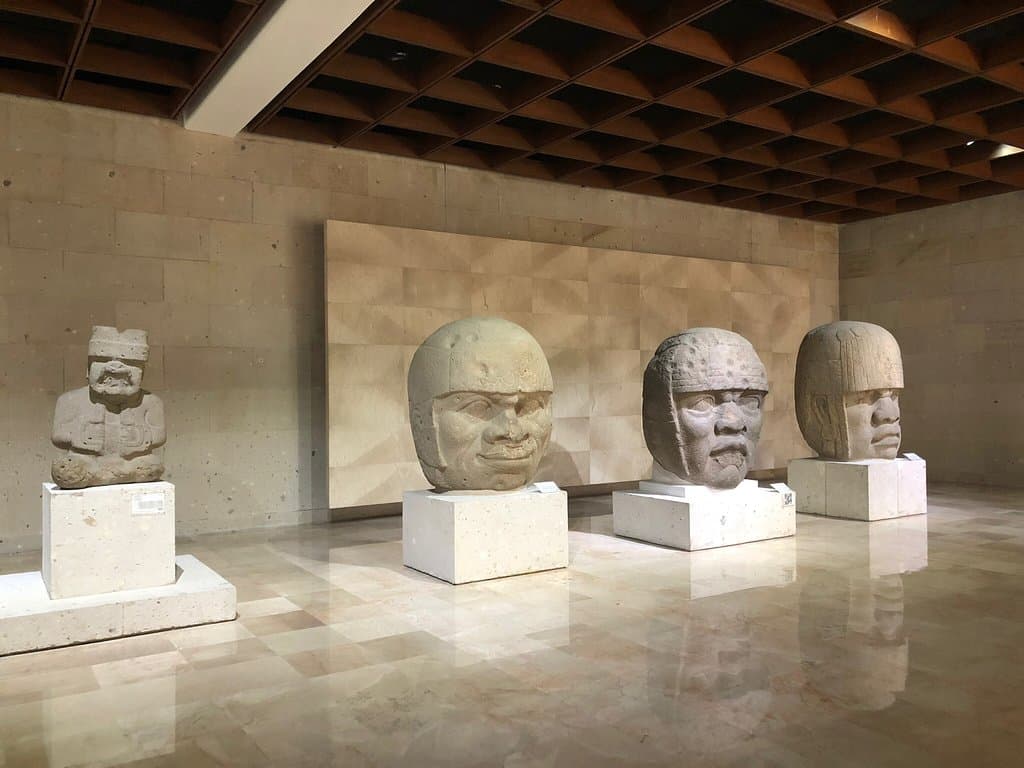
Colossal Olmec Heads
Main exhibition halls
Stand face-to-face with massive stone heads, remnants of the ancient Olmec civilization. A truly awe-inspiring connection to Mexico's past.
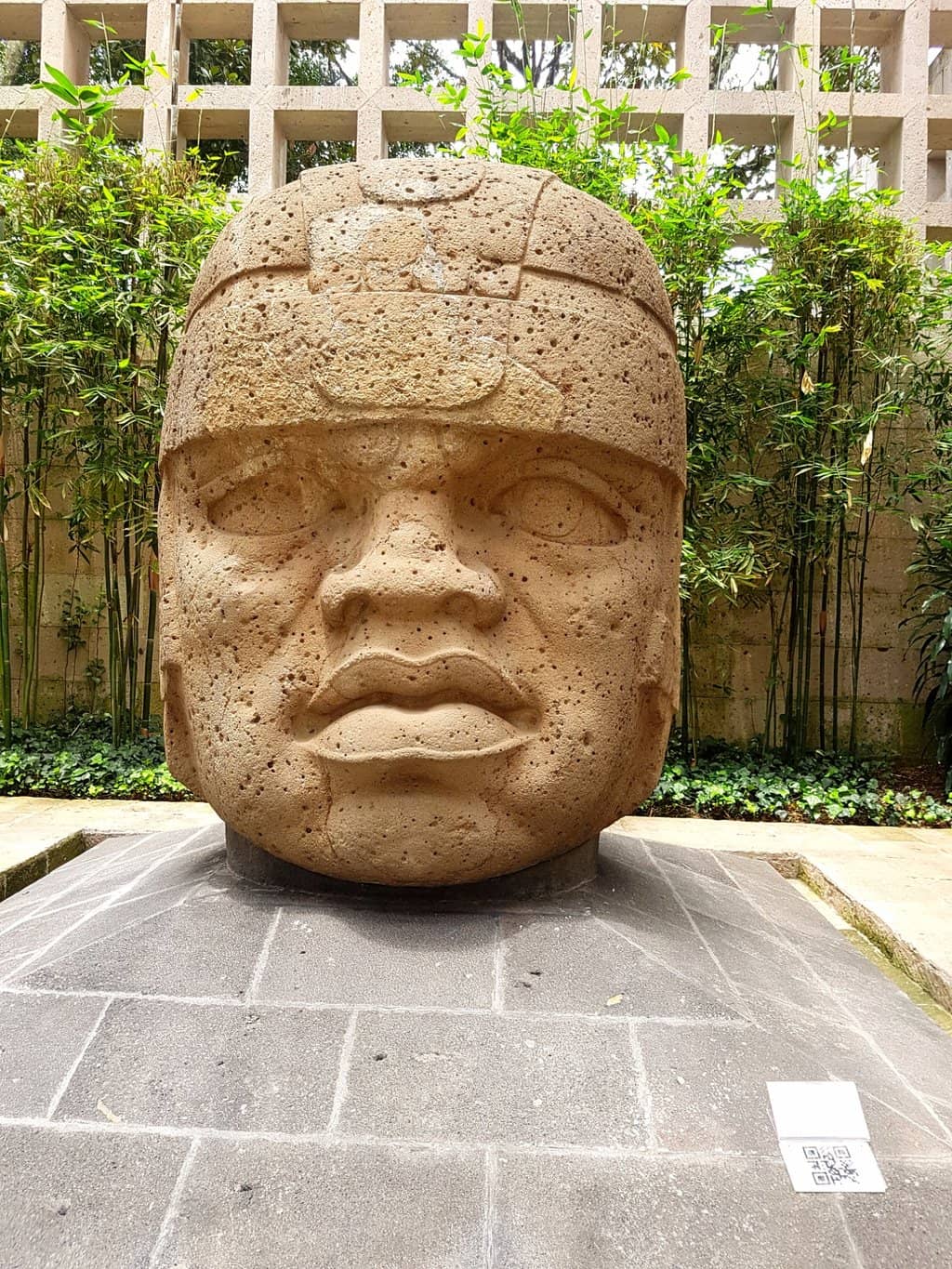
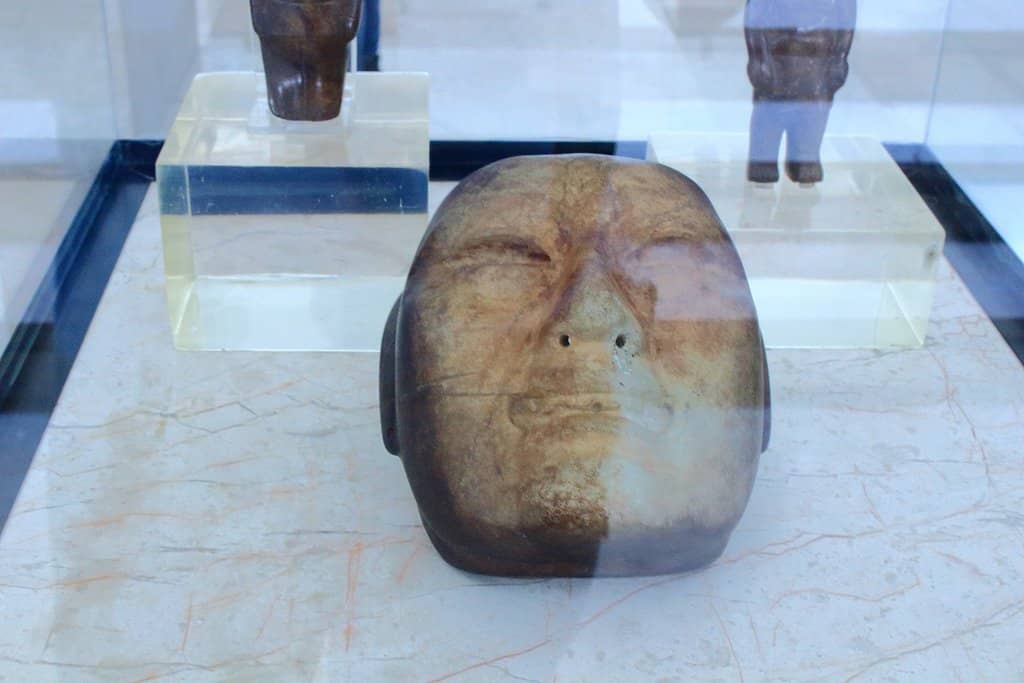
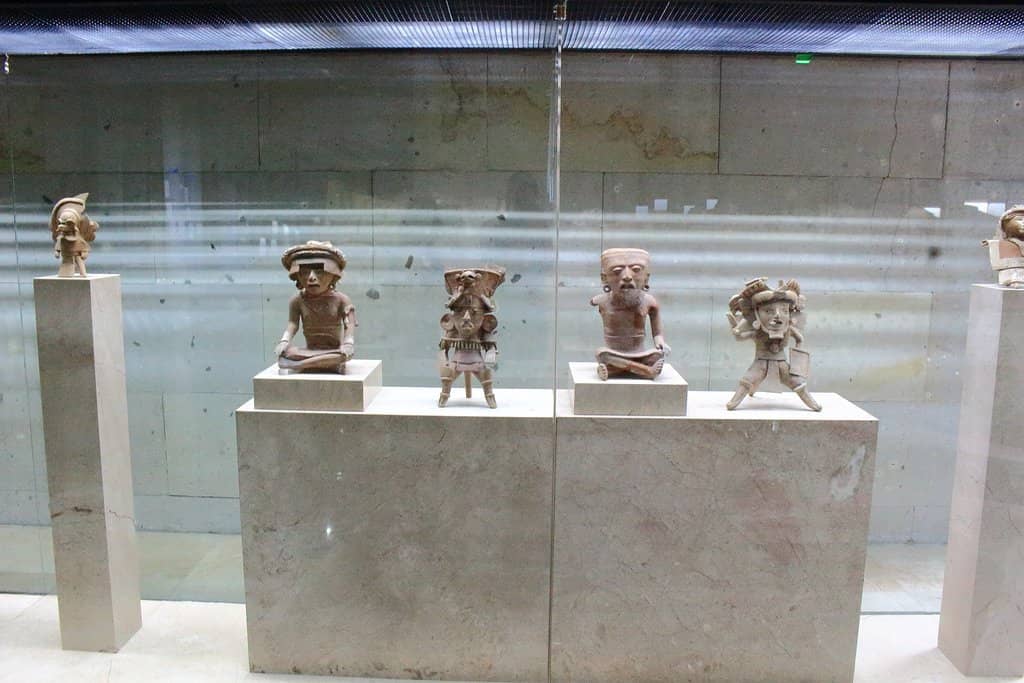
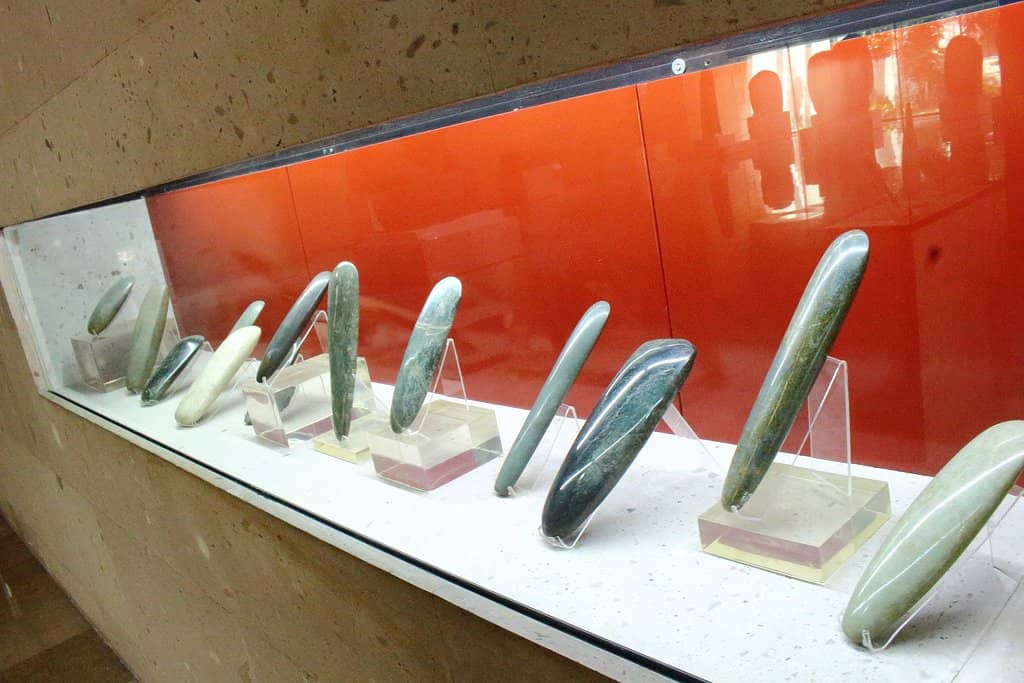
Pre-Hispanic Figurines and Ceramics
Various exhibition halls
Discover intricate figurines and pottery that tell stories of daily life, rituals, and beliefs from diverse pre-Hispanic cultures.
Museum Gardens
Outdoor grounds
Wander through lush gardens dotted with ancient artifacts, offering a serene and picturesque setting to complement your historical journey.
Plans like a pro.
Thinks like you
Planning Your Visit
Embrace the Olmec Giants
Explore Beyond the Heads
Best Times
Insider Tips
from TikTok, Instagram & Reddit
Grab Toilet Paper First! 🧻
Restrooms can be tricky; grab toilet paper from outside the stalls before you go in.
Audio Guide Signal Issues 🎧
The audio guide might have signal problems inside. Consider it an extra cost unless you're very keen.
Explore the Gardens 🌳
Don't just focus inside; the surrounding gardens are beautiful and offer a peaceful escape.
Wear Comfy Shoes 👟
You'll be doing a lot of walking to see the vast collections and gardens.
Tips
from all over the internet
Grab Toilet Paper First! 🧻
Restrooms can be tricky; grab toilet paper from outside the stalls before you go in.
Audio Guide Signal Issues 🎧
The audio guide might have signal problems inside. Consider it an extra cost unless you're very keen.
Explore the Gardens 🌳
Don't just focus inside; the surrounding gardens are beautiful and offer a peaceful escape.
Wear Comfy Shoes 👟
You'll be doing a lot of walking to see the vast collections and gardens.
Check Cafe Hours ☕
The cafeteria may be closed or have limited offerings. Plan accordingly.
What Travellers Say
Reviews Summary
Visitors consistently praise the Museo de Antropología de Xalapa (MAX) for its awe-inspiring collection of Olmec colossal heads and its extensive pre-Hispanic artifacts. The beautiful gardens offer a tranquil escape, blending history with nature. However, some guests note issues with accessibility, inconsistent cafeteria services, and the audio guide's reliability.
"A fascinating and unforgettable museum in Xalapa.
The Museo de Antropología de Xalapa (MAX) is truly one of Mexico’s hidden treasures. It houses the colossal Olmec heads, an awe-inspiring collection that connects you directly to the roots of ancient Mesoamerican civilizations.
Beyond that, the museum features a vast and beautifully curated collection of figurines, ceramics, and everyday artifacts from different pre-Hispanic periods — each piece telling a unique story about the people who once lived in this region.
The architecture of the building and the layout are exceptional, and the lush garden surrounding the museum makes the whole experience even more enjoyable. It’s a place where nature and history blend seamlessly, inviting you to linger and reflect.
A must-visit for anyone interested in Mexican culture, archaeology, and ancient art."
Juan Carlos Camarena
"The museum is beautiful, large and had great services all around. There's so much information and the exhibits are so interesting, it can be overwhelming (in a good way), it definitely warrants several visits to see it all properly. The few issues I have are: the cafeteria has no visible menu or price list and the clerk was not very helpful; also, the auditorium feels a little cramped and the sound system in it is horrible, with blown speakers, permanent hissing, crackling, the mics cut off often; the projector send to be quite old, the image quality is passable."
David Padilla
"Very interesting and well put together museum. Spent a couple of hours enjoying the exhibits the building and outside amongst the plants. It's a shame that they do not have adequate air-conditioning system to preserve all of the antiquities and waste paper just to give you a receipt of payment for entry which is the size of a certificate. They could also put in a coffee and cake area as they have a lot of room at the end of the exhibition and at the entrance also. They have not thought about using the space wisely. They charge 60 pesos extra for the audio guide which has no signal when walking around the museum. Apparently it's supposed to be free on Sundays. This is not the case."
Shirina Ismail
What People Like
What People Dislike
Frequently Asked Questions
🚇 🗺️ Getting There
The museum is located on the outskirts of Xalapa. Taxis are readily available and a convenient option. Local buses also serve the area, offering a more budget-friendly way to reach the museum.
Yes, there is parking available at the Museo de Antropología de Xalapa, which can be helpful if you're arriving by car.
For budget-conscious visitors, taking a local bus is the most economical way to reach the museum. It might take a bit longer than a taxi, but it's significantly cheaper.
Yes, you can easily reach the museum from downtown Xalapa. Taxis are quick, or you can opt for local buses that pass by the museum.
The museum is accessible by public transport, with several local bus routes stopping nearby.
🎫 🎫 Tickets & Entry
Admission fees can vary, but generally, there's a general admission charge. An additional fee is required for the audio guide. Sundays are sometimes mentioned as free for certain visitors, but this can change.
It's generally not necessary to book tickets in advance for the Museo de Antropología de Xalapa. You can purchase them upon arrival.
While specific discounts aren't always advertised, it's worth inquiring about potential student or senior discounts at the ticket counter.
The museum typically operates during daytime hours, but it's always best to check the official website or call ahead for the most current opening and closing times.
No, the audio guide is an additional cost on top of the general admission fee.
🎫 🧭 Onsite Experience
To truly appreciate the vast collections and gardens, plan for at least 2-3 hours. Some visitors find it warrants multiple visits to see everything properly.
While there are some ramps, the museum has significant accessibility challenges, including upstairs restrooms and cramped facilities.
Yes, restrooms are available, but be prepared for them to be cramped and potentially not well-maintained. Remember to grab toilet paper beforehand.
The museum is large and well-curated. Start with the Olmec heads and then explore the other halls. Don't forget to spend time in the beautiful surrounding gardens.
Photography policies can vary, but generally, non-flash photography is permitted in most areas. It's always wise to check for specific signage in each exhibit.
🍽️ 🍽️ Food & Dining
There is a cafeteria, but it has been noted for lacking a visible menu or price list, and staff may not be very helpful.
It's generally recommended not to bring outside food and drinks into museum exhibition areas. Check for designated areas if available.
Dining options directly at the museum can be limited. You might find more choices back in the city center of Xalapa.
Information on the cafeteria's offerings is scarce, with one review mentioning a lack of menu and unhelpful staff.
While there's a cafeteria, its availability and offerings seem inconsistent. It's best to be prepared with your own snacks or plan to eat elsewhere.
📸 📸 Photography
Yes, non-flash photography is generally allowed for the Olmec heads and other exhibits, allowing you to capture these incredible artifacts.
The main restriction is usually on flash photography, which can damage artifacts. Always look for specific signage in each gallery.
The areas with the colossal Olmec heads offer dramatic photo opportunities. The well-lit halls and the surrounding gardens also provide beautiful backdrops.
Drone usage is typically prohibited in and around cultural heritage sites like museums to ensure safety and preservation.
A standard camera or smartphone is sufficient. Given the lighting conditions and potential crowds, a versatile lens or good low-light performance is beneficial.
For Different Travelers
Tailored advice for your travel style
👨👩👧 Families with Kids
However, be prepared for potential accessibility issues, especially with strollers or very young children, as some areas might be difficult to navigate. The extensive collections can also be overwhelming for younger attention spans, so focus on the most engaging exhibits like the large sculptures. Consider bringing snacks and drinks, as the on-site cafeteria can be unreliable.
🏛️ History Buffs & Archaeology Enthusiasts
Take advantage of the audio guide (despite potential signal issues) or do some pre-trip research to fully appreciate the historical context and significance of the artifacts. The sheer depth of the collection means you could easily spend a full day here, delving into the nuances of pre-Hispanic art, religion, and daily life. The surrounding gardens also offer a peaceful environment to reflect on the history you've absorbed.
🚶♀️ Solo Travelers & Explorers
Don't hesitate to engage with the exhibits; the sheer volume of artifacts offers endless opportunities for discovery. If you're interested in photography, the interplay of light and shadow on the ancient stones, both inside and out, can be quite captivating. Be prepared for a potentially long visit, and consider the audio guide if you want deeper insights into the pieces.
Deep Dives
In-depth insights and expert knowledge
The Marvel of the Olmec Heads
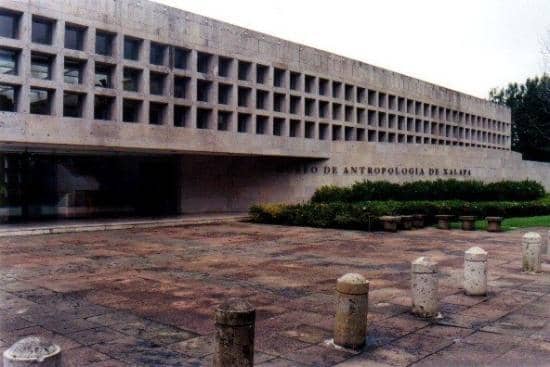
These heads were discovered in various Olmec heartland sites and transported to Xalapa for preservation and display. The museum's brutalist architecture, designed by Paul Balev, provides a stark yet fitting backdrop for these ancient giants. The way the light falls on the stone and the sheer presence of these artifacts create an unforgettable experience. Many visitors describe feeling a sense of awe and wonder, contemplating the ingenuity and power of the Olmec people.
Beyond their visual impact, the Olmec heads are crucial for understanding the development of early Mesoamerican societies, influencing later cultures like the Maya and Aztec. Their discovery and study have significantly shaped our understanding of pre-Hispanic history. The museum's presentation ensures that visitors can appreciate not only their aesthetic qualities but also their immense historical and cultural significance.
Beyond the Giants: A Rich Archaeological Tapestry
The museum's layout is designed to guide visitors through different cultural periods and geographical areas, allowing for a comprehensive exploration. The curation is thoughtful, presenting artifacts in a way that highlights their context and significance. Many reviewers praise the sheer volume of information and the quality of the exhibits, noting that it's easy to spend hours engrossed in the displays. The museum effectively showcases the complexity and sophistication of ancient Mesoamerican societies beyond the Olmec.
Exploring these secondary collections provides a deeper appreciation for the cultural mosaic of ancient Mexico. It's a chance to see the evolution of art, technology, and societal structures over millennia. The museum's commitment to preserving and presenting these artifacts ensures that the legacy of these diverse cultures continues to be shared and understood by future generations.
An Oasis of History and Nature
The gardens are not just aesthetically pleasing; they often incorporate elements of the archaeological heritage, creating a harmonious blend of culture and nature. Walking through these grounds can feel like stepping into a different era, with ancient artifacts subtly placed amidst the greenery. This thoughtful integration enhances the overall visitor experience, offering moments of reflection and discovery away from the main exhibits. It's a perfect place to unwind and absorb the historical significance of the region.
Reviewers frequently highlight the gardens as a personal 'happy place,' appreciating the opportunity to enjoy the natural beauty alongside the historical treasures. The combination of indoor exhibits and outdoor exploration makes MAX a well-rounded destination, appealing to those interested in history, art, and the natural world. It’s a testament to how well-preserved cultural sites can coexist beautifully with their environment.
Social
from TikTok, Instagram & Reddit