
Pico de Orizaba National Park
Conquer Citlaltépetl, Mexico's highest peak, in this breathtaking national park. Experience challenging glacier climbs and unparalleled alpine vistas.
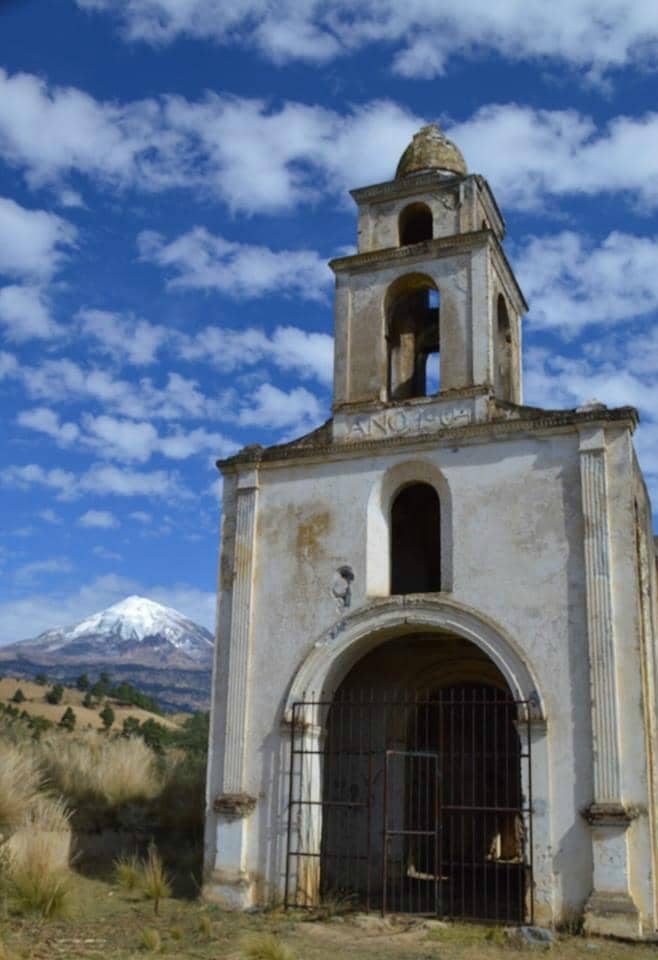
Highlights
Must-see attractions

Social
From TikTok & Reddit
Best Time
Dry season, best climbing conditions
Pico de Orizaba National Park
Best Time
Dry season, best climbing conditions
Highlights
Must-see attractions
Conquer Citlaltépetl, Mexico's highest peak, in this breathtaking national park. Experience challenging glacier climbs and unparalleled alpine vistas.
"Summitting this volcano is a considerable challenge, one that will give you perspective into your own capabilities."

Acclimatize Properly
Spend 1-2 days at lower altitudes before ascending to reduce altitude sickness risks. :mountain_snow:
Hire a Certified Guide
Essential for safety and success, especially for first-time mountaineers. :hiking_boot:
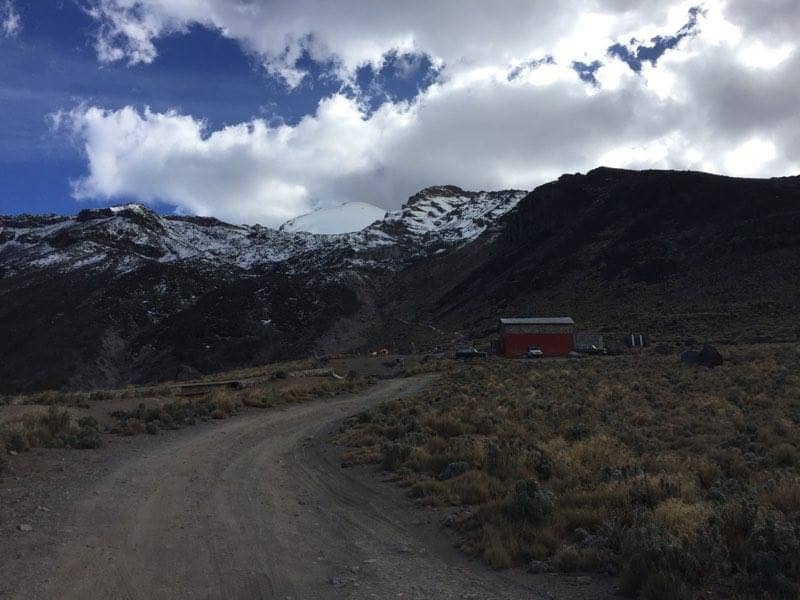
Highlights
Discover the most iconic attractions and experiences
Citlaltépetl Summit
Summit
Conquer Mexico's highest peak for unparalleled views and a profound sense of accomplishment. A true mountaineering challenge.
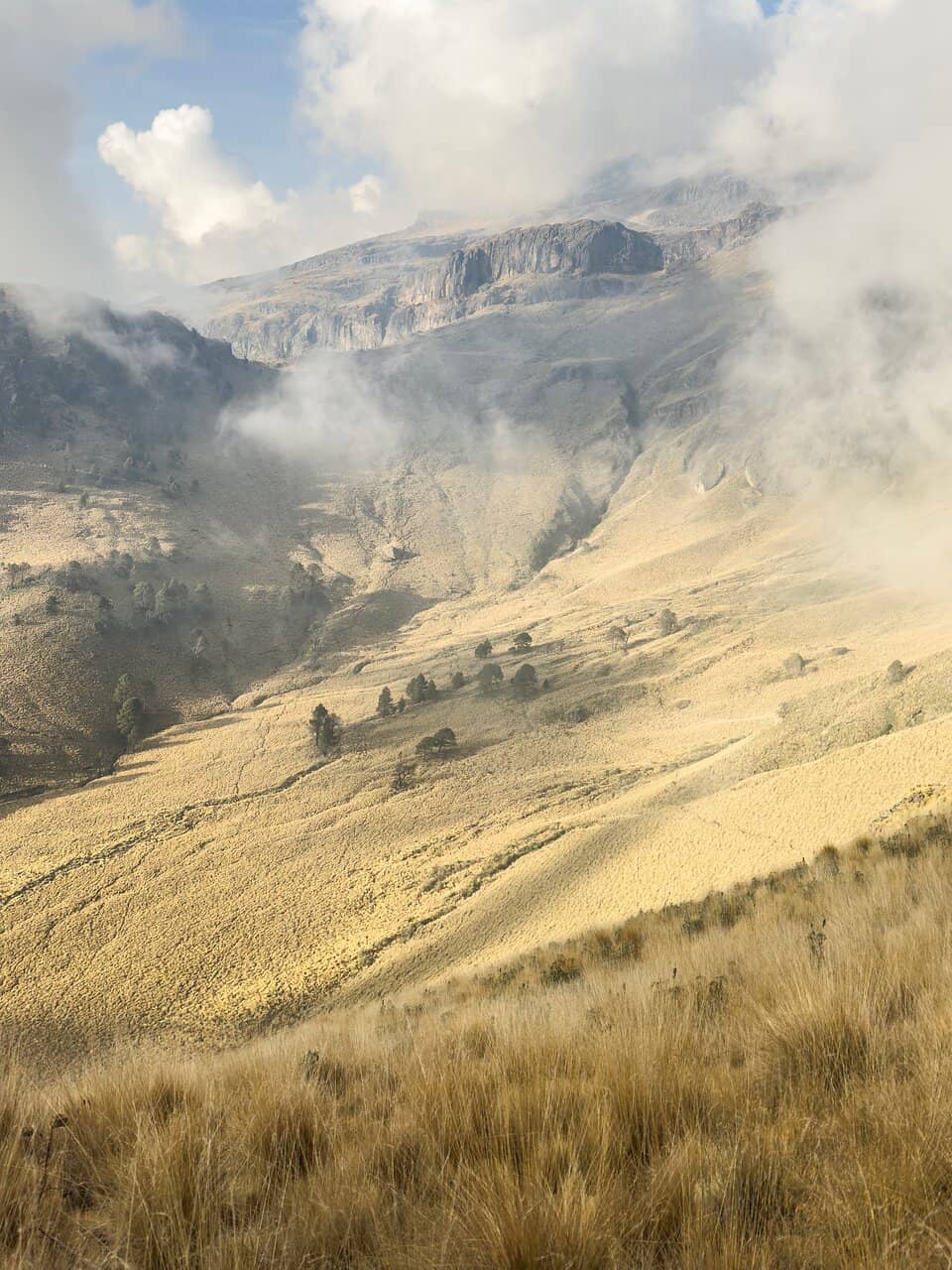
Glacier Travel
Glacier slopes
Experience the thrill of navigating icy terrain, a key part of the alpine climb. Essential skills include self-arrest and rope team movement.
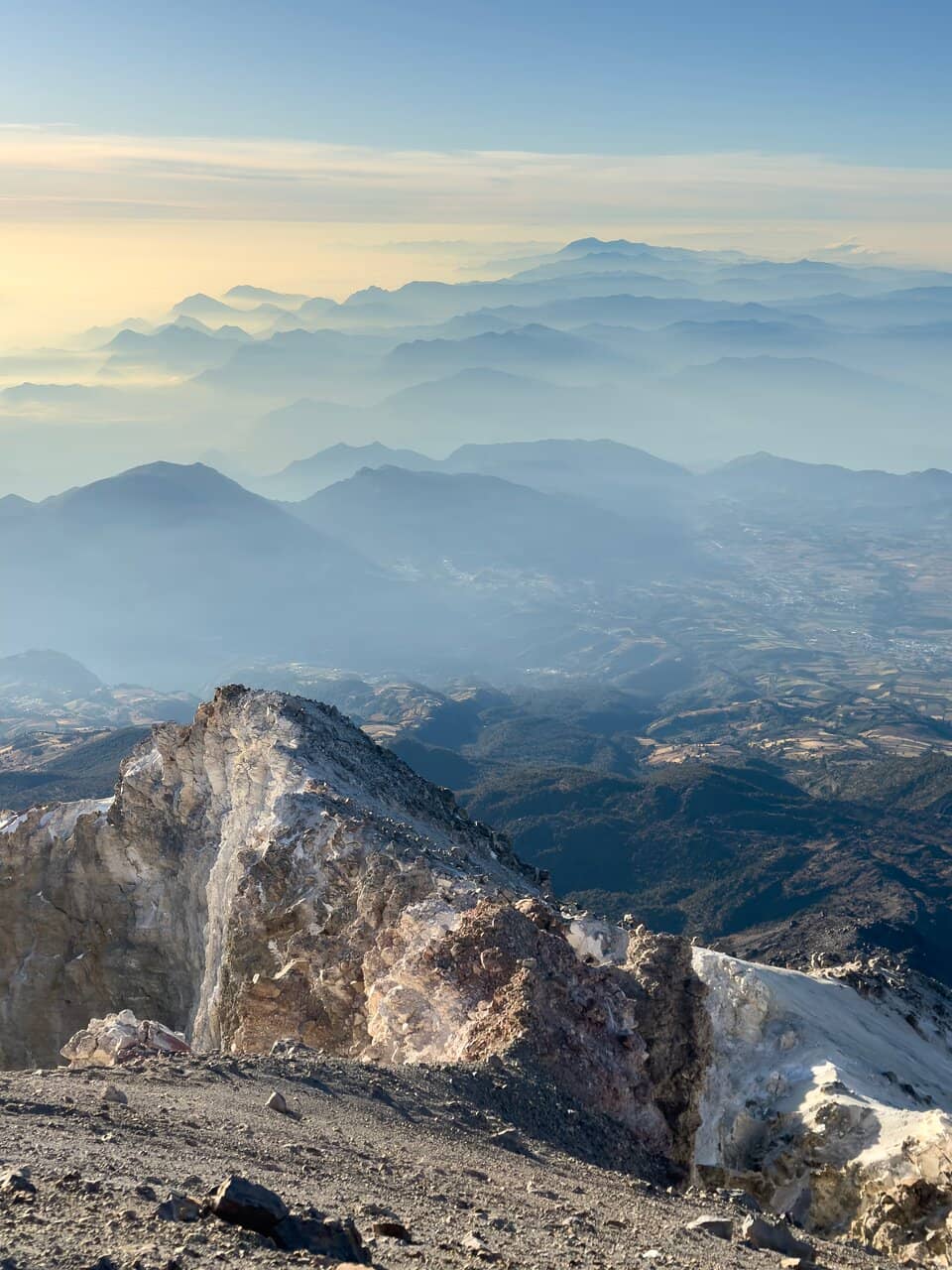
Piedra Grande Shelter
Base camp area
The essential overnight stop before summit day. Offers a rustic base for acclimatization and early morning ascents.
Plans like a pro.
Thinks like you
Planning Your Visit
Prepare for High Altitude
Guided Ascent Recommended
Best Times
Insider Tips
from TikTok, Instagram & Reddit
Acclimatize Properly
Spend 1-2 days at lower altitudes before ascending to reduce altitude sickness risks. :mountain_snow:
Hire a Certified Guide
Essential for safety and success, especially for first-time mountaineers. :hiking_boot:
Pico de Orizaba (Mexico) - 5636m - Tips & Tricks + Summit Report (04/11/2021)
Gear Up for Ice & Snow
Crampons, ice axe, and warm layers are non-negotiable for glacier travel. :snowflake:
Stay Hydrated
Drink plenty of water to combat dehydration at high altitudes. :droplet:
Climbing pico de Orizaba as a relative beginner
Tips
from all over the internet
Acclimatize Properly
Spend 1-2 days at lower altitudes before ascending to reduce altitude sickness risks. :mountain_snow:
Hire a Certified Guide
Essential for safety and success, especially for first-time mountaineers. :hiking_boot:
Gear Up for Ice & Snow
Crampons, ice axe, and warm layers are non-negotiable for glacier travel. :snowflake:
Stay Hydrated
Drink plenty of water to combat dehydration at high altitudes. :droplet:
Respect the Mountain
Be prepared for challenging conditions and unpredictable weather. :cloud:
What Travellers Say
Reviews Summary
Pico de Orizaba is hailed as a beautiful and magical alpine climb, offering incredible views and a significant personal challenge. Climbers praise the accomplishment of reaching Mexico's highest point and the unique experience of glacier travel. However, the ascent is demanding, with a notable success rate and potential dangers like ice and crevasses requiring careful preparation and respect for the mountain's power.
"Beautiful mountain. With its summit resting at 18,491 feet / 5,636 meters, Pico de Orizaba is the highest point in all of México. Summiting this volcano is a considerable challenge, one that will give you perspective into your own capabilities and will build confidence to reach higher summits. Climbers should have basic snow and ice-climbing skills and should be comfortable with glacier travel, which includes moving in a rope team, self arrest, and basic crevasse rescue. Basic knowledge and experience would be required for objectives with some rock climbing. It's magical experiance."
Damir Vidanović
"6 hours up, 3.5 hours down.
Went with an Explore-Share 3Summits guide: Gilgamesh who did a good job.
Of the two groups that set out for peak that day only ours made it, in discussions with locals, they estimate a 40% rate of success."
RT B
"Without a doubt , camping here has been one of the highlights of my whole life, beautiful, rugged, ever-changing, this national park has a special kind of magic for the seeker of the extreme and the wild at heart."
Meizter Prophet
What People Like
What People Dislike
Frequently Asked Questions
🚇 🗺️ Getting There
The most common access point is via the town of Tlachichuca in Puebla. From major cities like Mexico City or Puebla, you can take a bus to Tlachichuca. From there, you'll typically arrange for a 4x4 vehicle or a local guide to take you to the Piedra Grande shelter, the primary base camp for ascents.
Arranging transport in advance with your guide or a local operator in Tlachichuca is highly recommended. The roads can be rough, and a 4x4 is often necessary. Some visitors opt to hike from Tlachichuca, but this adds significant time and effort.
Direct public transport to the higher elevations of the park is limited. Buses will get you to nearby towns like Tlachichuca, from where you'll need to arrange onward transport, often with a guide or local service.
The drive from Mexico City to Tlachichuca is approximately 4-5 hours, depending on traffic and road conditions. It's a scenic route through the Mexican countryside.
While you can drive to Tlachichuca, driving further into the park towards Piedra Grande is not recommended for standard vehicles due to the challenging terrain. A 4x4 is usually required.
🎫 🎫 Tickets & Entry
Yes, there is an entrance fee for the national park. It's advisable to check the latest fees with park authorities or your guide before your visit, as they can change.
The cost varies significantly depending on whether you go independently or with a guide. Guided tours typically range from $300-$600 USD per person, covering guides, permits, and sometimes equipment rental. Independent climbers will primarily pay for park permits and transport.
Permits are usually obtained at the park entrance or through your guiding service. It's best to confirm the exact procedure with your guide or local authorities in Tlachichuca.
If you plan to camp or stay at the Piedra Grande shelter, you may need specific permits or reservations. Your guide will typically handle these arrangements.
Pico de Orizaba National Park is generally accessible year-round, but specific ranger stations or visitor centers may have operating hours. The climbing routes are open 24/7, but ascents are best done during daylight hours.
🎫 ⛰️ Onsite Experience
The dry season, from November to March, offers the most stable weather and best climbing conditions. Avoid the rainy season (June to September) due to increased risk of storms and poor visibility.
It's a challenging high-altitude climb requiring good physical fitness and some mountaineering experience. Altitude sickness is a significant factor, and glacier travel involves inherent risks.
Essential gear includes warm layers, waterproof outer shells, insulated boots, crampons, an ice axe, helmet, harness, and trekking poles. A full gear list will be provided by your guide.
Yes, camping is permitted in designated areas, most commonly near the Piedra Grande shelter. This is the standard practice for climbers preparing for the summit push.
Success rates can vary greatly depending on weather, individual fitness, and acclimatization. Guides estimate around a 40% success rate for climbers reaching the summit on any given day.
📸 📸 Photography
The panoramic views from the summit are breathtaking, offering sweeping vistas of surrounding volcanoes and landscapes.
A durable camera with good low-light performance is ideal. Consider a wide-angle lens for landscapes and a telephoto lens for distant peaks. A sturdy tripod can be useful for long exposures during sunrise/sunset. Protect your gear from the cold and moisture.
The summit offers the ultimate viewpoint. However, even from the Piedra Grande shelter and along the approach trails, you'll find incredible opportunities to capture the grandeur of the volcano and its surroundings.
Early morning for sunrise and late afternoon for sunset provide the best light for dramatic landscape photography. Midday can be harsh, but the stark white of the snow and ice can also create striking images.
Drone usage in national parks can be restricted. It's essential to check the latest regulations with park authorities before flying a drone to avoid any legal issues or fines.
For Different Travelers
Tailored advice for your travel style
👨👩👧 Families with Kids
💰 Budget Travelers
💑 Couples
Deep Dives
In-depth insights and expert knowledge

Social
from TikTok, Instagram & Reddit