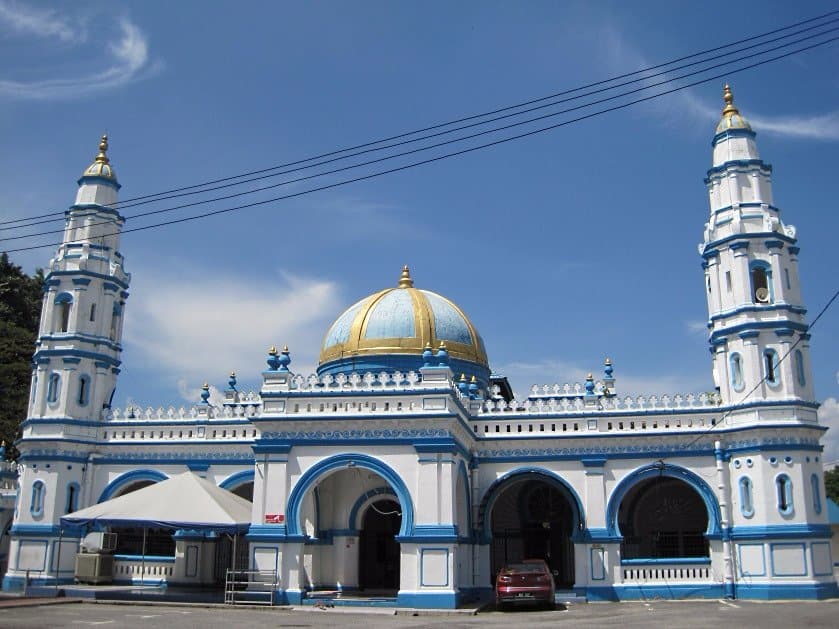
Masjid Panglima Kinta
A 19th-century architectural marvel blending colonial, Mughal, and neoclassical styles by the Kinta River.
Highlights
Must-see attractions

Social
From TikTok & Reddit
Best Time
Peaceful atmosphere
Masjid Panglima Kinta
Best Time
Peaceful atmosphere
Highlights
Must-see attractions
A 19th-century architectural marvel blending colonial, Mughal, and neoclassical styles by the Kinta River.
"A gem worth preserving, offering a serene atmosphere and a glimpse into Ipoh's rich history."
🎯 Respectful Attire
Dress modestly when visiting, covering shoulders and knees. :womaninturban:
🗺️ Hidden Location
It's tucked away; use GPS and look for signs near the Kinta River. :round_pushpin:
Quick Facts
Rating
4.7 · 363 reviews
Type
Mosque
Highlights
Discover the most iconic attractions and experiences
Unique Architectural Fusion
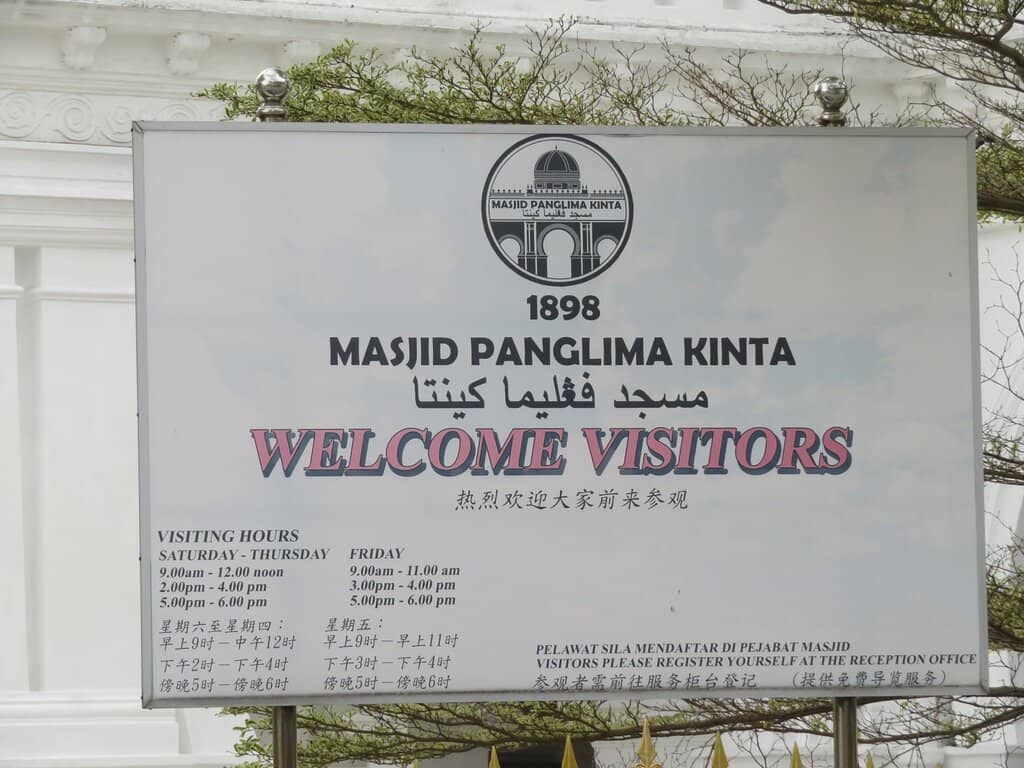
Main prayer hall
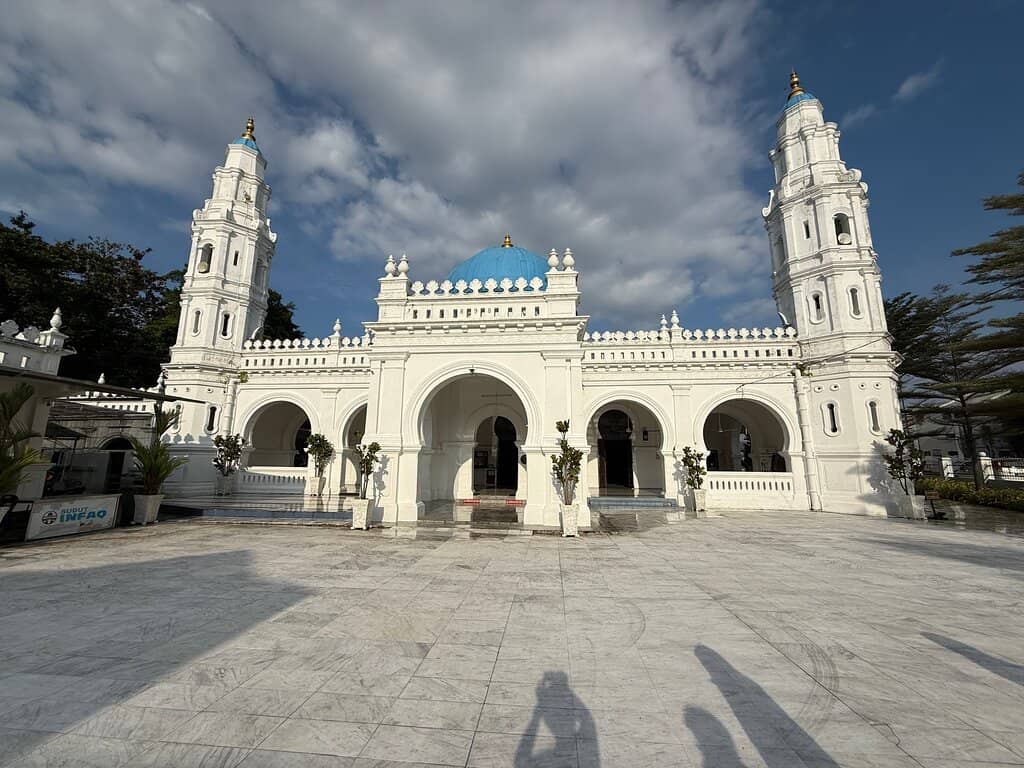
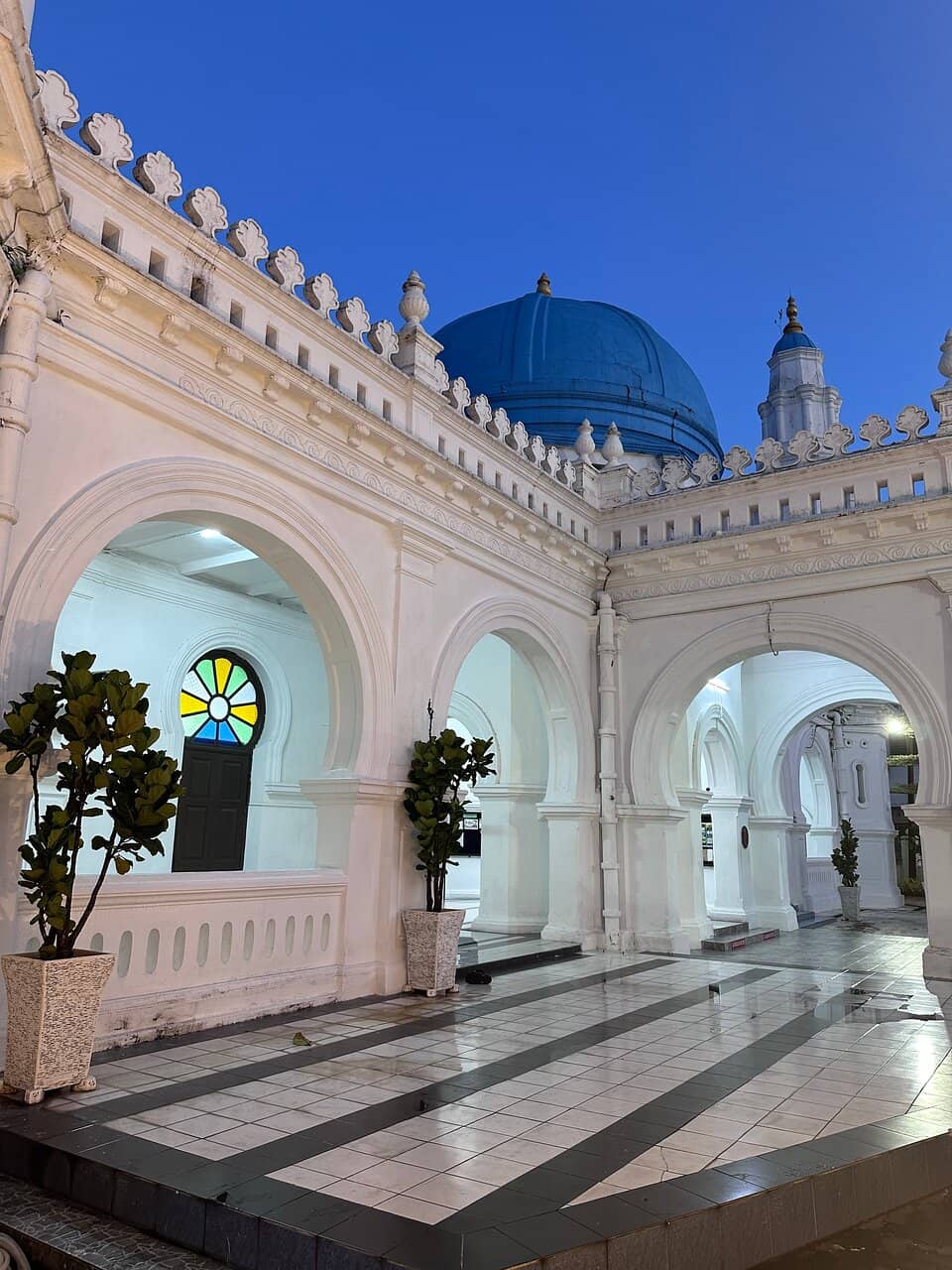
Marvel at the blend of British Colonial, Mughal, and Neoclassical styles, a testament to early 20th-century design.
Panglima Kinta's Legacy
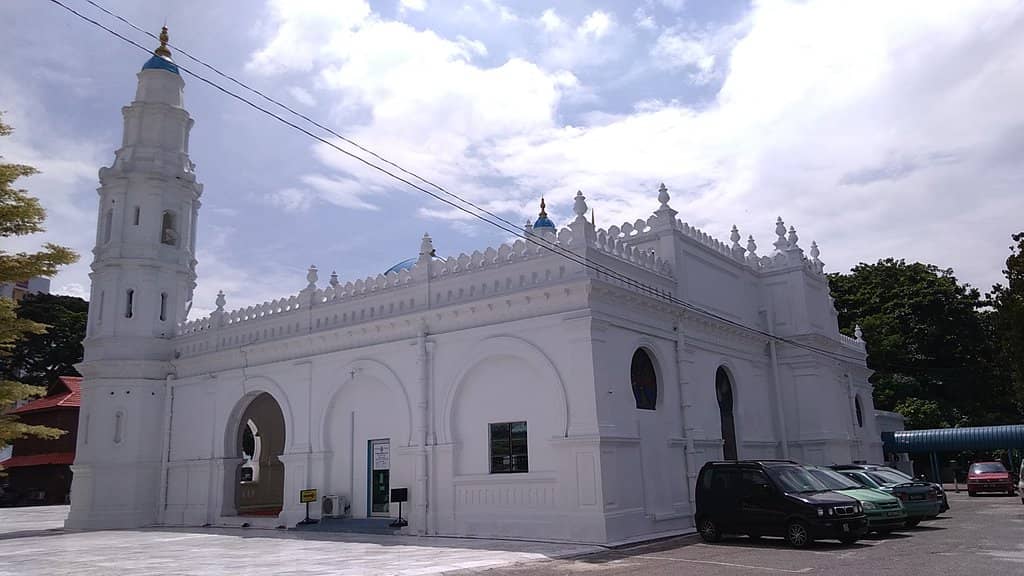
Mosque compound
Discover the history of Datuh Muhammad Yusuff bin Lassam, the mosque's founder, and his ancestral mausoleum.
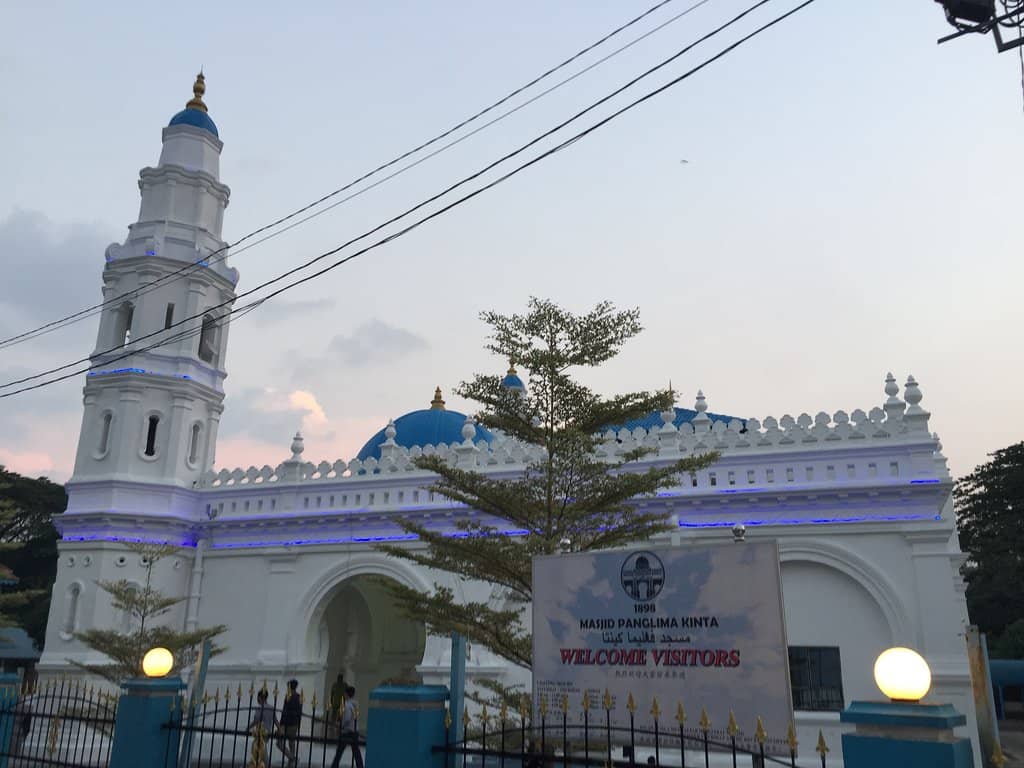
Kinta River Proximity
Rear of the mosque
Experience the tranquility of being situated near the historic Kinta River, adding to the mosque's peaceful ambiance.
Galeri Panglima Kinta
Adjacent gallery
Explore exhibits detailing the mosque's history and its significance in Perak's Islamic heritage.
Plans like a pro.
Thinks like you
Planning Your Visit
Discover Ipoh's Historic Heart
Navigating to This Hidden Gem
Best Times
Insider Tips
from TikTok, Instagram & Reddit
🎯 Respectful Attire
Dress modestly when visiting, covering shoulders and knees. :womaninturban:

🗺️ Hidden Location
It's tucked away; use GPS and look for signs near the Kinta River. :round_pushpin:
📸 Photography Tips
Capture the unique architecture, especially during golden hour for stunning shots. :camerawithflash:
⏳ Allow Extra Time
Explore the adjacent gallery and mausoleum for a deeper understanding of its history. :clock1:
Tips
from all over the internet
🎯 Respectful Attire
Dress modestly when visiting, covering shoulders and knees. :womaninturban:
🗺️ Hidden Location
It's tucked away; use GPS and look for signs near the Kinta River. :round_pushpin:
📸 Photography Tips
Capture the unique architecture, especially during golden hour for stunning shots. :camerawithflash:
⏳ Allow Extra Time
Explore the adjacent gallery and mausoleum for a deeper understanding of its history. :clock1:
🙏 Prayer Etiquette
Be mindful of prayer times and maintain a serene demeanor inside. 🙏
What Travellers Say
Reviews Summary
Visitors praise Masjid Panglima Kinta as a serene and historically significant gem, highlighting its unique architectural blend and peaceful atmosphere. Some note its slightly hidden location, suggesting better signage or prominence for its rich history and connection to the Kinta River. It's considered a valuable piece of Ipoh's heritage worth preserving and exploring.
"This mosque is a gem worth preserving. It deserves to be highlighted by the Perak State Tourism Authority. The history behind the construction of the mosque should be made known to the public. There is a similarity to the story of the Taj Mahal, in which the most important person in the locality builds a monument to a deceased partner. In this case, a mosque was built instead of a mausoleum.
Getting to the mosque may be a little difficult as it is not by any major street. Tucked behind crumbling pre-war shoplots, the mosque is hidden away from the many visitors to Ipoh. It is interesting that the mosque takes its name from a feudal lord, Panglima Kinta, yet you wouldn't know that the Kinta River flows behind it. Maybe the connection could be given more prominence.
As for the building itself, I had the opportunity to pray there and found the atmosphere to be very serene. Peaceful. Calm. Unlike the other historical mosque in Kuala Kangsar, Ubudiah. Perhaps these quiet surroundings are good for the Panglima Kinta mosque. In summary, next time I visit Ipoh, I know where I'll be praying."
nazif JT
"The historic mosque of the Federation of Malaya, established in 1898 by the native inhabitants of Malaysia, stands as a proud symbol of Malay heritage. With firm conviction and in the spirit of preserving this cultural legacy, the mosque must be registered as a UNESCO World Heritage Site. Adjacent to this beautiful mosque lies the tomb of a prominent Malay figure from the past, Dato’ Panglima Kinta."
Zecko Alfredo
"Masjid Panglima Kinta was built in 1898 adjacent to the Kinta River, is the first mosque constructed in Kinta, in the city of Ipoh and is gazetted as a heritage building in 2012. There are some street arts along the way to the main road which connect the New Town with Old Town of the city."
TAI pristine
What People Like
What People Dislike
Frequently Asked Questions
🚇 🗺️ Getting There
Masjid Panglima Kinta is located near the Kinta River, often described as being behind pre-war shoplots. While not on a major street, it's accessible by car or taxi. Some street art can be found along the way connecting the old and new towns. 🚗
No, the mosque is somewhat hidden away from main thoroughfares, requiring a bit of navigation to find. :mag:
Information on direct public transport routes is limited, but local buses or taxis can get you close to the general area. 🚌
Using a GPS with the mosque's name or nearby landmarks like the Kinta River is recommended. Look for signs once you're in the vicinity. :motorway:
Limited parking is usually available near the mosque, but it can get busy, especially during peak prayer times. 🅿️
🎫 🎫 Tickets & Entry
No, entry to Masjid Panglima Kinta is free. It is a place of worship and a heritage site open to visitors. 🎟️
The mosque is generally open for visitors outside of prayer times. It's best to visit during daylight hours. :clock1:
Advance booking is not typically required for general visits. However, for group tours or specific inquiries, contacting local tourism bodies might be helpful. 📝
Yes, the mosque is open to all visitors who wish to appreciate its architecture and history, provided they adhere to dress codes and respectful behavior. :peopleholdinghands:
Yes, the adjacent gallery is usually open and offers insights into the mosque's history and its namesake. :museum:
📸 📸 Photography
Photography is generally permitted in the mosque's exterior and public areas, but always be respectful of worshippers and avoid taking photos during prayer times. :camerawithflash:
The unique architectural details, the facade, and the serene setting by the Kinta River offer excellent photo opportunities. :bridgeatnight:
While some creators have used drones, it's advisable to check local regulations and obtain necessary permissions before flying drones near heritage sites. 🚡
Early morning or late afternoon (golden hours) provide beautiful lighting for capturing the mosque's beauty. 🌅
Photography inside the main prayer hall might be restricted, especially during prayer times. Be discreet and respectful. 📜
🎫 📜 History & Heritage
Masjid Panglima Kinta was built in 1898, making it a historic mosque with over a century of history. 📅
Panglima Kinta was Datuh Muhammad Yusuff bin Lassam, a prominent Malay figure who founded the mosque. His ancestral mausoleum is located nearby. :manintuxedo:
The mosque features a unique blend of British Colonial, Mughal, and Neoclassical architectural influences. :european_castle:
Yes, Masjid Panglima Kinta was gazetted as a heritage building in 2012, recognizing its historical and cultural significance. :classical_building:
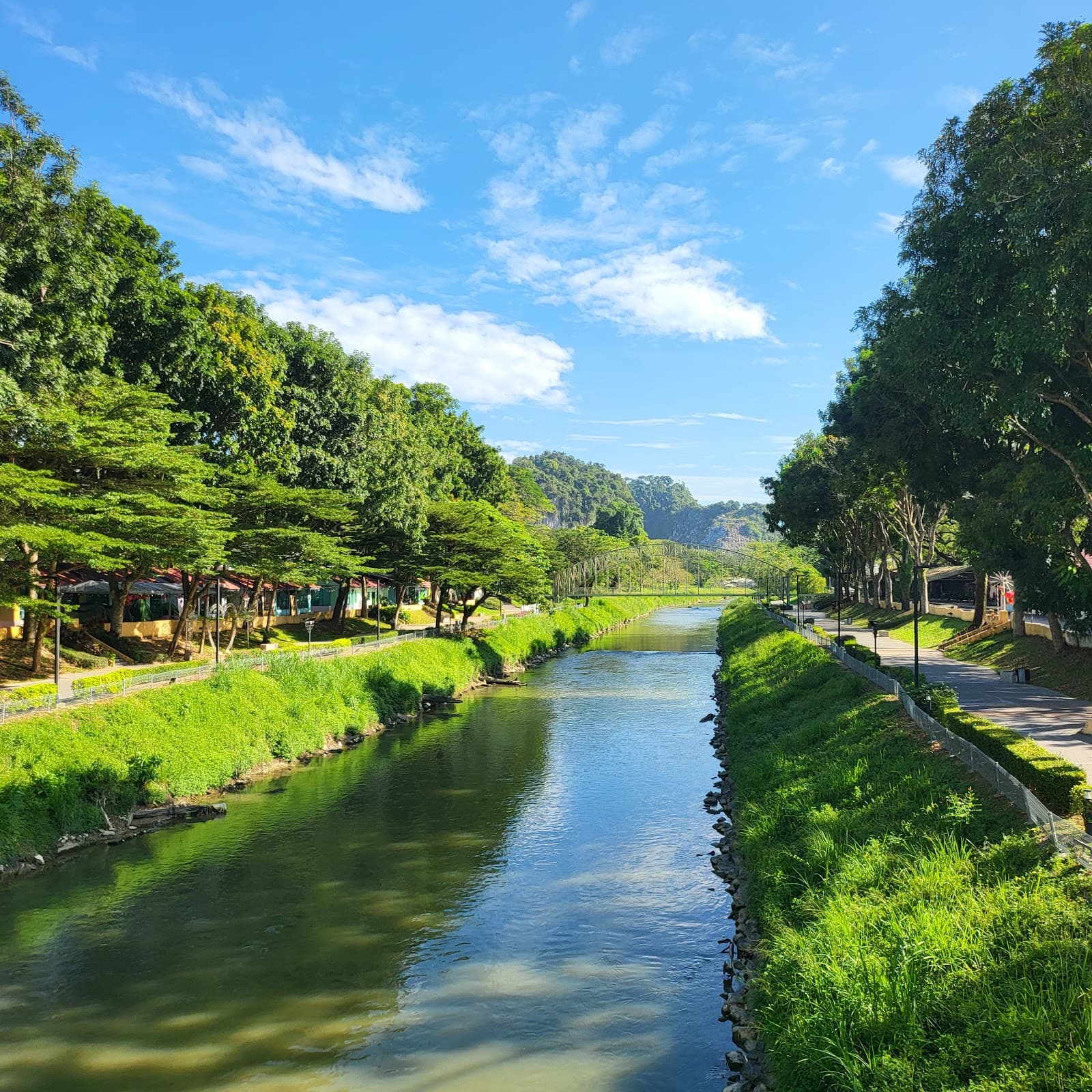
The mosque is situated near the Kinta River, which flows behind it, adding to its historical context and serene location. 🏞️


Social
from TikTok, Instagram & Reddit