Pogunon Community Museum
A small but profound museum preserving the history, rituals, and burial customs of Sabah's ethnic groups, featuring ancient clay pots and shamanic tra...
Highlights
Must-see attractions

Social
From TikTok & Reddit
Best Time
Fewer visitors, more personal attention
Pogunon Community Museum
Best Time
Fewer visitors, more personal attention
Highlights
Must-see attractions
A small but profound museum preserving the history, rituals, and burial customs of Sabah's ethnic groups, featuring ancient clay pots and shamanic traditions.
"A small but profoundly meaningful historical museum that unlocks a thousand-year story."
🤝 Be Patient at Arrival
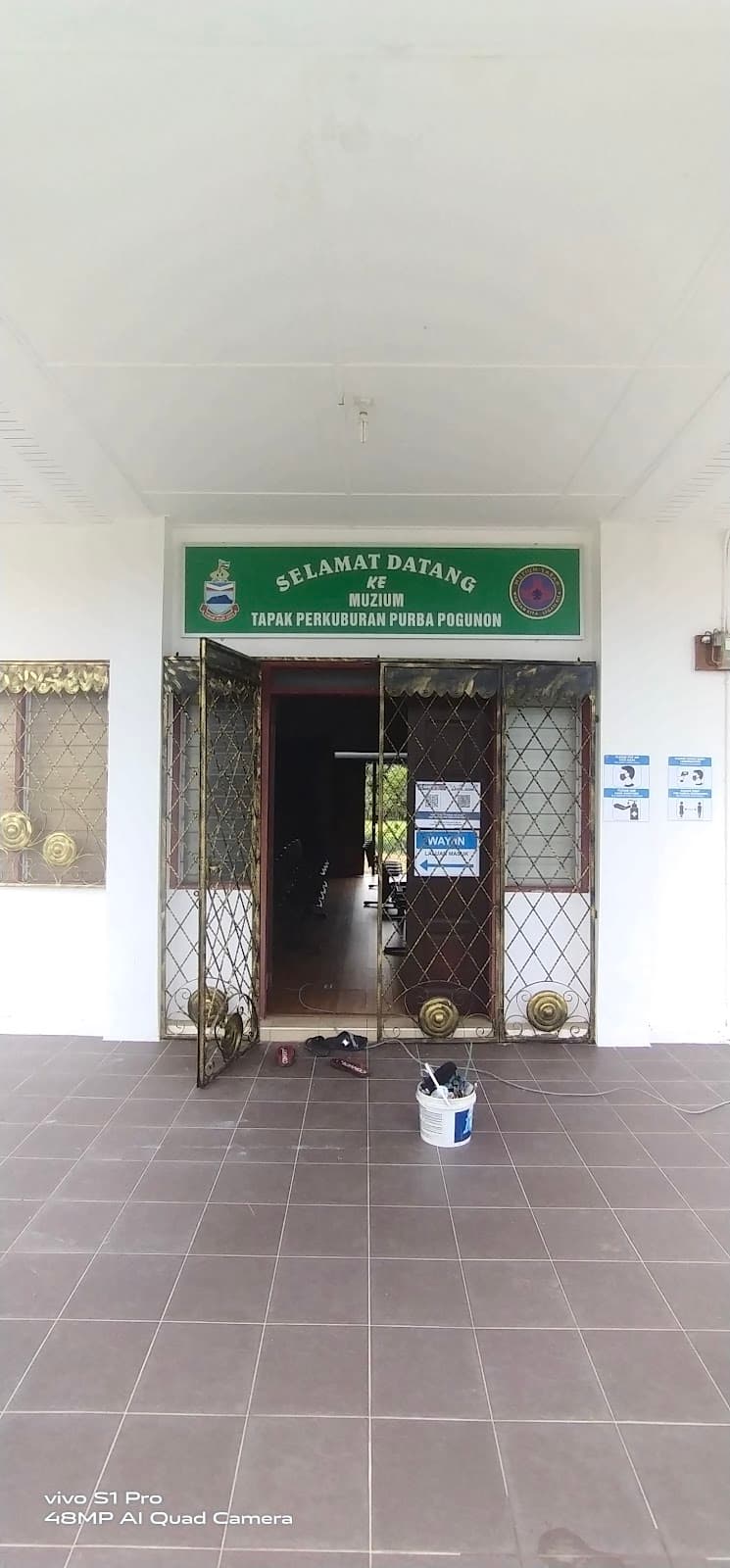
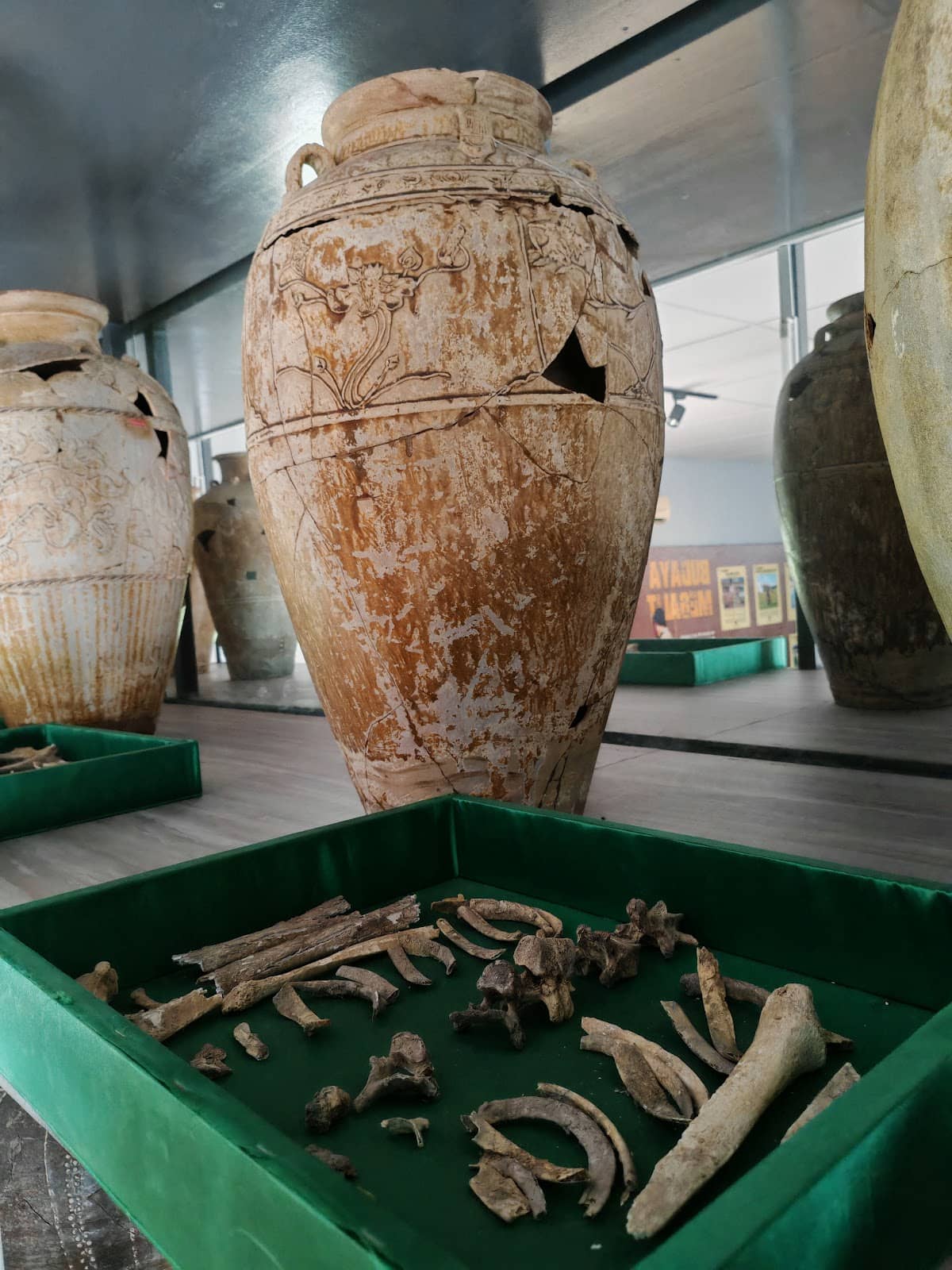
The museum might seem closed. Look for an administrator or inquire locally to gain entry. :key:
🤫 Respect the Graveyard
The graveyard behind the museum is a sacred site. Please maintain silence and show utmost respect. :pray:

Highlights
Discover the most iconic attractions and experiences
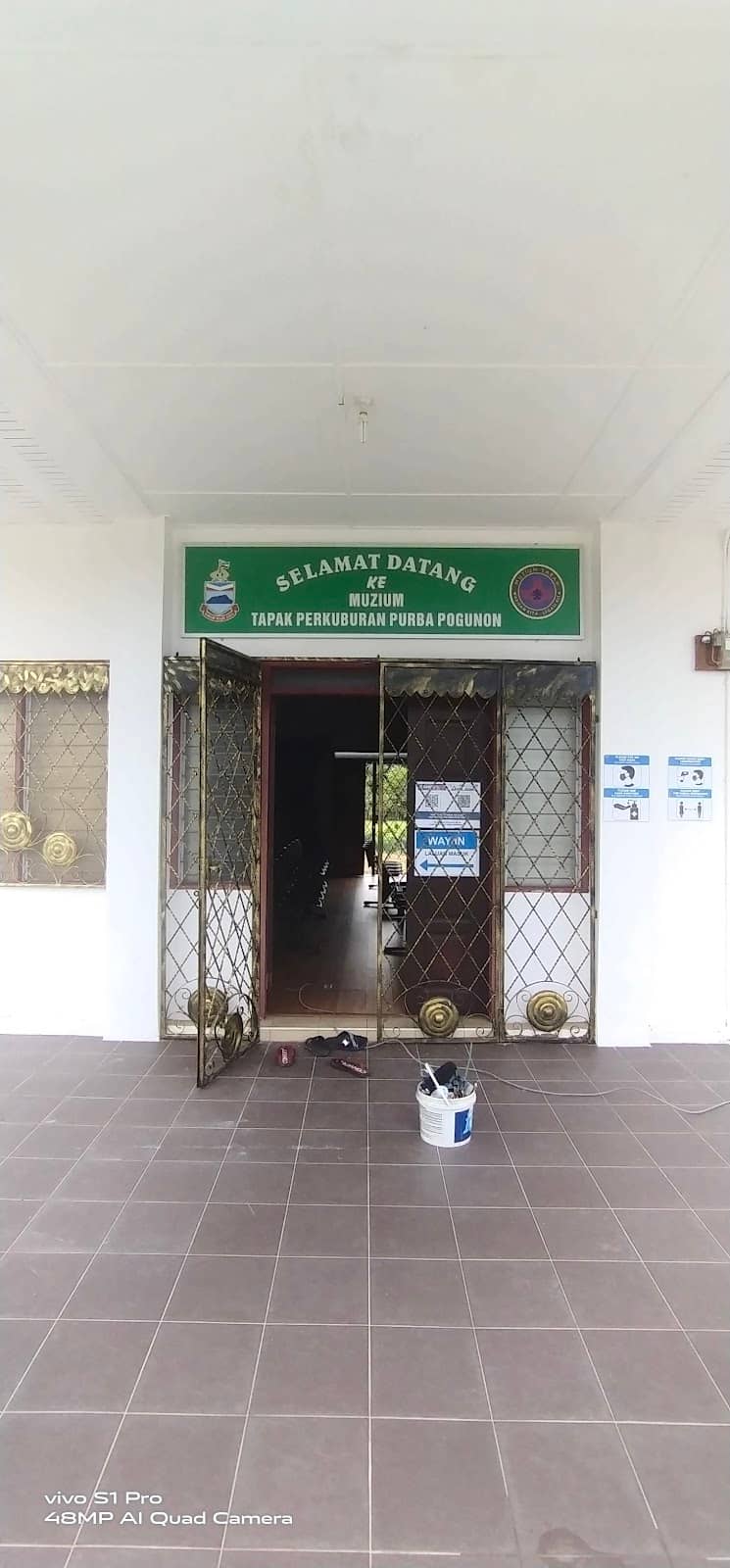
Ancient Clay Pots (Tajau)
Main exhibition area
Discover thousand-year-old Chinese pots used for food, liquor, wealth, and even as burial vessels.
Bobohizan Shaman Exhibits
Exhibition area
Learn about the vital role of traditional Bobohizan shamans as spiritual leaders and healers in local society.
Historical Graveyard
Behind the museum
Observe a graveyard containing remains from centuries past, offering insights into ancient burial customs and headhunting history.
Plans like a pro.
Thinks like you
Planning Your Visit
Respectful Visit
Unlocking History
Best Times
Insider Tips
from TikTok, Instagram & Reddit
🤝 Be Patient at Arrival
The museum might seem closed. Look for an administrator or inquire locally to gain entry. :key:
🤫 Respect the Graveyard
The graveyard behind the museum is a sacred site. Please maintain silence and show utmost respect. :pray:
📸 Limited Photo Ops Inside
The museum is small. Focus on absorbing the history rather than taking many photos. :camerawithflash:
🚗 Parking is Limited
Plan your arrival accordingly as parking space is scarce. :car:
Tips
from all over the internet
🤝 Be Patient at Arrival
The museum might seem closed. Look for an administrator or inquire locally to gain entry. :key:
🤫 Respect the Graveyard
The graveyard behind the museum is a sacred site. Please maintain silence and show utmost respect. :pray:
📸 Limited Photo Ops Inside
The museum is small. Focus on absorbing the history rather than taking many photos. :camerawithflash:
🚗 Parking is Limited
Plan your arrival accordingly as parking space is scarce. :car:
💰 No Entrance Fee
Enjoy this historical gem for free! Donations are appreciated to support its upkeep. :moneybag:
What Travellers Say
Reviews Summary
Visitors find the Pogunon Community Museum to be a small but historically significant site, offering a deep dive into the rituals and traditions of Sabah's ethnic groups, particularly concerning life and death. While the museum's size and occasional accessibility issues are noted, the rich historical context provided by artifacts like ancient clay pots and information on Bobohizan shamans are highly appreciated. The adjacent graveyard adds a layer of historical depth, though visitors emphasize the need for respect.
"Didn’t took much pictures inside the museum as it was only the size of a squared house. This museum is great for those who wants to know about the ritual and handling of Sabah’s ethnic group when someone passes away. At the back of the museum are actually real graveyard for those who had passed in the older centuries before. So keep in mind to pay respect when coming here. There are no entrance fee and parking space is limited."
Nadine Gwen
"Good"
cslum88
"Great piece of history for Penampang people especially the people of Kampung Pogunon"
Johnny Linus
What People Like
What People Dislike
Frequently Asked Questions
🚇 🗺️ Getting There
The museum is located in Kampung Pogunon, Penampang. It's best accessed by private vehicle or taxi. Public transport options might be limited, so confirm routes beforehand. Parking is available but can be scarce.
It can be a bit tricky as it's a small community museum. Look for signs for Kampung Pogunon and inquire locally if needed. The building itself is described as being the size of a squared house.
Given its location, driving or taking a taxi/ride-sharing service is recommended for convenience. This allows for flexibility in arrival and departure times.
🎫 🎫 Tickets & Entry
No, there is no entrance fee to visit the Pogunon Community Museum. It's a free attraction, though donations are welcome to help with its maintenance.
The museum's hours can be inconsistent, and it may appear closed upon arrival. It's advisable to contact someone in advance or look for an administrator to open it.
While formal booking might not be available, contacting the museum or local community representatives beforehand could help arrange a visit, especially if you're part of a group.
Don't be discouraged if the gate is chained. A helpful administrator can often be found to open the museum and provide insights into its history.
🎫 🧭 Onsite Experience
The museum showcases ancient clay pots (Tajau) used for various purposes, including as burial vessels. You can also learn about the Bobohizan shamans and see a historical graveyard behind the museum.
While not explicitly forbidden, the museum is quite small. Visitors are encouraged to focus on experiencing the history rather than taking numerous photos.
There is no mention of a gift shop or cafe at the museum. It's a small, community-run historical site focused on exhibits.
Given its size, a visit to the Pogunon Community Museum is usually brief, likely under an hour, allowing time to absorb the exhibits and the historical context.
The ancient clay pots, often imported from China, were used for preserving food, storing items, making liquor, as marriage gifts, symbols of wealth, and importantly, as burial containers for high-status individuals.
🍽️ 🍽️ Food & Dining
The museum is in a community setting, so dining options directly at the museum are unlikely. You'll likely need to travel to nearby towns or areas in Penampang for food.
It's generally best to avoid bringing food and drinks into small museums to preserve the exhibits. There are no facilities for dining on-site.
📸 📸 Photography
The ancient clay pots are a unique visual. The historical graveyard behind the museum also offers a somber photographic subject, but remember to be respectful.
While not explicitly stated, it's always good practice to be discreet and respectful when taking photos in historical and cultural sites, especially near burial grounds.
For Different Travelers
Tailored advice for your travel style
👨👩👧 Families with Kids
Keep in mind the museum is small, so it won't be an all-day affair. It's best suited for families who appreciate cultural history and can engage children with storytelling about the artifacts. The lack of an entrance fee makes it an accessible option for a brief, educational outing.
🏛️ History Enthusiasts
Engage with the administrator if possible, as their explanations can significantly enrich the understanding of the exhibits. The museum's small size means you can absorb the details thoroughly, making it a worthwhile stop for a focused historical exploration.
🚶 Solo Travelers
Be prepared for the possibility of the museum appearing closed upon arrival and have a plan for how to inquire about access. The limited parking and free entry make it an easy addition to a day of exploration in the Penampang area.
Deep Dives
In-depth insights and expert knowledge
The Significance of Tajau Pots
The presence of unidentified human bones within some of these pots underscores their deep connection to ancestral reverence and the community's unique understanding of life and death. This practice offers a tangible link to the religious beliefs and social structures of the past, making the Tajau pots a cornerstone of the museum's historical narrative.
Bobohizan: Guardians of Tradition
However, the exhibits also touch upon the gradual decline of the Bobohizan's prominence with the advent of modernization and changing societal structures. The museum's displays aim to preserve the memory and importance of this ancient profession, allowing visitors to delve into the mystery and significance of their role in shaping the community's history and beliefs.
Echoes of the Past: The Graveyard
This burial ground serves as a crucial historical site, offering valuable insights into the funerary customs, social hierarchies, and the more formidable aspects of tribal history in the region. It provides a somber yet essential context for understanding the lives and legacies of those who came before.



Social
from TikTok, Instagram & Reddit