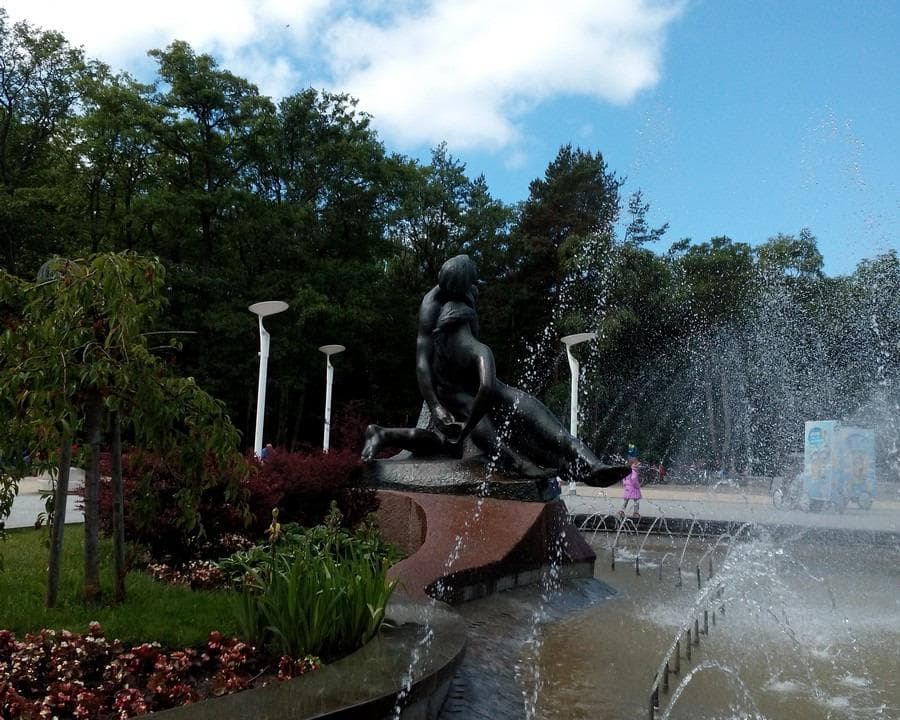
Jūratė and Kastytis Sculpture
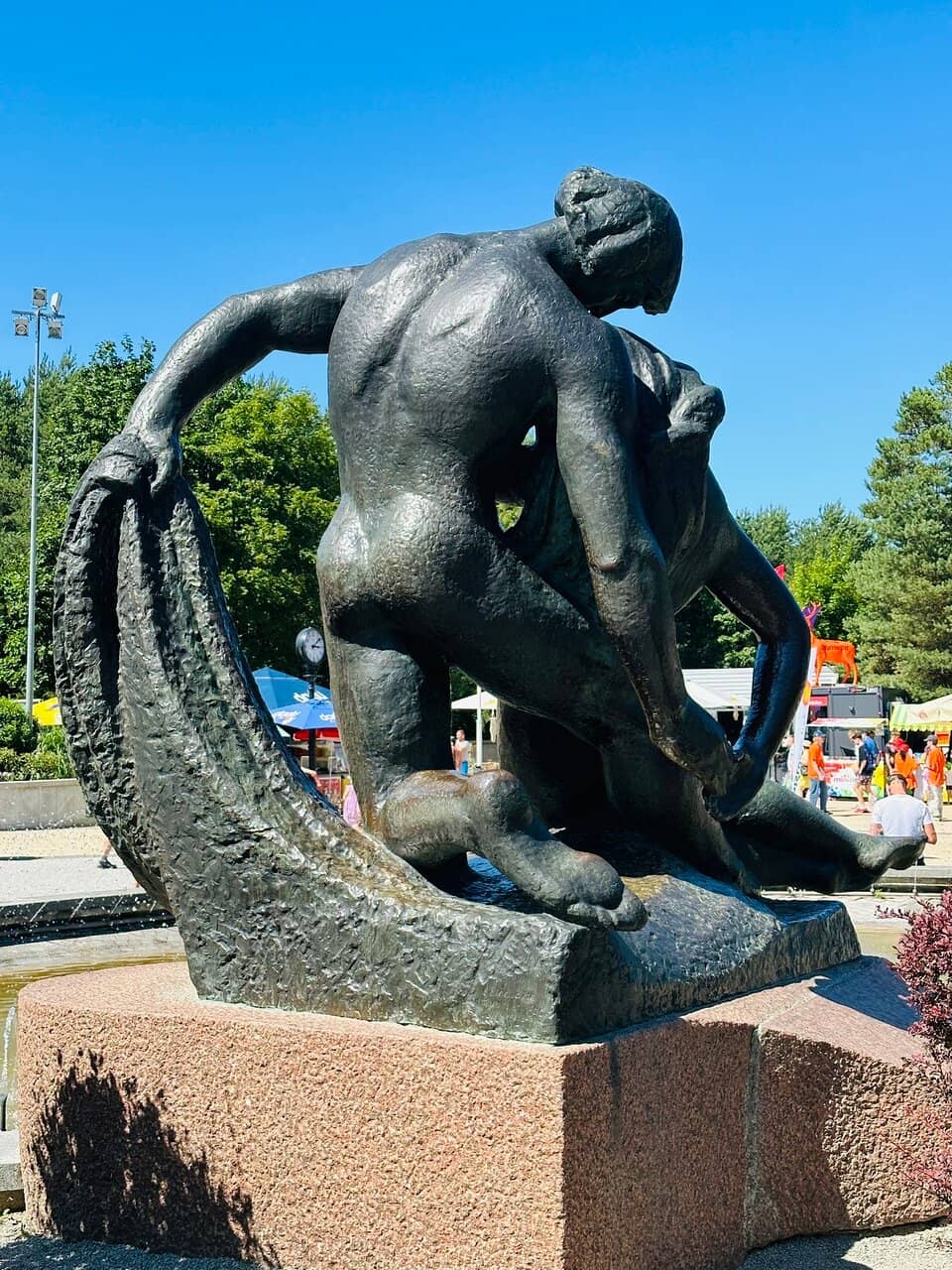
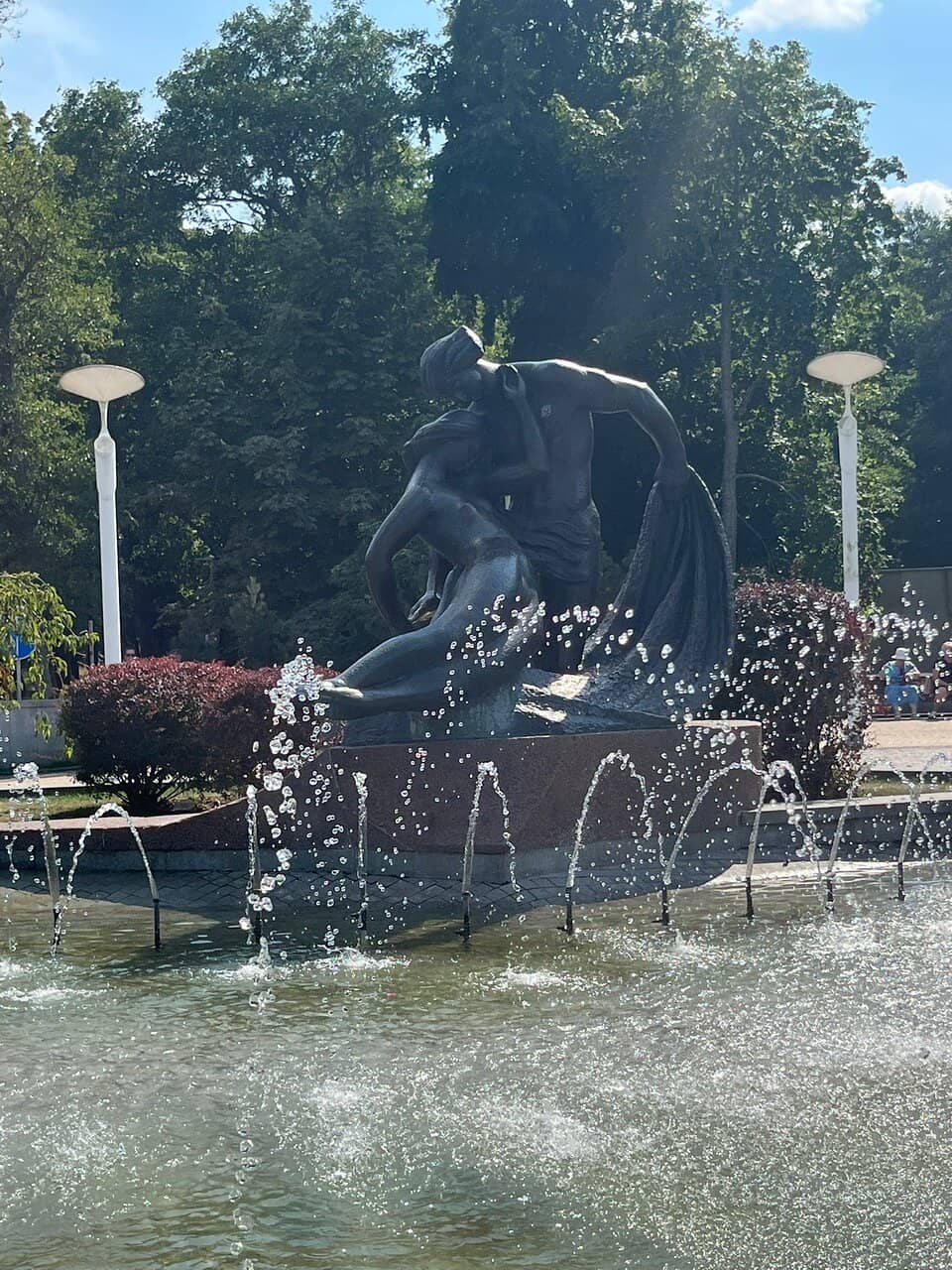
A poignant bronze sculpture in Palanga, immortalizing the tragic Lithuanian legend of sea goddess Juratė and fisherman Kastytis.
Highlights
Must-see attractions

Social
From TikTok & Reddit
Best Time
Serene atmosphere, soft light
Jūratė and Kastytis Sculpture
Best Time
Serene atmosphere, soft light
Highlights
Must-see attractions
A poignant bronze sculpture in Palanga, immortalizing the tragic Lithuanian legend of sea goddess Juratė and fisherman Kastytis.
"Another iconic Palanga place, many tales and myths based on these two lovers."
Learn the Legend First
Understanding the Juratė and Kastytis myth enriches your visit. :book:
Capture the Sunset
The sculpture is stunning during golden hour. :camerawithflash:
Highlights
Discover the most iconic attractions and experiences
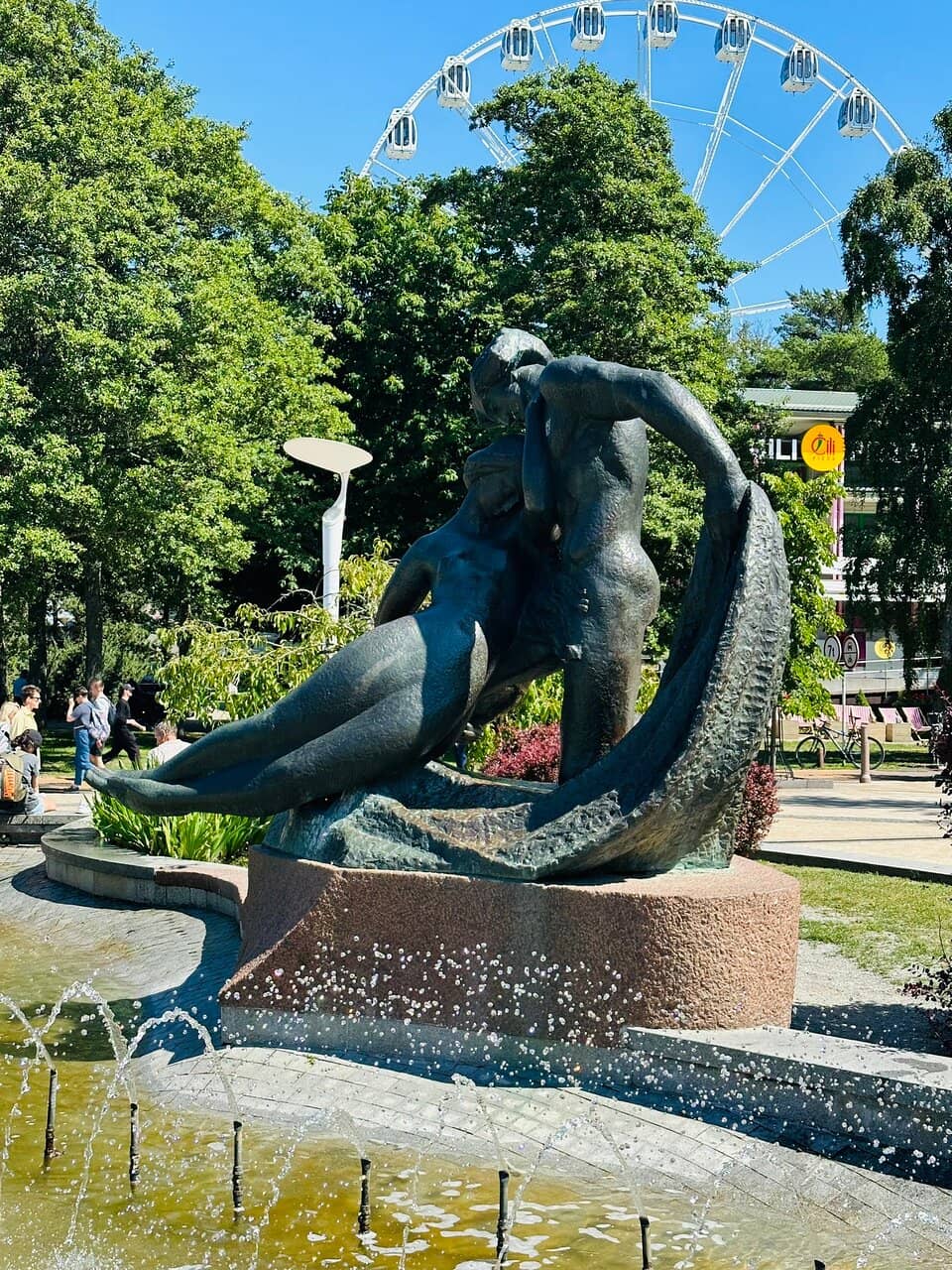
Juratė and Kastytis Sculpture
J. Basanavičiaus Street, Palanga
Iconic bronze sculpture depicting a tragic love story, set against the Baltic Sea.
The Legend's Tale
Near the sculpture
Immerse yourself in the myth of the sea goddess Juratė and the fisherman Kastytis.
Seaside Ambiance
Adjacent to the sculpture
Enjoy the refreshing sea breeze and picturesque views of the Baltic coast.
Plans like a pro.
Thinks like you
Planning Your Visit
Understand the Legend
Best Photo Spots
Best Times
Insider Tips
from TikTok, Instagram & Reddit
Learn the Legend First
Understanding the Juratė and Kastytis myth enriches your visit. :book:
Capture the Sunset
The sculpture is stunning during golden hour. :camerawithflash:
Stroll the Promenade
Enjoy the clean, well-maintained area and sea views. :walking:
Family-Friendly Spot
Kids enjoy the area and the story. :child:
Tips
from all over the internet
Learn the Legend First
Understanding the Juratė and Kastytis myth enriches your visit. :book:
Capture the Sunset
The sculpture is stunning during golden hour. :camerawithflash:
Stroll the Promenade
Enjoy the clean, well-maintained area and sea views. :walking:
Family-Friendly Spot
Kids enjoy the area and the story. :child:
What Travellers Say
Reviews Summary
Visitors find the Juratė and Kastytis Sculpture to be an iconic and beautiful landmark in Palanga, deeply appreciated for its connection to a beloved Lithuanian legend. The seaside location and well-maintained surroundings add to its charm, making it a popular spot for reflection and photography.
"The sculpture Jurate and Kastytis was created in 1959. built in 1961 at the end of J. Basanaviciaus Street, near the pedestrian bridge to the sea. According to the legend, a brave fisherman named Kastytis once set up a net in the Baltic Sea. The goddess Jurate sent the mermaids to warn Kastytis that the Baltic waters should not be disturbed, and Kastytis was not afraid. Jurate wanted to know who was ignoring her will, rose to the surface of the sea, and when she saw each other she fell in love and found herself in the amber palace. Percorn soon learned about the goddess’s love for the fisherman. Aggressive, he destroyed the amber palace. Kastytis was killed, and Jurate was chained to the rubble wall of the amber palace. Sometimes the sea throws tiny pieces of amber onto the shore. They say they’re Jurate tears."
oksana osiniene
"Palanga was amazing. All kids enjoyed too, can't wait to see more."
Chris in Norway
"Beautiful area in Palanga, very clean and well maintained."
kevin fitzgerald
What People Like
What People Dislike
Frequently Asked Questions
🚇 🗺️ Getting There
The sculpture is located at the end of J. Basanavičiaus Street in Palanga, near the pedestrian bridge to the sea. It's easily accessible by foot if you're already in the town center.
Parking is generally available along J. Basanavičiaus Street and surrounding areas, though it can be busy during peak season. Consider public transport or walking if possible.
🎫 🎫 Tickets & Entry
No, the sculpture is a public art installation and can be viewed freely at any time. There are no admission fees.
The sculpture is accessible 24/7 as it's an outdoor public space. However, the best experience is during daylight hours.
📸 📸 Photography
Early mornings and late afternoons offer the most beautiful light for photography. The golden hour before sunset is particularly magical.
Try capturing the sculpture with the sea in the background. Experiment with different perspectives from the promenade for unique shots.
🎫 📖 History & Culture
The sculpture depicts the tragic Lithuanian legend of Juratė, a sea goddess who fell in love with a mortal fisherman, Kastytis. Their love angered the sea god, who destroyed Juratė's amber palace and cursed her.
The sculpture was created in 1959 and erected in 1961 at the end of J. Basanavičiaus Street in Palanga.
For Different Travelers
Tailored advice for your travel style
👨👩👧 Families with Kids
Consider telling the legend to your children before or during your visit to enhance their understanding and enjoyment. The accessible location on the main street means it's easy to incorporate into a day of exploring Palanga without much hassle.
❤️ Couples and Romantics
Take a leisurely stroll along the promenade hand-in-hand, and perhaps share your own stories or dreams by the sea. The sculpture serves as a beautiful backdrop for memorable photos that capture the essence of your visit.
Deep Dives
In-depth insights and expert knowledge
The Legend of Juratė and Kastytis
This poignant tale of love, loss, and the power of nature is deeply ingrained in Lithuanian culture. The sculpture, erected in 1961, serves as a constant reminder of this enduring legend. Visitors often find themselves reflecting on the story as they gaze at the intertwined figures, feeling the weight of their tragic romance against the vastness of the sea.
Understanding this narrative transforms the viewing experience from simply observing a statue to connecting with a piece of Lithuanian heritage. It adds a layer of emotional depth, making the Juratė and Kastytis Sculpture a truly memorable landmark.
Experiencing the Sculpture and Surroundings
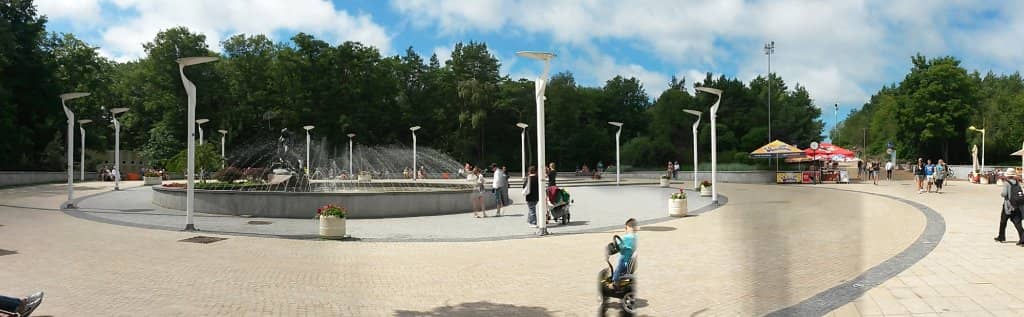
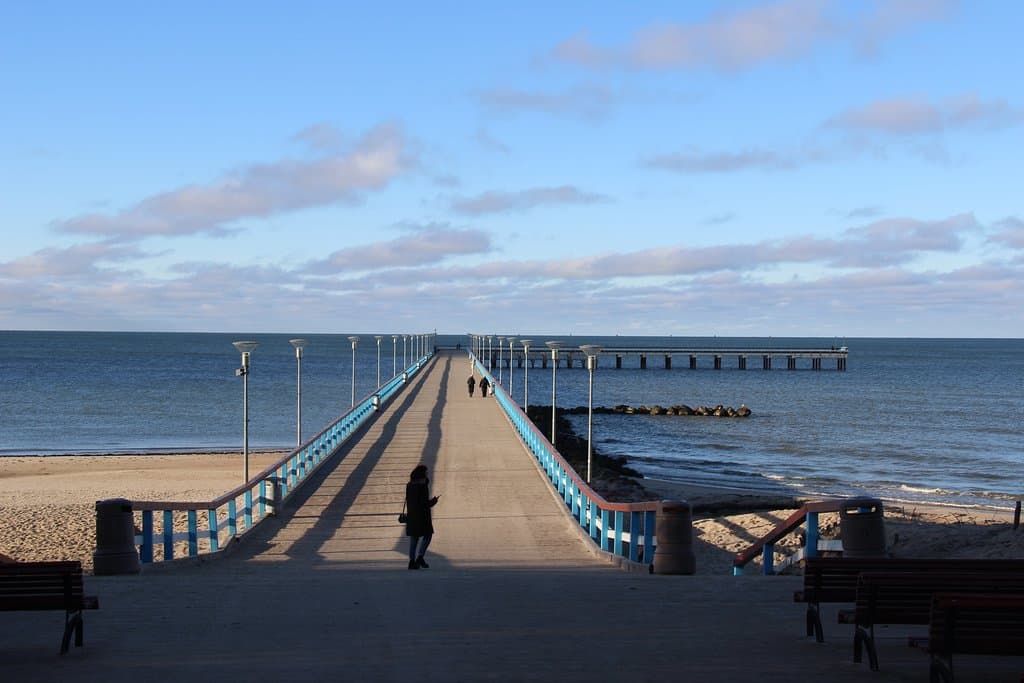
Adjacent to the sculpture is the beautiful Palanga beach and the pier, offering breathtaking views of the Baltic Sea. The area is meticulously maintained, making it a pleasant place to spend time. Many visitors enjoy simply sitting on the benches nearby, taking in the sea breeze, and contemplating the legend. The combination of the evocative sculpture and the stunning natural scenery creates a romantic and peaceful atmosphere, especially during sunrise or sunset.
For photographers, this spot is a dream. The interplay of light on the bronze, the vast sea, and the sky provides endless opportunities for capturing memorable images. Whether you're a history buff, a romantic at heart, or simply looking for a beautiful spot to enjoy the coast, the Juratė and Kastytis Sculpture and its surroundings offer a rich and rewarding experience.

Social
from TikTok, Instagram & Reddit