Munshi Aziz Bhat Museum Kargil
Discover Kargil's Silk Road past at this museum, showcasing ancient trade artifacts and stories from a pivotal historical hub.
Highlights
Must-see attractions

Social
From TikTok & Reddit
Best Time
To fully appreciate exhibits
Munshi Aziz Bhat Museum Kargil
Best Time
To fully appreciate exhibits
Highlights
Must-see attractions
Discover Kargil's Silk Road past at this museum, showcasing ancient trade artifacts and stories from a pivotal historical hub.
"Fascinating experience visiting this museum with the owner’s explanation! It's full of ancient boutiques and stories about the silkroad. "
📞 Call Ahead!
Opening hours can vary. Always call to confirm it's open before you go. :telephone_receiver:
🗣️ Engage with the Curator
The owner is an exceptional guide! His stories bring the museum to life. :speech_balloon:
Highlights
Discover the most iconic attractions and experiences
Silk Road Artifacts
Main exhibition halls
Discover ancient items from the bustling Silk Road trade era, offering a glimpse into historical commerce.

Kargil's Trading Hub History
Exhibits on local history
Learn how Kargil was a pivotal trading post connecting Central Asia and India.
Curator's Guided Tour
Throughout the museum
Experience the museum through the eyes of its passionate curator, who shares captivating stories.
Plans like a pro.
Thinks like you
Planning Your Visit
Timing is Everything
Embrace the Stories
Best Times
Insider Tips
from TikTok, Instagram & Reddit
📞 Call Ahead!
Opening hours can vary. Always call to confirm it's open before you go. :telephone_receiver:
🗣️ Engage with the Curator
The owner is an exceptional guide! His stories bring the museum to life. :speech_balloon:
🕰️ Allow ample time
Don't rush; immerse yourself in the history and the curator's insights. :clock3:
📸 Respect Photography Rules
Check if photography is allowed inside before taking pictures. :camerawithflash:
Tips
from all over the internet
📞 Call Ahead!
Opening hours can vary. Always call to confirm it's open before you go. :telephone_receiver:
🗣️ Engage with the Curator
The owner is an exceptional guide! His stories bring the museum to life. :speech_balloon:
🕰️ Allow ample time
Don't rush; immerse yourself in the history and the curator's insights. :clock3:
📸 Respect Photography Rules
Check if photography is allowed inside before taking pictures. :camerawithflash:
What Travellers Say
Reviews Summary
Visitors consistently praise the Munshi Aziz Bhat Museum for its fascinating collection and the exceptional guidance of its owner and curator. The museum offers a unique window into Kargil's rich history as a Silk Road trading hub. While opening hours can be unpredictable, the personal touch and historical depth make it a highly recommended stop for those passing through Kargil.
"Fascinating experience visiting this museum with the owner’s explanation! It’s full of ancient boutiques and stories about the silkroad. If you pass Kargil, this place is a must go!"
崔婉倩
"The Story of Munshi Aziz Bhat and the Kargil Sarai and the Museum
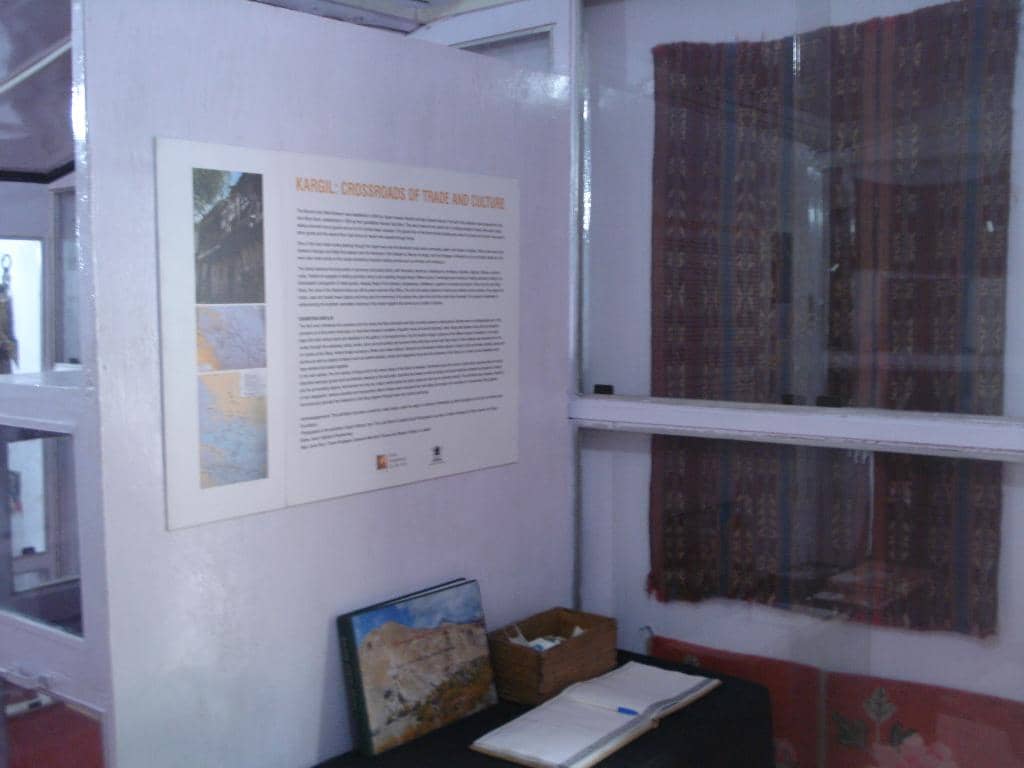
The name Kargil is famous now. Mainly because it is associated with a War that was given its name as it was fought in this area almost 20 years back and it was the country’s first televised War. But few would imagine that once upon a time it was a major trading Route on the Silk Route which connected Northern and Peninsular India with Central Asia and China.
Traders from all over the region and beyond converged upon Kargil. There were Punjabis, Kashmiris, Baltis, Yarkandis, Ladakhi, Tibetans, Afghans, Arghuns, Pathans, Kirghiz and all other ethnicities from the neighbouring Regions. The Dogra Rulers as well as the British promoted this Trade after the Dogras came into power and consolidated their Rule in the Region. They also improved and facilitated the creation of the Treaty Road which was a Trade Route all the way from Srinagar to Yarkand.
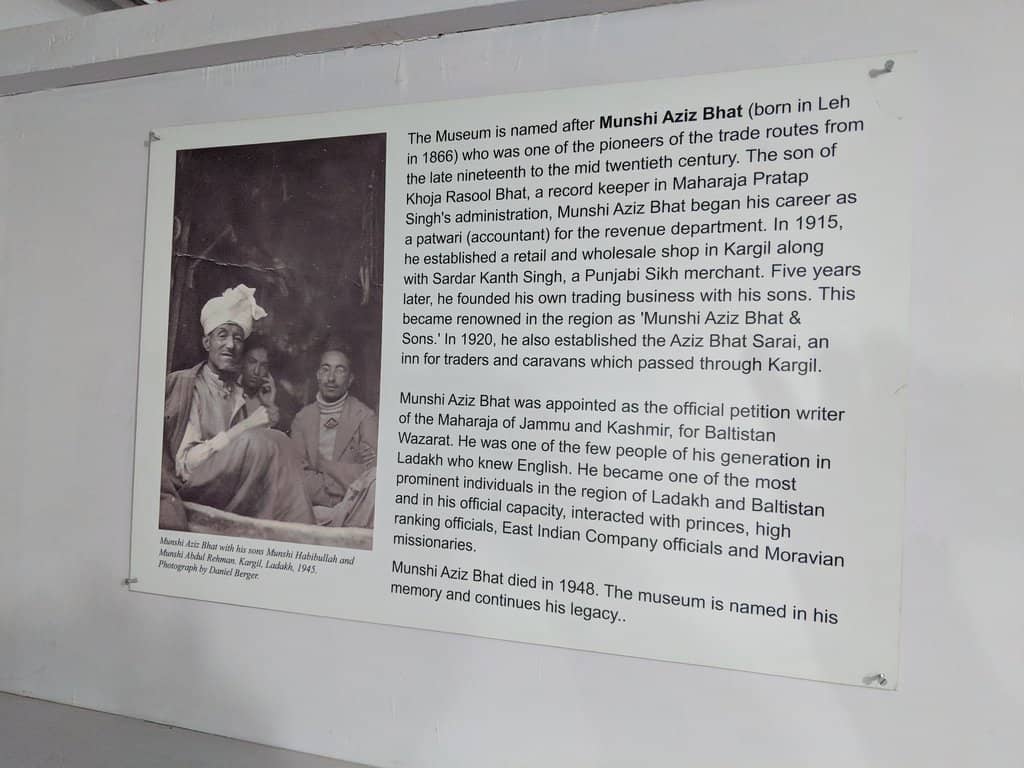
At the time that the trade was flourishing there was a certain Gentleman by the name of Munshi Aziz Bhat of Kargil who was the official petition writer for the Maharaja of Jammu and Kashmir for the Baltistan Wazarat. A Petition writer in those days was a powerful man, as if you had an issue that you wanted to bring to the higher authorities and the highest being the Maharaja, who had to approach the Petition writer to do it on your behalf. So the strength of your case basically lay on how the Petition writer presented it. As such Munshi Aziz Bhat was a very well respected man in Kargil.
Munshi Aziz Bhat was a trader also being on the Central Asian trade Route and owned a number of shops in Kargil and his trading company was called Munshi Aziz Bhat and Sons. He set up a Serai, the Kargil Serai in 1920 to offer boarding lodging and storage places to the Traders. Soon the Serai became a stopover place for all kinds of traders from all kinds of places in Kargil. The Kargil Serai also served as a kind of an unofficial Post Office which received a lot of mail especially from the Hoshiarpuri Punjabi traders. The Serai had in its front a couple of shops as well which the Traders could use to display their wares. The Serai was a busy one in the 1920s to about 1950 and it saw many traders come and go.
Janet Rizvi in her epic Trans-Himalayan Caravans, Merchant Princes and Peasant Traders in Ladakh (p 260) mentions “ …it would seem that for the transporters belonging to the villages downriver from Drass, Kargil (rather than Srinagar) was the centre to which they went in the first instance in search of work. The hub of this activity was Munshi Aziz Bhat’s sarai, which was a depot for goods going in all four directions...there was in particular plenty of coming and going between Kargil and Skardu…”
And then came the turmoil of 1947 when initially Kargil was occupied by invaders from the other side. And ofcourse with the Chinese occupation of Xinjiang and its move on Tibet the Trade Route was finally shut down by the Chinese in 1949. A once buzzing trade route and all its dependencies were suddenly shut. The Kargi Serai lost its guests as even the Hoshiarpuri merchants went away. The Serai fell into disrepair and meanwhile Munshi saab also passed away.
The Seari was however bethqued as family property to Aziz Saab’ descendents and so the three storied Serai remained for decades. A lonely relic in the Kar
Photos by Anil K Rajput"
Firdous Ahmad
"Excellent museum with an incredible collection and its owner and curator is an exceptional host and guide. Totally recommend a visit. Call first to make sure it’s open"
Maria Eugenia
What People Like
What People Dislike
Frequently Asked Questions
🚇 🗺️ Getting There
The museum is located in Kargil town. You can reach Kargil by road from Srinagar or Leh. Taxis are readily available within Kargil to take you to the museum.
While public buses connect major towns to Kargil, reaching the museum itself might require a local taxi or auto-rickshaw from the main Kargil bus stand.
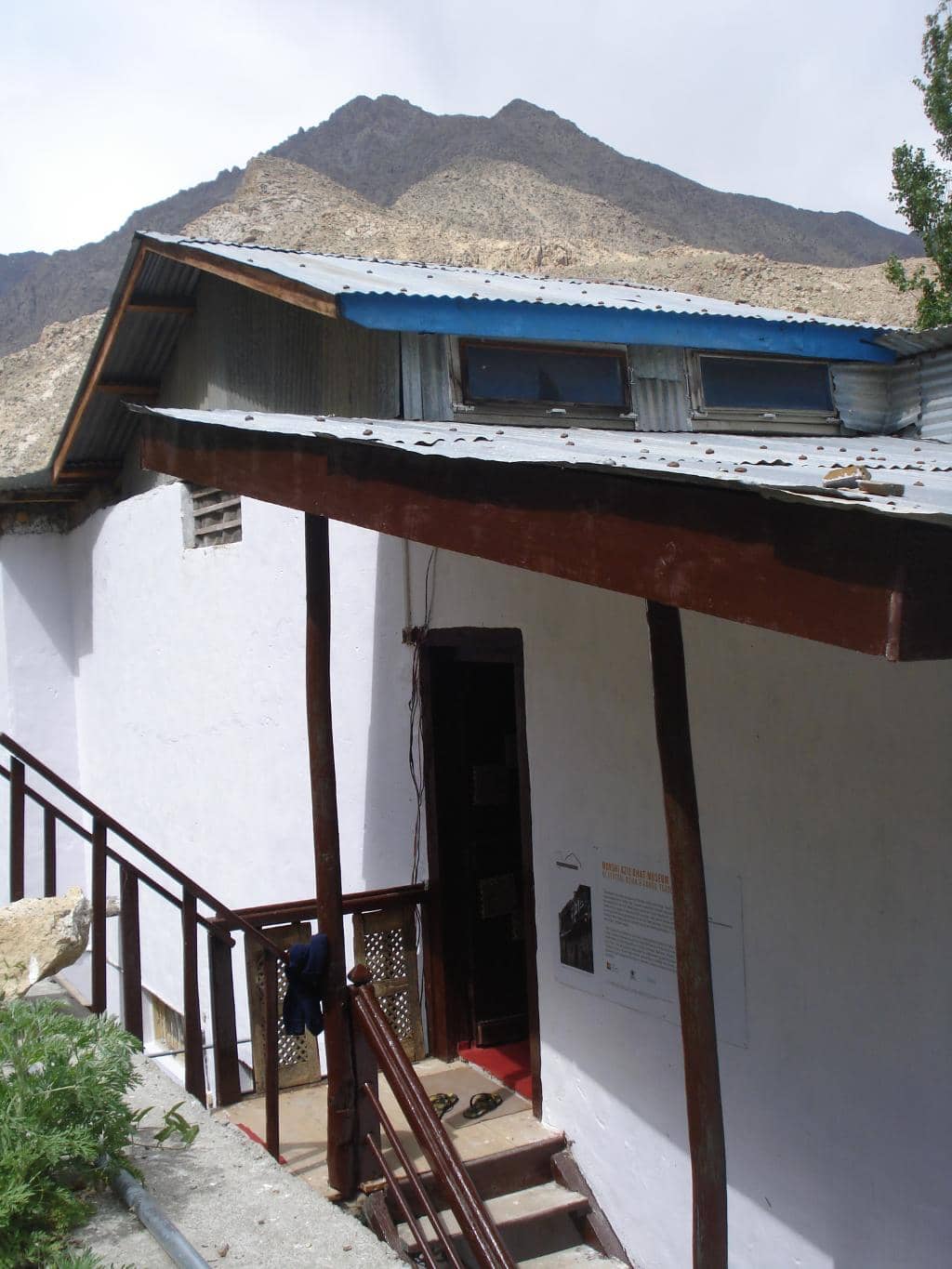
The museum is situated within Kargil town, making it relatively easy to find. It's often mentioned in relation to the Kargil Sarai history.
Yes, you can drive to the museum. Parking availability might be limited, especially during peak tourist seasons.
Information on accessibility for visitors with mobility issues is limited. It's advisable to contact the museum directly to inquire about ramps or elevators.
🎫 🎫 Tickets & Entry
Specific entry fee details are not widely published online. It's recommended to inquire locally or call ahead.
The museum's opening hours can be inconsistent. Many visitors recommend calling ahead to confirm it's open on the day of your visit.
Advance booking is generally not required, but confirming opening hours is crucial due to potential variability.
Visiting during daytime hours allows you to best appreciate the exhibits and the curator's explanations.
Information on discounts is not readily available. It's best to ask at the museum upon arrival.
🎫 🧭 Onsite Experience
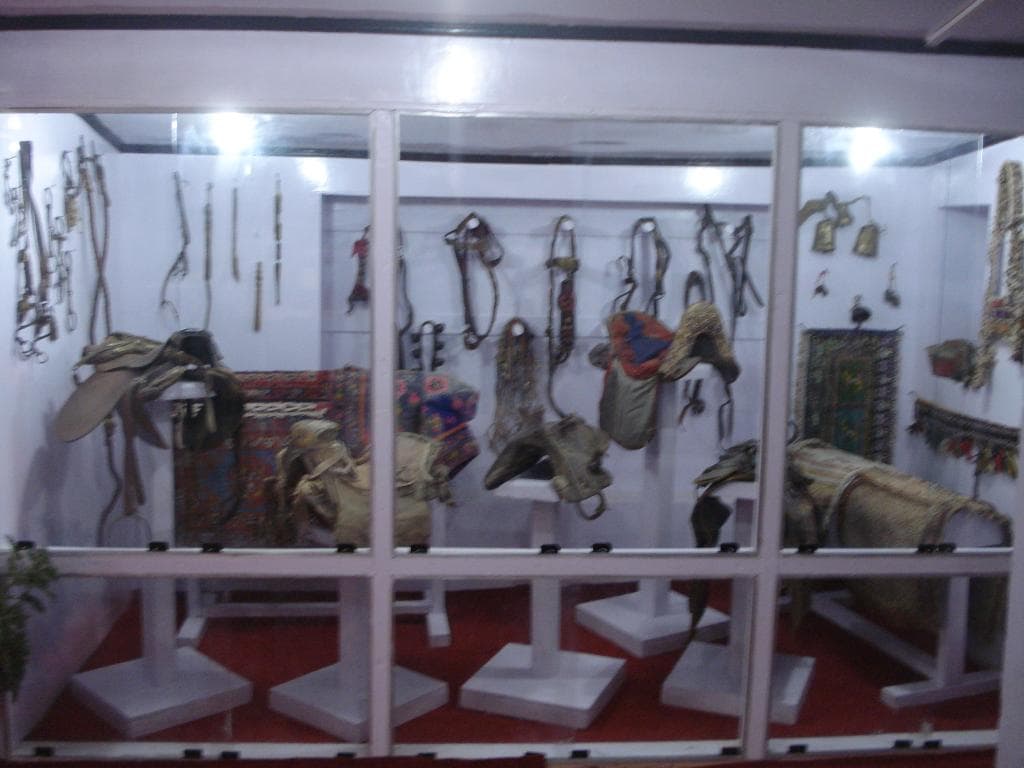
You'll find artifacts related to the Silk Road trade, historical documents, photographs, and insights into Kargil's past as a trading hub.
Yes, the owner and curator is an exceptional guide and provides fascinating explanations that bring the exhibits to life.
To fully appreciate the collection and the curator's stories, allocate at least 1-2 hours for your visit.
Photography policies can vary. It's best to check with the museum staff before taking pictures.
Munshi Aziz Bhat was a respected trader and petition writer who established the Kargil Sarai in 1920, a vital stop for Silk Road traders.
🍽️ 🍽️ Food & Dining
The museum itself does not typically have dining facilities. However, Kargil town offers various local eateries and restaurants.
You can try local Ladakhi and Balti dishes. Look for momos, thukpa, and other regional specialties.
Most local restaurants will offer vegetarian options, often featuring lentils, vegetables, and rice.
Dining in Kargil is generally affordable, with meals ranging from budget-friendly to mid-range.
It's generally not recommended to bring outside food and drinks into museums. Please check the museum's policy.
📸 📸 Photography
The artifacts themselves, the historical displays, and the architecture of the building offer great photo opportunities.
Photography rules can vary. Always ask permission from the museum staff before taking pictures of the exhibits.
The ancient trade goods, old photographs, and any unique architectural elements of the Sarai are often highlights.
Lighting conditions can vary. Some areas might be dimly lit to preserve artifacts, so a good camera or phone with low-light capabilities is helpful.
Selfies with artifacts are generally discouraged to prevent accidental damage. Always maintain a respectful distance.
For Different Travelers
Tailored advice for your travel style
👨👩👧 Families with Kids
Consider preparing your children beforehand by explaining the concept of the Silk Road and its importance. This will help them better appreciate the exhibits. The museum is relatively small, making it manageable for families with young children who might have shorter attention spans. Remember to call ahead to confirm opening hours to avoid disappointment.
📚 History Buffs & Culture Enthusiasts
You'll discover the intricacies of ancient trade practices, the diverse communities involved, and the infrastructure that supported this historical network. The personal stories shared by the curator, often rooted in family history, add an authentic and compelling dimension to the experience. This museum is a treasure trove for anyone seeking to understand the rich heritage of the Trans-Himalayan region.
Deep Dives
In-depth insights and expert knowledge
The Legacy of the Silk Road in Kargil
The decline of this trade route was largely due to geopolitical shifts, including the Chinese occupation of Xinjiang in 1949, which effectively shut down the northern routes. The museum serves as a poignant reminder of Kargil's prosperous past as a crossroads of cultures and commerce. Visitors can gain a deep appreciation for the historical significance of this region beyond its more recent military associations.
Exploring the exhibits offers a unique perspective on the economic and cultural exchange that shaped this part of the Himalayas. The collection includes items that illustrate the daily lives of traders, the types of goods exchanged, and the infrastructure that supported this ancient network.
The Role of Munshi Aziz Bhat
The Sarai became a bustling center of activity, acting as an unofficial post office and a marketplace where traders could display their wares. It facilitated connections between merchants from various regions, including Punjab, Kashmir, Baltistan, and Central Asia. Janet Rizvi's historical accounts highlight the Sarai as a central hub for transporters seeking work and goods moving in all directions.
The museum is a direct tribute to his legacy, housing many of the objects and stories associated with his entrepreneurial spirit and his contribution to Kargil's economic prosperity during the Silk Road era. The curator's personal connection to this history often adds an intimate layer to the visitor experience.
Social
from TikTok, Instagram & Reddit