
Ayla Early Islamic City Ruins
Explore the 7th-century Ayla, Jordan's first Islamic city, a fortified trading hub with remnants of walls and mosques.
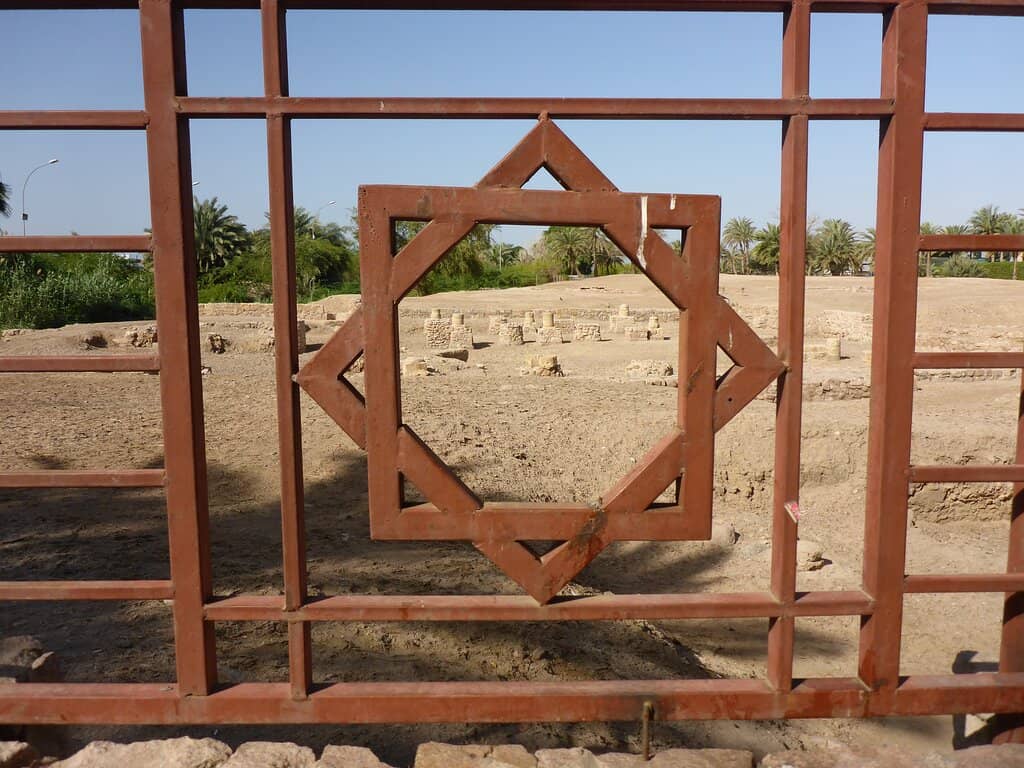
Highlights
Must-see attractions

Social
From TikTok & Reddit
Best Time
Cooler temperatures & soft light
Ayla Early Islamic City Ruins
Best Time
Cooler temperatures & soft light
Highlights
Must-see attractions
Explore the 7th-century Ayla, Jordan's first Islamic city, a fortified trading hub with remnants of walls and mosques.
"A fascinating glimpse into early Islamic urban life, requiring imagination to bring its ancient walls to life."
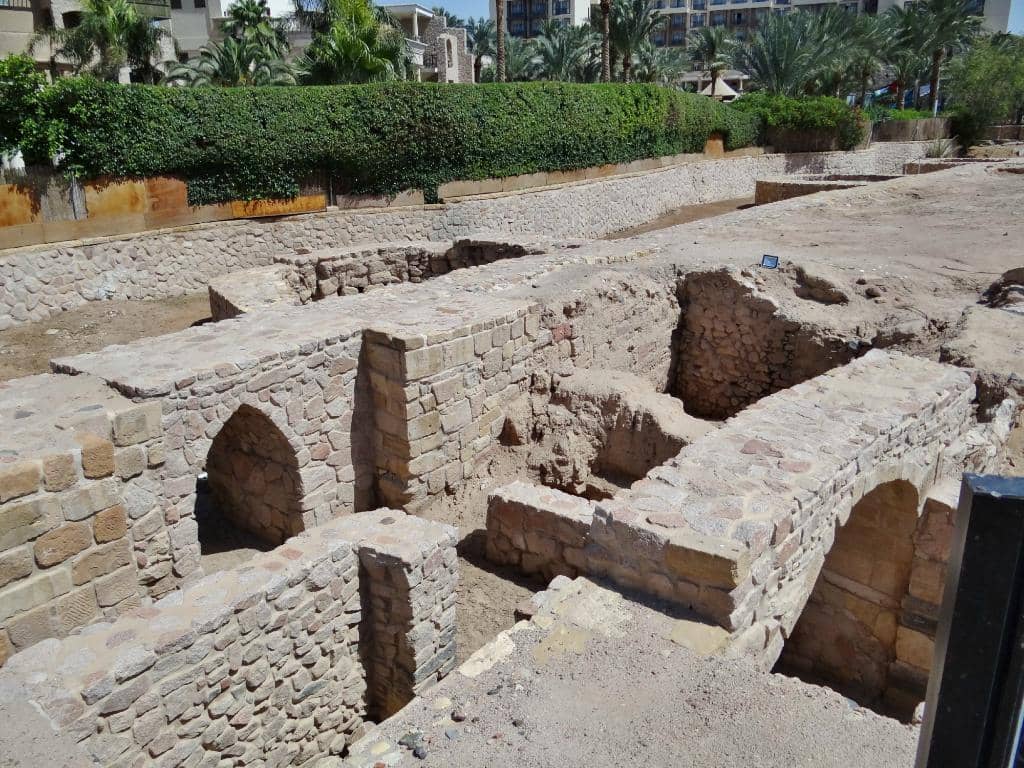
⏳ Quick Visit Recommended
Expect to spend around 15-30 minutes here. It's a fascinating historical stop but not an all-day destination.
🧠 Bring Your Imagination
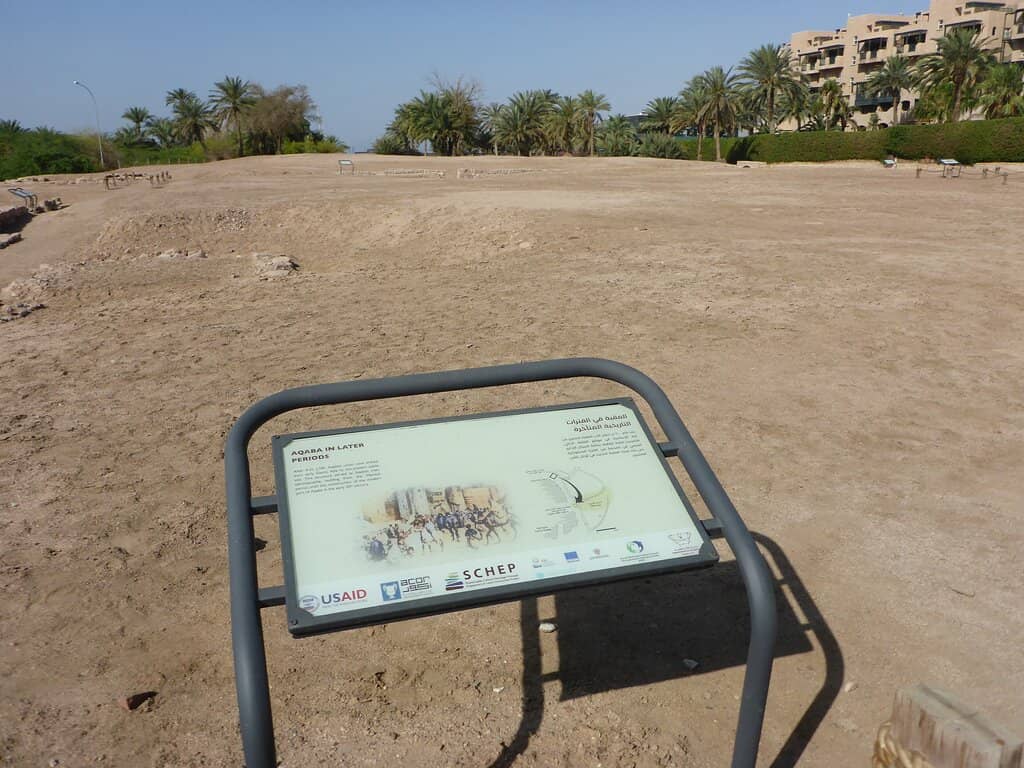
Limited signage means you'll need to envision the city's past. Imagine the bustling trade and daily life!
Highlights
Discover the most iconic attractions and experiences
Remnants of the Early Islamic City
The main excavation area
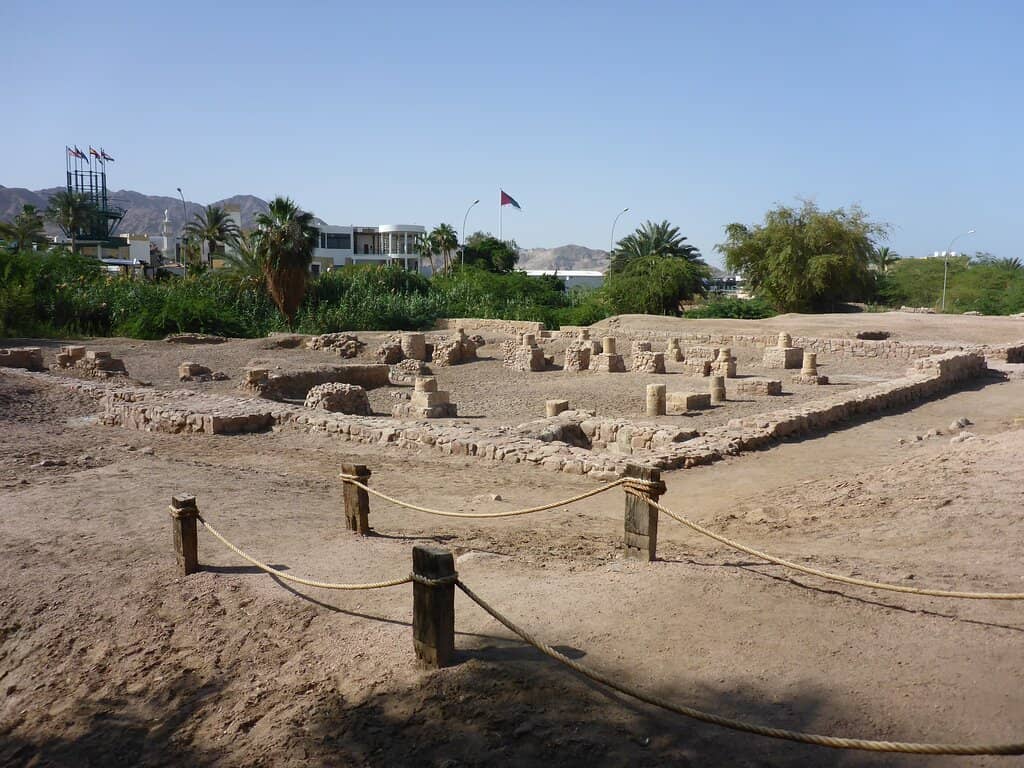
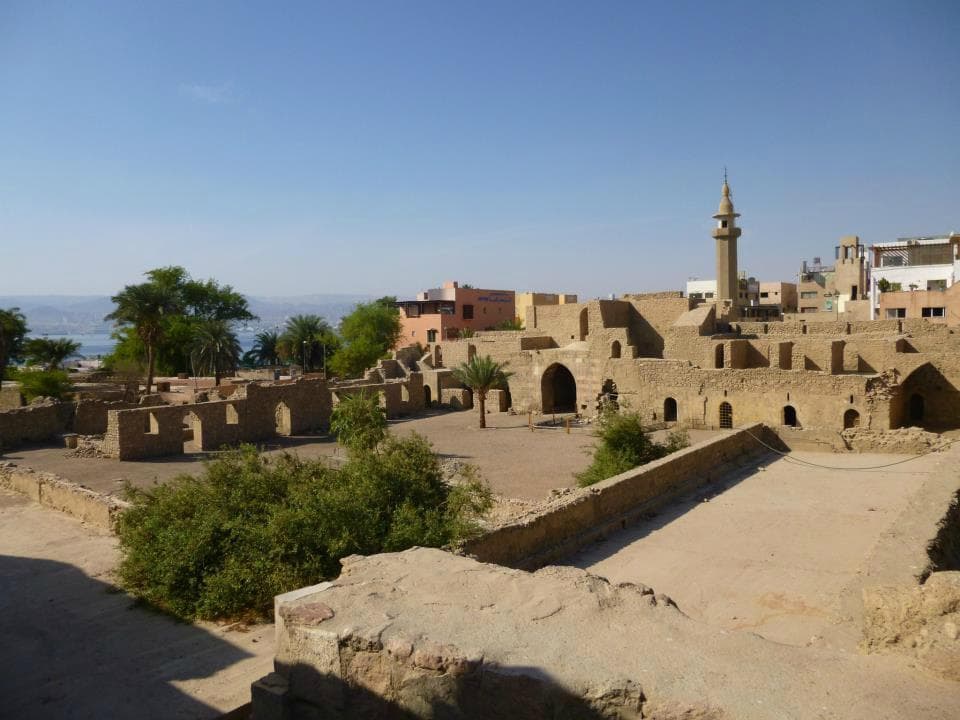
Explore the foundations and partial walls of a 7th-century fortified trading city, a glimpse into early Islamic urban life.
Umayyad Mosque Remains
Within the city ruins
See the foundations and remnants of a significant mosque, highlighting the religious and architectural importance of the city.
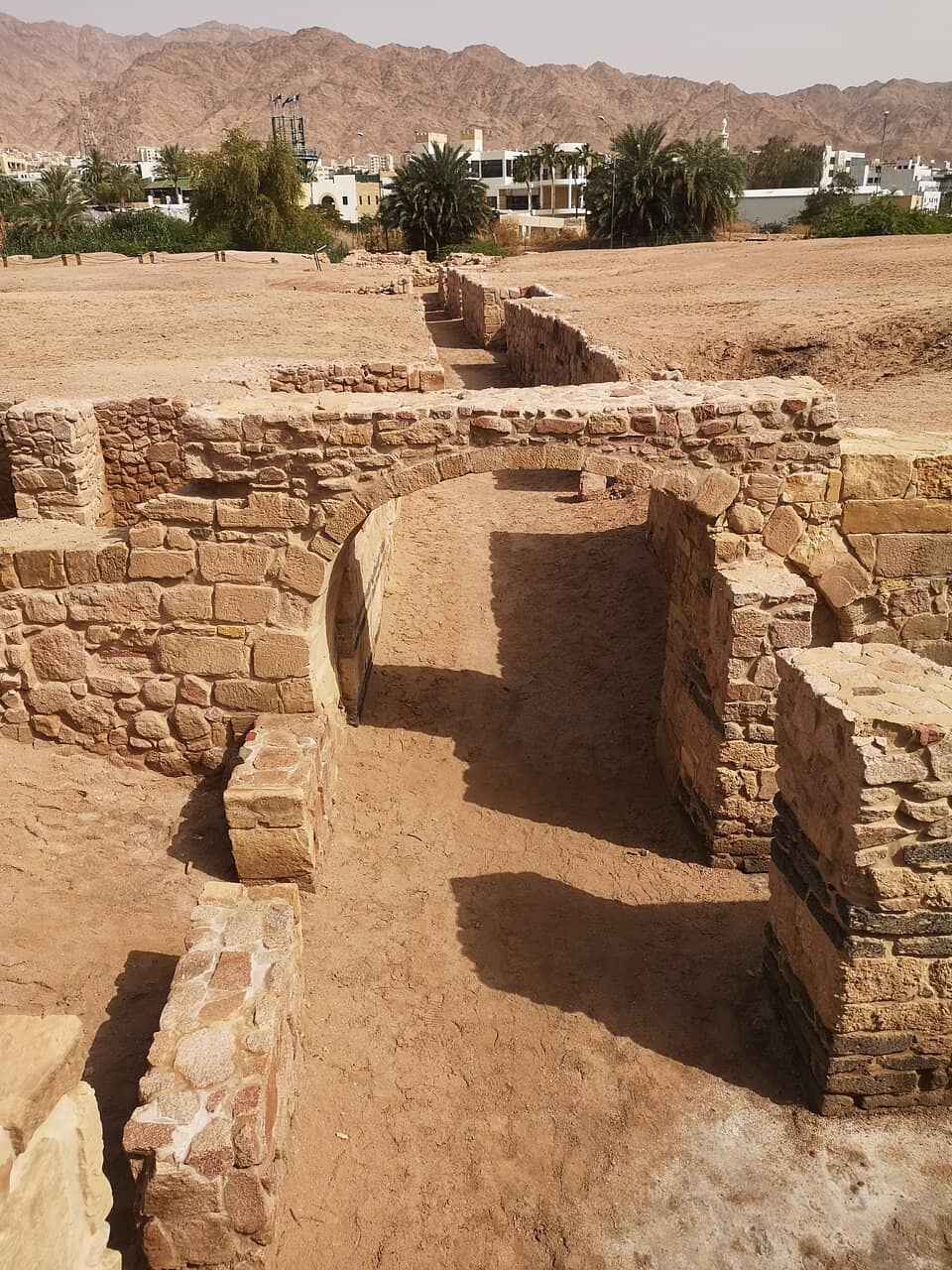
Archaeological Dig Site
Various sections of the ruins
Witness ongoing archaeological work, offering a unique perspective on how history is unearthed and preserved.
Plans like a pro.
Thinks like you
Planning Your Visit
Timing is Key for Exploration
Manage Expectations for Your Visit
Best Times
Insider Tips
from TikTok, Instagram & Reddit
Aqaba tips
⏳ Quick Visit Recommended
Expect to spend around 15-30 minutes here. It's a fascinating historical stop but not an all-day destination.
🧠 Bring Your Imagination
Limited signage means you'll need to envision the city's past. Imagine the bustling trade and daily life!
Travelling to Jordan
Solo travel 32m to Jordan and Saudi Arabia advice
👟 Comfortable Footwear
The site is sandy and uneven. Wear sturdy shoes for easy exploration.
📸 Best Light for Photos
Visit early morning or late afternoon for beautiful light on the ruins.
Tips
from all over the internet
⏳ Quick Visit Recommended
Expect to spend around 15-30 minutes here. It's a fascinating historical stop but not an all-day destination.
🧠 Bring Your Imagination
Limited signage means you'll need to envision the city's past. Imagine the bustling trade and daily life!
👟 Comfortable Footwear
The site is sandy and uneven. Wear sturdy shoes for easy exploration.
📸 Best Light for Photos
Visit early morning or late afternoon for beautiful light on the ruins.
🆓 Free Admission
Enjoy this historical gem without an entrance fee.
What Travellers Say
Reviews Summary
Visitors find Ayla Early Islamic City ruins historically significant as one of the first Islamic cities, offering a glimpse into early urban life and trade. Its free admission and proximity to other Aqaba attractions are appreciated. However, many note the limited interpretive information and the site's undeveloped state, suggesting it requires imagination to fully appreciate its past glory.
"The Islamic city of Ayla is located north of Aqaba and is considered the first Islamic city built outside the Arabian Peninsula during the caliphate of Uthman ibn Affan. It was a fortified trading city with walls, towers, and four gates, and it included a large mosque and a marketplace. The city prospered due to its location on the trade and pilgrimage routes between the Levant, Hejaz, and Egypt.
Archaeological discoveries include an Umayyad mosque, pottery, and Kufic inscriptions, all indicating its prosperity.
The city declined after a series of earthquakes and invasions, and life eventually moved to the site of modern Aqaba.
It needs more attention."
Abdullah Widyan
"This complex has ruins of an old city that existed thousands of years.
The place is quite small, and doesn’t have walking paths. The place is sandy.
No much attention given to it, and entrance is free. Expect to spend no more than 15 minutes here.
Very close to it is a Byzantine Church, the Aqaba Fort, and the Sherif Hussain bin Ali Museum."
Fahd Batayneh فهد بطاينة
"The ancient ruins take you back to the 7th century, offering a glimpse of Islamic culture and heritage. Unfortunately, there is not much left to explore. You can see parts of old mosques and trade route relics. There are few signs explaining the history. A must-visit if you love learning about the early Islamic period."
Alex Bezrukov
What People Like
What People Dislike
Frequently Asked Questions
🚇 🗺️ Getting There
The Ayla Early Islamic City ruins are located just north of modern Aqaba. You can easily reach them by taxi or by renting a car. It's a short drive and often combined with visits to the Aqaba Fort and the Sherif Hussain bin Ali Museum.
Public transport options directly to the ruins might be limited. Taxis are readily available in Aqaba and offer a convenient way to reach the site.
The ruins are an open-air site. It's best to explore on foot, wearing comfortable shoes as the ground can be sandy and uneven.
While there aren't typically formal guided tours readily available at the site itself, local guides in Aqaba might offer excursions that include Ayla. Check with your accommodation or local tour operators.
Ayla is very close to Aqaba, typically a 5-10 minute drive depending on traffic and your starting point within the city.
🎫 🎫 Tickets & Entry
No, the entrance to the Ayla Early Islamic City ruins is currently free. This makes it an accessible historical site for all visitors.
As an open-air archaeological site, Ayla is generally accessible during daylight hours. It's advisable to visit during the cooler parts of the day, such as early morning or late afternoon.
Currently, there is no admission fee to explore the Ayla Early Islamic City ruins, making it a great free historical attraction.
While the site is open-air, it's best to visit during daylight hours for safety and visibility. Avoid visiting during the hottest parts of the day.
No booking or reservation is required to visit Ayla Early Islamic City ruins, as it is a free and open-access site.
🎫 🧭 Onsite Experience
You can see the remnants of an enclosed Islamic city founded in the 7th century, including parts of walls, towers, a mosque, and a marketplace. It offers a glimpse into early Islamic urban planning and trade.
Most visitors find that 15 to 30 minutes is sufficient to explore the Ayla ruins, as it's a relatively small site with limited interpretive information.
There are typically no visitor facilities such as restrooms or cafes directly at the Ayla ruins site. It's advisable to use facilities in Aqaba before your visit.
Children can visit Ayla, but it's an archaeological site with uneven terrain. Supervision is recommended, and it might be more engaging for older children interested in history.
Ayla was the first Islamic city built outside the Arabian Peninsula, founded in 650 AD. It was a vital fortified trading city on routes connecting the Levant, Hejaz, and Egypt.
📸 📸 Photography
The best times for photography are early morning or late afternoon. The soft, golden light enhances the textures of the ruins and creates beautiful shadows.
Generally, photography for personal use is allowed at Ayla. However, it's always good practice to be respectful of the site and any ongoing archaeological work.
Focus on the textures of the ancient stones, the scale of the remaining walls, and the interplay of light and shadow. Wide shots can capture the layout, while close-ups highlight details.
Drone usage regulations can vary. It's best to check with local authorities in Aqaba regarding any restrictions on drone flights over archaeological sites.
A standard DSLR or mirrorless camera with a versatile lens (e.g., 24-70mm) is ideal. A wide-angle lens can be useful for capturing the expanse of the ruins.
For Different Travelers
Tailored advice for your travel style
👨👩👧 Families with Kids
Practical tips for families: Wear sturdy shoes as the ground is sandy and uneven. Bring water and snacks, as there are no facilities on-site. Consider visiting during cooler hours to avoid the heat. It's a quick visit, so it won't disrupt a day of travel with younger children. Combine it with nearby attractions like the Aqaba Fort for a more varied historical experience.
🏛️ History Buffs & Archaeology Enthusiasts
While the current presentation is basic, the historical context provided by the few information boards, combined with the visible remnants of walls, mosques, and urban layout, makes it a compelling visit. It's a place to contemplate the rise of Islamic civilization and its early urban centers. Visiting early or late in the day enhances the atmospheric quality of the ruins.
Deep Dives
In-depth insights and expert knowledge
The Historical Significance of Ayla
Archaeological excavations at Ayla have unearthed significant artifacts, including pottery, Kufic inscriptions, and remnants of the Umayyad mosque, all providing tangible evidence of its prosperity and cultural life. The city flourished for centuries, but a series of natural disasters, including earthquakes, and subsequent invasions led to its decline. Eventually, life shifted to the site of modern Aqaba, leaving Ayla to be reclaimed by the desert.
Today, Ayla stands as an important archaeological site, offering a unique window into the early Islamic period. While much of it is still under excavation, the visible ruins allow visitors to imagine the scale and importance of this ancient trading city. It's a testament to the early expansion and urban development of the Islamic world.
Exploring the Ruins: What to Expect
Information boards are scattered around the site, offering brief historical context about the different areas and their significance. However, the depth of information is limited, encouraging visitors to piece together the story of the city themselves. The main features to look out for include the remains of the city walls, the layout of the mosque, and the general footprint of the urban area.
Given its nature as an open-air archaeological site with minimal facilities, a visit to Ayla is typically brief, often lasting no more than 15-30 minutes. It's best enjoyed during the cooler parts of the day, like early morning or late afternoon, when the light is softer and more conducive to photography and comfortable exploration.

Social
from TikTok, Instagram & Reddit