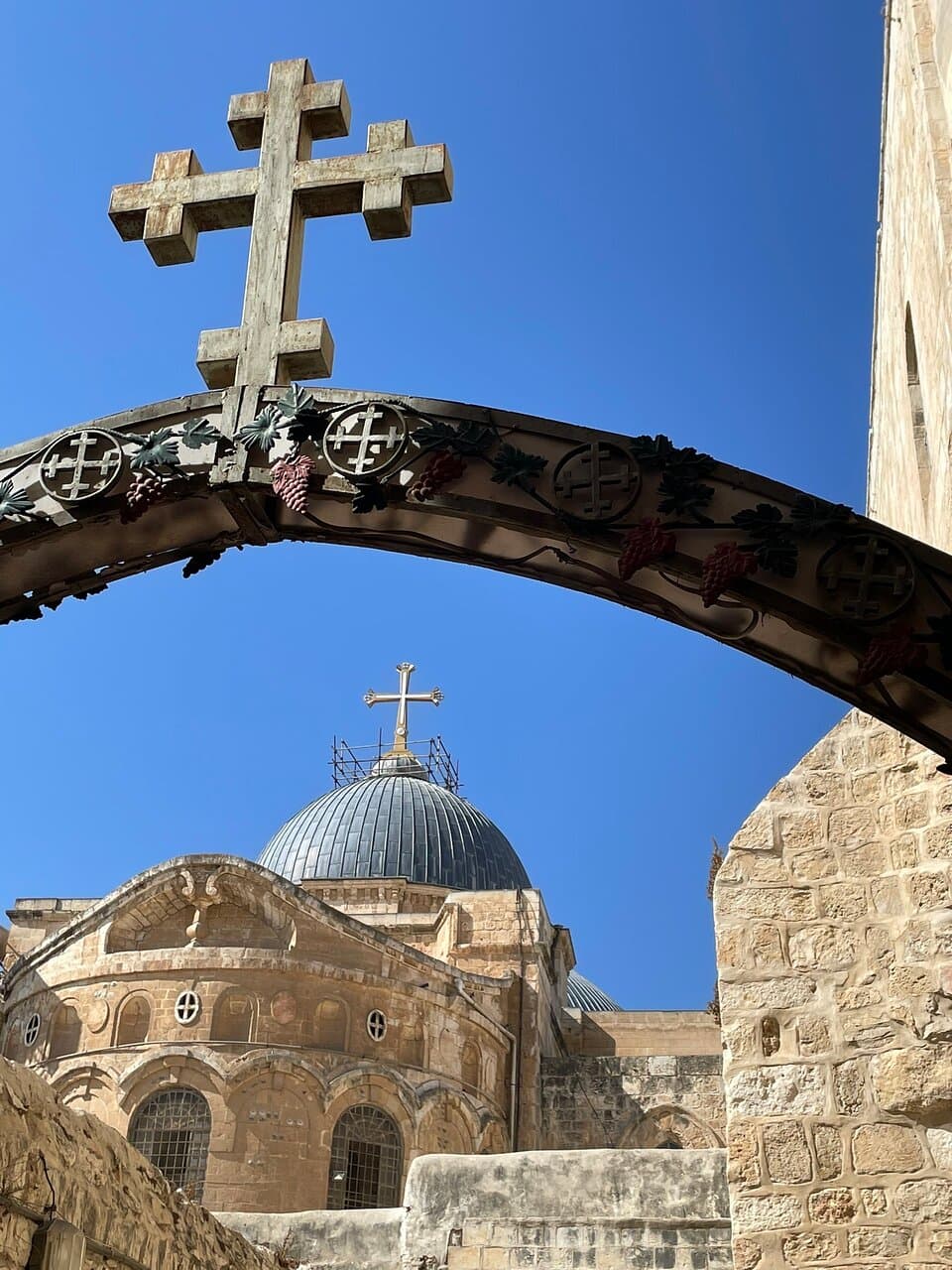
Via Dolorosa Stations
Walk the sacred path of Jesus' Passion through Jerusalem's Old City, marked by 14 stations of reflection.
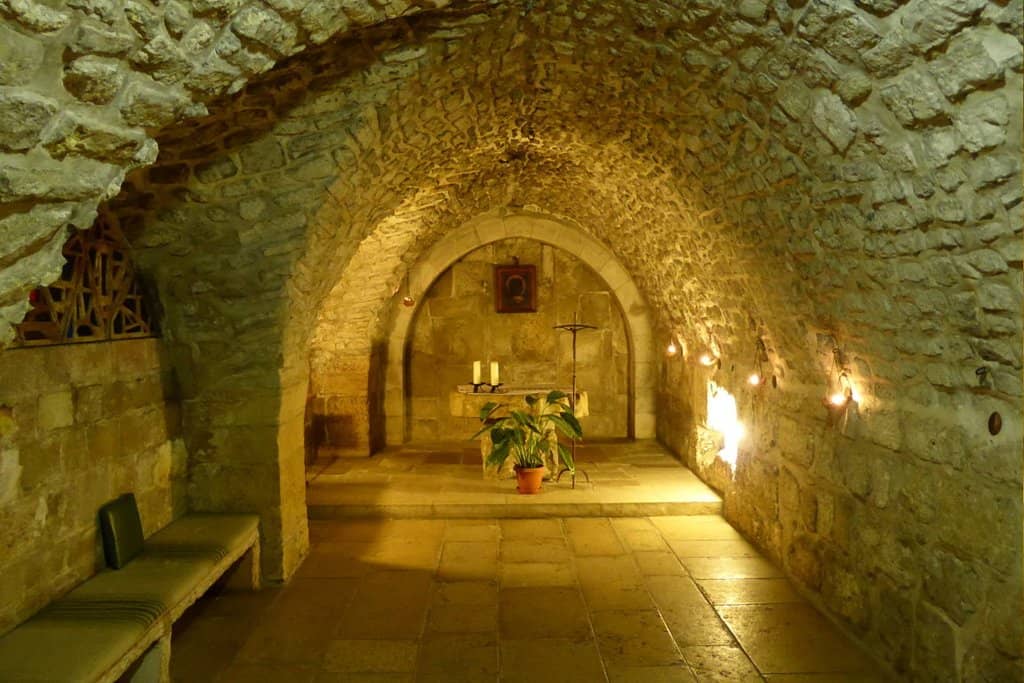
Highlights
Must-see attractions

Social
From TikTok & Reddit
Best Time
Fewer crowds, more peaceful reflection
Via Dolorosa Stations
Best Time
Fewer crowds, more peaceful reflection
Highlights
Must-see attractions
Walk the sacred path of Jesus' Passion through Jerusalem's Old City, marked by 14 stations of reflection.
"A deeply moving pilgrimage, connecting you to centuries of faith on ancient stones."
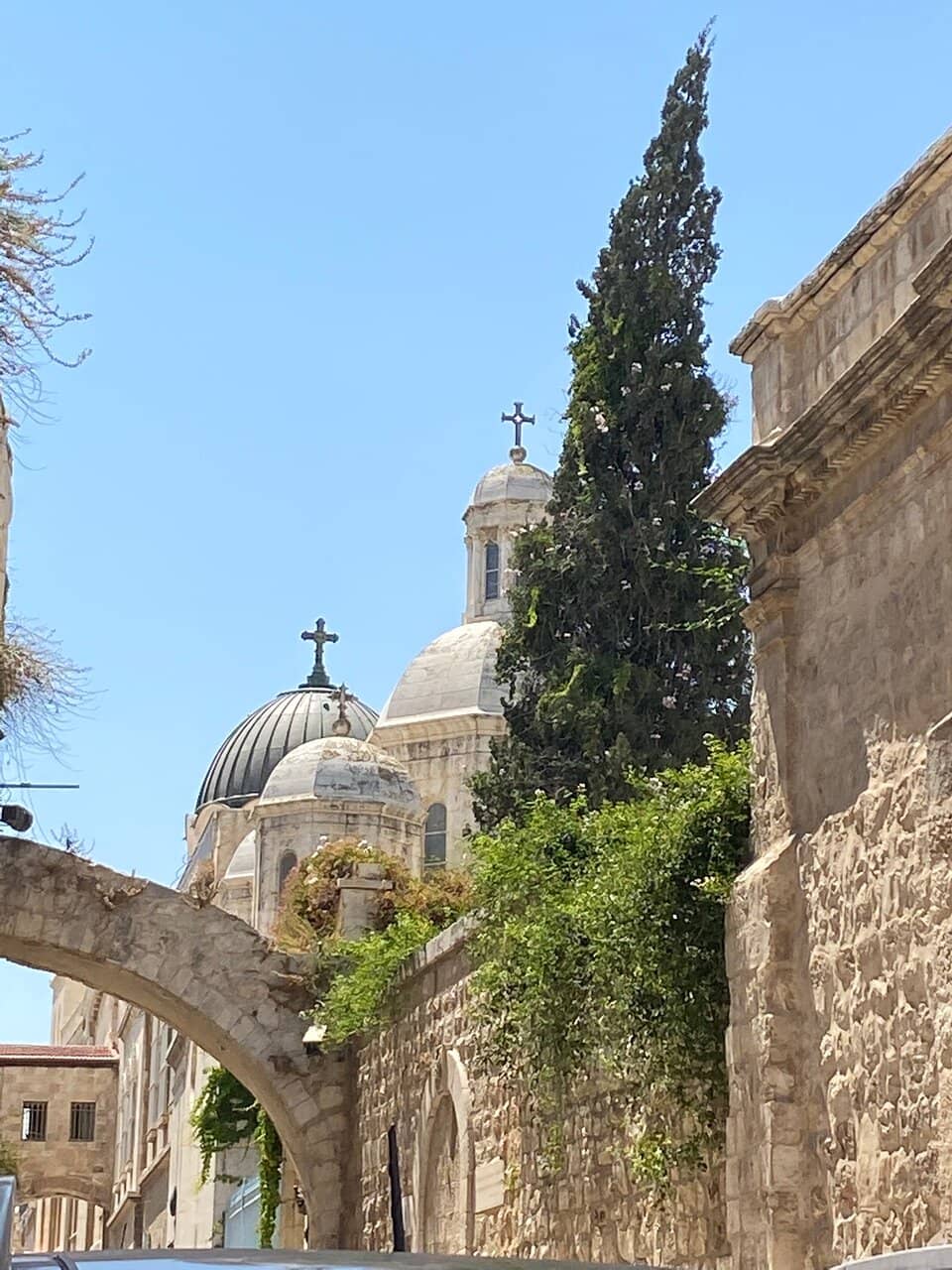
Wear Comfortable Shoes
The path is ancient and uneven. You'll be doing a lot of walking! :athletic_shoe:
Go Early to Avoid Crowds
The Via Dolorosa gets very busy, especially by late morning. Beat the rush for a more serene experience. :clock1:
Highlights
Discover the most iconic attractions and experiences
The 14 Stations of the Cross
Along the Via Dolorosa and inside the Church of the Holy Sepulchre
Follow the path where Jesus is believed to have carried his cross, marked by 14 significant points of reflection.
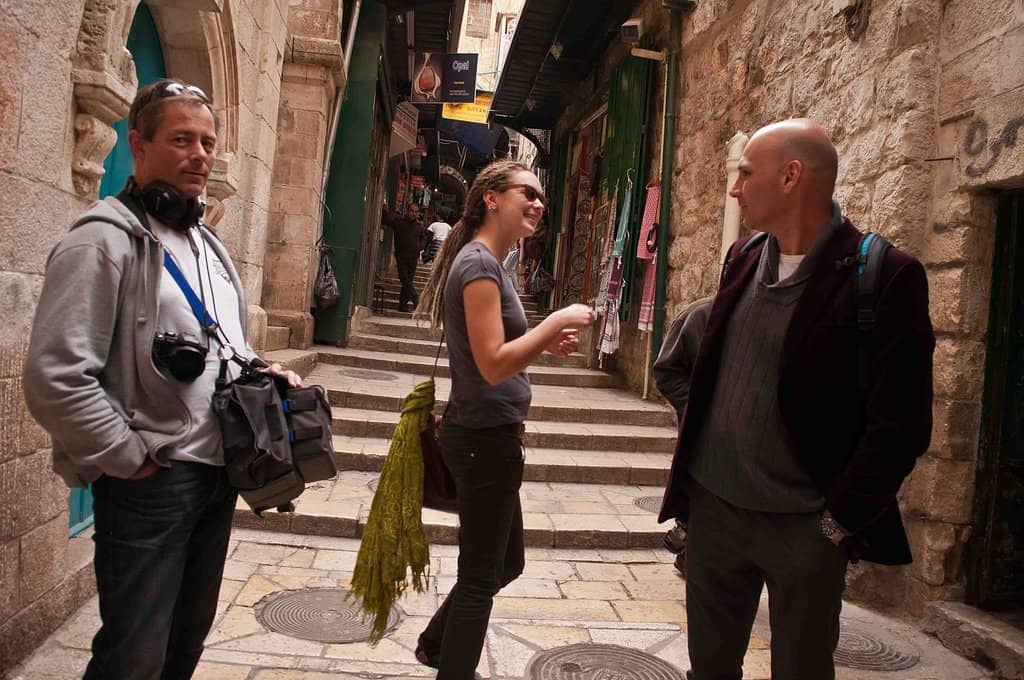
Station II: Jesus Carries His Cross
Via Dolorosa
The second station, where Jesus is believed to have taken up his cross, a pivotal moment of His journey.
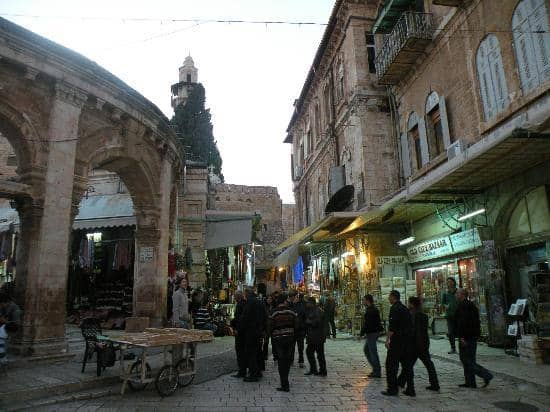
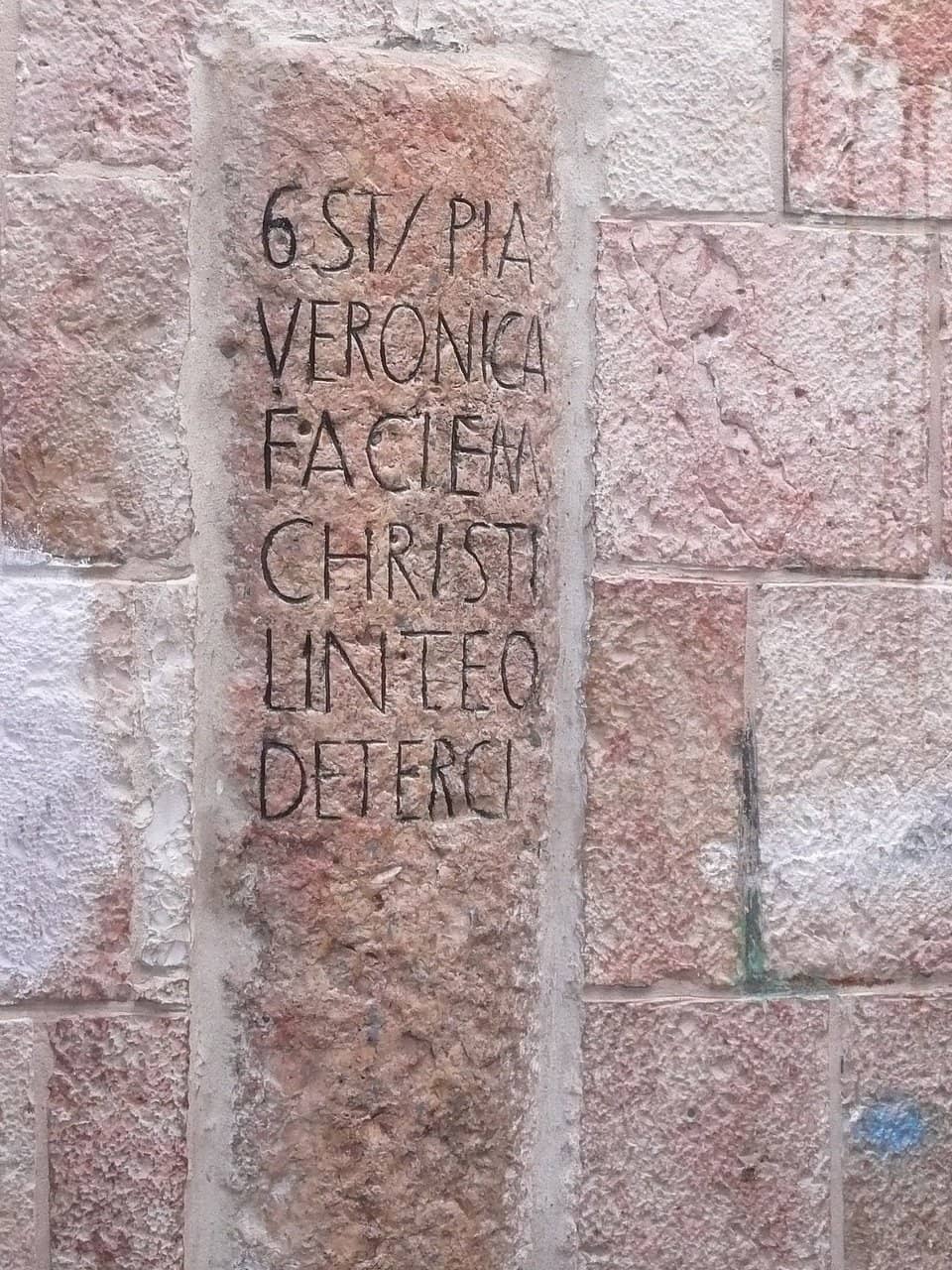
Station VI: Veronica Wipes Jesus' Face
Via Dolorosa
A traditional station commemorating Veronica's act of compassion, offering a moment of human connection.
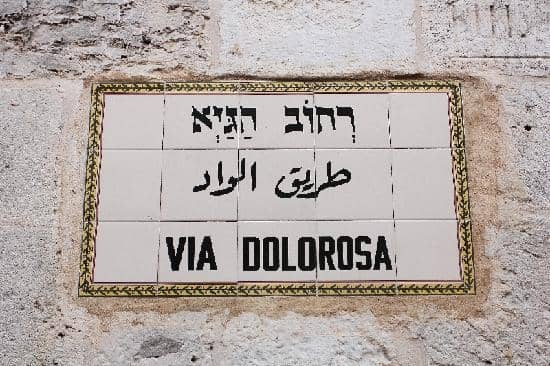
Church of the Holy Sepulchre
End of the Via Dolorosa
The final stations are located within this holiest site for Christians, marking the crucifixion and burial.
Plans like a pro.
Thinks like you
Planning Your Visit
Timing is Everything
Navigating the Path
Best Times
Insider Tips
from TikTok, Instagram & Reddit
Wear Comfortable Shoes
The path is ancient and uneven. You'll be doing a lot of walking! :athletic_shoe:
Go Early to Avoid Crowds
The Via Dolorosa gets very busy, especially by late morning. Beat the rush for a more serene experience. :clock1:
Look for Station Markers
Stations are marked by plaques or mosaics. Some are inside shops or doorways, so keep an eye out! :mag:
Consider a Guide
A guide can offer deeper historical and spiritual context to each station. :man_teacher:
Tips
from all over the internet
Wear Comfortable Shoes
The path is ancient and uneven. You'll be doing a lot of walking! :athletic_shoe:
Go Early to Avoid Crowds
The Via Dolorosa gets very busy, especially by late morning. Beat the rush for a more serene experience. :clock1:
Look for Station Markers
Stations are marked by plaques or mosaics. Some are inside shops or doorways, so keep an eye out! :mag:
Consider a Guide
A guide can offer deeper historical and spiritual context to each station. :man_teacher:
Respect the Sacredness
This is a deeply spiritual place for many. Be mindful of your behavior and dress modestly. :pray:
What Travellers Say
Reviews Summary
The Via Dolorosa is a profoundly moving pilgrimage route, offering a tangible connection to Christian history. Visitors are deeply affected by walking the path Jesus is believed to have taken to His crucifixion. While the spiritual significance is immense, the experience can be challenging due to crowds and the ancient, uneven terrain.
"The Via Dolorosa is a narrow, stone path believed to be the route Jesus took to His Crucifixion nearly 2000 years ago. It is also known as "The Way of The Cross" or "The Way of Sorrow" and is one of Christendom's most sacred sites. Each year thousands of Christian pilgrims visit and walk along this path."
Alex Drukpa.
"Path took by Jesus on the way to crucifixion. There are 14 points of importance on the path. It's a narrow path leading all the way to holy sepulchere"
Pradeep Hegde
""Way of the Cross"or 'Via Dolorosa"
By the time we reached to follow the way of the cross it was almost 11:00 AM. The stress , the stations and inside Church of the Holy Sepulchre were too crowded. I will recommende to go as early as possible. Thepath, supposed to have been followed by Christ from the point of Condemnationto the point of Crucifixion and burial in the tomb, now located in Church ofthe Holy Sepulchre. The Path is called differently in different language."Sorrowful Way" or "Way of Suffering"; or "Way of Sorrows" "Way of the Cross" and"Via Dolorosa". The points where different events, like his falls andencounters with others occurred during his journey from condemnation to Crucifixion are called Stations. Thereare no accurate records or nothings' of the exact path taken by Christ from theplace of his condemnation to the spot of crucifixion.Routefollowed now a days is more or less the same route which was taken by processionsduring 4th and 5th centuries. However there were no stopsfor stations or places marked as such during That time.EveryFriday afternoons hundreds of Christians follow The rout of "Way of thecross" or 'Via Dolorosa". Now a day's These procession take the routealong which 14 stations have been established.. Nineof the 14 stations are based on Gospel references. The other five —Jesus’ three falls( station 3, 7 and 9), his meeting with his Mother(station4), and Veronica wiping his face (Station 6) — are traditional. Wefollowed the route and saw first seven stations. Some in little detail frominside some just from outside. All stations visited by us along with theirdescription and photos are given individually. The stations we saw are :1.Station I. Jesus is condemned to death. Station I is located in the courtyard of Umariyya school. It opens only at 2:30 PM. If you go early you may have to be satisfied with seeing the brass plaque placed on the route. 2 Station II. Jesus carries his cross.3. Station III. Jesus falls the first time.4. Station IV. Jesus meets his Mother.5. Station V. Simon of Cyrene helps Jesus carry his cross.6. Station VI. Veronica wipes the face of Jesus ;and 7 Station VII Jesus falls the secondtime.Allthese station locations are marked accurately on the map with help of streetview. Even though Way of the cross has now been more or less formalised forgood. There are minor differences in the placing of brass plaques and relief depictingthe scene of that event. Like in street view brass plaque of station I ismissing. Such differences are there in few more stations.OurGuide did not take us to Stations. VIII and IX. These stations are8. Station VIII. Jesus consoles the women of Jerusalem. 9. Station IX. Jesus falls the third time. Last five stations from X to XIV are locatedin Church of the Holy Sepulchre. I found it difficult to locate the brass plaque indicating location of the station.10 Station X. Jesus is stripped of his garments, inside Church of the Holy Sepulchre. 11. Station XI. Jesus is nailed to the cross, inside Church of the Holy Sepulchre. 12.Station XII. Jesus dies on the cross, inside Church of the Holy Sepulchre. 13.Station XIII. Jesus is taken down from the cross, inside Church of the Holy Sepulchre. 14.Station XIV. Jesus is laid in the tomb,inside Church of the Holy Sepulchre."
PM Velankar
What People Like
What People Dislike
Frequently Asked Questions
🚇 🗺️ Getting There
The Via Dolorosa is located in the Old City of Jerusalem. You can reach it by walking from Jaffa Gate or Damascus Gate. Taxis can drop you off near the gates, but you'll need to walk the rest of the way. :bus: :walking:
Due to its ancient and uneven terrain, the Via Dolorosa can be challenging for wheelchairs. Some sections are more accessible than others, but it's advisable to check with local guides for the most up-to-date accessibility information. :wheelchair:
The Old City can be a maze! Using a GPS app on your phone can be helpful, or simply follow the signs for the Christian Quarter. Many pilgrims also follow the flow of people. :iphone: :world_map:
🎫 🎫 Tickets & Entry
No, walking the Via Dolorosa itself is free. However, some of the specific locations or chapels associated with certain stations might have entry fees or require donations. :ticket:
The stations are along public streets, so they are generally accessible during daylight hours. However, specific chapels or churches marking some stations may have their own operating hours. Station I, for example, opens at 2:30 PM. :clock1:
Yes, a traditional Way of the Cross procession often takes place every Friday afternoon, usually starting around 3:00 PM. This can draw large crowds. :pray: :walking:
Absolutely! Many tour operators and local guides offer guided walks of the Via Dolorosa, providing historical and spiritual insights. Booking in advance is recommended, especially during peak seasons. :man_teacher:
🎫 🚶 Onsite Experience
Walking the entire Via Dolorosa, including stops for reflection at each station, can take anywhere from 1.5 to 3 hours, depending on the crowds and how much time you spend at each point. :stopwatch:
Each station marks a significant event in Jesus' Passion. You'll find plaques, mosaics, or small chapels depicting scenes like His falls, meeting His mother, or being stripped of His garments. :art: :church:
Taking photos is generally acceptable, but always be mindful of others who are praying or reflecting. Avoid intrusive photography, especially inside religious sites. :camerawithflash: :respect:
Some videos mention a 'handprint of Jesus' at Station II, believed to be where Jesus fell for the second time. This is a traditional belief associated with the site. :pray: :raised_hands:
While the path itself is narrow, you can find small cafes or shops along the route where you might be able to take a short break. The Church of the Holy Sepulchre also offers spaces for rest. :coffee:
🍽️ 🍽️ Food & Dining
Yes, the Old City has many small eateries, cafes, and street food vendors offering local Palestinian and Middle Eastern cuisine. You can find falafel, shawarma, and other quick bites. :falafel: :sandwich:
Expect traditional Middle Eastern flavors. Many places offer hummus, baba ghanoush, fresh bread, and grilled meats. :hummus: :bread:
No, there are no restaurants inside the Church of the Holy Sepulchre itself. However, there are numerous dining options in the immediate vicinity of the church within the Old City. :forkandknife:
📸 📸 Photography
The narrow, atmospheric streets themselves offer great photo opportunities. Look for interesting doorways, architectural details, and the station markers. The view from higher points can also be striking. :camerawithflash:
Yes, crowds can make it challenging to get clear shots, especially at popular stations. Try to capture the atmosphere by including people in your photos, or visit very early. :camerawithflash: :peopleholdinghands:
The lighting can be dramatic, with strong contrasts between sunlit areas and shaded alleys. Early morning and late afternoon light can be particularly beautiful. :sunrise: :city_sunset:
Station II, where Jesus carries his cross, and Station VI, Veronica wiping Jesus' face, are often visually striking. The Church of the Holy Sepulchre itself offers many photographic opportunities. :church: :cross:
For Different Travelers
Tailored advice for your travel style
👨👩👧 Families with Kids
Bring plenty of water and snacks, and ensure everyone wears comfortable shoes.
🙏 Devout Pilgrims
Engage with the history and traditions, but also allow for personal spiritual connection. The narrow streets and ancient stones are imbued with centuries of faith.
🚶 Budget Travelers
While the main path is free, be aware that some chapels or specific sites within the Church of the Holy Sepulchre might have small entrance fees or request donations. [^ticket:] Wear comfortable, durable shoes as you'll be doing a lot of walking on uneven surfaces.
Deep Dives
In-depth insights and expert knowledge
The Significance of the Stations
Nine of the stations are based on Gospel accounts, while the remaining five are based on tradition, including Jesus' falls, His meeting with His Mother, and Veronica wiping His face.
Some videos highlight specific traditional spots, like the 'handprint of Jesus' at Station II, believed to be where He fell for the second time.
Navigating the Old City's Atmosphere
Be prepared for crowds, especially on Fridays and during religious holidays. The streets can become quite congested, with people praying, shopping, and moving through the passages.
While the spiritual significance is paramount, the Via Dolorosa is also a living, breathing part of Jerusalem. You'll encounter a mix of devout pilgrims, curious tourists, and local residents going about their daily lives.
The Journey to the Church of the Holy Sepulchre
Inside the Church of the Holy Sepulchre, the atmosphere is often intense and crowded, with pilgrims from various denominations converging.
Many visitors find that the experience of walking the Via Dolorosa and then entering the Church of the Holy Sepulchre provides a comprehensive and deeply impactful spiritual encounter. It's a journey that engages the senses, the mind, and the spirit, offering a tangible connection to the events of Christ's Passion.
Social
from TikTok, Instagram & Reddit