Various Orthodox Churches
Ancient Orthodox churches and monasteries in the Holy Land, offering profound spiritual experiences and a glimpse into centuries of Christian traditio...
Highlights
Must-see attractions

Social
From TikTok & Reddit
Best Time
Fewer crowds, more peaceful atmosphere.
Various Orthodox Churches
Best Time
Fewer crowds, more peaceful atmosphere.
Highlights
Must-see attractions
Ancient Orthodox churches and monasteries in the Holy Land, offering profound spiritual experiences and a glimpse into centuries of Christian tradition.
"Feel the weight of history and the presence of the divine in these sacred Orthodox sites."
Modest Dress Required
Cover shoulders and knees. Scarves are often available if needed.
Respectful Silence
Maintain a quiet demeanor inside sacred spaces.
Highlights
Discover the most iconic attractions and experiences
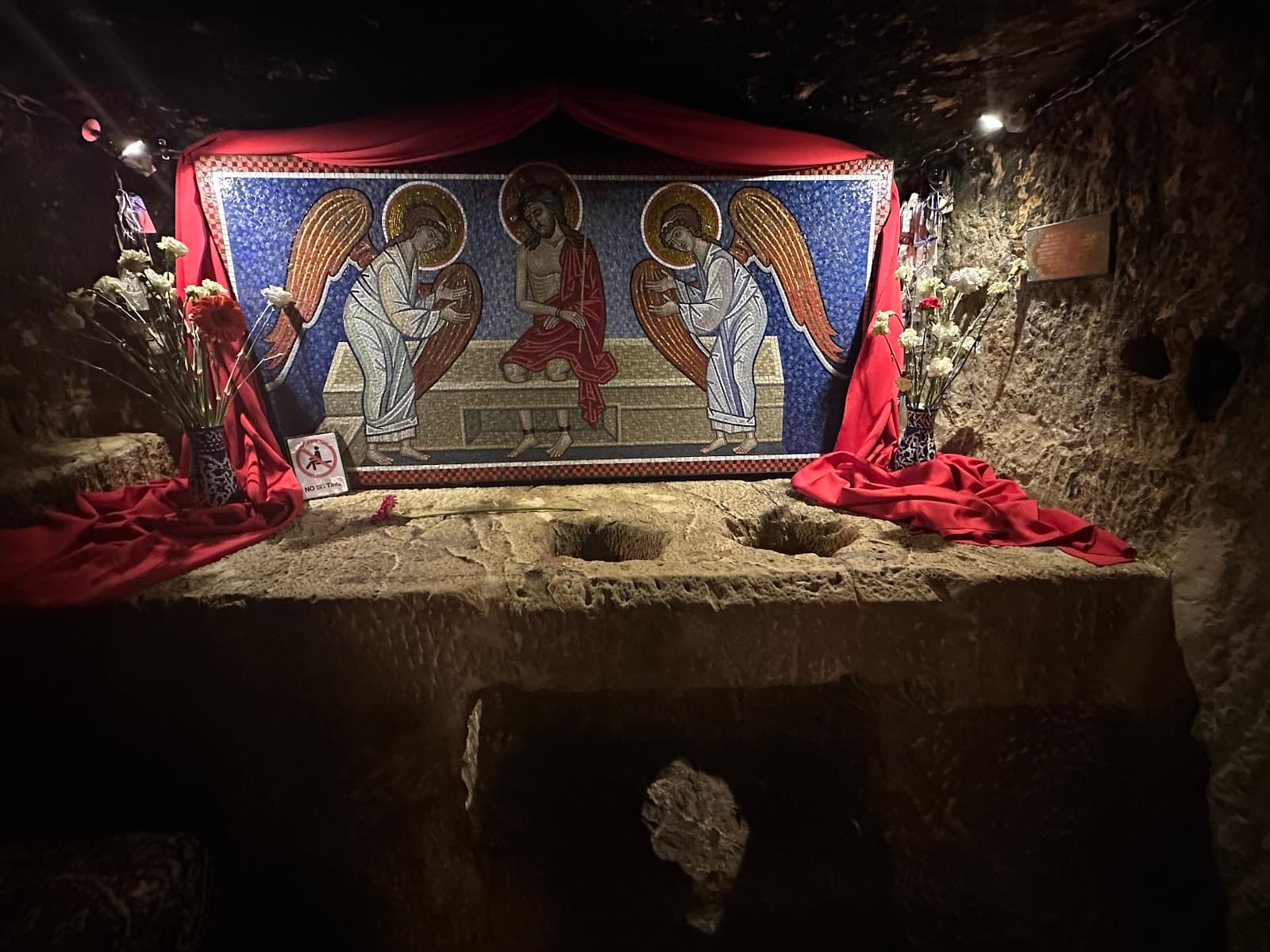
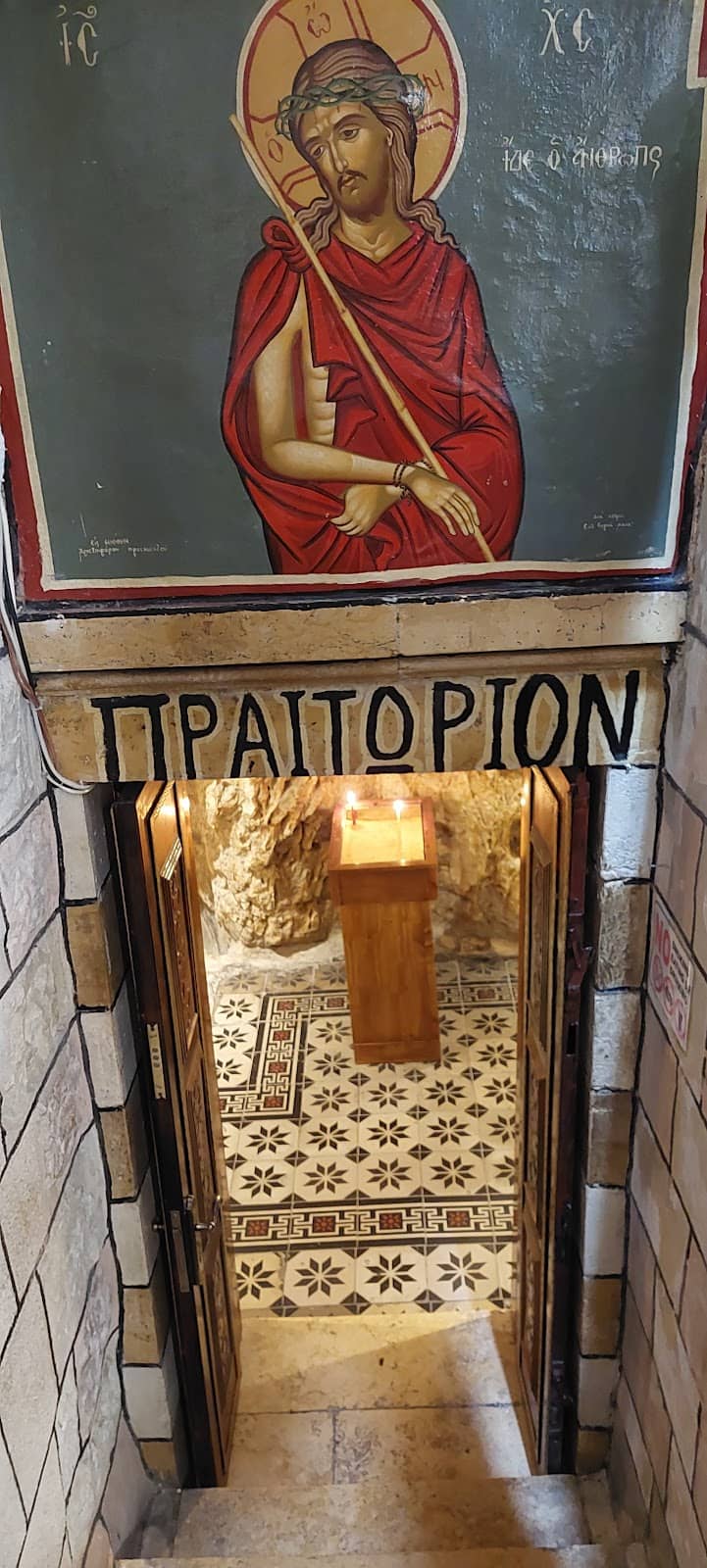
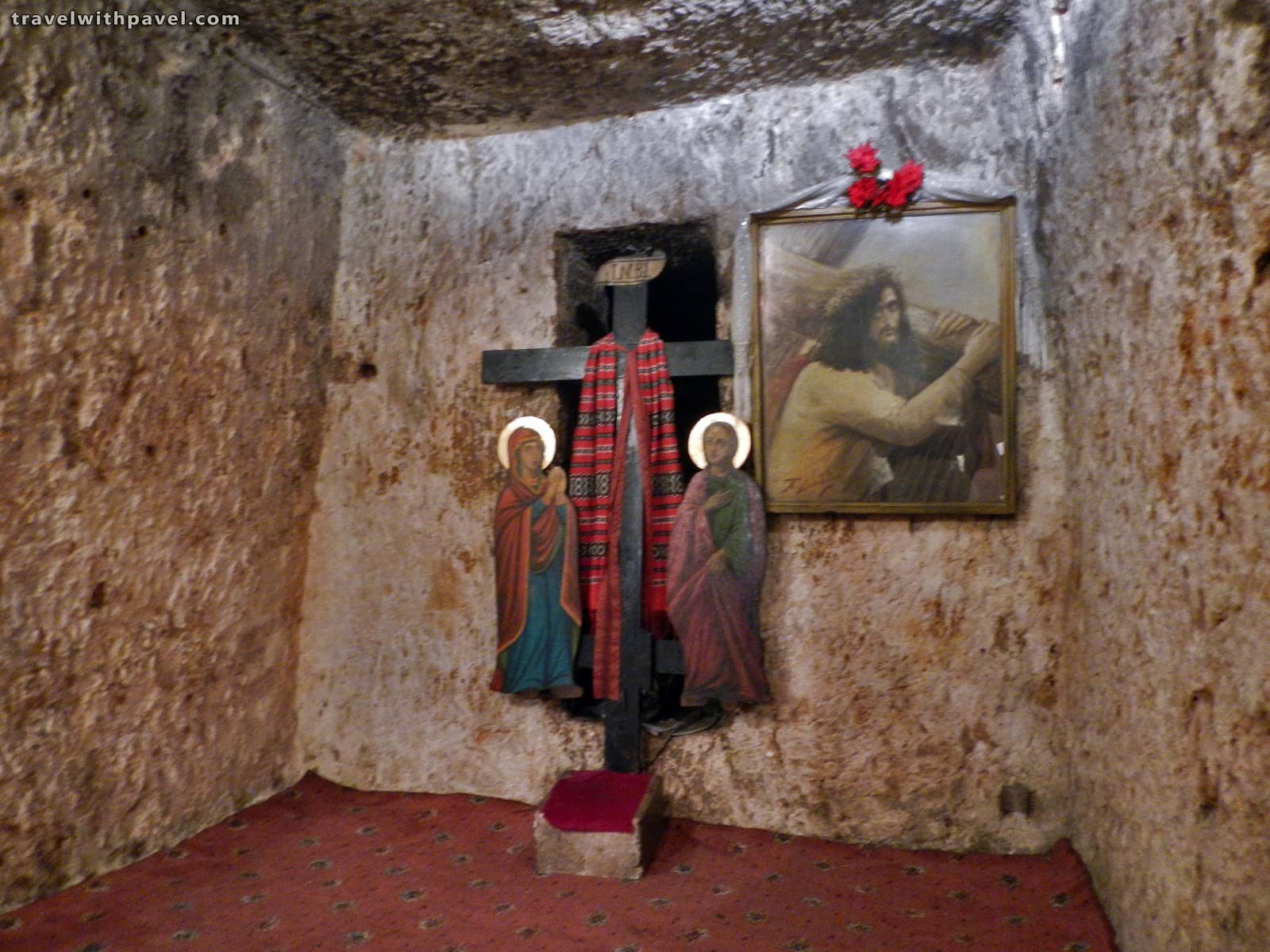
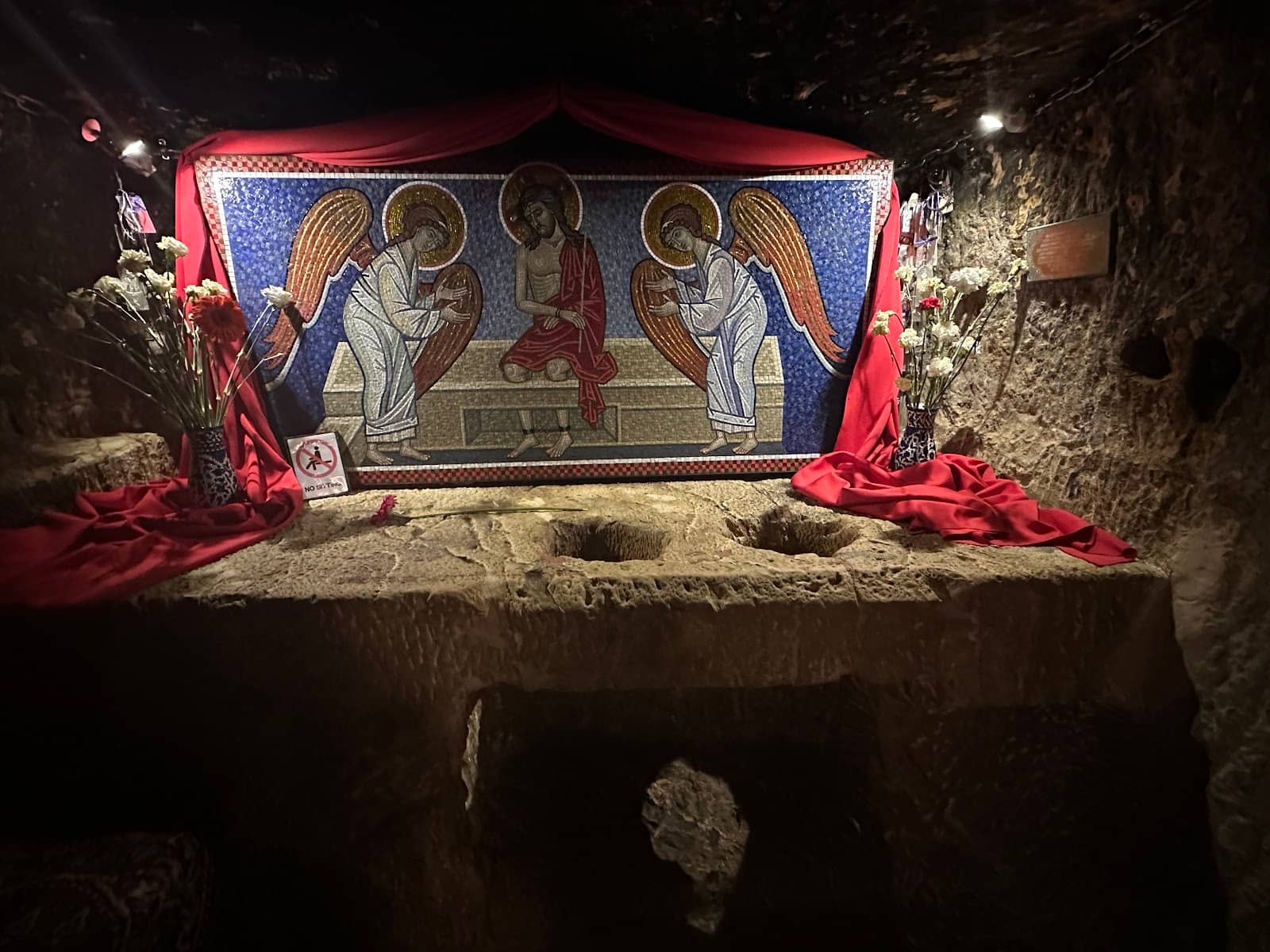
Monastery of the Praetorium
Via Dolorosa, Old City, Jerusalem
Explore the supposed prison of Christ and Barabbas, carved into rock. See ancient stonework and feel the weight of history.
Mar Saba Monastery
Kidron Valley, near Bethlehem
One of the oldest continuously inhabited monasteries, perched dramatically in the Judean wilderness.
Monastery of Archangel Michael
Jerusalem
A significant Greek Orthodox monastery in Jerusalem, dedicated to the Archangel Michael.
Monastery St. Mary Magdalene
Jerusalem
A beautiful Orthodox church with stunning architecture, dedicated to Mary Magdalene.
Plans like a pro.
Thinks like you
Planning Your Visit
Respectful Attire is Key
Timing Your Visit for Serenity
Best Times
Insider Tips
from TikTok, Instagram & Reddit
Modest Dress Required
Cover shoulders and knees. Scarves are often available if needed.
Respectful Silence
Maintain a quiet demeanor inside sacred spaces.
Photography Etiquette
Always ask permission before taking photos of icons or people.
Consider a Guided Tour
Gain deeper insights into history and traditions.
Tips
from all over the internet
Modest Dress Required
Cover shoulders and knees. Scarves are often available if needed.
Respectful Silence
Maintain a quiet demeanor inside sacred spaces.
Photography Etiquette
Always ask permission before taking photos of icons or people.
Consider a Guided Tour
Gain deeper insights into history and traditions.
Check Opening Hours
Hours can vary, especially for smaller monasteries.
What Travellers Say
Reviews Summary
Visitors are deeply moved by the historical and spiritual significance of Orthodox churches and monasteries, particularly sites like the Monastery of the Praetorium. The ancient architecture and sacred atmosphere offer a profound connection to Christian heritage. However, some find the strict dress codes and occasional limited access challenging.
"The Prisons of Christ and Barrabas are located in this building. See where both of them were held (supposedly), as well as holes in the rock from where other prisoners were kept. It is right on the Via Dolorosa and I highly recommend stopping in, or spending a few moments praying."
Cinna Baran
"Very nice, can't miss this when walking around the old city. The "Prison of Christ" is located in Via Dolorosa between station # 2 and Station #3 within the Greek monastery, the prison is carved in the rock below the street level. A site where it's believed Jesus was imprisoned before his crucifixion."
Roger Seganti
"The Holy Monastery of the Praetorium, positioned along the Via Dolorosa claims to preserve part of the Roman fortress where Pontius Pilate judged Jesus (the Praetorium). The underground chambers consist of several interconnected caves, with ancient stone walls bearing traces of different historical periods.
The prison area features authentic Roman-era stonework, including the distinctive flagstone with two holes purportedly used for securing prisoners. The Greek Orthodox Church has maintained this site since the medieval period and contains valuable icons and religious artifacts relating to Jesus’ trial and imprisonment."
bogdan alexandru bola
What People Like
What People Dislike
Frequently Asked Questions
🚇 🗺️ Getting There
Many Orthodox churches in Jerusalem are located within the Old City, accessible by foot. For sites like Mar Saba Monastery or Mount Temptation, taxis or organized tours are recommended. +1
Within Jerusalem, buses can get you close to the Old City gates. However, navigating to specific monasteries outside the city walls often requires taxis or tour services.
Most churches have a main entrance. For monasteries like Mar Saba, access might be more restricted or require specific arrangements.
Walking is ideal within the Old City. For longer distances, consider taxis or ride-sharing apps. Some tours cover multiple sites efficiently.
Driving into the Old City is restricted. Parking is available outside the walls, followed by a walk. Monasteries outside the city may have limited parking.
🎫 🎫 Tickets & Entry
Entry to most Orthodox churches is free, though donations are appreciated. Some monasteries or specific sites within them might have a small entrance fee or suggest donations.
Opening hours can vary significantly. Many are open in the morning and then again in the afternoon. It's best to check specific hours for each church or monastery you plan to visit.
Yes, a strict dress code is enforced. Women should cover their shoulders and knees, and men should wear long pants. Head coverings are often required for women.
Most Orthodox monasteries welcome visitors, but it's crucial to respect their rules and quiet atmosphere. Some may have specific visiting hours or require advance notice.
During major Orthodox holidays, access might be limited or the atmosphere very crowded due to services. It's advisable to check in advance if you plan to visit during these times.
🎫 🧭 Onsite Experience
Expect rich iconography, incense, and a deeply spiritual atmosphere. Services may be ongoing, so be mindful and respectful.
Photography policies vary. Many churches prohibit photos of icons or during services. Always look for signs or ask permission before taking pictures.
Yes, some churches and monasteries offer guided tours, often led by knowledgeable locals or clergy, providing historical and religious context.
These are believed to be ancient underground chambers within the Monastery of the Praetorium where Jesus and Barabbas were held before crucifixion.
A quick visit might take 30 minutes, but to truly absorb the atmosphere and history, allow at least an hour, especially if there's a guided tour or service.
📸 📸 Photography
The exteriors often offer stunning architectural shots, especially during golden hour. Inside, focus on the intricate icons and unique religious artifacts, if photography is permitted.
Generally, avoid flash photography and be discreet. Never photograph clergy or worshippers without explicit permission.
A camera with good low-light performance is beneficial, as interiors can be dimly lit. A prime lens with a wide aperture can help capture detail.
Yes, exteriors of monasteries like Mar Saba offer dramatic views, especially from surrounding vantage points.
Early morning and late afternoon provide the best light for capturing the architecture and surrounding landscapes.
For Different Travelers
Tailored advice for your travel style
Pilgrims and Spiritual Seekers
Remember to dress modestly and be prepared for a contemplative atmosphere. Participating in a service, if possible and appropriate, can be a powerful way to connect with the living traditions of Orthodoxy.
History Enthusiasts
Many of these locations have been maintained by Orthodox communities for generations, preserving artifacts and architectural elements that tell stories of faith and resilience through the ages.
Photographers
Be mindful of lighting conditions, especially indoors, and always seek permission before photographing people or specific religious items. The exteriors, particularly during sunrise or sunset, offer stunning vistas.

Deep Dives
In-depth insights and expert knowledge
The Significance of Icons in Orthodox Churches
Visitors will notice icons adorning the walls, iconostases (icon screens), and individual stands throughout the churches. The iconostasis is a particularly striking feature, separating the sanctuary from the nave and often covered with a rich array of icons depicting Christ, the Virgin Mary, saints, and biblical events. The newest museum in Jerusalem's Christian Quarter is set to showcase an amazing collection of ancient icons, highlighting their enduring importance.
When observing icons, take time to appreciate the artistry and the spiritual narrative they convey. Many guides and resources can help decipher their symbolism, enriching your understanding of Orthodox tradition.
Exploring the Via Dolorosa and its Holy Sites
One significant site is the Monastery of the Praetorium, which claims to preserve part of the Roman fortress where Pontius Pilate judged Jesus. Underground chambers reveal ancient stonework, including the flagstone with holes where prisoners were allegedly secured. This site is a powerful reminder of the events leading to the crucifixion.
Visiting these sites requires a contemplative spirit. While the path can be busy, taking moments to pause, pray, and reflect at each station, particularly at the Orthodox sites, can offer a deeply moving connection to Christian history.
Monastic Life in the Judean Wilderness
These monasteries are not just historical relics; they are living communities where monks continue ancient traditions. Access to some of these sites can be challenging, often requiring a journey by car followed by a hike, adding to their mystique and the sense of pilgrimage.
Visitors to these monastic sites are often struck by the profound peace and the stark beauty of the surrounding desert landscape. It’s an opportunity to witness a way of life dedicated to prayer and contemplation, far removed from the bustle of modern life.
Social
from TikTok, Instagram & Reddit