
Konzo-ji
A historic Buddhist temple renowned for its serene Japanese garden and exceptional staff kindness, especially on the Shikoku Pilgrimage route.
Highlights
Must-see attractions

Social
From TikTok & Reddit
Best Time
Fewer crowds, peaceful atmosphere
Konzo-ji
Best Time
Fewer crowds, peaceful atmosphere
Highlights
Must-see attractions
A historic Buddhist temple renowned for its serene Japanese garden and exceptional staff kindness, especially on the Shikoku Pilgrimage route.
"The kindest temple on the route, offering a peaceful sanctuary and warm hospitality."

Kindness of Staff
Staff are exceptionally kind; they once returned lost glasses and offered coffee! :coffee:
Wear Comfortable Shoes
Be prepared for a significant walk to reach the temple. :athletic_shoe:
Highlights
Discover the most iconic attractions and experiences
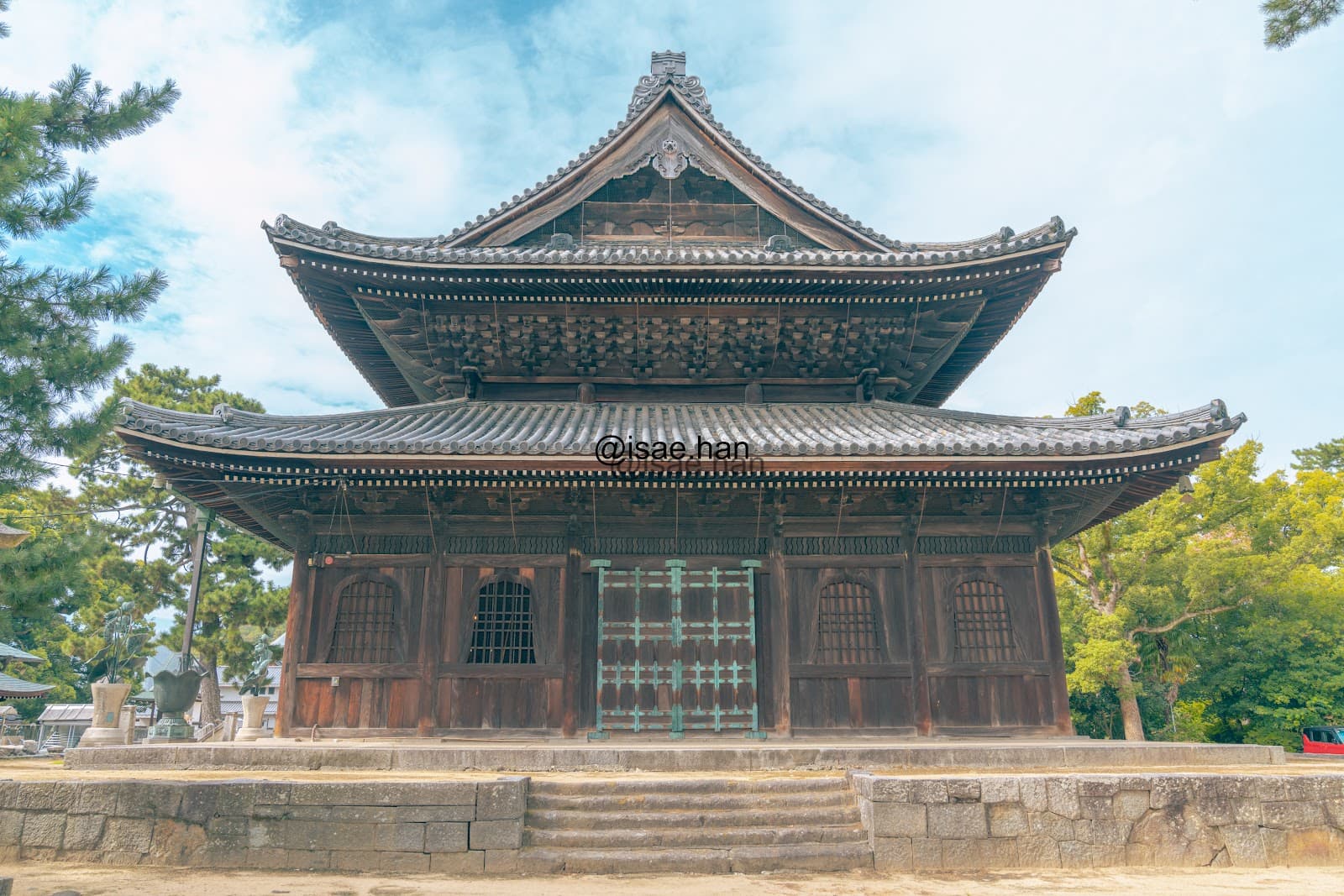
Classic Temple Gate
Main Entrance
A timeless gateway to spiritual serenity, offering a picturesque first impression.
Serene Japanese Garden
Temple Grounds
A meticulously maintained garden providing a peaceful oasis for reflection and appreciation.

Religious Statues & Lanterns
Throughout the temple complex
Intricate stone lanterns and revered statues dot the landscape, adding to the sacred atmosphere.
Autumn Foliage Spectacle
Temple grounds
Vibrant red and gold leaves create a breathtaking natural display during the fall season.
Plans like a pro.
Thinks like you
Planning Your Visit
Timing Your Visit for Tranquility
Navigating to Konzo-ji
Best Times
Insider Tips
from TikTok, Instagram & Reddit
Kindness of Staff
Staff are exceptionally kind; they once returned lost glasses and offered coffee! :coffee:
Wear Comfortable Shoes
Be prepared for a significant walk to reach the temple. :athletic_shoe:
Plan Your Transport
Public transport is complex; consider a taxi or car for easier access. :bus:
Visit During Autumn
The autumn leaves are spectacular and a major draw for visitors. :maple_leaf: 
Tips
from all over the internet
Kindness of Staff
Staff are exceptionally kind; they once returned lost glasses and offered coffee! :coffee:
Wear Comfortable Shoes
Be prepared for a significant walk to reach the temple. :athletic_shoe:
Plan Your Transport
Public transport is complex; consider a taxi or car for easier access. :bus:
Visit During Autumn
The autumn leaves are spectacular and a major draw for visitors. :maple_leaf:
Respectful Visit
This is a place of worship; maintain a quiet and respectful demeanor. :pray:
What Travellers Say
Reviews Summary
Konzo-ji is widely praised for its serene beauty and the exceptional kindness of its staff, who have gone above and beyond for visitors. While the journey can be challenging, the peaceful atmosphere and historical significance make it a rewarding destination, particularly during the stunning autumn foliage season.
"The kindest temple on the route. I left my glasses at temple 75. They collected them, sent them on to my hostel, gave me coffee, Let me sit by the heater."
Kerstin Rodgers aka MsMarmiteLover
"A nice Buddhist temple with the well-deserved reputation as the birthplace temple built by the Buddhist monk who first brought Buddhism to Japan from China in the 800s."
Chung Y. Li
"Great temple with a wonderful Japanese Garden."
Jem Okabe
What People Like
What People Dislike
Frequently Asked Questions
🚇 🗺️ Getting There
Getting to Konzo-ji from Kyoto involves a multi-step journey. You can take a JR train or Hankyu bus to stations like JR Mukomachi Station or Hankyu Arashiyama Station, followed by a local bus and then a walk of about an hour. Alternatively, some visitors opt for a taxi or rental car for more direct access, especially if traveling with luggage.
Yes, Konzo-ji is accessible by public transportation, but it requires several transfers and a considerable amount of walking. The journey can take over an hour from nearby train stations, so it's advisable to check bus schedules in advance and wear comfortable shoes.
From Osaka, you can take a JR train to Kyoto and then follow the Kyoto-specific directions. Another option is to take a Hankyu train to Kyoto. The journey will still involve bus transfers and a walk, so planning your route is essential.
Yes, there are parking facilities available at Konzo-ji Temple, which can be a convenient option if you are traveling by car. However, the roads leading to the temple can be narrow, so drive with caution.
The walk from the nearest bus stop to Konzo-ji Temple can take approximately one hour. If you are arriving by train, you will likely need to take a bus first, adding to the overall travel time.
🎫 🎫 Tickets & Entry
Konzo-ji Temple operates on a donation basis for entry. Visitors are encouraged to make a voluntary contribution, often referred to as 'Osen' (offerings), to support the temple's upkeep.
Konzo-ji Temple is typically open from 8:00 AM to 5:00 PM. It's always a good idea to check for any seasonal changes or special closures before your visit.
Yes, you can visit Konzo-ji Temple on weekends. However, be aware that weekends, especially during peak seasons like autumn, tend to be more crowded.
No, advance booking is not required for Konzo-ji Temple as entry is based on voluntary donations. You can simply arrive during opening hours and make your offering.
While not explicitly detailed in the provided information, many temples in Japan hold special services or events. It's best to check the temple's official website or local listings for any upcoming events.
📸 📸 Photography
Photography is generally allowed at Konzo-ji Temple, allowing visitors to capture its beauty. However, always be mindful of any posted signs regarding photography restrictions in specific areas, especially inside prayer halls.
The classic temple gate, the serene Japanese garden, and the vibrant autumn foliage (if visiting in season) are highly recommended for photography. The stone lanterns and religious statues also offer unique photographic opportunities.
Drone usage is typically restricted at religious sites and historical landmarks to ensure the safety and tranquility of visitors and the preservation of the site. It's best to assume drones are not permitted unless explicitly stated otherwise.
Early mornings offer softer light and fewer people, making it ideal for photography. During autumn, the golden hour just before sunset can also provide beautiful lighting for the colorful leaves.
A versatile lens, such as a 24-70mm equivalent, is great for capturing both wide shots of the temple grounds and details of the statues and garden. A wide-angle lens can be useful for the gate and garden vistas.
🎫 🚶 Onsite Experience
The walk to Konzo-ji Temple from the nearest bus stop is about an hour. Once inside, the temple grounds involve walking on paths, some of which can be narrow and slippery, especially after rain.
Due to the walking involved and potentially uneven terrain, Konzo-ji Temple may present challenges for visitors with significant mobility issues. The path can be narrow and slippery, particularly in wet conditions.
Konzo-ji is a historic temple, noted as the birthplace temple built by the Buddhist monk who first brought Buddhism to Japan from China in the 800s. It's also recognized as temple #76 on the Shikoku Pilgrimage.
While specific amenities aren't detailed, most temples in Japan provide basic facilities. It's advisable to use restrooms before you arrive or be prepared for simple facilities. The temple staff are known for their kindness and may offer a place to rest.
Konzo-ji is designated as temple number 76 on the Shikoku Pilgrimage, a significant spiritual journey for many Buddhist devotees. Pilgrims often visit Konzo-ji as part of their route.
For Different Travelers
Tailored advice for your travel style
👨👩👧 Families with Kids
+1While the historical and religious aspects might be less engaging for very young children, the natural beauty of the garden and the unique architecture can still capture their attention. Consider visiting during pleasant weather and perhaps making it a part of a larger day trip where other activities are available to balance the experience.
🚶 Pilgrims and Spiritual Seekers
Pilgrims can expect a contemplative atmosphere, ideal for prayer and reflection. The temple's historical significance as a place of worship and its role in the pilgrimage route make it a deeply meaningful stop. Be prepared for the walk to the temple, which is part of the overall pilgrimage experience.
📸 Photographers and Art Lovers
+2For the best shots, aim for early morning light to avoid crowds and capture the serene ambiance. The temple's traditional architecture and natural surroundings provide a beautiful backdrop for capturing the essence of Japanese aesthetics. Consider bringing a versatile lens to capture both wide vistas and intricate details.
Deep Dives
In-depth insights and expert knowledge
The Shikoku Pilgrimage and Konzo-ji
+2Many pilgrims arrive at Konzo-ji after a long day of walking, often finding solace and support from the temple's kind staff. The temple's reputation for hospitality, including instances of returning lost items and offering warm welcomes, is well-documented among those who have undertaken the pilgrimage. This sense of community and care enhances the spiritual experience for those on the path.
While the pilgrimage is a primary reason for many visits, Konzo-ji also attracts those seeking a peaceful retreat and an appreciation for Japanese culture and history. The temple's beautiful grounds, including its garden and traditional architecture, offer a tranquil escape from the everyday.
+1Navigating the Journey to Konzo-ji
This journey highlights the temple's secluded location, which contributes to its tranquil atmosphere but also presents a logistical challenge for some visitors. Travelers have noted that the roads can be narrow, and the walk can be demanding, especially if carrying luggage or if the weather is inclement.
+1Given the complexities of public transport, many visitors consider alternative options such as taxis or rental cars for a more direct and comfortable journey. This is particularly recommended for those with limited time or who prefer a more convenient travel experience.
Seasonal Beauty at Konzo-ji
+2Beyond autumn, the temple offers a serene experience throughout the year. Spring brings pleasant weather and blooming flora, while the lush greenery of summer provides a tranquil setting for contemplation. Even on rainy days, the temple can possess a unique, atmospheric charm, with the rain adding a contemplative mood to the surroundings.
Visitors are encouraged to plan their trips to coincide with these beautiful seasons, though it's important to note that peak seasons, especially autumn, can also mean larger crowds. Experiencing Konzo-ji in different seasons offers a unique perspective on its enduring beauty and spiritual significance.
+1


Social
from TikTok, Instagram & Reddit