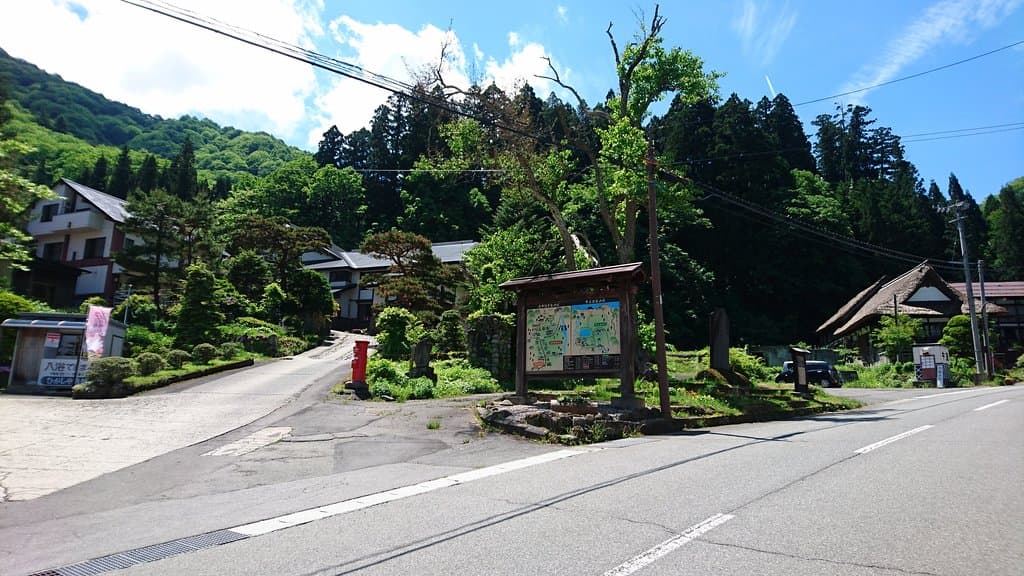
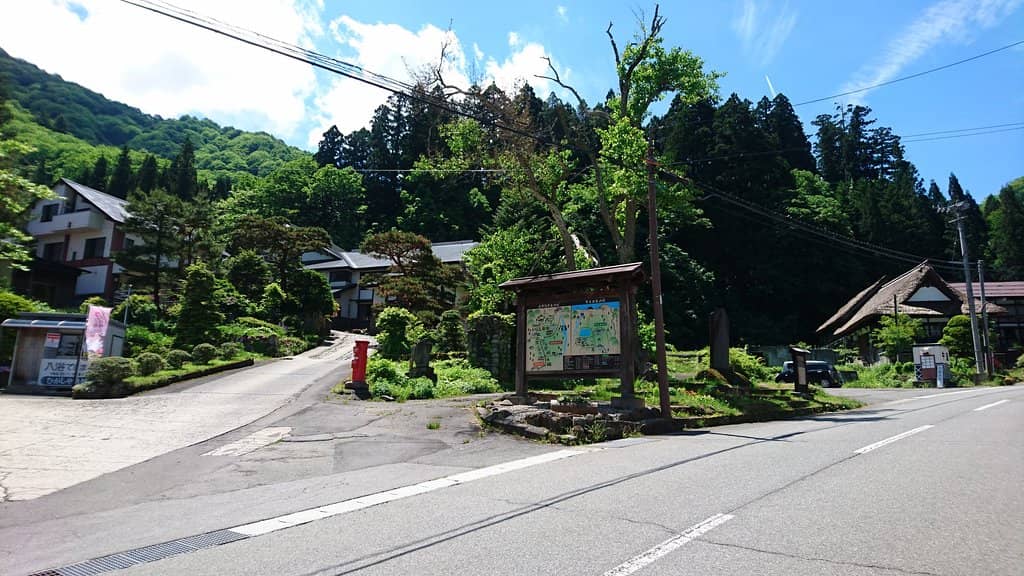
Shirabu Onsen
Shirabu Onsen: A tranquil mountain hot spring resort renowned for its therapeutic waters and traditional ryokan stays, offering a serene escape into n...
Highlights
Must-see attractions

Social
From TikTok & Reddit
Best Time
Vibrant fall colors
Shirabu Onsen
Best Time
Vibrant fall colors
Highlights
Must-see attractions
Shirabu Onsen: A tranquil mountain hot spring resort renowned for its therapeutic waters and traditional ryokan stays, offering a serene escape into nature.
"The ultimate relaxation destination, where healing waters meet serene mountain landscapes."
♨️ Bring your own towel
Many ryokans offer towels for a fee, so packing your own saves money. :moneybag:
🚶♀️ Stroll at your own pace
The charm of Shirabu Onsen is its peaceful atmosphere. Enjoy leisurely walks and soak it all in. :camerawithflash:
Highlights
Discover the most iconic attractions and experiences
Outdoor Bathing Experience
Various Ryokans
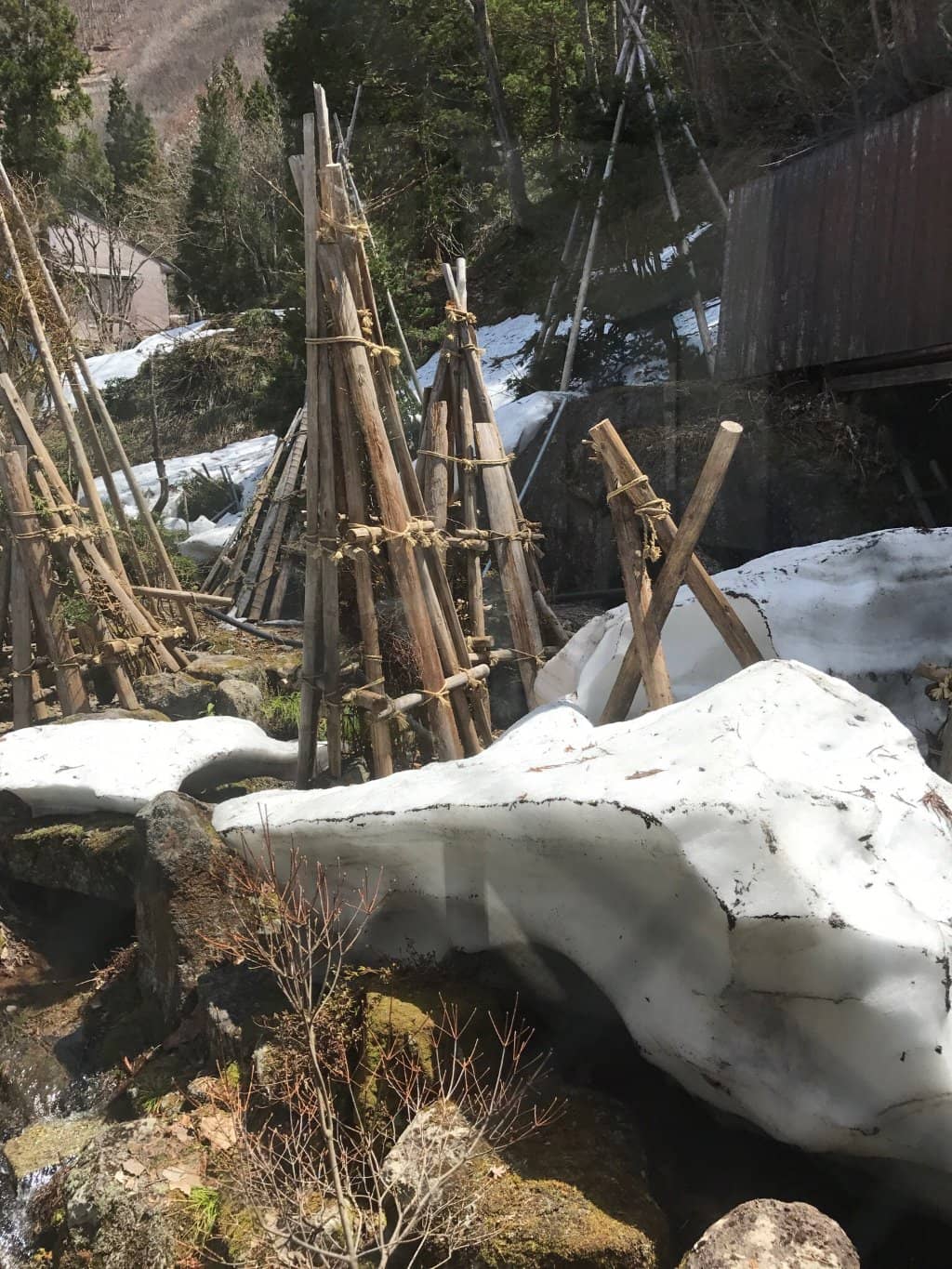
Immerse yourself in natural hot springs surrounded by lush greenery or snow-covered landscapes. Pure bliss!
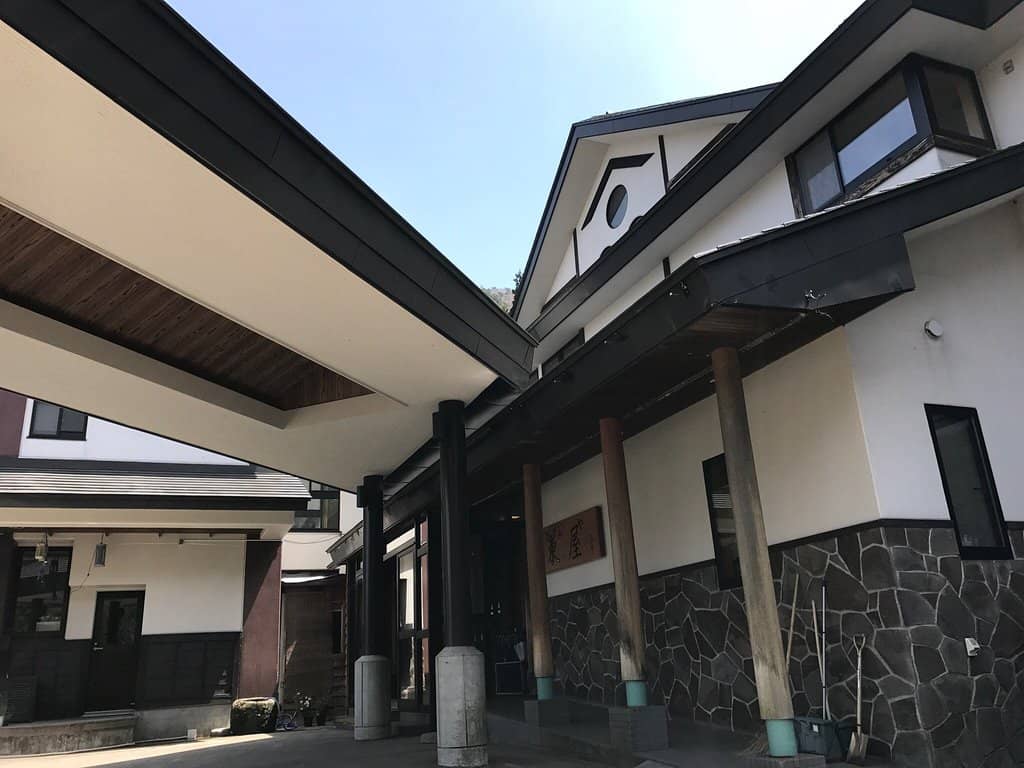
Traditional Ryokan Stay
Throughout Shirabu Onsen
Experience authentic Japanese hospitality, tatami rooms, and exquisite kaiseki meals.
Scenic Nature Walks
Surrounding Forests
Explore tranquil walking trails offering beautiful views and fresh mountain air.
Plans like a pro.
Thinks like you
Planning Your Visit
Embrace the Serenity
Getting There & Around
Best Times
Insider Tips
from TikTok, Instagram & Reddit
♨️ Bring your own towel
Many ryokans offer towels for a fee, so packing your own saves money. :moneybag:
🚶♀️ Stroll at your own pace
The charm of Shirabu Onsen is its peaceful atmosphere. Enjoy leisurely walks and soak it all in. :camerawithflash:
🛏️ Book ryokan early
Popular ryokans fill up quickly, especially during peak seasons. Plan ahead! :calendar:
Tips
from all over the internet
♨️ Bring your own towel
Many ryokans offer towels for a fee, so packing your own saves money. :moneybag:
🚶♀️ Stroll at your own pace
The charm of Shirabu Onsen is its peaceful atmosphere. Enjoy leisurely walks and soak it all in. :camerawithflash:
🛏️ Book ryokan early
Popular ryokans fill up quickly, especially during peak seasons. Plan ahead! :calendar:
What Travellers Say
Reviews Summary
Visitors rave about the deeply relaxing and therapeutic hot springs at Shirabu Onsen, often highlighting the serene natural setting and the authentic ryokan experience. The exquisite kaiseki meals are frequently praised. Some guests note that dining options outside of ryokans are limited and that the journey can be a bit time-consuming.
What People Like
What People Dislike
Frequently Asked Questions
🚇 🗺️ Getting There
The most common route involves taking the Shinkansen (bullet train) from Tokyo to Fukushima Station, then transferring to a local train on the JR Ou Line towards Shiroishi. From Shiroishi Station, you'll need to take a bus or taxi to reach Shirabu Onsen. The entire journey can take around 3-4 hours.
Shirabu Onsen is a relatively compact area, and most visitors find it best explored on foot. There are local buses that connect the main points, but walking allows you to fully appreciate the serene environment.
Winter travel requires caution. Ensure your train and bus schedules are confirmed, as snow can sometimes cause delays. Driving is possible, but winter tires are essential, and road conditions should be checked regularly.
Direct airport transfers are not common. You'll typically need to make your way from the airport (e.g., Narita or Haneda) to Tokyo Station to catch the Shinkansen, as described above.
Yes, a Japan Rail Pass can cover the Shinkansen and JR local train portions of your journey to Shiroishi Station. However, it will not cover the final bus or taxi ride to Shirabu Onsen itself.
🎫 🎫 Tickets & Entry
Shirabu Onsen is a hot spring resort town, not a ticketed attraction. You do not need an entry ticket to wander around the town. However, you will need to pay for accommodation at a ryokan or for day-use access to specific onsen facilities.
Onsen facilities within ryokans are usually accessible to guests throughout their stay. For day-use onsen, hours can vary, but they often open around 10 AM and close between 5 PM and 9 PM. It's best to check with individual establishments.
Day-use onsen fees typically range from ¥800 to ¥2,000 per person, depending on the facility and what amenities are included. Some may offer private baths for an additional charge.
Yes, most ryokans in Shirabu Onsen can be booked online through major travel websites like Booking.com, Agoda, or directly through the ryokan's own website if they have one.
While not as common as in larger onsen towns, some ryokans might offer packages that include multiple meals and onsen access. It's worth inquiring directly with your chosen accommodation about any special deals.
🎫 🏞️ Onsite Experience
The primary draw of Shirabu Onsen is its collection of natural hot springs, renowned for their therapeutic properties. Visitors come to relax, soak in the mineral-rich waters, and enjoy the peaceful mountain scenery.
Besides enjoying the onsen, you can take scenic walks through the surrounding forests, savor traditional Japanese cuisine (kaiseki), and experience a stay in a traditional ryokan. Some ryokans may also offer cultural activities.
Absolutely. Shirabu Onsen is an ideal destination for solo travelers seeking peace and relaxation. The tranquil environment and focus on wellness make it a perfect place to unwind and recharge.
You'll typically be provided with a yukata (light cotton kimono) at your ryokan to wear around the premises. For the bath itself, you'll be expected to be nude. Small modesty towels are usually provided for use in the bathing area.
While not guaranteed, many ryokans catering to international tourists will have some staff who can communicate in English. Having a translation app on your phone can be helpful for any communication gaps.
🍽️ 🍽️ Food & Dining
Most ryokans offer exquisite kaiseki dinners, a multi-course haute cuisine meal showcasing seasonal ingredients and local specialties. Breakfast is also typically included and is a traditional Japanese set meal.
The dining options outside of ryokans are limited, as Shirabu Onsen is a small, tranquil resort. Some small local eateries might be available, but the ryokan dining experience is usually the highlight.
It's highly recommended to inform your ryokan of any dietary restrictions, including vegetarian or vegan needs, well in advance when booking. While they will do their best, Japanese cuisine often relies heavily on fish and dashi.
Local specialties often include fresh river fish, mountain vegetables, and regional sake. Your kaiseki meals will likely feature these ingredients prepared with great care.
Dining at ryokans is usually included in the accommodation price and is considered a premium experience. If you find external restaurants, prices can vary, but expect them to be moderate to high given the remote location.
📸 📸 Photography
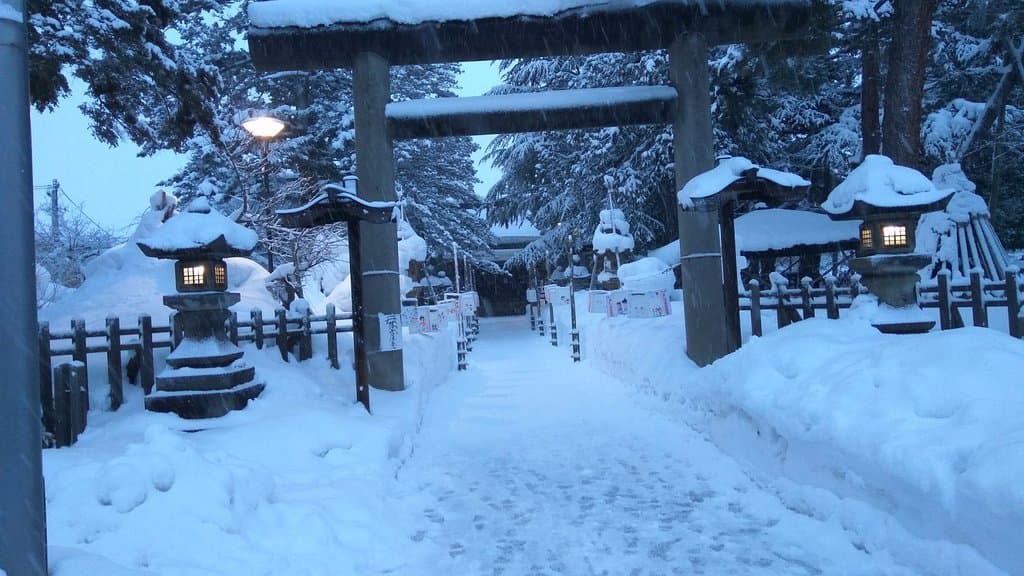
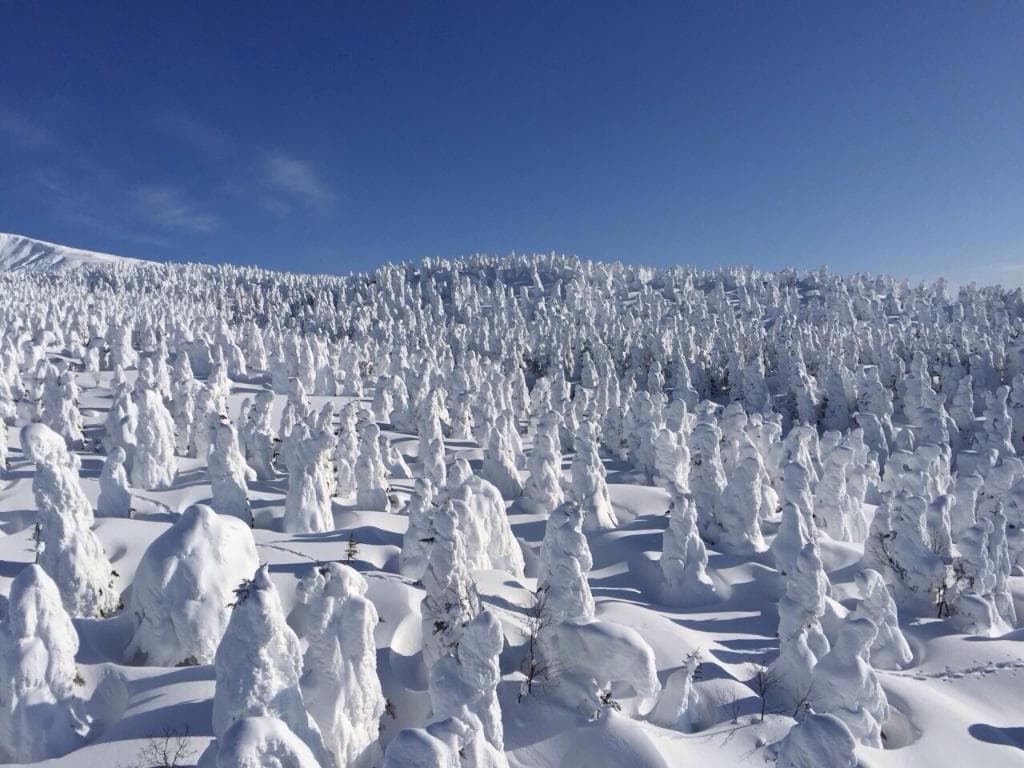
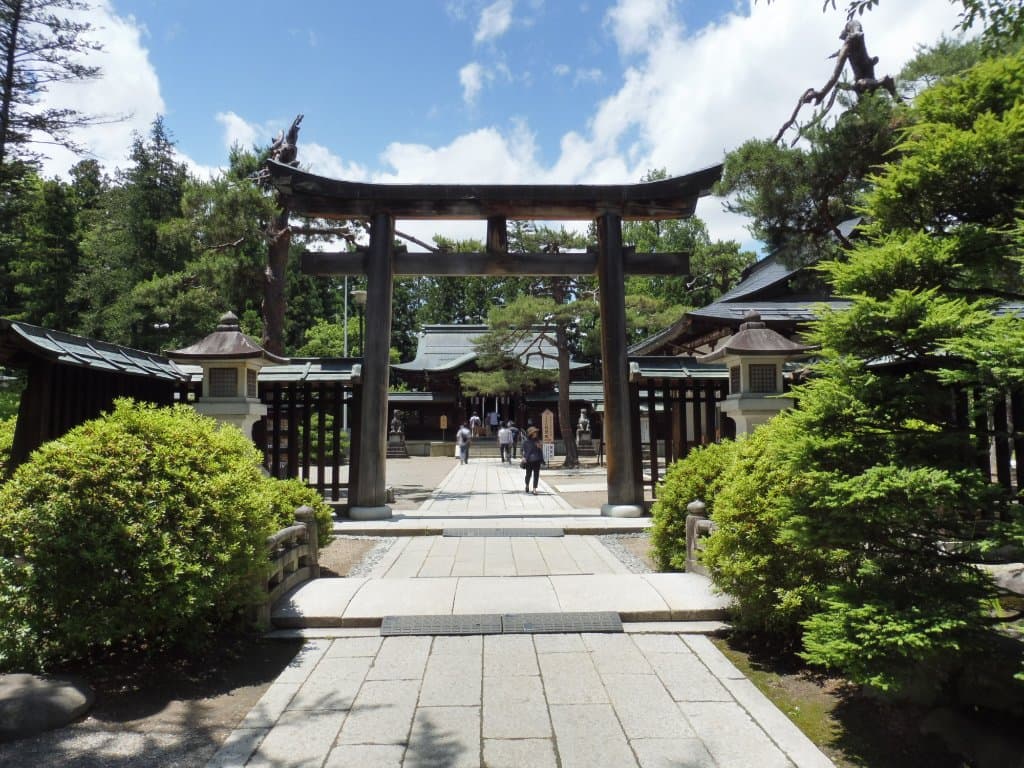
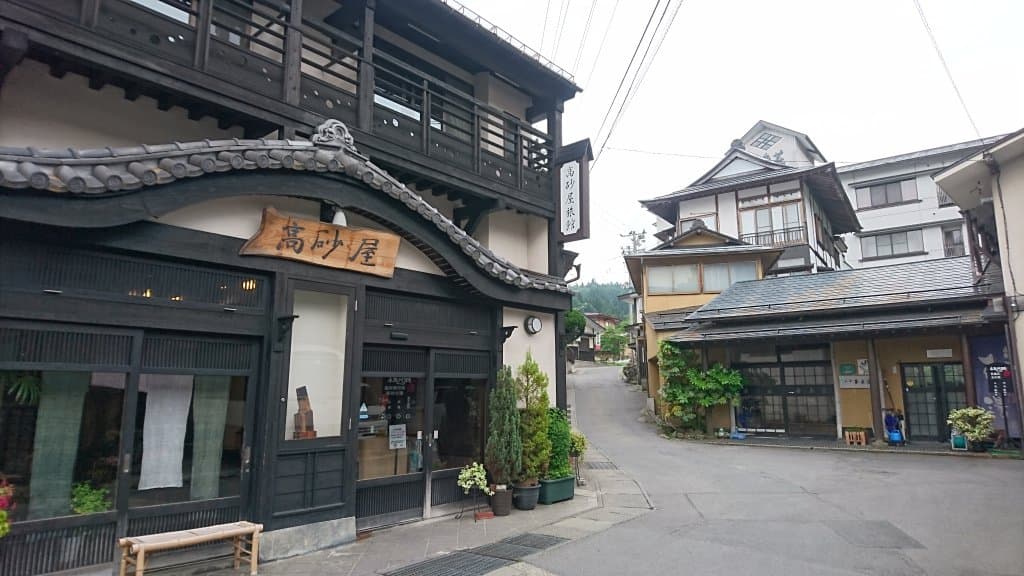
The best photo opportunities are the scenic views of the hot spring baths nestled in nature, the traditional architecture of the ryokans, and the surrounding forests, especially during autumn or with a dusting of snow.
Generally, photography is strictly prohibited inside the communal onsen bathing areas for privacy reasons. Always check for signage or ask staff before taking any photos. Private onsen baths might have more leniency, but it's best to confirm.
Early mornings or late afternoons offer the best light for photography, creating a soft, atmospheric glow. Sunrise and sunset can be particularly magical, especially with mist rising from the hot springs.
A standard camera or smartphone is sufficient. However, if you plan to photograph in potentially damp areas, a water-resistant camera or protective case is advisable. Tripods might be restricted in certain areas, so a stable hand or a small, portable tripod is recommended.
Always be respectful of other guests' privacy. Avoid photographing people without their explicit consent. Be mindful of where you are taking photos, especially near private accommodations or sacred areas.
For Different Travelers
Tailored advice for your travel style
👨👩👧 Families with Kids
🧘♀️ Solo Travelers Seeking Peace
🌸 Couples Seeking Romance
Deep Dives
In-depth insights and expert knowledge
The Healing Waters of Shirabu Onsen
Visitors often describe the water as exceptionally soft and smooth, leaving the skin feeling refreshed. The natural setting enhances the healing properties, with the sounds of nature and the fresh mountain air contributing to a profound sense of relaxation. It's not just about the physical benefits; the mental and spiritual aspects of soaking in these ancient waters are equally significant, providing a true escape from the stresses of modern life.
When visiting, remember that onsen etiquette is important. This includes washing thoroughly before entering the bath, not wearing swimwear, and being mindful of noise levels. Respecting these customs ensures a pleasant experience for everyone and honors the traditions of Japanese onsen culture.
Experiencing a Traditional Ryokan Stay
Upon arrival, you'll typically be greeted with tea and sweets. Your room will be a minimalist space designed for tranquility, often with sliding shoji doors and a low table. The highlight for many is the kaiseki dinner, a meticulously prepared multi-course meal that is as much a feast for the eyes as it is for the palate. This culinary journey showcases seasonal ingredients and local delicacies, served with impeccable attention to detail.
Beyond the meals and rooms, the ryokan experience is about embracing a slower pace of life. Enjoying the onsen, wearing a yukata (cotton kimono), and simply relaxing in the peaceful ambiance are key. Many ryokans are family-run, offering a personal touch and a deeper connection to Japanese culture. Booking in advance is crucial, as popular ryokans are highly sought after.


Social
from TikTok, Instagram & Reddit