Kamiyodo Hakuhō-no-Oka Museum
Discover ancient Japanese history through meticulous restoration exhibits and explore the Kamiyodo Temple Ruins.
Highlights
Must-see attractions

Social
From TikTok & Reddit
Best Time
Fewer crowds, more reflection
Kamiyodo Hakuhō-no-Oka Museum
Best Time
Fewer crowds, more reflection
Highlights
Must-see attractions
Discover ancient Japanese history through meticulous restoration exhibits and explore the Kamiyodo Temple Ruins.
"A bargain at 310 yen, this museum offers profound insights into ancient Japanese art and history."
🎟️ Affordable Entry
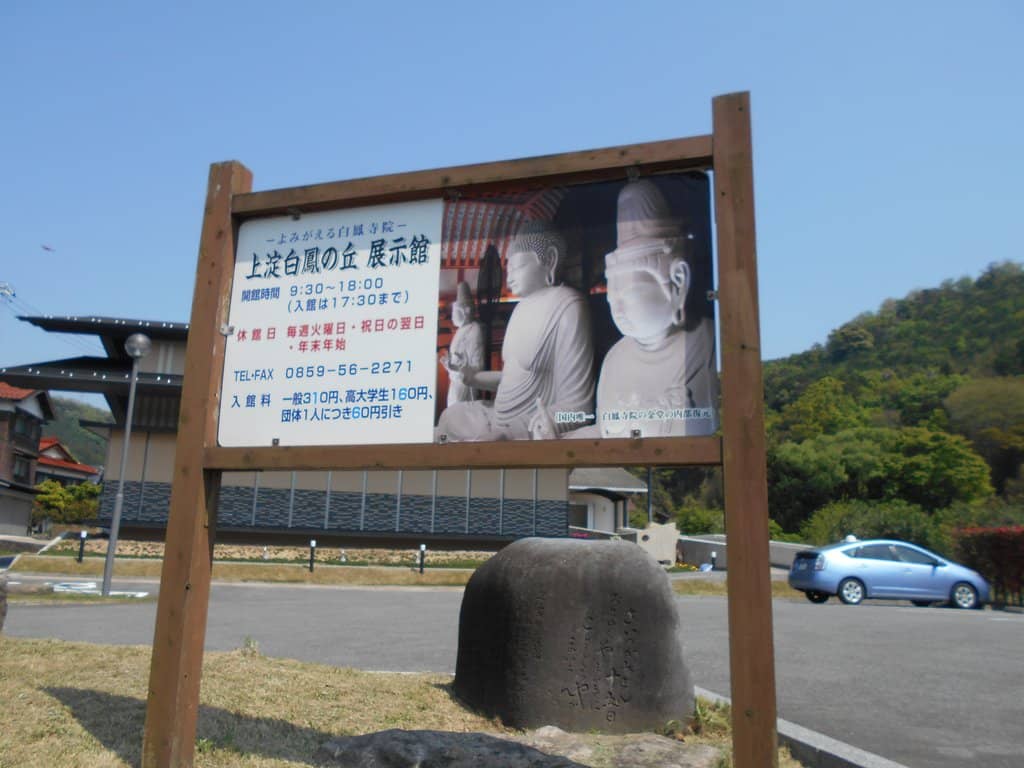
Don't let the low 310 yen fee fool you; the historical insights are immense. Worth every yen!
🚗 Free Parking Available
Convenient free parking makes getting here a breeze.
Highlights
Discover the most iconic attractions and experiences
Kamiyodo Temple Ruins
Adjacent to the museum
Explore the remnants of an ancient temple, offering a tangible link to Japan's historical past.
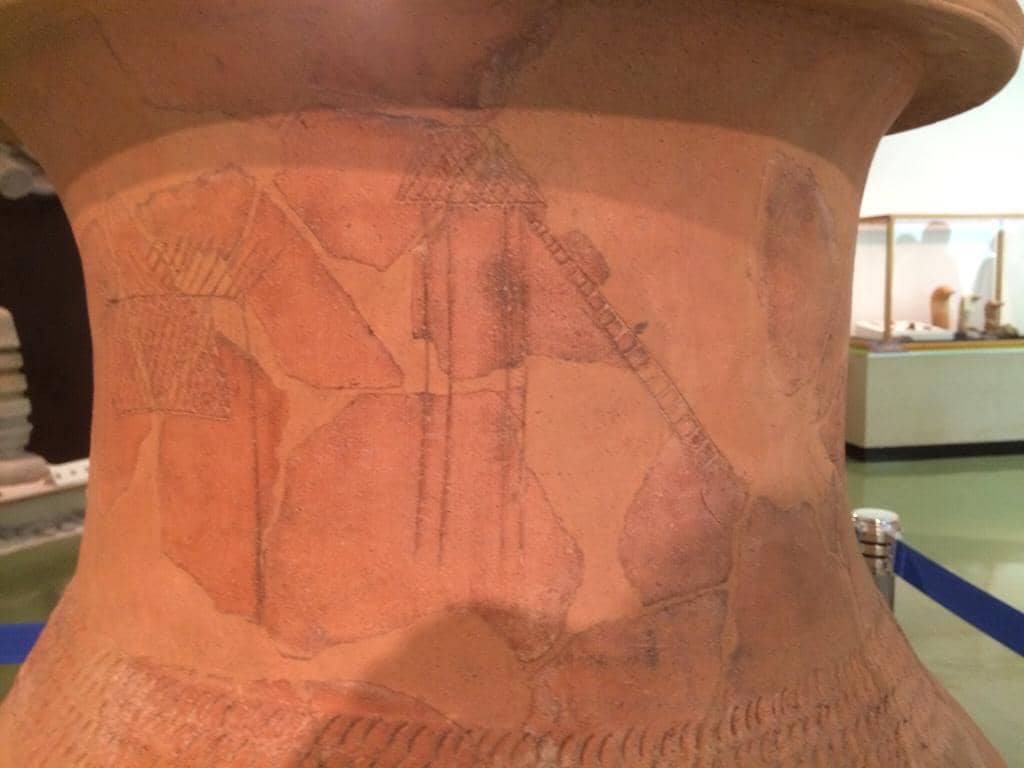
Restored Murals & Statues
Museum exhibition halls
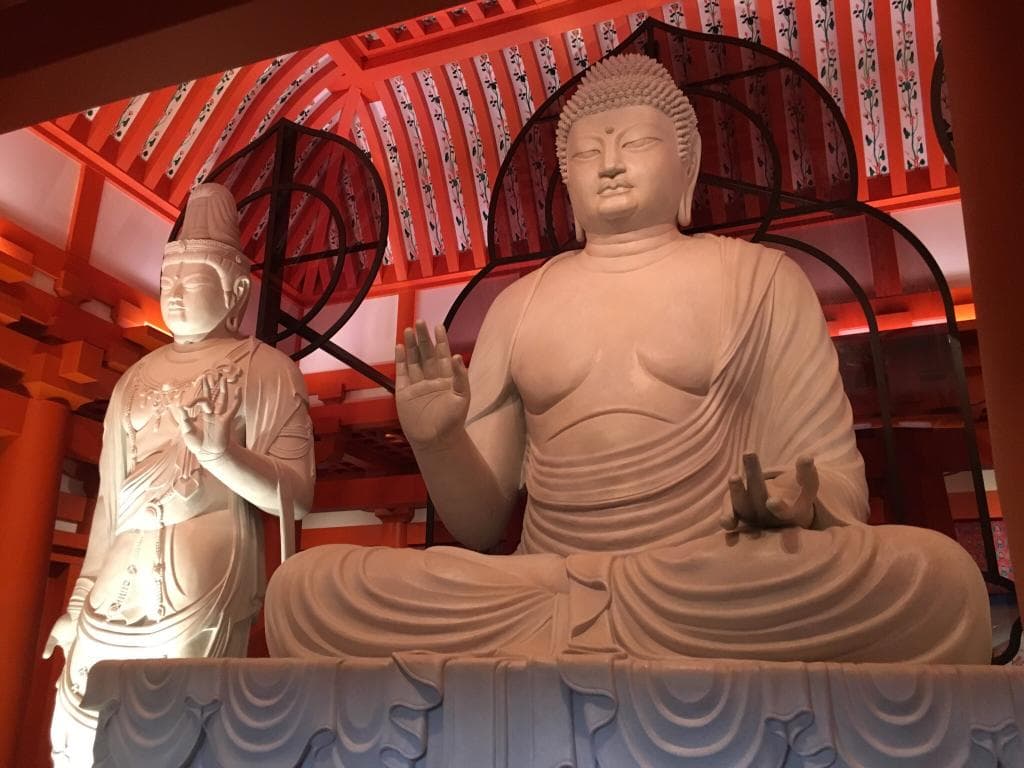
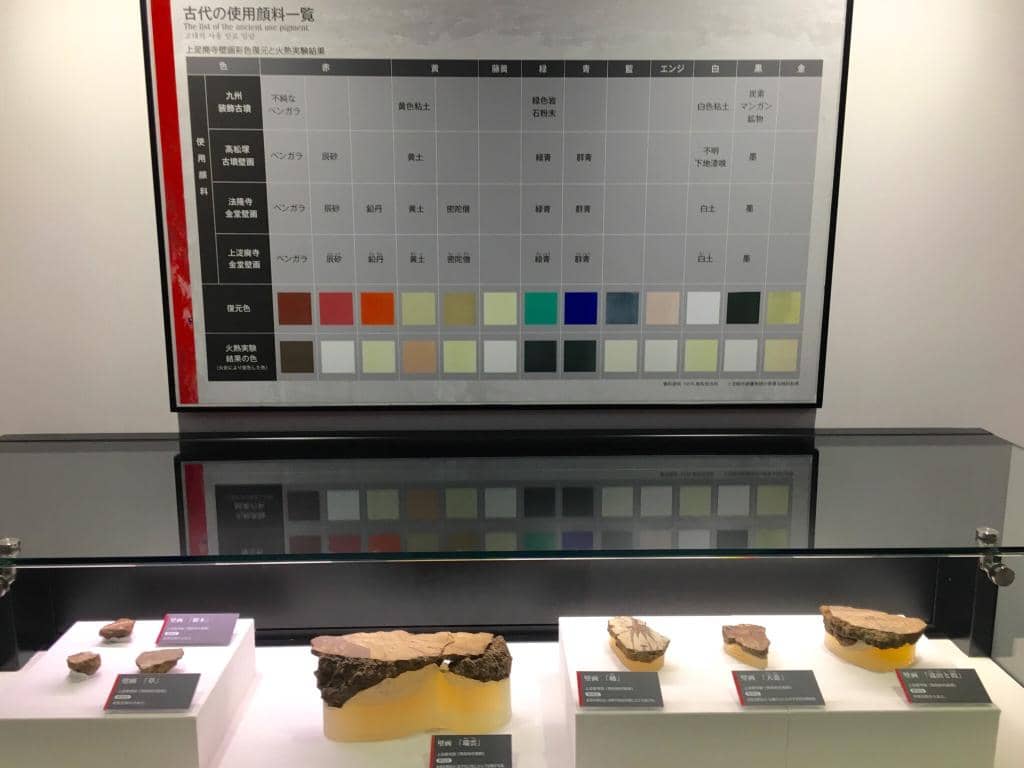
Witness the incredible effort and artistry behind the restoration of ancient murals and Buddhist statues.
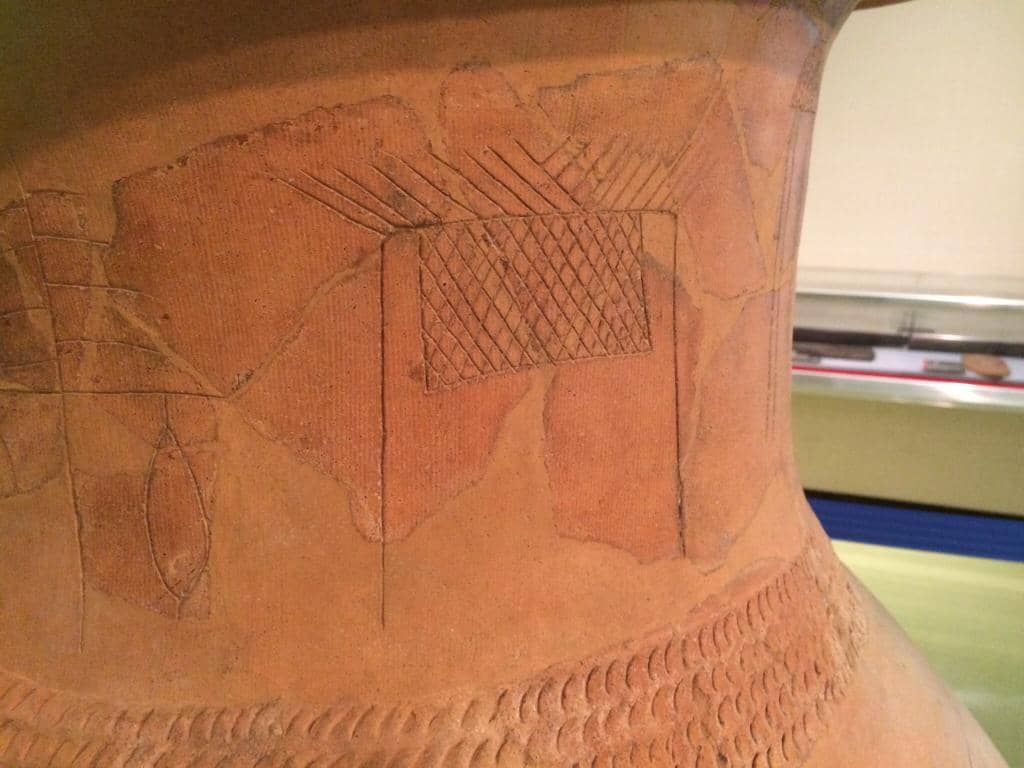
Kofun Period Stone Horse
Museum display
See a replica of a fascinating stone horse, a relic from the ancient Kofun period, hinting at regional importance.
Plans like a pro.
Thinks like you
Planning Your Visit
Ancient Wonders & Modern Insights
Value and Accessibility
Best Times
Insider Tips
from TikTok, Instagram & Reddit
🎟️ Affordable Entry
Don't let the low 310 yen fee fool you; the historical insights are immense. Worth every yen!
🚗 Free Parking Available
Convenient free parking makes getting here a breeze.
🏛️ Museum First, Then Ruins
Visit the museum before the actual ruins for context and a deeper appreciation.
♨️ Relaxing Hot Springs Nearby
Unwind at the nearby hot spring facilities after your historical exploration.
Tips
from all over the internet
🎟️ Affordable Entry
Don't let the low 310 yen fee fool you; the historical insights are immense. Worth every yen!
🚗 Free Parking Available
Convenient free parking makes getting here a breeze.
🏛️ Museum First, Then Ruins
Visit the museum before the actual ruins for context and a deeper appreciation.
♨️ Relaxing Hot Springs Nearby
Unwind at the nearby hot spring facilities after your historical exploration.
📸 Photography Restrictions
Note that photography may be restricted in some exhibition halls, but strobes are generally not allowed.
What Travellers Say
Reviews Summary
Visitors find the Kamiyodo Hakuhō-no-Oka Museum to be an incredibly valuable experience, especially given its low admission fee. The museum's detailed display of the restoration process for ancient murals and statues is highly praised, offering a deep appreciation for historical craftsmanship. While photography may be restricted, the overall historical immersion and the proximity to ancient ruins and relaxing hot springs make it a highly recommended stop.
"Before visiting the Kamiyodo Temple Ruins and the surrounding burial mounds, I asked the museum staff about the estimated travel time and whether there was anyone available to provide an explanation.
On the day, I asked if I could see the stone horses. Fortunately, they asked if I was the person who had asked before, and I was able to see the Kamiyodo Temple Ruins and the stone horses.
The museum displays the process from the major discovery at the Kamiyodo Temple Ruins to its restoration.
The restored remains are, of course, magnificent, but I also felt the effort and wisdom of the people who worked so carefully and meticulously over the years."
ebi gura
"There is an entrance fee of about 310 yen, but it is worth it.
Most exhibition halls like this do not allow photography, but the fact that strobes are not allowed seems to be a realistic practice.
There is a stone horse that is thought to be from the Kofun period and is apparently a replica, but I think what is interesting about this region is that things from such ancient times remain.
There are also Buddhist statues on display, but these are just for atmosphere and are undecorated, with no surface treatment and a bare look.
As it is an exhibition hall, perhaps they refrained from making the Buddhist theme too obvious.
There are also hot spring facilities near the exhibition hall, which make for a relaxing place."
小杉T
"This is the museum for the ancient Kamiyodo Temple Ruins. Admission is a bargain at just 310 yen. It's a great place to visit first, then see the ruins of the temple. It's a place where you can immerse yourself in the romance of ancient times."
海賊JOKER
What People Like
What People Dislike
Frequently Asked Questions
🚇 🗺️ Getting There
The museum is accessible by car, with free parking available. Public transport options might require local bus connections from nearby stations. It's recommended to check local transit schedules in advance.
Yes, there is convenient free parking available for visitors.
Absolutely! The museum is designed to be visited before exploring the actual Kamiyodo Temple Ruins, which are located nearby.
Visiting the museum first provides historical context. Afterwards, explore the temple ruins and the ancient burial mounds across the road.
Yes, Tsumagibanda Historical Park is also wonderful and showcases the region's prosperity from the Yayoi period through to the Nara and Asuka periods.
🎫 🎫 Tickets & Entry
The admission fee is very affordable, around 310 yen, making it a great value for the historical insights provided.
Advance booking is generally not required for the museum. Tickets can be purchased upon arrival.
Information on specific discounts is not widely available, but the standard admission fee is already very low.
Opening hours can vary, so it's advisable to check the official museum website or local listings before your visit.
Photography may be restricted in certain exhibition halls, and the use of strobes is generally not permitted.
🎫 🏛️ Onsite Experience
The museum displays the process of discovery and restoration of the Kamiyodo Temple Ruins, including ancient murals, Buddhist statues, and artifacts like a Kofun period stone horse replica.
The stone horse is a replica from the Kofun period, offering a glimpse into the ancient history and potential importance of this region.
The Buddhist statues on display are described as undecorated and bare-looking, possibly to avoid making the Buddhist theme too overt in the exhibition.
Allow at least 1-2 hours to fully appreciate the exhibits and the restoration process. You can then spend additional time at the actual ruins.
While educational, the museum's focus on historical artifacts and restoration processes might be more engaging for older children and adults.
🍽️ ♨️ Food & Dining
Specific dining facilities within the museum are not mentioned. It's recommended to check for nearby restaurants or cafes.
There are hot spring facilities nearby that might offer dining options, or you can explore local eateries in the surrounding area.
Outside food policies are not specified. It's best to inquire directly or consume food in designated areas outside the exhibition halls.
📸 📸 Photography
Photography may be restricted in certain exhibition halls. The use of strobes is generally not permitted.
While interior photography might be limited, the exterior grounds and the nearby temple ruins offer picturesque opportunities.
Photography rules can vary by exhibit. It's advisable to check signage within the museum or ask staff regarding the stone horse replica.
For Different Travelers
Tailored advice for your travel style
👨👩👧 Families with Kids
Consider framing the visit as a 'treasure hunt' for ancient relics. The nearby hot springs offer a great way to relax and have fun as a family after a day of learning. Pack snacks and drinks, as on-site dining options might be limited.
💰 Budget Travelers
Combine your visit with the free parking and the exploration of the adjacent temple ruins and burial mounds for a full day of historical discovery that costs very little. The nearby hot springs also offer a relatively affordable way to relax and experience local amenities.
🏛️ History Buffs
Don't miss the chance to see the Kofun period stone horse replica and to explore the actual temple ruins and burial mounds. The proximity to other historical sites like Tsumagibanda Historical Park further enhances the appeal for dedicated history enthusiasts.
Deep Dives
In-depth insights and expert knowledge
The Art of Restoration
This focus on restoration provides a unique perspective, allowing visitors to appreciate not just the final product but the painstaking journey of its rediscovery and revival. It's a testament to the skill of both ancient artisans and modern conservators, offering a profound connection to Japan's cultural heritage. The exhibits aim to convey the value of these relics, especially when enough remains to enable such detailed reconstructions.
Journey Through Ancient History
Visitors can immerse themselves in the 'romance of ancient times' by first visiting the museum to grasp the context, then proceeding to the actual ruins. The presence of relics like the Kofun period stone horse replica further enriches this historical exploration, hinting at the cultural practices and beliefs of the time. It's an opportunity to step back in time and appreciate the enduring legacy of ancient Japan.
Beyond the Museum: Local Attractions
For relaxation and rejuvenation, the nearby hot spring facilities provide a perfect opportunity to unwind after a day of historical discovery.

Social
from TikTok, Instagram & Reddit