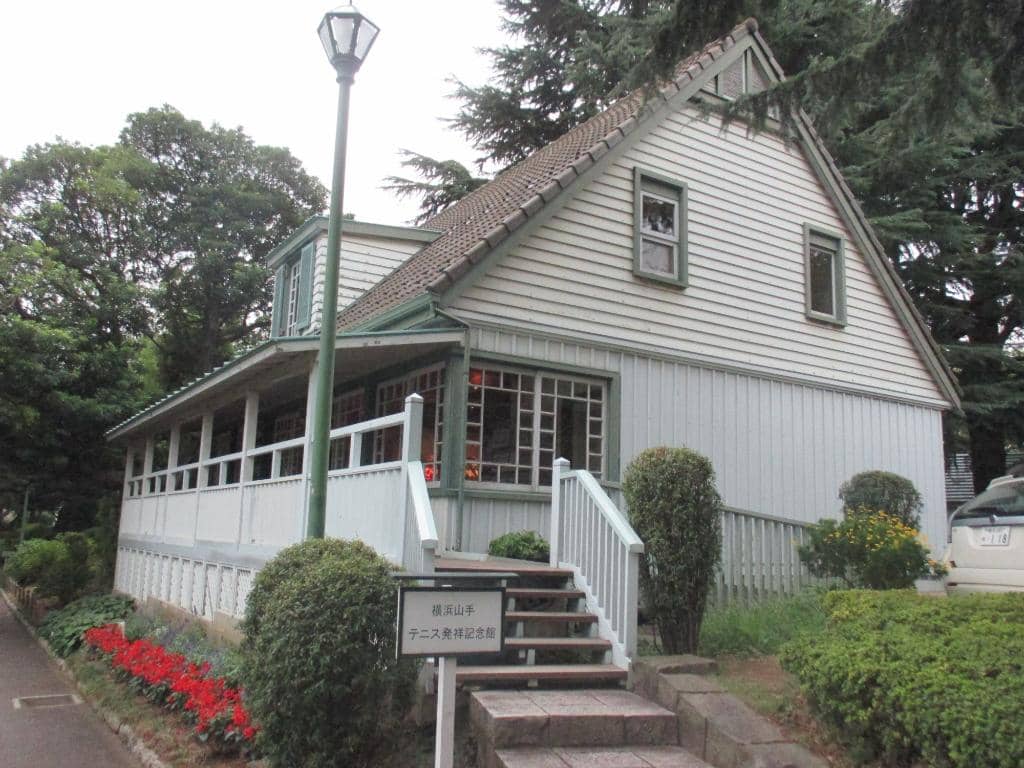
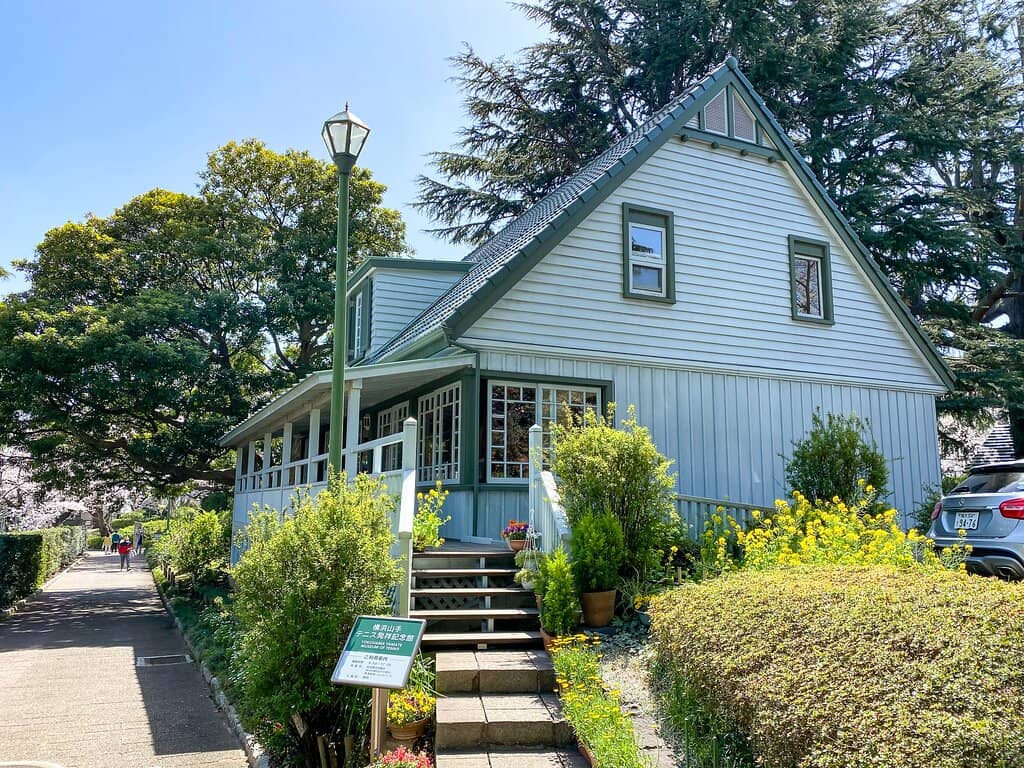
Yamate Museum of Tennis
Discover the birthplace of Japanese tennis in Yokohama's historic Yamate district. A free museum showcasing early rackets, vintage fashion, and the sp...

Highlights
Must-see attractions

Social
From TikTok & Reddit
Best Time
Fewer crowds, more peaceful exploration.
Yamate Museum of Tennis
Best Time
Fewer crowds, more peaceful exploration.
Highlights
Must-see attractions
Discover the birthplace of Japanese tennis in Yokohama's historic Yamate district. A free museum showcasing early rackets, vintage fashion, and the sport's evolution.
"A cute little hidden gem! Free admission with fascinating exhibits on tennis history."
Free Entry & Souvenir
Admission is free! A 100 JPY donation gets you a cedar rose souvenir. :gift:
Touch the Past
Gently touch the old wooden rackets – they're surprisingly heavy! :muscle:
Highlights
Discover the most iconic attractions and experiences
Early Tennis Artifacts
Main Exhibition Room
See ancient rackets, balls, and apparel that showcase tennis's incredible evolution over the centuries.
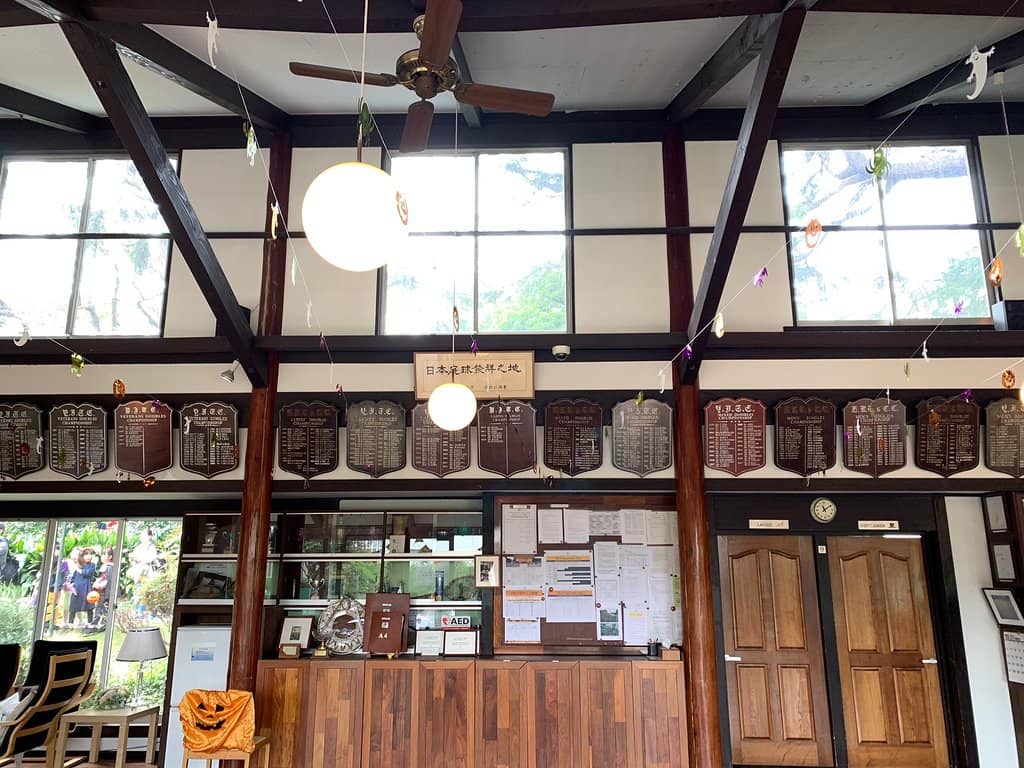
Birthplace of Japanese Tennis
Exhibition Displays
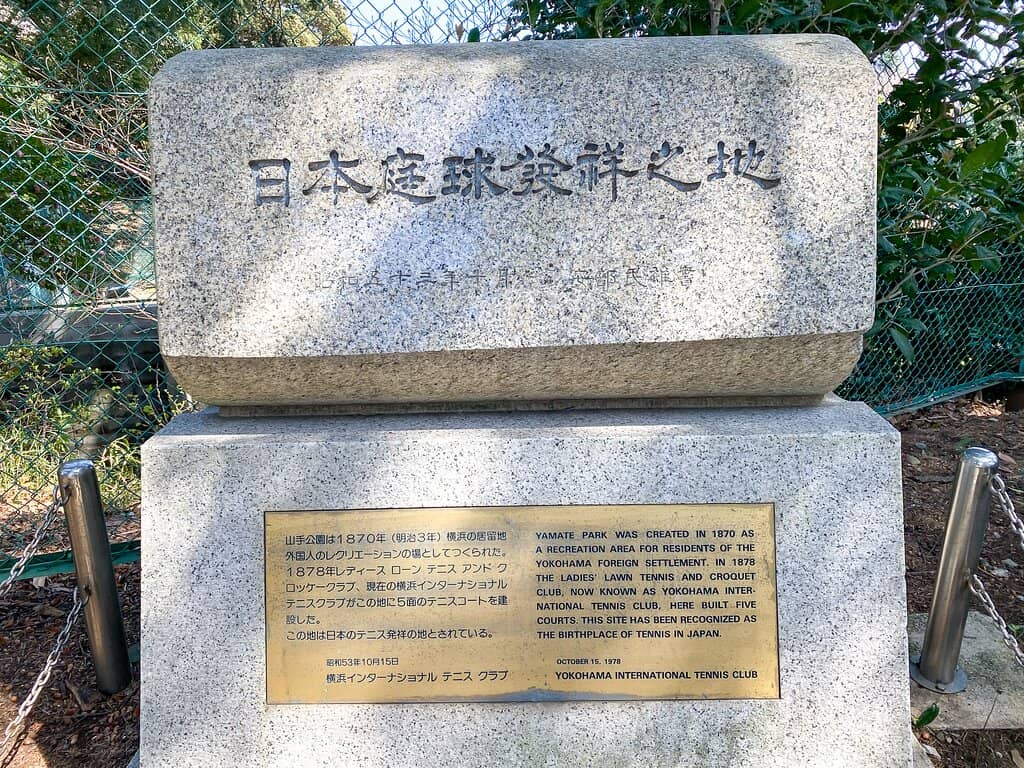
Uncover the story of how tennis first arrived and developed in Japan, with a focus on the Yamate area.
Vintage Tennis Fashion
Apparel Displays
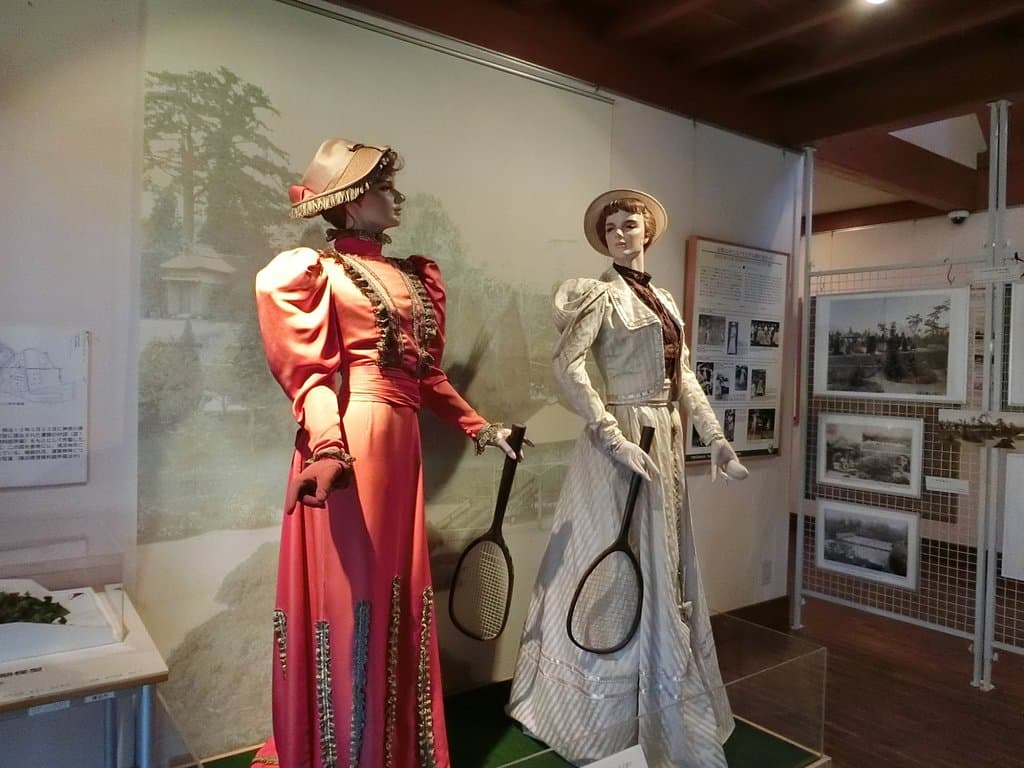
Marvel at the elegant and impractical women's tennis attire from bygone eras.
Plans like a pro.
Thinks like you
Planning Your Visit
Free Admission & Donation
Discover Tennis's Roots
Best Times
Insider Tips
from TikTok, Instagram & Reddit
Free Entry & Souvenir
Admission is free! A 100 JPY donation gets you a cedar rose souvenir. :gift:
Touch the Past
Gently touch the old wooden rackets – they're surprisingly heavy! :muscle:
English Translations Available
Most exhibits have English descriptions, making it accessible for international visitors. :earth_americas:
Combine with Sightseeing
Located near the Foreign Cemetery and Ijinkan residences. :world_map:
Tips
from all over the internet
Free Entry & Souvenir
Admission is free! A 100 JPY donation gets you a cedar rose souvenir. :gift:
Touch the Past
Gently touch the old wooden rackets – they're surprisingly heavy! :muscle:
English Translations Available
Most exhibits have English descriptions, making it accessible for international visitors. :earth_americas:
Combine with Sightseeing
Located near the Foreign Cemetery and Ijinkan residences. :world_map:
Parking Available
Limited parking on-site, free for small motorcycles. :car:
What Travellers Say
Reviews Summary
Visitors praise the Yamate Museum of Tennis as a charming, free hidden gem offering a fascinating glimpse into tennis history, particularly its origins in Japan. The exhibits, including old rackets and vintage fashion, are engaging, and the English translations make it accessible. Some note its small size, but the historical significance and free admission make it a worthwhile stop.
"What a cute little hidden gem! A very small museum - essentially one room - but the exhibits are fascinating, with lots of information (most of which included English translations) on different aspects of the history of tennis, particularly in relation to Yamate and its tennis club. Lots of great old photographs and artefacts (e.g. tennis rackets and balls from different eras). Free admission! (Though there's a donation box. If you leave 100¥, you can take a cedar rose as a souvenir."
Colin Morris
"It’s free and they have English descriptions. It’s fun to learn a history of tennis. You can touch some of the old wooden rackets. They are heavy! Lady’s wear is amazing and cannot imagine playing tennis in that dress."
K M
"Played Tennis by Bamboo racket 100 yrs ago?!
原來古早的網球根本沒有網子,那還叫網球嗎?!以前打網球的女生都穿連身長裙?!
This museum in Yamate (Yokohama) introduces interesting tennis history. For example, people played "tennis" with Glove in ancient time. Then, people changed glove to racket in different types of material such as bamboo and wood+steel.
Another interesting thing to know is women dressed up to play tennis...lol It sounds too elegant for this sport"
Ray Chen
What People Like
What People Dislike
Frequently Asked Questions
🚇 🗺️ Getting There
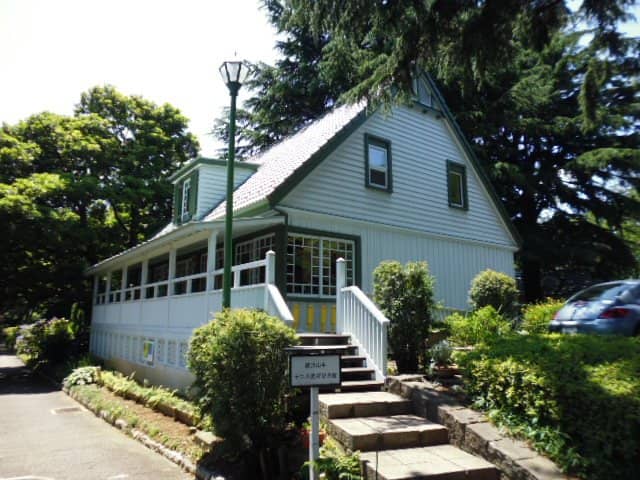
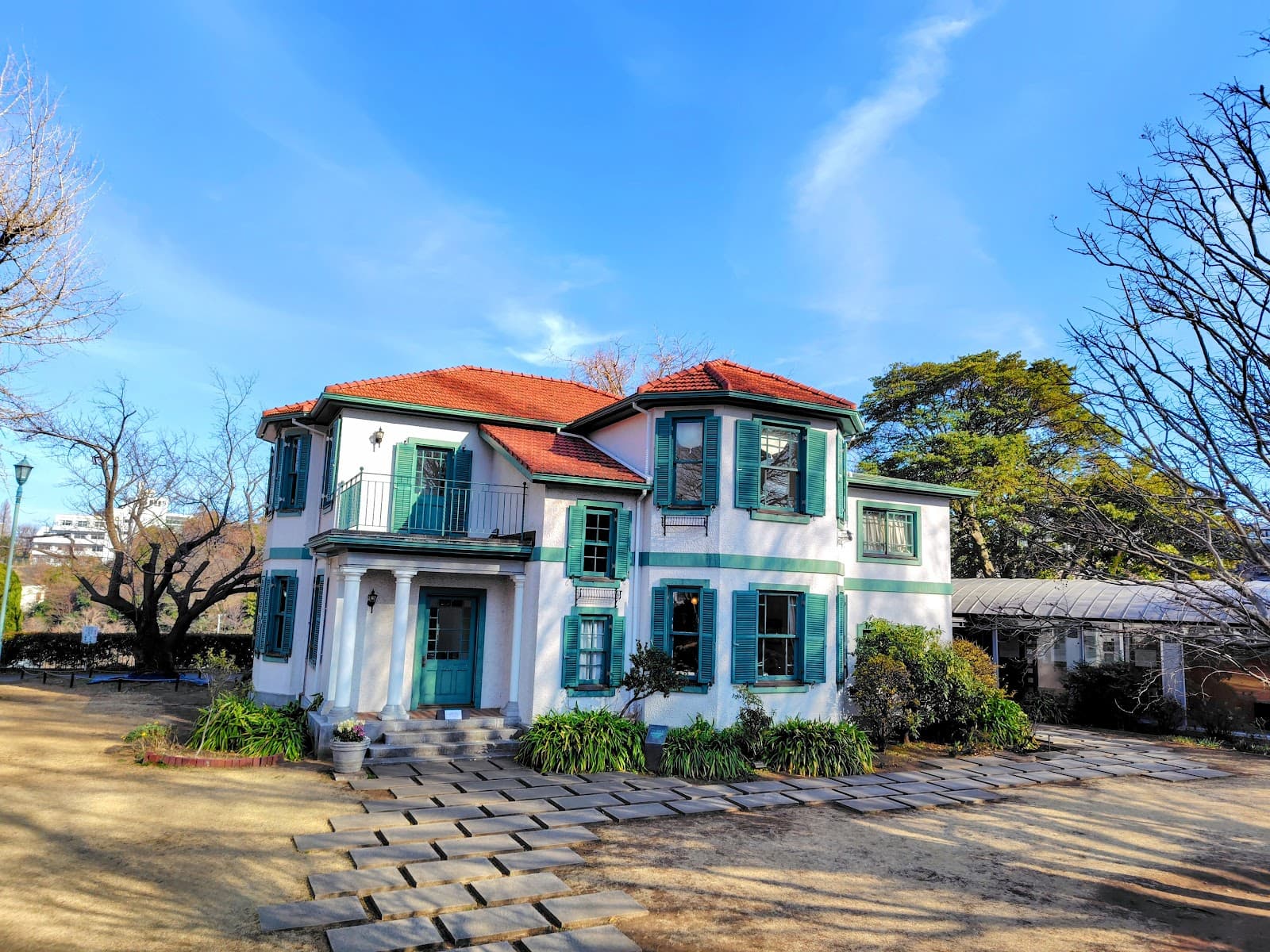
The museum is located in Yokohama's Yamate district, off a main thoroughfare. While specific public transport details aren't widely shared, it's often visited in conjunction with other Yamate attractions like the Foreign Cemetery and Ijinkan residences. Parking is available for about 15 cars, with free parking for small motorcycles.
Yes, there is limited parking available on-site, accommodating around 15 cars. Small motorcycles (up to 125cc) can park for free.
🎫 🎫 Tickets & Entry
Admission to the Yamate Museum of Tennis is free! Visitors are encouraged to make a donation, with 100 JPY suggested for a cedar rose souvenir.
Yes, there is a donation box available. A donation of 100 JPY can earn you a cedar rose as a souvenir.
Specific opening hours are not detailed in the provided information, but it's generally recommended to visit during weekday mornings or afternoons to avoid crowds and combine with other local attractions.
🎫 🧭 Onsite Experience
The museum showcases the history of tennis, particularly its origins in Japan and the Yamate area. You'll find old photographs, artifacts like wooden rackets and balls from different eras, and displays on vintage tennis fashion. +2
Yes, most of the exhibits include English translations, making the museum accessible and informative for international visitors.
Visitors are allowed to gently touch some of the old wooden rackets, which are noted to be quite heavy.
While not explicitly geared towards children, the interactive element of touching old rackets and the visual displays of historical items might be engaging for older children interested in sports history.
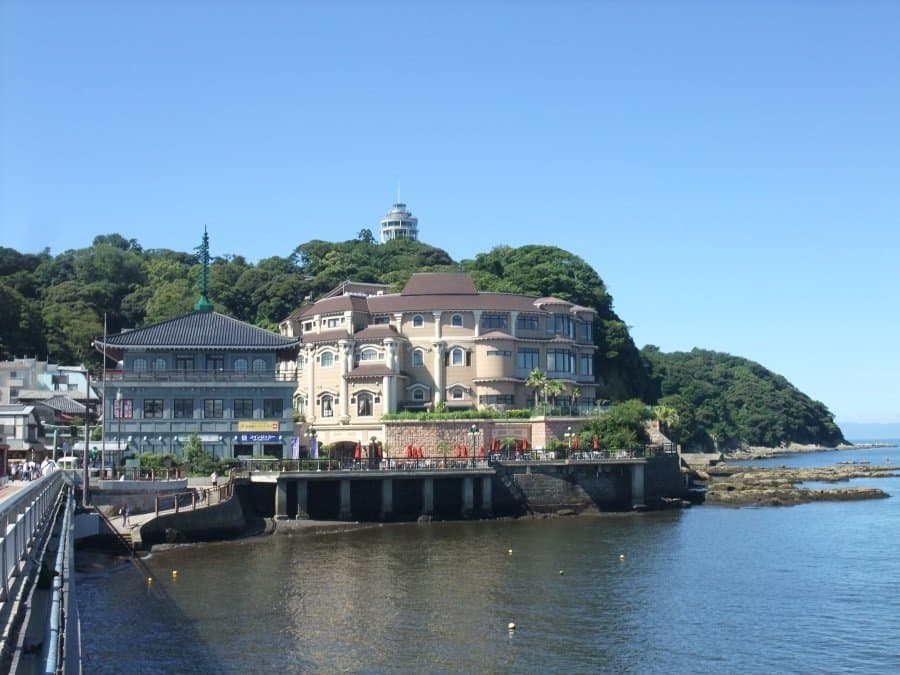
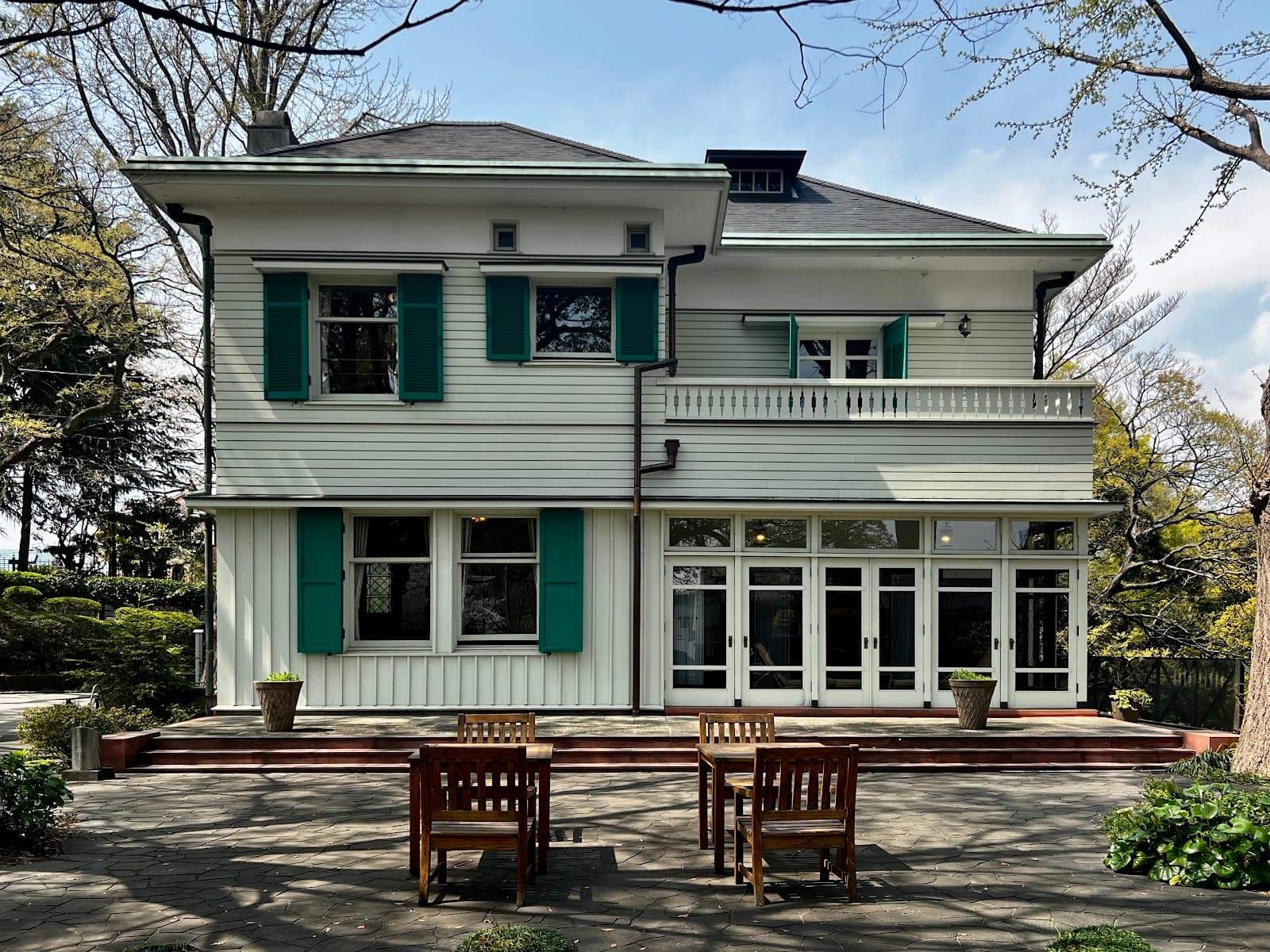
The museum is conveniently located near other Yamate attractions, including the Foreign Cemetery, Minato Mirai Park, Ijinkan (foreigner's residences), and Enoki-tei cafe.
📸 📸 Photography
Photography policies are not explicitly stated, but it's generally advisable to be respectful of the exhibits and other visitors. Check for any posted signs upon arrival.
For Different Travelers
Tailored advice for your travel style
👨👩👧 Families with Kids
Consider visiting with older children who have an interest in sports or history. The museum's location in the charming Yamate district, near other attractions like parks and historic residences, makes it easy to combine with a family outing. Remember that it's a quiet space, so encourage respectful behavior. The free admission and the option for a small souvenir donation make it a budget-friendly stop.
🏛️ History Buffs & Culture Seekers
The museum's appeal extends beyond tennis, offering insights into the broader history of the Yamate district. Discover information about local flora and even the origins of national symbols. The presence of English translations for most exhibits ensures that international visitors can fully appreciate the historical context and cultural significance of the displays.
Deep Dives
In-depth insights and expert knowledge
The Birthplace of Japanese Tennis
This deep dive into tennis history includes fascinating insights into the early days of the sport. You can learn about how 'tennis' was played with gloves in ancient times and witness the transition to various types of rackets, including those made from bamboo and wood. The museum also highlights the unique fashion of early female tennis players, offering a glimpse into the social context of the sport's development.
Beyond tennis, the museum also touches upon other interesting aspects of the Yamate area's heritage, such as the origins of the Himalayan cedar tree and even the first rendition of the Japanese national anthem, 'Kimigayo.' This adds an extra layer of cultural discovery for visitors, making the museum a richer experience than just a sports exhibit.
Exploring the Exhibits
A particularly popular aspect of the museum is the opportunity to interact with some of the older, wooden rackets. Visitors often comment on their surprising weight, providing a tangible sense of how the equipment has changed. The displays also showcase the remarkable and often impractical fashion worn by women when playing tennis in earlier times, sparking curiosity and amusement.
For those interested in the broader history of the Yamate area, the museum also presents non-tennis related exhibits. These can include information on local flora, like the Himalayan cedar, and historical documents, such as the original lyrics of 'Kimigayo.' This multi-faceted approach ensures that visitors gain a comprehensive understanding of the cultural and historical significance of the location.


Social
from TikTok, Instagram & Reddit