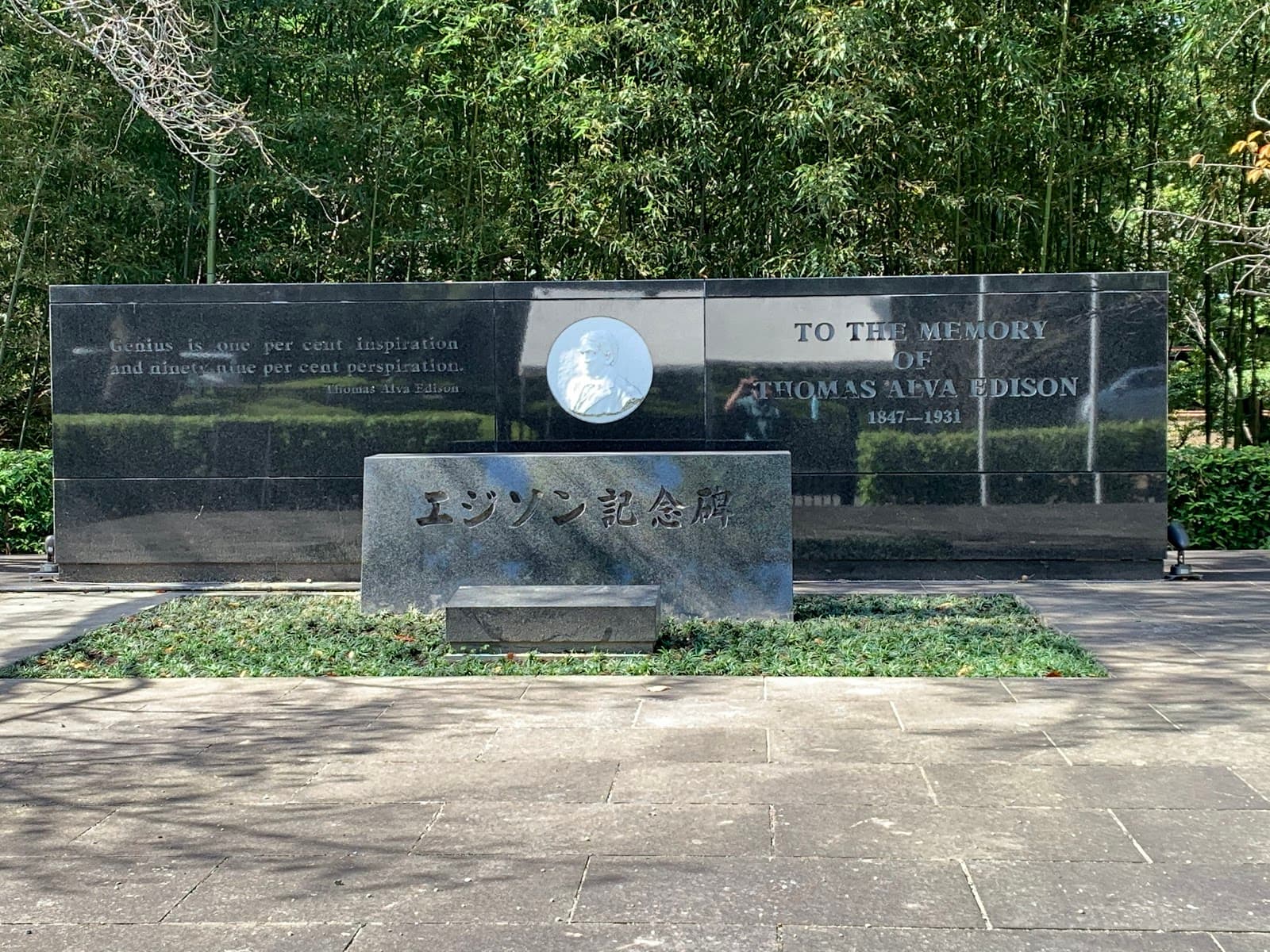
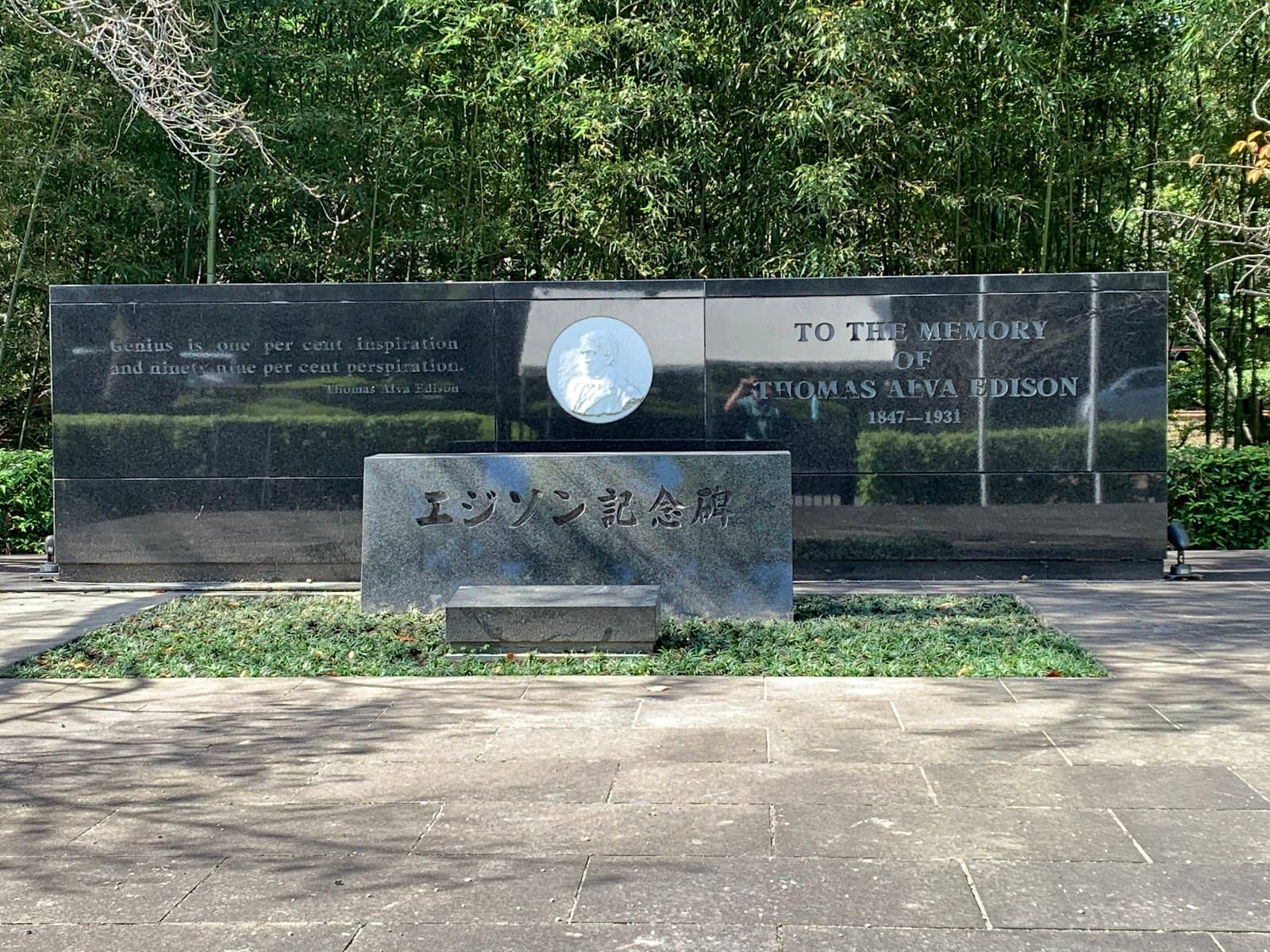
Thomas Edison Monument Otokoyama
Discover the surprising link between Thomas Edison and Kyoto's Otokoyama, where local bamboo helped illuminate the world.
Highlights
Must-see attractions

Social
From TikTok & Reddit
Best Time
Pleasant weather, fewer crowds
Thomas Edison Monument Otokoyama
Best Time
Pleasant weather, fewer crowds
Highlights
Must-see attractions
Discover the surprising link between Thomas Edison and Kyoto's Otokoyama, where local bamboo helped illuminate the world.
"An unexpected collaboration between a global inventor and a Japanese shrine."
📜 Read the Signage
An information board details the fascinating story of Edison and Yawata bamboo.
🚶♀️ Explore the Shrine
The monument is within the larger Iwashimizu Hachimangu Shrine complex. Allow time to explore.

Highlights
Discover the most iconic attractions and experiences
Edison Memorial Monument
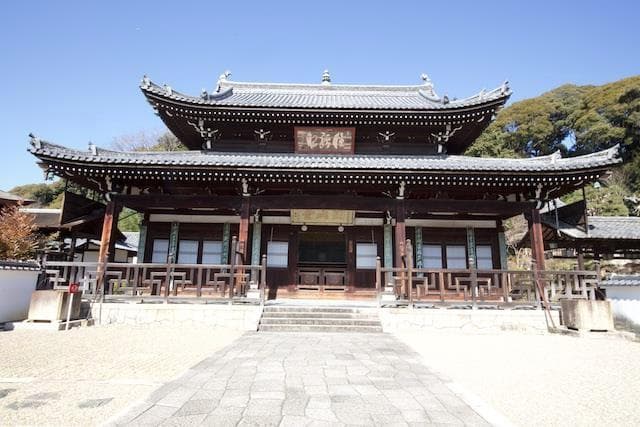
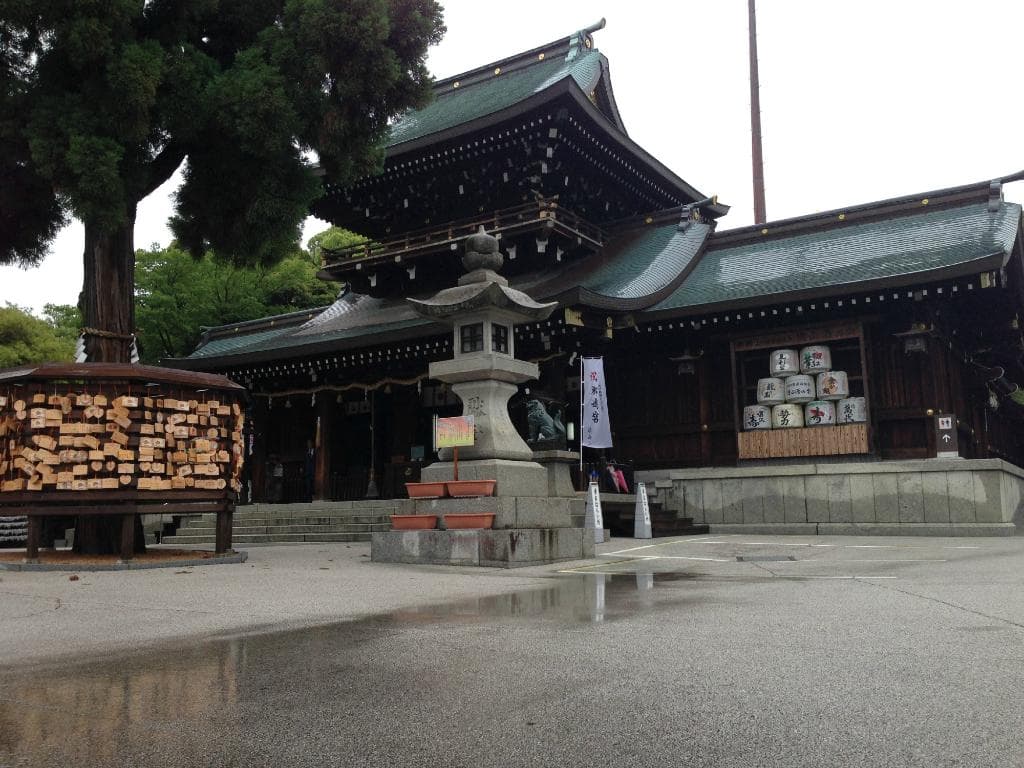
Iwashimizu Hachimangu Shrine grounds
A unique monument celebrating Edison's use of local bamboo for his light bulb filament.
Iwashimizu Hachimangu Shrine
Yawata City, Kyoto Prefecture
A historic and beautiful shrine with a rich past, now home to an unexpected inventor's tribute.
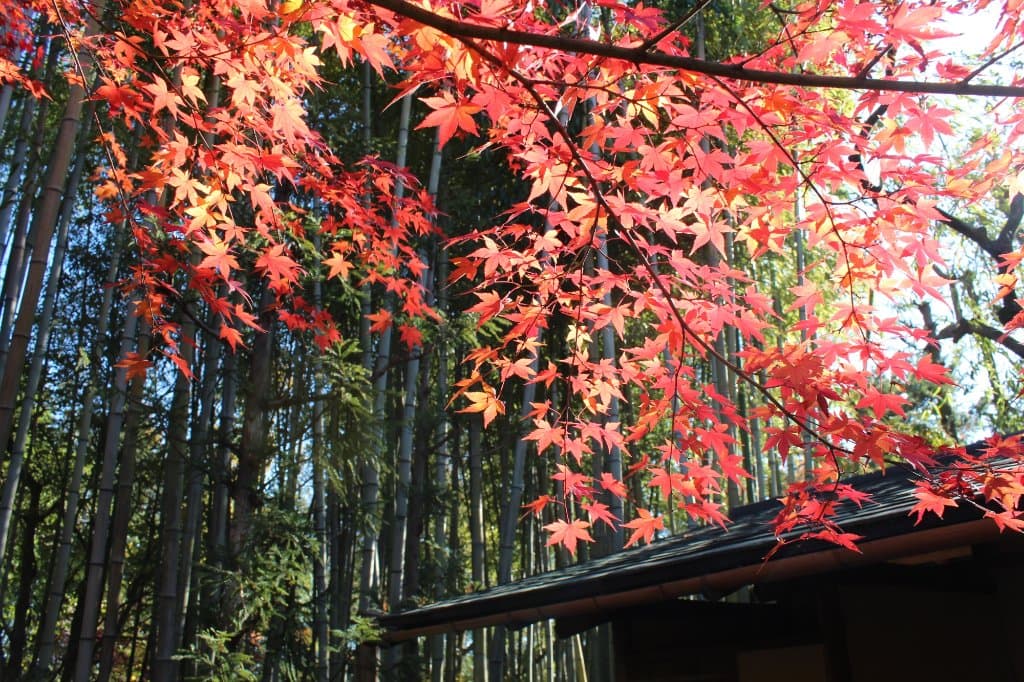
Yawata Bamboo Grove
Near Iwashimizu Hachimangu Shrine
The source of the famed madake bamboo that illuminated the world.
Plans like a pro.
Thinks like you
Planning Your Visit
The Edison Connection
Shrine Etiquette
Best Times
Insider Tips
from TikTok, Instagram & Reddit
📜 Read the Signage
An information board details the fascinating story of Edison and Yawata bamboo.
🚶♀️ Explore the Shrine
The monument is within the larger Iwashimizu Hachimangu Shrine complex. Allow time to explore.
TIL a small town in southern Kyoto, Japan has a yearly festival and monument next to a shrine dedicated to Thomas Edison. He used the bamboo from the town Yawata for his filament in the lightbulbs which increased the use time from 40 hours to 1,000
🙏 Respect the Sacred Space
This is a functioning shrine. Be mindful of your attire and behavior.
💡 Understand the History
Learn about the Edo period's 'mekugitake' bamboo's quality.
How did American inventor Thomas Edison become such a revered and celebrated figure in Japan?
Tips
from all over the internet
📜 Read the Signage
An information board details the fascinating story of Edison and Yawata bamboo.
🚶♀️ Explore the Shrine
The monument is within the larger Iwashimizu Hachimangu Shrine complex. Allow time to explore.
🙏 Respect the Sacred Space
This is a functioning shrine. Be mindful of your attire and behavior.
💡 Understand the History
Learn about the Edo period's 'mekugitake' bamboo's quality.
What Travellers Say
Reviews Summary
Visitors are intrigued by the unexpected historical link between Thomas Edison and this Kyoto shrine, appreciating the story of local bamboo's role in the incandescent light bulb. The monument, situated within the beautiful Iwashimizu Hachimangu Shrine, offers a unique blend of technological history and spiritual serenity. While some find the connection surprising, most enjoy learning about this fascinating piece of global innovation.
"There is a historical connection with Thomas Edison with this shrine since he collected fiber of bamboo grown in its precincts to make the very first light bulb for the shrine in 1880. ( Trans-word+ TGM Kyoto Guide )"
Trans-word plus TGM
""Why is there an Edison monument in a place like this? Surely there are plenty of materials for inventions in America?" I used to think this.
Apparently, when the American inventor Edison invented the incandescent light bulb, he used bamboo from Otokoyama for the filament (the wire that emits light).
Nowadays we live in the age of LED lighting, rather than incandescent bulbs or fluorescent lights, but in an age when light was still obtained by lighting a fire, this must have been an incredible technological innovation."
T H
"The Edison Memorial, located within the grounds of Iwashimizu Hachimangu Shrine in Yawata City, Kyoto Prefecture, is a monument with a somewhat unexpected combination.
In 1878, Edison was working on making the incandescent light bulb practical, but the light duration was still short, so it was necessary to find a filament that would glow for a long time. It is said that the bamboo used for the filament of this incandescent light bulb was the madake bamboo from the bamboo grove in Yawata. This monument was erected in connection with this. There is also an information board next to the monument that explains the story of that time.
It is an interesting and unexpected collaboration between the world's greatest inventor and a Japanese shrine."
ミノル
What People Like
What People Dislike
Frequently Asked Questions
🚇 🗺️ Getting There
The monument is located within the grounds of Iwashimizu Hachimangu Shrine in Yawata City, Kyoto Prefecture. You can reach Yawata by train from Kyoto Station, typically taking the Keihan Main Line. From Yawata Station, it's a short bus ride or a pleasant walk to the shrine.
Yes, there is parking available at Iwashimizu Hachimangu Shrine, which is convenient if you are traveling by car.
Taking the Keihan Main Line from Gion-Shijo or Sanjo Station towards Demachiyanagi and transferring to a train bound for Yawata is a common route. The journey offers scenic views.
While there isn't a direct stop at the monument itself, buses from Yawata Station will take you close to the Iwashimizu Hachimangu Shrine entrance.
Yes, it's a walkable distance from Yawata Station to the shrine, offering a chance to see the local area.
🎫 🎫 Tickets & Entry
Entry to the Iwashimizu Hachimangu Shrine grounds, where the monument is located, is generally free. However, there might be fees for specific inner areas or events.
The shrine is typically open from early morning until late afternoon. It's advisable to check the official shrine website for the most current hours.
No, the Edison Memorial itself is part of the shrine grounds and does not have a separate admission fee.
The shrine is open year-round, but visiting during spring or autumn offers the most pleasant weather and beautiful scenery.
A memorial service is held annually around Edison's birthday and death, featuring Japanese and American flags.
📸 📸 Photography
Capture the monument with the shrine's architecture in the background. The surrounding bamboo grove also offers picturesque shots.
Photography is generally permitted within the shrine grounds, but always be respectful and avoid intrusive shots, especially during ceremonies.
Early morning or late afternoon light can create beautiful, soft lighting for your photographs.
Drone usage is typically restricted at religious sites and historical locations. It's best to assume it's not allowed unless explicitly stated otherwise.
Photography rules can vary for indoor areas. Look for signage or inquire with shrine staff if unsure.
🎫 💡 History & Significance
Edison used madake bamboo from the precincts of Iwashimizu Hachimangu Shrine in Yawata for the filament of his incandescent light bulb, which was a crucial component for its long-lasting glow.
The first Edison Memorial Tower was erected in 1934, moved in 1958, and rebuilt in 1984 with a new design.
The monument commemorates Edison's achievement and the significant role that local Yawata bamboo played in the invention of the incandescent light bulb.
'Mekugitake' refers to bamboo used as a fastener for swords, renowned for its strength and high quality, a characteristic of the bamboo from Yawata.
Edison tested thousands of materials for his light bulb filament, finding that bamboo provided the best durability and glow duration, leading to the practical application of the incandescent bulb.
For Different Travelers
Tailored advice for your travel style
👨👩👧 Families with Kids
Consider visiting during a less crowded time to allow children to move around more freely. The visual of the monument and the shrine's architecture can be engaging for kids. Pack some snacks and water, as amenities might be limited within the immediate shrine area.
💡 History Buffs & Tech Enthusiasts
Combine your visit with an exploration of the Iwashimizu Hachimangu Shrine to appreciate the historical and cultural backdrop. Understanding the Edo period's appreciation for Yawata bamboo adds another layer to the narrative of innovation.
Deep Dives
In-depth insights and expert knowledge
The Unexpected Link: Edison and Yawata Bamboo
Assistants were dispatched globally to collect bamboo specimens, and it was discovered that the madake bamboo from the groves near Iwashimizu Hachimangu Shrine in Yawata, Kyoto, was exceptionally well-suited for this purpose. This high-quality bamboo, historically prized as 'mekugitake' for sword fasteners during the Edo period, proved instrumental in Edison's success, enabling his light bulbs to burn for over 1,000 hours. The monument stands as a tribute to this pivotal moment in technological history.
A Monument to Innovation
The monument itself has a history, with the first tower erected in 1934. It was later relocated and rebuilt, symbolizing the enduring recognition of Edison's achievement and the local contribution. An information board at the site further elaborates on this unique intersection of American ingenuity and Japanese natural resources, making it a compelling stop for history buffs and curious travelers alike.
Exploring Iwashimizu Hachimangu Shrine
Beyond the Edison connection, the shrine offers beautiful views of the surrounding landscape, especially during spring and autumn. The walk up to the shrine, or the use of the cable car, provides a scenic prelude to the spiritual and historical discoveries within. It's a place where ancient traditions meet modern marvels, offering a unique cultural experience.
Beyond the Monument
Take time to wander through the shrine's precincts. You might encounter traditional ceremonies or simply enjoy the tranquility of the gardens. The shrine's historical significance, combined with the unexpected presence of the Edison monument, makes it a truly memorable destination.

Social
from TikTok, Instagram & Reddit