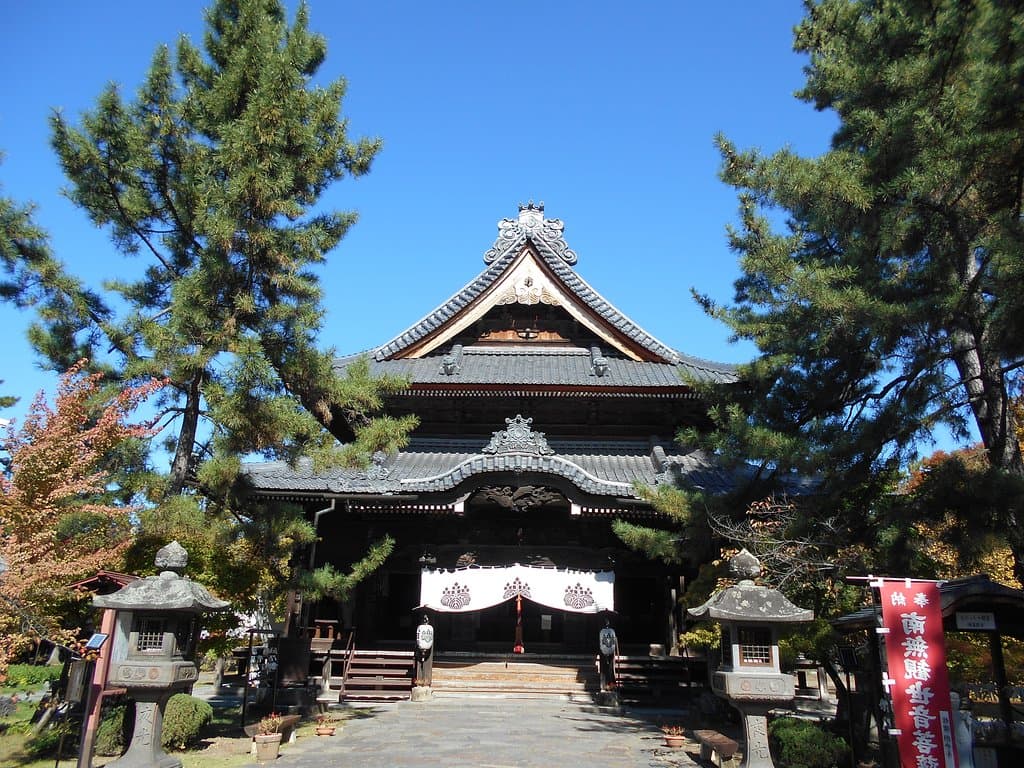
Shinano Kokubun-ji Temple
A historic Buddhist temple, famed for its ancient pagoda and rare 12-year unveiling of its principal image, Yakushi Nyorai.
Highlights
Must-see attractions

Social
From TikTok & Reddit
Best Time
See lotus flowers bloom
Shinano Kokubun-ji Temple
Best Time
See lotus flowers bloom
Highlights
Must-see attractions
A historic Buddhist temple, famed for its ancient pagoda and rare 12-year unveiling of its principal image, Yakushi Nyorai.
"Witness the rare 12-year unveiling of Yakushi Nyorai for a deeply spiritual experience. "
🎯 Plan for Special Unveilings
The Yakushi Nyorai is unveiled only every 12 years. The next is in 2025!
🚗 Navigate with Care
GPS can be tricky. Look for the Niomon gate or temple-like buildings on Route 18.
Quick Facts
Rating
4.3 · 603 reviews
Type
Place of Worship
Highlights
Discover the most iconic attractions and experiences
Yakushi Nyorai Unveiling
Witness the rare 12-year unveiling of the principal image, Yakushi Nyorai, for a deeply spiritual experience. Photography is often permitted .
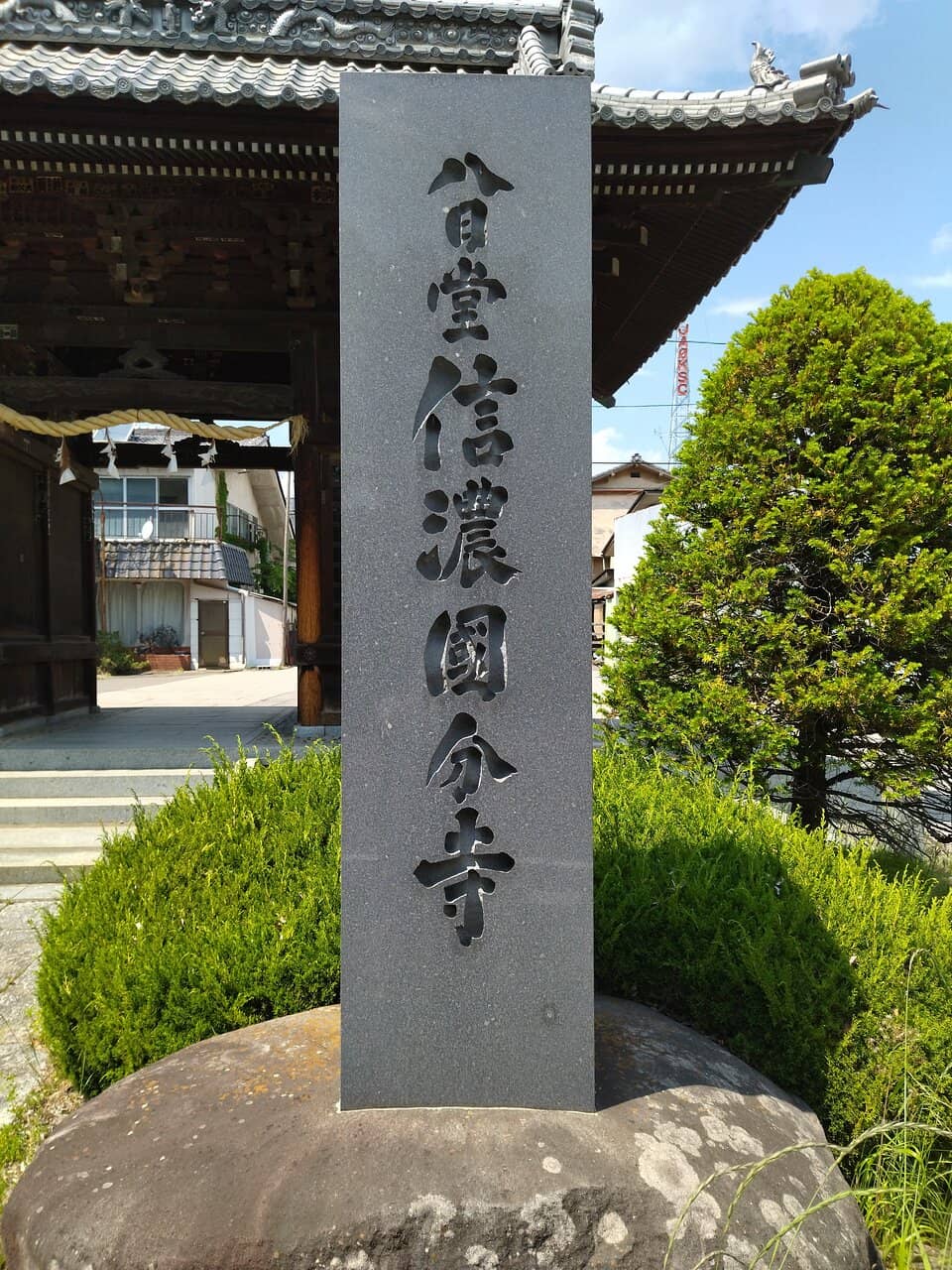
Lotus Pond
A serene lotus pond behind the main hall offers a peaceful escape, especially in early mornings during blooming season .
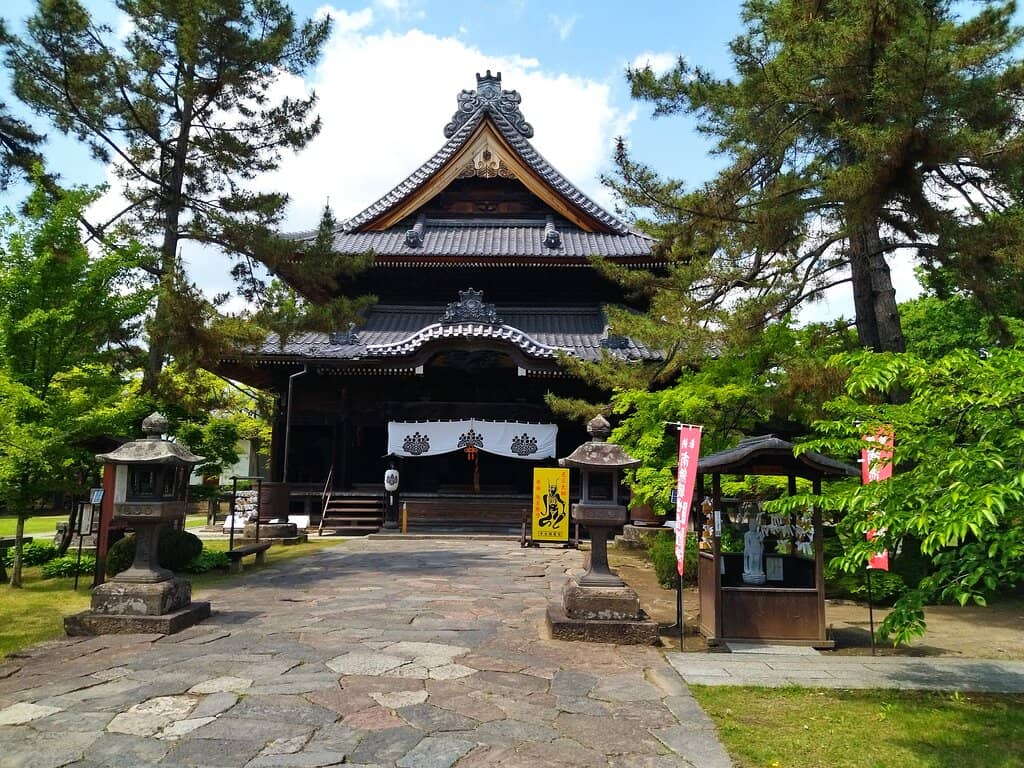
Three-Story Pagoda
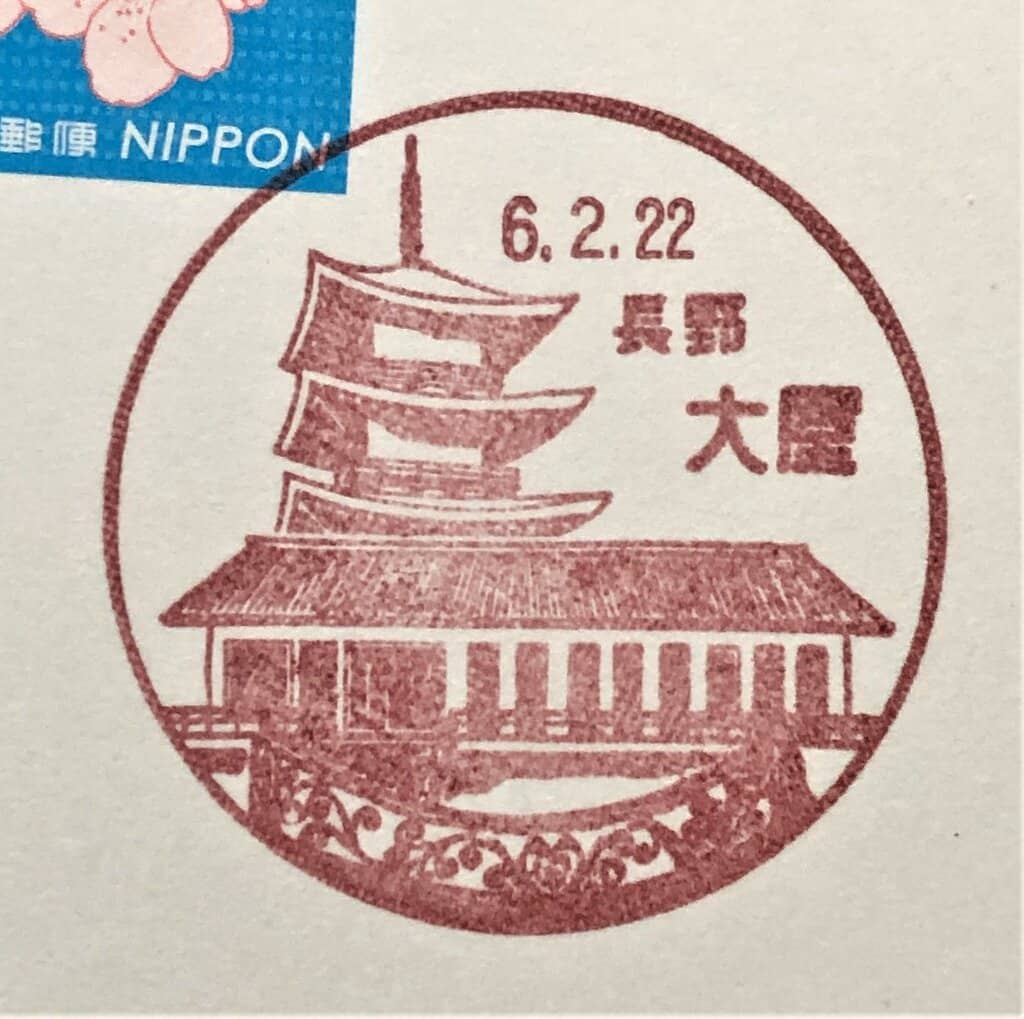
The oldest existing pagoda among Japanese Kokubunji temples, offering a glimpse into historical architecture and spiritual significance .
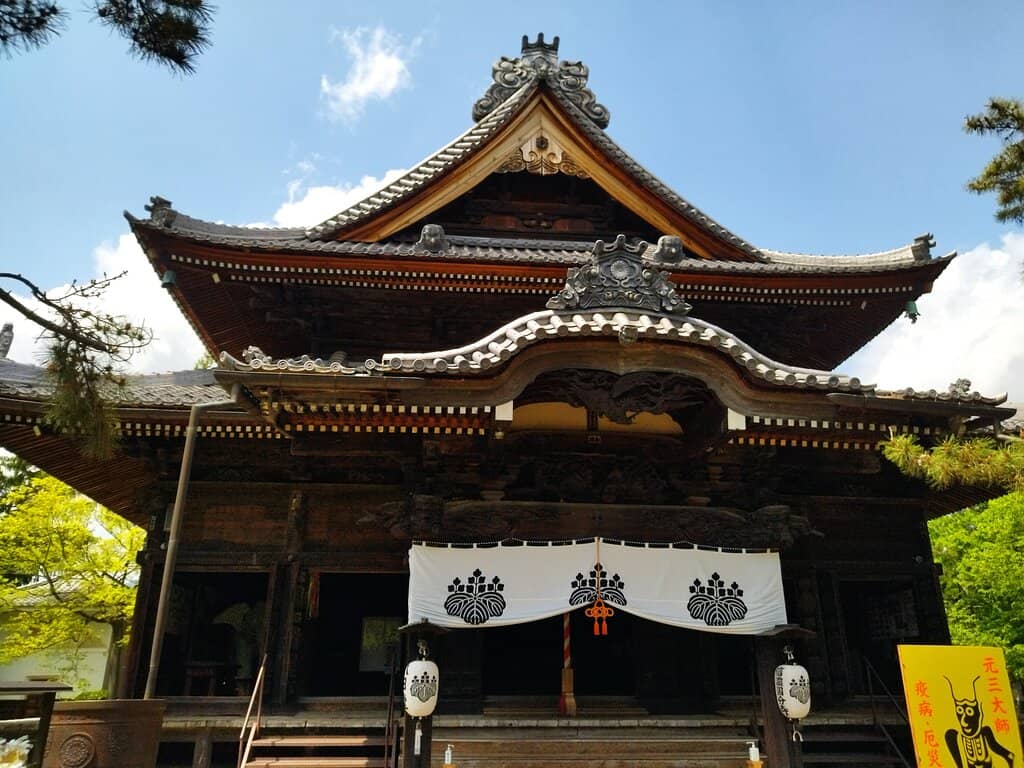
Wisteria Blooms
During spring, the temple grounds can be adorned with beautiful wisteria flowers, adding a touch of natural splendor .

Plans like a pro.
Thinks like you
Planning Your Visit
Timing is Key for Special Events
Check the temple's schedule for these unique opportunities to experience its cultural significance.Navigating to the Temple
Best Times
Insider Tips
from TikTok, Instagram & Reddit
🎯 Plan for Special Unveilings
The Yakushi Nyorai is unveiled only every 12 years. The next is in 2025!
🚗 Navigate with Care
GPS can be tricky. Look for the Niomon gate or temple-like buildings on Route 18.
📸 Photography Friendly
Often, you can photograph the principal image during special unveilings.
🌸 Spring Wisteria
Visit in spring for a chance to see beautiful wisteria flowers.
Tips
from all over the internet
🎯 Plan for Special Unveilings
The Yakushi Nyorai is unveiled only every 12 years. The next is in 2025!
🚗 Navigate with Care
GPS can be tricky. Look for the Niomon gate or temple-like buildings on Route 18.
📸 Photography Friendly
Often, you can photograph the principal image during special unveilings.
🌸 Spring Wisteria
Visit in spring for a chance to see beautiful wisteria flowers.
🚶♀️ Peaceful Mornings
Early mornings, especially on weekdays, offer a serene experience with fewer visitors.
What Travellers Say
Reviews Summary
Visitors praise Shinano Kokubun-ji Temple for its serene atmosphere, especially the lotus pond and historical pagoda. The rare 12-year unveiling of Yakushi Nyorai is a significant draw, offering a unique spiritual and photographic opportunity. Some travelers note potential navigation challenges when arriving by car.
"Ok"
maingoc cuong
"I wanted to see lotus flowers, so I decided to take the train from Terashita Station to Shinano Kokubunji Station via Ueda Station early in the morning on the first Sunday in July, and then walked from the station. There is a "Niomon" gate along National Route 18. Once you pass through the gate, the approach to the temple grounds extends through a residential area♪
During the Tenpyo period, "Kokubunji" and "Kokubun Nunnery" were built all over Japan by imperial decree. They were built at important bases in each country, and in Shinano Province, it was built in "present-day Ueda City". The buildings were later demolished and the site is now an archaeological park. The main hall of the current Shinano Kokubunji was rebuilt at the end of the Edo period!
Behind the hall is a large "lotus pond," and on the day I visited, "lotus flowers" could be seen everywhere. It was a Sunday, but since it was still early, there were few visitors, so I was able to take as many photos of lotus flowers as I wanted‼ ️"
Shinichiro Nakahara
"Visiting on August 8, 2025
Planning to see the lotus behind Kokubunji Temple
Driving along the route indicated on Google Maps on my phone, I ended up at a dead end.
I could certainly see the lotus flowers beyond the fence. While it might be possible to reach them on foot, it was impossible to reach by car, so I backed out and drove on National Route 18 toward Komoro City.
There was a building that looked like a temple gate along the national highway, so I turned left immediately after passing the building. After walking 100 meters up the hill, I found a parking lot (capacity for about 20 cars) on the right.
I was told that there were other parking lots for visitors.
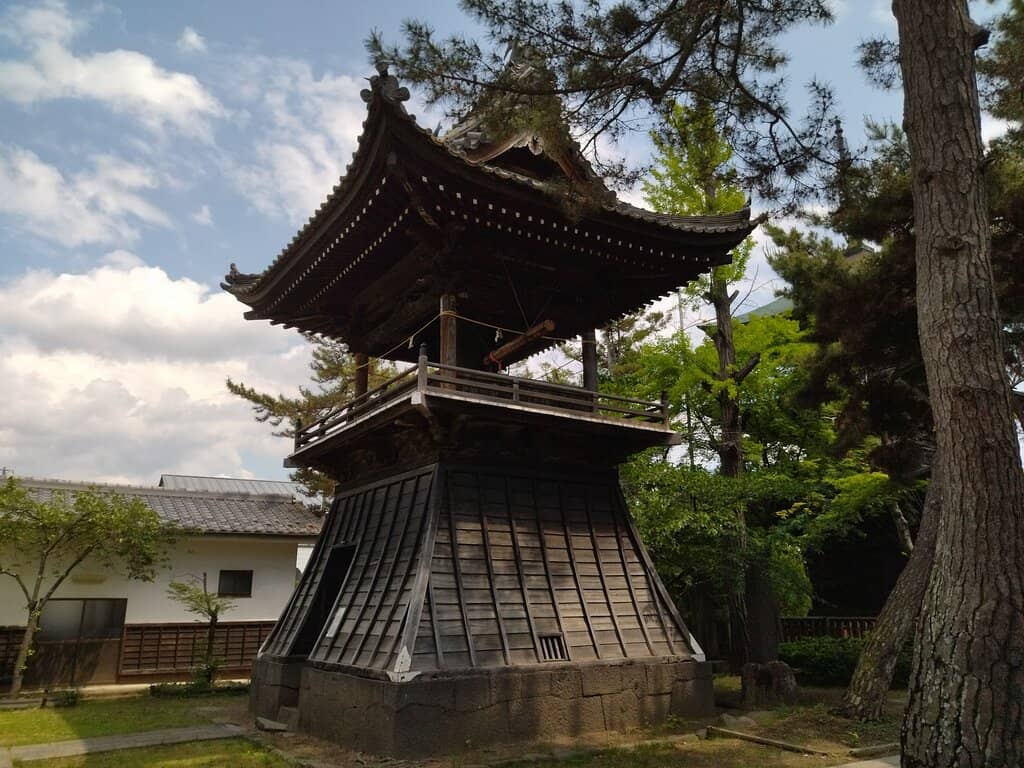
After purifying myself with the water basin, I entered the main hall. Since it was a weekday, there were only two or three visitors. There's a lotus pond behind the main hall, so I walked around it. The lotus sign was on the right side of the main hall, so it was easy to find. The lotus pond is about the size of two tennis courts, and there's a boardwalk, making it easy to walk along. Since it was afternoon, there weren't many lotus flowers in bloom, but watching the leaves swaying in the breeze was soothing. There are well-maintained restrooms for visitors within the temple grounds. The bell tower, three-story pagoda, and other architectural structures are also magnificent, making this a must-see for anyone visiting Ueda City."
山中尚美
What People Like
What People Dislike
Frequently Asked Questions
🚇 🗺️ Getting There
The temple is accessible via National Route 18. Look for the Niomon gate or a building resembling a temple gate. Some visitors have found GPS navigation challenging, so be prepared to look for landmarks. Parking is available for visitors.
Yes, there is a parking lot with a capacity for about 20 cars, and other visitor parking may be available.
The temple is accessible by train to Shinano Kokubunji Station, followed by a walk. It's also reachable from Ueda Station.
Visitors recommend looking for the Niomon gate along National Route 18. The approach to the temple grounds extends through a residential area.
Some visitors have reported ending up at dead ends when using GPS. It's advisable to be aware of your surroundings and look for the temple's distinctive gates.
🎫 🎫 Tickets & Entry
Information on entrance fees is not widely available, suggesting it may be free to enter the grounds. However, special events like the Yakushi Nyorai unveiling might have associated costs or require specific access.
Specific opening hours are not consistently mentioned, but the temple grounds are generally accessible. Special events, like the 12-year unveiling, have specific durations.
The next unveiling of the principal image, Yakushi Nyorai, is scheduled for 2025, occurring once every 12 years.
During special events like the Yakushi Nyorai unveiling, photography of the principal image is sometimes permitted, which is rare. Always check for signage or ask temple staff.
Yes, the temple is known for its annual fair, flower festival (including wisteria), and the extremely rare 12-year unveiling of its principal image.
📸 📸 Photography
The lotus pond behind the main hall is a popular spot, especially in the morning. The three-story pagoda and the temple gates also offer great photographic opportunities.
During the special 12-year unveiling, photography of the principal image is sometimes allowed, which is a unique opportunity. Always confirm beforehand.
Yes, especially if you visit during the wisteria season in spring, the grounds can be very picturesque.
Early mornings often provide softer light and fewer crowds, making it ideal for capturing the serene atmosphere and details of the temple.
Visitors often capture the temple's architecture, the tranquil lotus pond, and seasonal flowers like wisteria. The historical significance also draws photographers.
🎫 🌿 Onsite Experience
You can see the main hall, the historical three-story pagoda, the lotus pond, and the Niomon gate. Special events offer unique sights like the unveiling of Yakushi Nyorai.
Yes, visiting on weekdays or early mornings can provide a very peaceful and serene experience, allowing you to appreciate the temple's atmosphere.
Kokubunji temples were built across Japan by imperial decree during the Nara period as important provincial centers of Buddhism.
Well-maintained restrooms are available for visitors within the temple grounds.
The Gokaicho is a special event held once every 12 years where the principal image, Yakushi Nyorai, is unveiled for public viewing and prayer.

Social
from TikTok, Instagram & Reddit