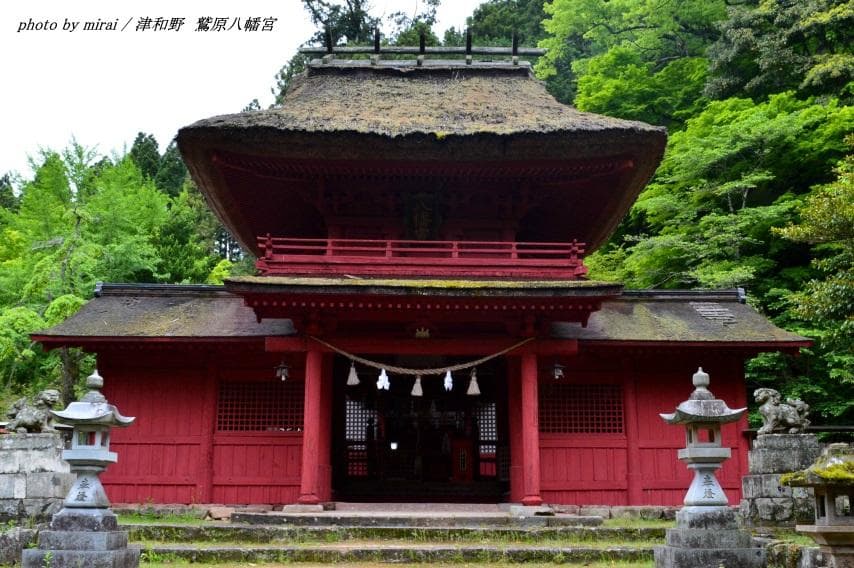
Washibara Hachimangu Shrine
Experience the thrilling Yabusame equestrian archery ritual at this historic shrine, set against the backdrop of Tsuwano's charming townscape. [...
Highlights
Must-see attractions

Social
From TikTok & Reddit
Best Time
Yabusame festival in bloom
Washibara Hachimangu Shrine
Best Time
Yabusame festival in bloom
Highlights
Must-see attractions
Experience the thrilling Yabusame equestrian archery ritual at this historic shrine, set against the backdrop of Tsuwano's charming townscape.
"The Yabusame was awesome. There was tons of information and explanation provided in English which I didn't expect, but greatly appreciated. "
🎯 Yabusame Ticket Tips
Floor seats for Yabusame offer an impressive view, but horses move fast! Book early. :admission_tickets:
🐴 Animal Lover's Delight
The horses are a big part of the experience; they're friendly and captivating. :horse:
Highlights
Discover the most iconic attractions and experiences
Yabusame Ritual
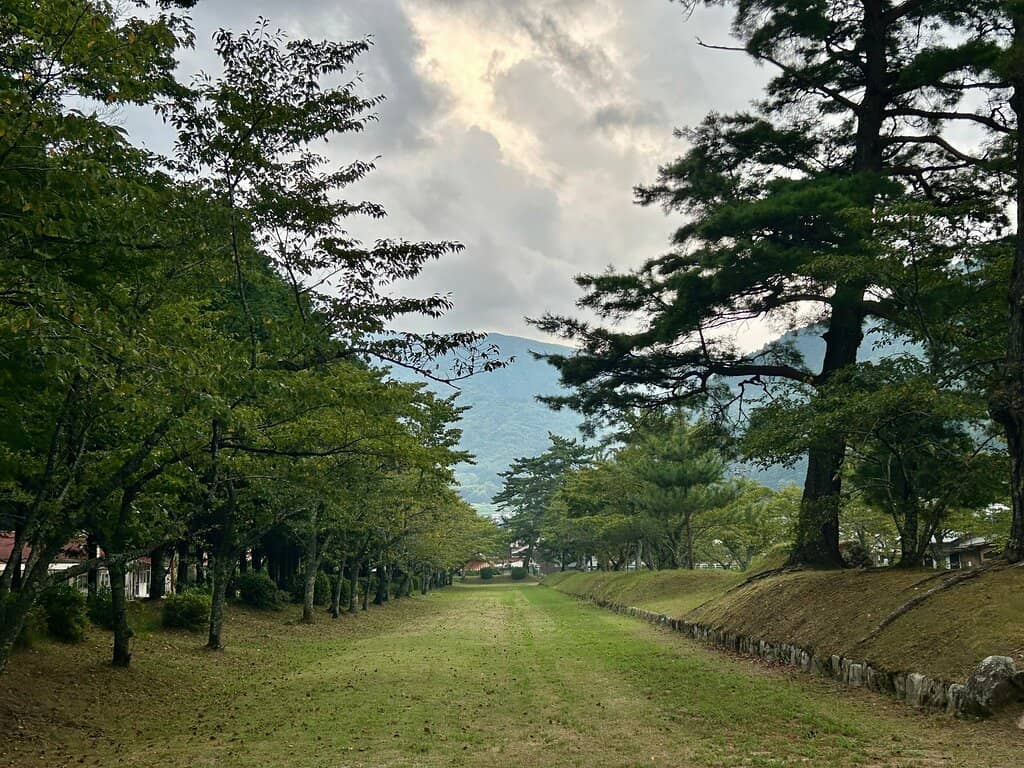
Yabusame Riding Ground
Witness skilled archers on horseback shoot targets in a centuries-old ritual. A truly dynamic and impressive spectacle.
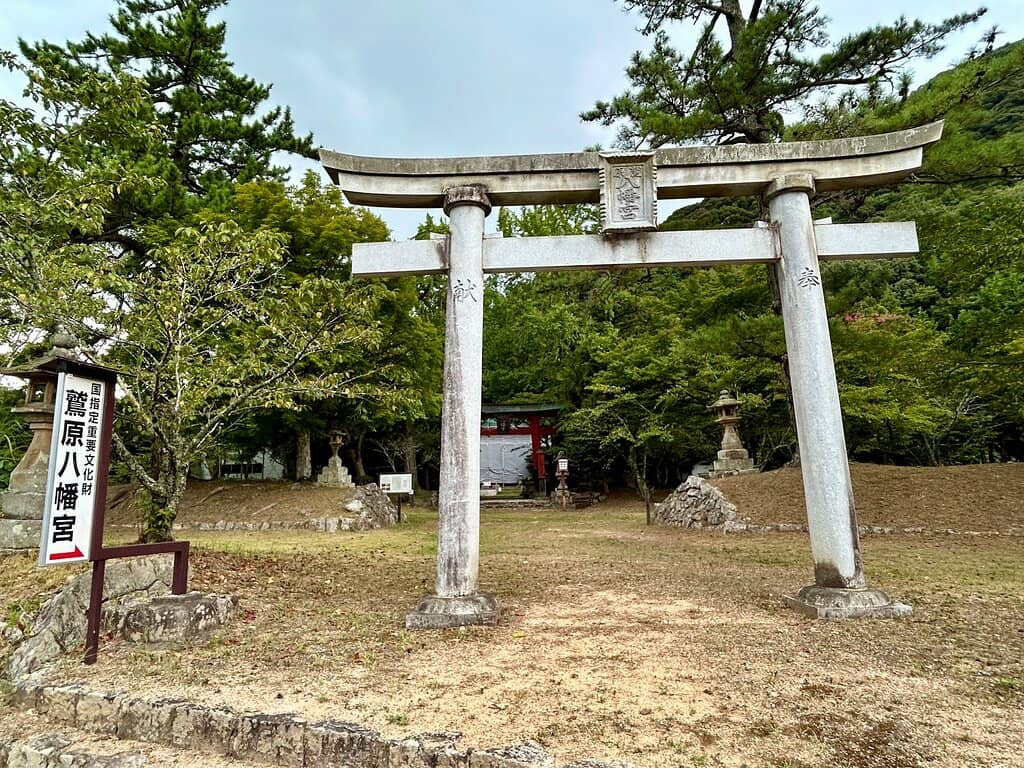
Historic Yabusame Riding Ground
Shrine Grounds
Walk the 250m long grounds, preserved from the Muromachi period, and imagine samurai in battle.
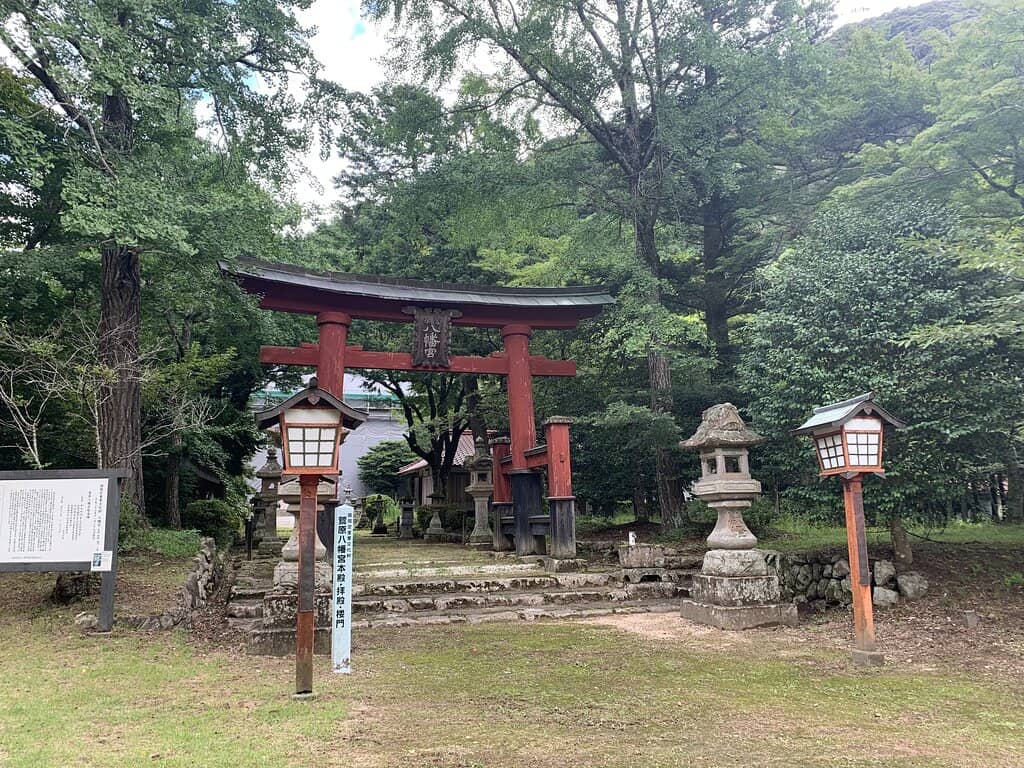
Shrine Architecture
Main Shrine Buildings
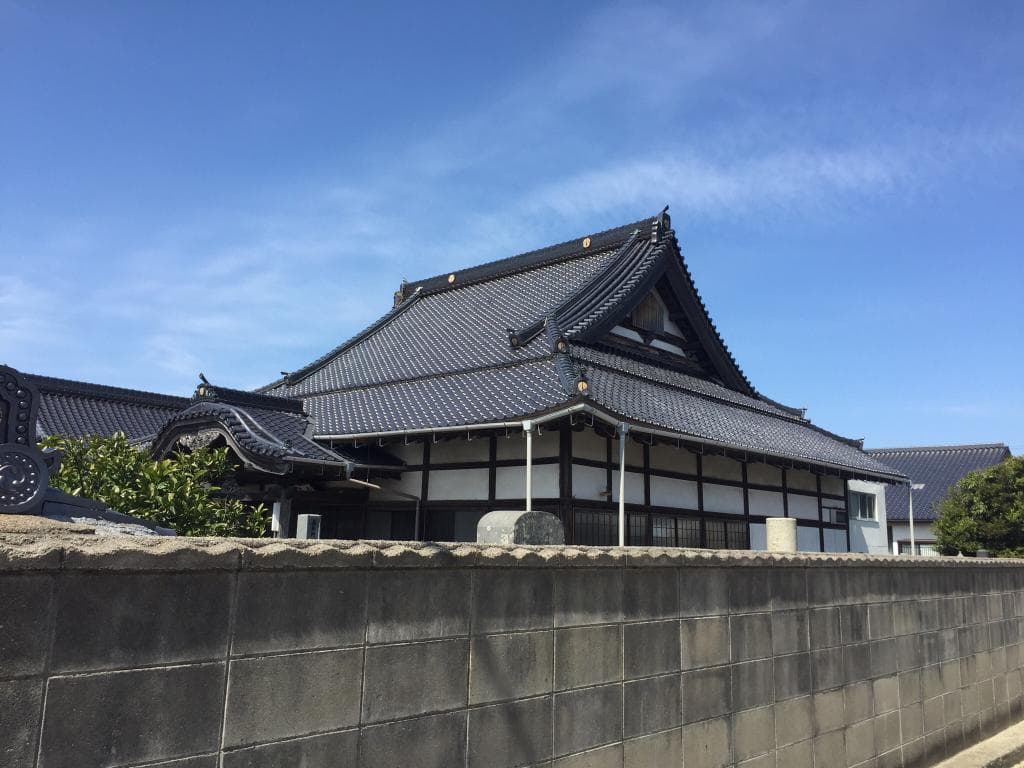
Admire the National Important Cultural Property shrine buildings, including the Main Hall and Worship Hall.
Plans like a pro.
Thinks like you
Planning Your Visit
Timing is Key for Yabusame
Shrine Renovation Status
Best Times
Insider Tips
from TikTok, Instagram & Reddit
🎯 Yabusame Ticket Tips
Floor seats for Yabusame offer an impressive view, but horses move fast! Book early. :admission_tickets:
🐴 Animal Lover's Delight
The horses are a big part of the experience; they're friendly and captivating. :horse:
🗣️ English Information Available
Don't be surprised by the wealth of English explanations provided, making it accessible for international visitors. :globewithmeridians:
🚶♀️ Explore Tsuwano Town
The shrine is a great part of a larger visit to Tsuwano town, which is highly recommended. :cityscape:
Tips
from all over the internet
🎯 Yabusame Ticket Tips
Floor seats for Yabusame offer an impressive view, but horses move fast! Book early. :admission_tickets:
🐴 Animal Lover's Delight
The horses are a big part of the experience; they're friendly and captivating. :horse:
🗣️ English Information Available
Don't be surprised by the wealth of English explanations provided, making it accessible for international visitors. :globewithmeridians:
🚶♀️ Explore Tsuwano Town
The shrine is a great part of a larger visit to Tsuwano town, which is highly recommended. :cityscape:
What Travellers Say
Reviews Summary
Visitors are consistently impressed by the Yabusame ritual, praising its spectacle and the unexpected availability of English explanations. The historic Yabusame riding ground is a significant draw, offering a tangible connection to the past. While ongoing renovations to the main shrine are noted, the overall experience in Tsuwano town is highly positive.
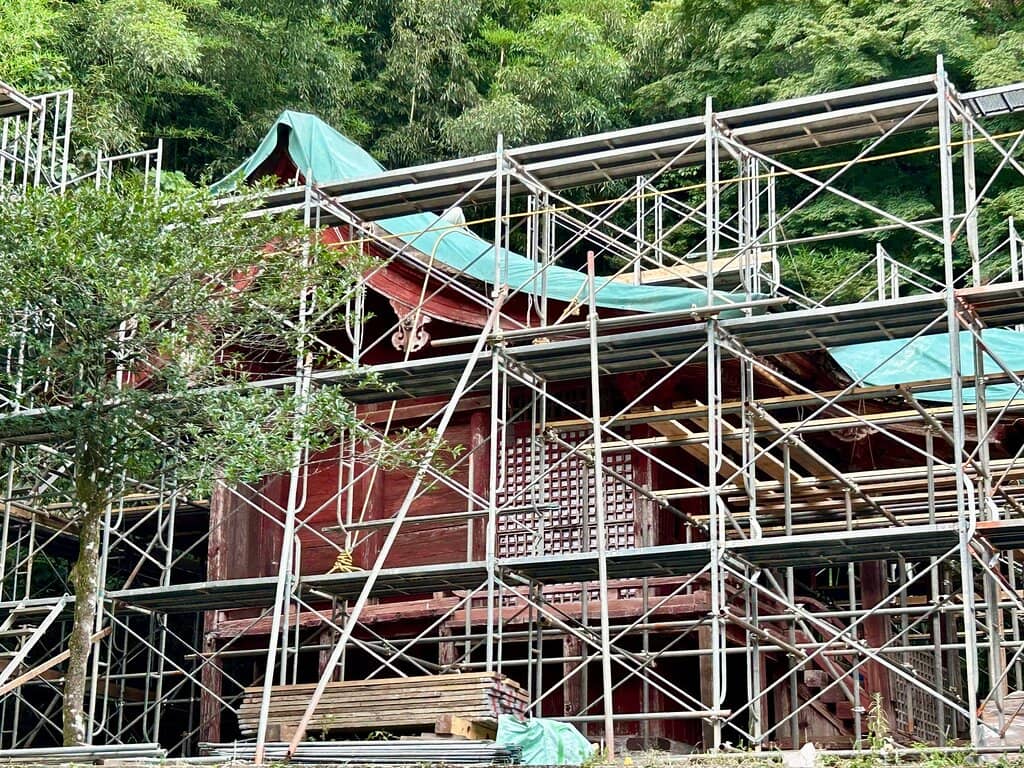
"The Yabusame was awesome. There was tons of information and explanation provided in English which I didn't expect, but greatly appreciated. The space was laid out well so you could get an okay view. The main shrine is currently under renovation. Really enjoyed my time in Tsuwano as a whole."
Shannon Thomson
"Went there for the Archery Festival a few days ago. Competitors shoot targets while horse riding. They wear traditional dress. The event is held every second weekend of April, so sakura blooms serve as a backdrop. It´s worth seeing."
Ruth G
"🏣623 Sagihara-i, Tsuwano-cho, Kanoashi-gun, Shimane Prefecture
🅿️🚗...I didn't know.
🚌...Just off the Sagihara Hachimangu bus stop.
※
Religious Corporation
Hachimangu
※
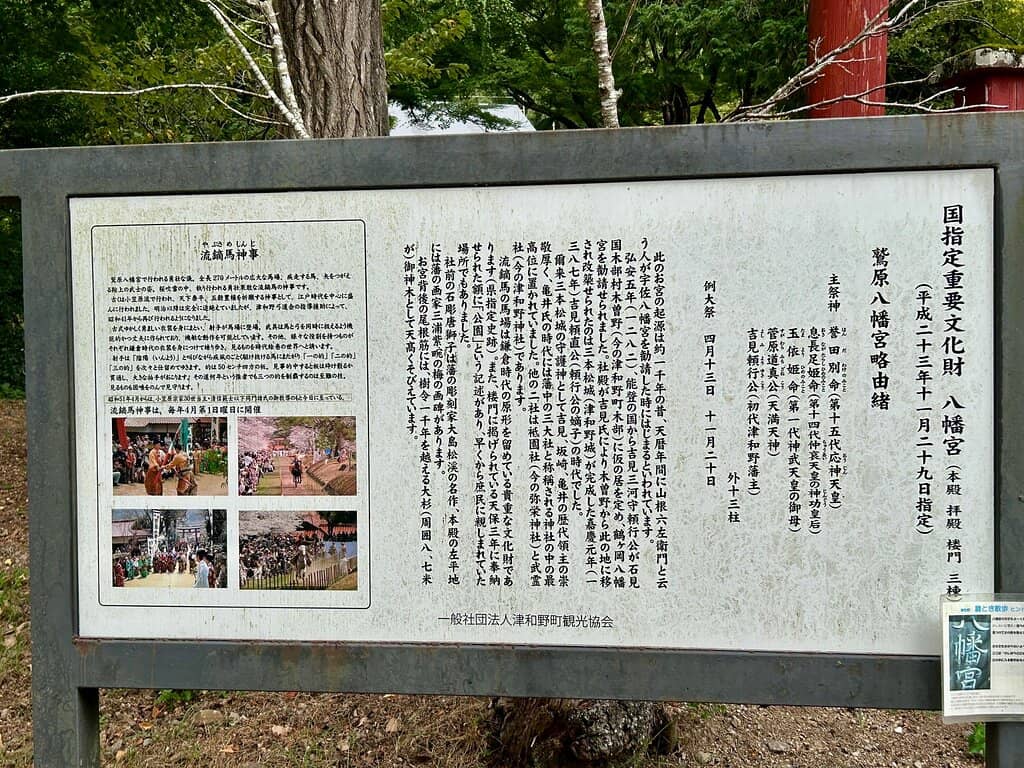
According to the shrine's history, the shrine was founded during the Tenryaku era (947-956) of the Heian period, when a local samurai named Yamane Rokuzaemon-no-jo enshrined the Usa Hachimangu Shrine in Buzen. Later, in 1282, Yoshimi clan founder Yoriyuki enshrined the shrine from Tsurugaoka Hachimangu Shrine in Kamakura upon entering Kibe Village, Noto Province (present-day Kibe, Tsuwano-cho). The third head priest, Naoyori, built the shrine at its current location in 1387.
*
The grounds include a 250m long Yabusame riding ground, which retains its original form from the Muromachi period when the shrine buildings were rebuilt (Shimane Prefecture Designated Historic Site).
It is a Shinto ritual held to pray for peace and prosperity throughout the world and bountiful harvests.
Although details are unknown due to the lack of documents dating back to the Edo period, it is said that the riding ground was built in 1568 by castle lord Yoshimi Masayori when he rebuilt Hachiman Shrine.
Shrine Building (National Important Cultural Property)
Main Hall, Worship Hall, Sakuramon Gate
*
The shrine buildings were under reconstruction, but the majestic riding ground was still visible.
I would like to visit someday when a Shinto ritual is held here."
ばあばbaaba
What People Like
What People Dislike
Frequently Asked Questions
🚇 🗺️ Getting There
The shrine is conveniently located just off the Sagihara Hachimangu bus stop. If you're coming from further afield, you'll likely need to travel to Tsuwano town first and then take a local bus.
Yes, driving is an option, and there is likely parking available. The address is 632-2 Washihara-i, Tsuwano-cho, Kanoashi-gun, Shimane Prefecture.
Tsuwano town can be reached by train, often via Shin-Yamaguchi Station or Masuda Station, and then transferring to the local JR lines.
The shrine is directly accessible via the Sagihara Hachimangu bus stop. Check local bus schedules for routes serving this stop from Tsuwano town.
While possible, it might be a considerable walk depending on your starting point in Tsuwano town. Taking a bus is generally more convenient.
🎫 🎫 Tickets & Entry
General entry to the shrine grounds is typically free. However, for special events like the Yabusame ritual, specific seating or viewing areas might require tickets.
Shrine grounds are usually accessible during daylight hours. Specific building access or event times will vary. It's best to check for event schedules.
While the shrine itself is free to enter, the Yabusame ritual may have associated costs for viewing areas or special seats. It's advisable to check official sources for current pricing.
It's recommended to purchase Yabusame tickets in advance, especially if you want specific seating, as popular events can sell out.
Entry to the shrine grounds is generally free. Access to specific buildings or special exhibitions might incur a fee, but this is uncommon for standard visits.
📸 📸 Photography
Photography is generally allowed on the shrine grounds, but be respectful of any sacred areas or ongoing rituals.
Yes, you can take photos during the Yabusame performance, but be mindful of other visitors and avoid using flash if it might disturb the horses or performers.
The Yabusame riding ground offers a dramatic backdrop. The traditional shrine architecture and surrounding nature also provide excellent photo opportunities.
Drone usage is often restricted at religious sites and historical locations. It's best to check with the shrine administration or local regulations before flying a drone.
A telephoto lens can be useful for capturing the action during the Yabusame performance from a distance. A standard lens is good for general shrine photography.
🎫 🐴 Animal Encounters
While the horses are central to the Yabusame ritual, direct interaction might be limited to specific times or areas. Observe them respectfully.
The primary animal focus is on the horses for the Yabusame. The shrine is set in a natural environment, so you might see local wildlife.
Horses are integral to the Yabusame ritual, a Shinto tradition that has been practiced for centuries at this shrine, symbolizing martial prowess and prayer.
Based on visitor accounts and the nature of the ritual, the horses appear to be well-trained and cared for, being central to the shrine's traditions.
Feeding the horses is generally not permitted to ensure their health and safety, and to maintain the integrity of the ritual.
For Different Travelers
Tailored advice for your travel style
👨👩👧 Families with Kids
Consider visiting during the Yabusame festival if your children are fascinated by horses and traditional performances. The explanations provided in English can also help make the experience more understandable for older children. Remember to bring comfortable shoes for walking around the grounds and be mindful of the fast-paced nature of the Yabusame performance.
🌸 Culture & History Enthusiasts
Explore the well-preserved Yabusame riding ground, imagining the samurai who once trained there. Delve into the shrine's history, understanding its origins and its connection to other significant Hachimangu shrines. Visiting Tsuwano town itself, with its samurai residences and castle ruins, further enriches this historical immersion.
📸 Photographers
Beyond the Yabusame, the traditional shrine architecture, the historic riding ground, and the surrounding natural beauty offer diverse photographic subjects. The spring season, with cherry blossoms in bloom, adds an extra layer of visual appeal.
Deep Dives
In-depth insights and expert knowledge
The Art of Yabusame
The ritual is not just a display of skill but also a prayer for peace, prosperity, and bountiful harvests. The history of Yabusame at this shrine dates back to the Muromachi period, with the riding ground itself retaining its original form from that era.
Visitors often describe the Yabusame performance as breathtaking, with the speed of the horses making it difficult to even see when the arrows are fired. Achieving a perfect score, hitting all three targets, is rare and highly celebrated. The procession into the arena before the performance adds to the grandeur, with dazzling costumes and a palpable sense of tradition.
Shrine History and Architecture
The shrine buildings themselves are designated as National Important Cultural Properties, including the Main Hall, Worship Hall, and Sakuramon Gate. While these structures have undergone reconstruction over the centuries, they represent significant architectural heritage. The grounds also feature a 250-meter long Yabusame riding ground, which has maintained its original form since the Muromachi period, making it a Shimane Prefecture Designated Historic Site.
It's important to note that the main shrine buildings have been undergoing restoration. While this might affect the immediate visual experience of the structures, the historical significance and the impressive Yabusame riding ground remain key attractions. Visitors often express a desire to return once the renovations are complete.
Visiting Tsuwano Town
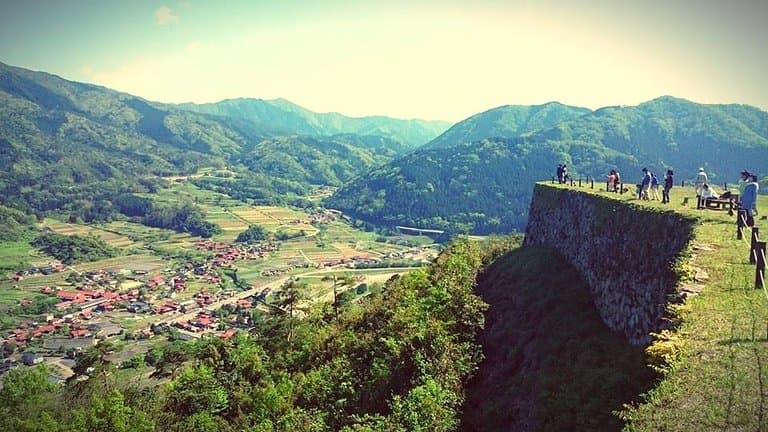
Beyond the shrine, Tsuwano is known for its Tonomachi district, where you can wander through streets lined with traditional wooden buildings. The town also features the Tsuwano Castle ruins, offering panoramic views of the surrounding landscape. The local cuisine and the friendly atmosphere contribute to making Tsuwano a worthwhile destination.
When planning your visit to Washibara Hachimangu Shrine, consider dedicating time to explore Tsuwano town. This allows for a more immersive cultural experience, combining the spiritual significance of the shrine with the historical charm of the town.
Social
from TikTok, Instagram & Reddit