Chido Museum Tsuruoka Yamagata
Explore relocated historical buildings and rich local artifacts, including samurai armor and a serene garden.
Highlights
Must-see attractions

Social
From TikTok & Reddit
Best Time
Enjoy the Sakurai Residence
Chido Museum Tsuruoka Yamagata
Best Time
Enjoy the Sakurai Residence
Highlights
Must-see attractions
Explore relocated historical buildings and rich local artifacts, including samurai armor and a serene garden.
"A must-visit for understanding local history, but allow ample time to truly appreciate it."
⏳ Allow ample time
Don't rush! The suggested 1 hour is not enough. Plan for 1.5-2 hours to see everything properly.
🅿️ Easy parking available
Convenient parking is available on the museum grounds, making arrival hassle-free.
Highlights
Discover the most iconic attractions and experiences
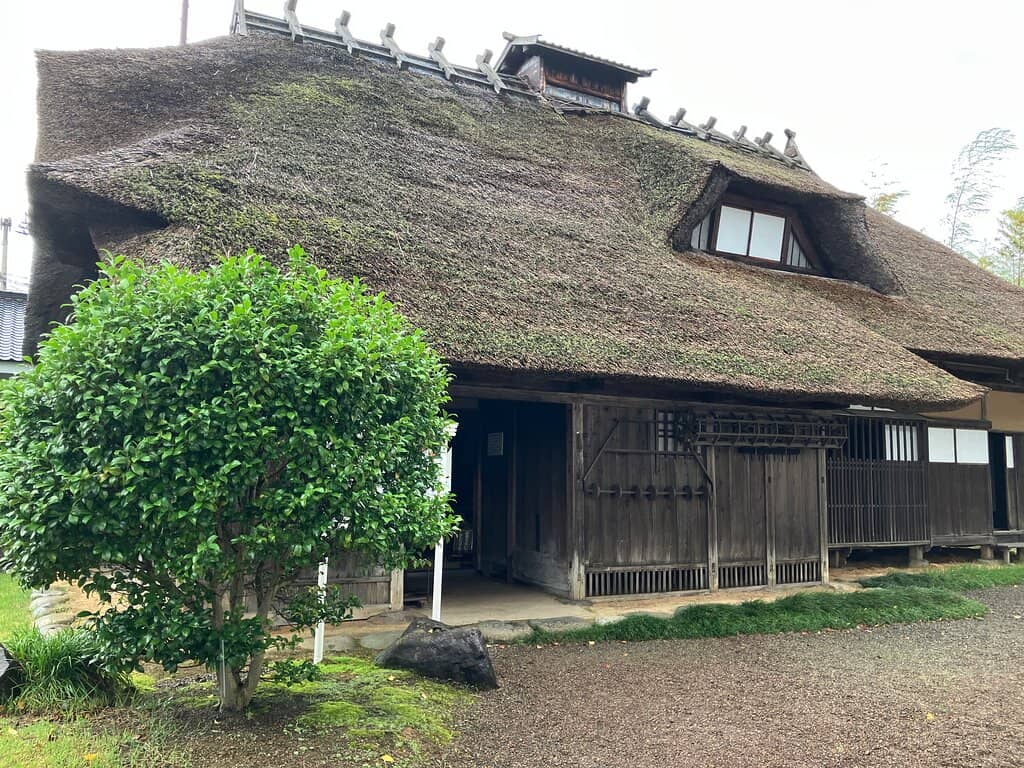
Old Nishi-kawa Police Station
Main Exhibition Area
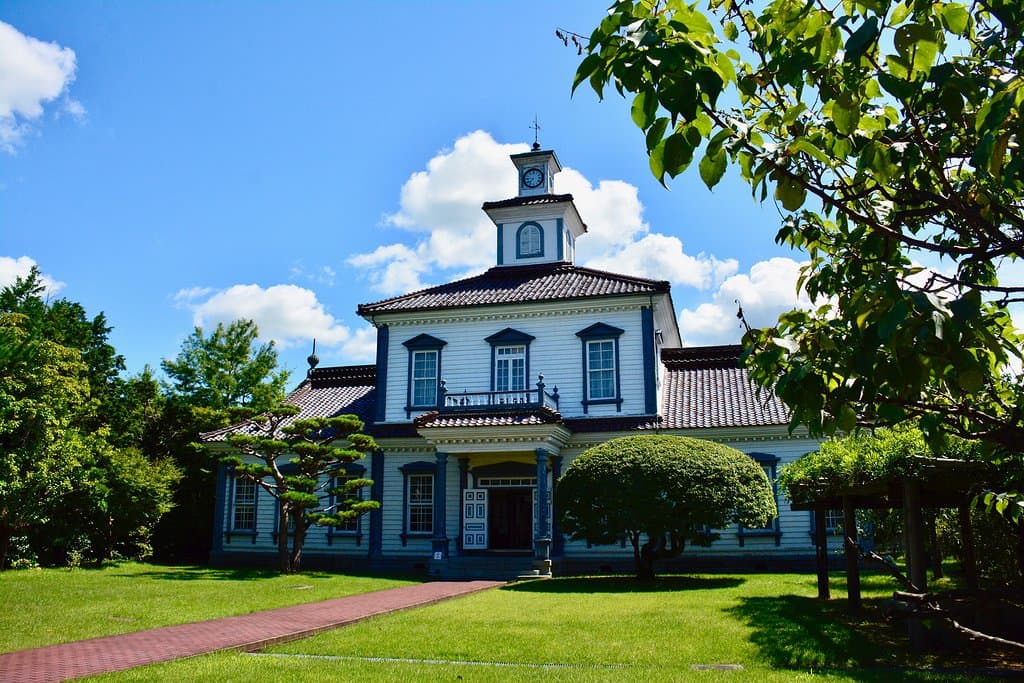
A stunning Western-style building, relocated and preserved, offering a glimpse into Meiji-era architecture.

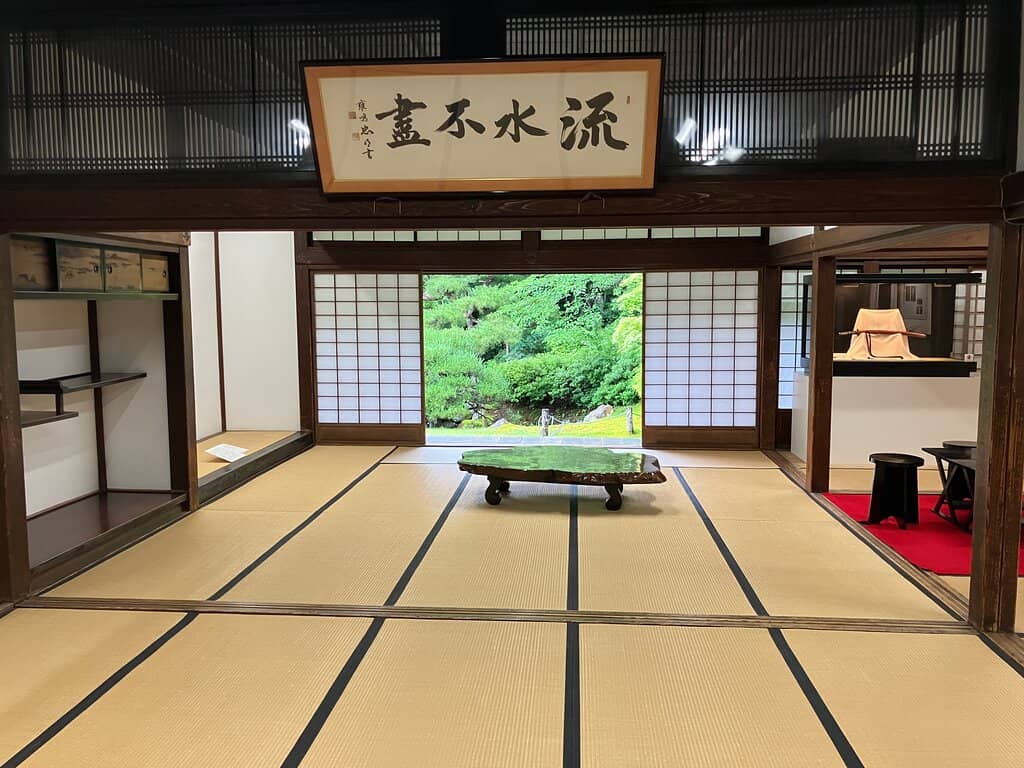
Sakurai Family Residence
Outdoor Exhibition
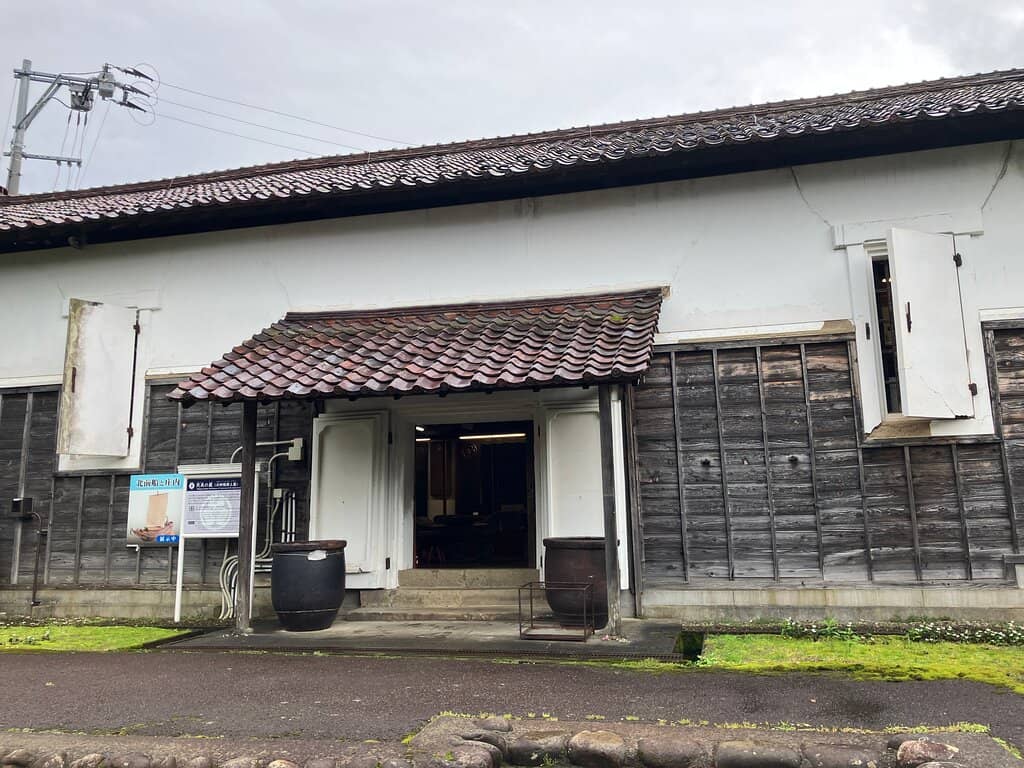
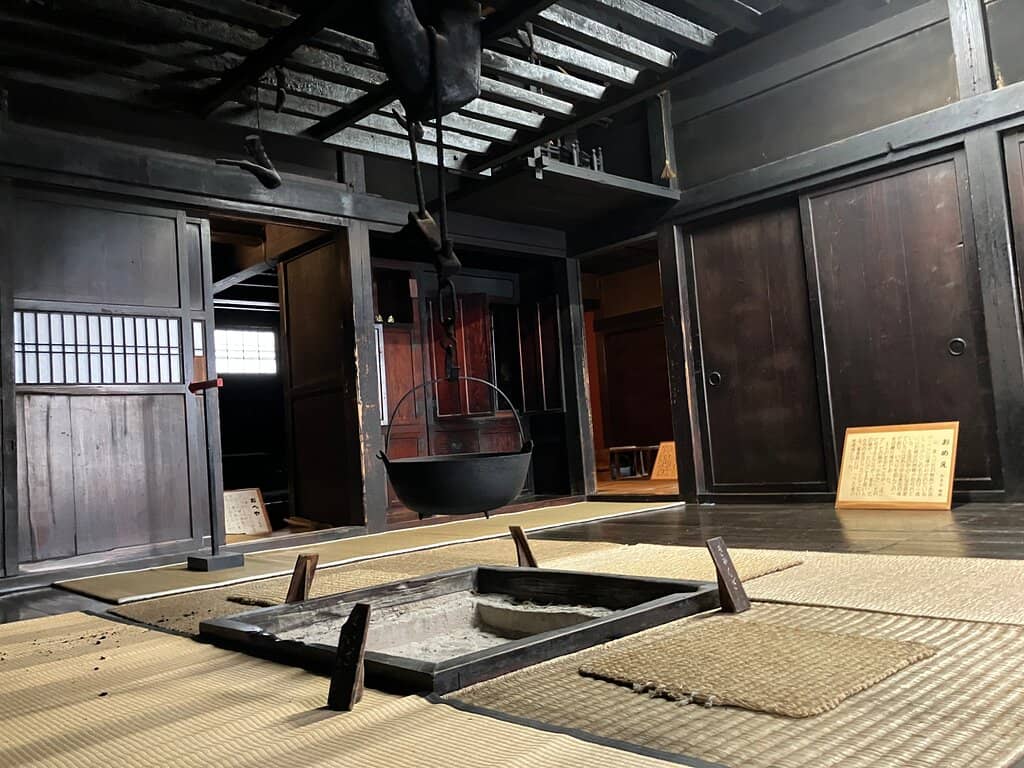
Explore a traditional Japanese house with a thatched roof, showcasing winter life and local customs.
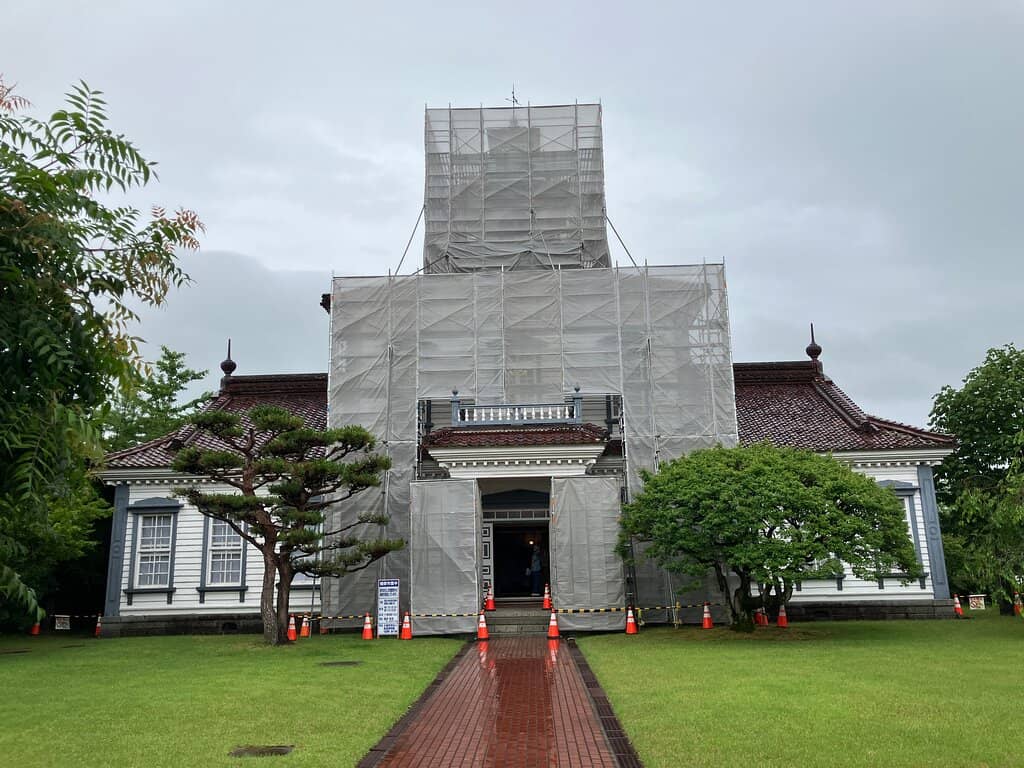
Samurai Armor Collection
Special Exhibition Area
Marvel at historical samurai armor from various periods, including pieces linked to famous battles.
+2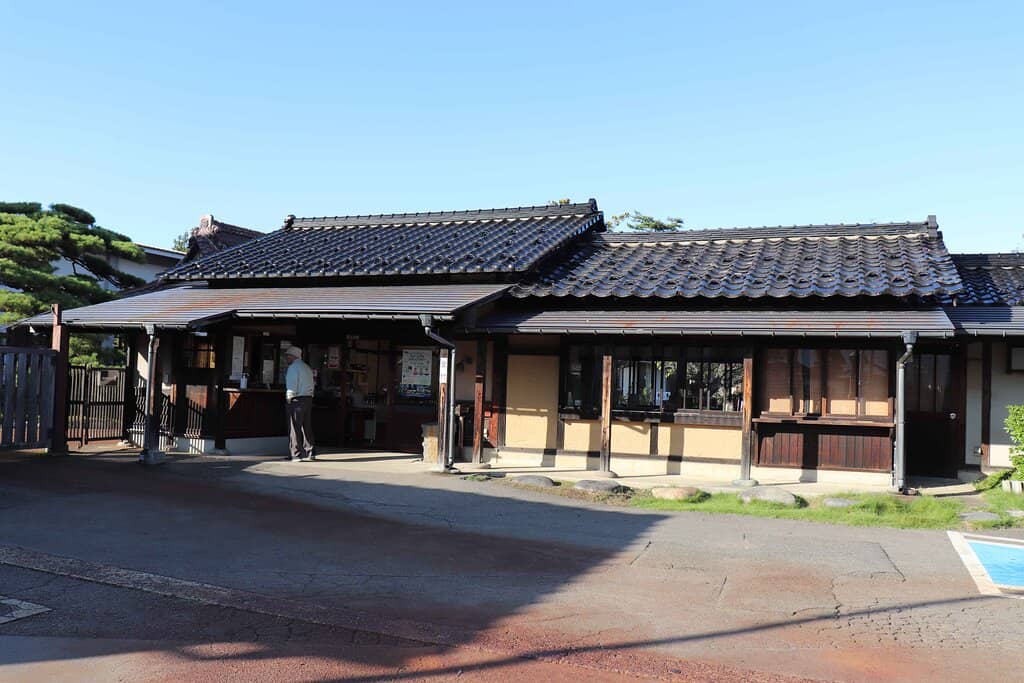
Japanese Garden
Rear of the Museum
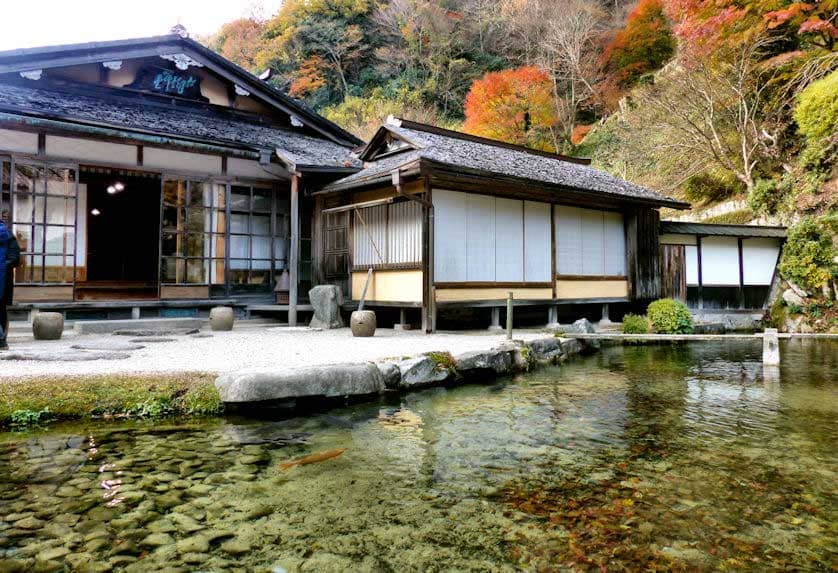
A beautifully recreated garden offering a serene space to relax and enjoy the views.
Plans like a pro.
Thinks like you
Planning Your Visit
Allocate Sufficient Time
Check for Special Events
Best Times
Insider Tips
from TikTok, Instagram & Reddit
⏳ Allow ample time
Don't rush! The suggested 1 hour is not enough. Plan for 1.5-2 hours to see everything properly.
🅿️ Easy parking available
Convenient parking is available on the museum grounds, making arrival hassle-free.
🎓 Student discounts
University students can get a special price by showing their ID card.
🌸 Pretty garden views
Enjoy the scenic Japanese garden; sitting on the tatami mats offers a lovely perspective.
Tips
from all over the internet
⏳ Allow ample time
Don't rush! The suggested 1 hour is not enough. Plan for 1.5-2 hours to see everything properly.
🅿️ Easy parking available
Convenient parking is available on the museum grounds, making arrival hassle-free.
🎓 Student discounts
University students can get a special price by showing their ID card.
🌸 Pretty garden views
Enjoy the scenic Japanese garden; sitting on the tatami mats offers a lovely perspective.
🎎 Doll's House Exhibit
Discover a surprisingly interesting doll's house section featuring McIntosh architecture.
What Travellers Say
Reviews Summary
Visitors find Chido Museum to be a worthwhile destination, particularly for its impressive collection of historical architecture and artifacts. While some feel the entrance fee is a bit high for the size and nature of exhibits, most agree it offers valuable insights into local history and culture. The main point of contention is the time needed for a proper visit, with many recommending significantly more than the hour suggested by staff.
"We arrived at the museum around 1.5hr before closing. I asked the lady (I am a native Japanese speaker) at the reception how long we would need to see everything and she said an hour, so we went in.
There is no way you can properly visit the place in an hour. If you are just rushing through, may be yeah but if you want to properly visit the place and read the description of the exhibits, no, you will need well more than an hour!
We were not pleased at all considering the JPY1,000 per person entrance fee they charged!
The wee miniature figure exhibit was very interesting. We were also pleasantly surprised to see Mcintosh architecture/design represented in the dolls house section. The traditional river boat/canoe exhibit was unusual and interesting. They also have a small Japanese garden at the back, which by the time we saw it, it was getting too dark.
Is it worth a visit? Yes, definitely, but not if you only have an hour.
Shame, it would have been a four star attraction if it weren't for the wrong advice we were given regarding the time needed to visit the place."
Un Vagabundo
"When in the neighbourhood, recommend to spend time here. Allowed me to better understand the depth of some of the history of this part of Japan. Easy parking on the property."
Nuit
"very enlightening learning about the history of the place.
the blue old police post?? UNBELIEVABLE!!
the view of Tsuruoka?? UNMATCHED!!
the garden?? FORGERTABOURIT!! 🤩"
Almariah
What People Like
What People Dislike
Frequently Asked Questions
🚇 🗺️ Getting There
The museum is located in Tsuruoka City, Yamagata Prefecture. While specific public transport details are not widely shared, driving is a common method, with easy parking available on-site.
Yes, there is easy parking available on the museum property, making it convenient for visitors arriving by car.
Tsuruoka City can be reached by train via the JR Uetsu Line. If coming from further afield, you might consider flying into a nearby airport like Shonai Airport (SYO) and then taking ground transportation.
Tsuruoka City itself offers other historical sites and cultural experiences. Exploring the city center after your museum visit is recommended.
While the historical buildings offer a unique experience, some may have stairs (like the police office). Visitors with mobility concerns should inquire about accessibility for specific buildings.
🎫 🎫 Tickets & Entry
The general entrance fee is around 700-1000 JPY per person. University students may be eligible for a special price with their ID.
The museum is generally open from 9:00 AM to 5:00 PM, but it's advisable to check for seasonal variations or special event hours. The Sakurai Residence is open until 3 PM on weekends.
Information on advance ticket purchases is not readily available. It's generally recommended to purchase tickets upon arrival at the reception.
Yes, university students can receive a discount by presenting their student ID.
Visitors strongly advise allocating at least 1.5 to 2 hours, as the suggested one hour is insufficient for a proper exploration.
🎫 🏛️ Onsite Experience
Key attractions include the relocated Western-style Old Nishi-kawa Police Station, the traditional Sakurai Family Residence, historical samurai armor, and a beautiful Japanese garden.
The museum features local cultural and folk artifacts, historical architecture, samurai armor, and displays related to local history and traditions.
Information about on-site dining facilities is limited. It's advisable to check the museum's official website or plan to dine in Tsuruoka City.
Photography policies can vary for specific exhibits. It's best to look for signage or ask staff if photography is permitted in certain areas.
The museum preserves important historical buildings, such as the Old Nishi-kawa Police Station, by relocating and restoring them, offering a tangible connection to the past.
📸 📸 Photography
The exterior of the Western-style buildings, the traditional Japanese garden, and the historical samurai armor displays are popular for photography.
While general photography might be allowed, it's always wise to check for specific restrictions on certain exhibits or artifacts. Look for signs or ask museum staff.
A camera capable of capturing architectural details and atmospheric shots would be ideal. Many visitors use smartphones or mirrorless cameras for their portability.
Yes, the Japanese garden is a picturesque spot and generally suitable for photography, especially during pleasant weather.
The contrast between the Western-style police station and the traditional Japanese residences offers unique photographic opportunities.
For Different Travelers
Tailored advice for your travel style
👨👩👧 Families with Kids
+1While the museum is not specifically designed as a children's play area, the Japanese garden offers a pleasant space for a brief respite. Parents should note that some historical buildings may have steep stairs, so supervision is key. The museum's focus on local history and artifacts can also be an educational experience, offering a chance to learn about Japan's past in an engaging setting.
🏛️ History Buffs
+2The museum's focus on local history and cultural artifacts allows for a nuanced understanding of the region's past. The detailed exhibits, including those related to local festivals and daily life, offer a rich tapestry of historical information. It's a place where you can truly immerse yourself in the stories and legacies of Tsuruoka and Yamagata.
📸 Photographers
+2Don't miss the chance to photograph the intricate details of the samurai armor and other historical artifacts. The museum's diverse exhibits provide a range of subjects, from grand historical pieces to delicate cultural items. Remember to check for any photography restrictions within specific display areas to ensure you capture the best possible images.
+1Deep Dives
In-depth insights and expert knowledge
Architectural Heritage
+2Complementing the Western influence is the Sakurai Family Residence, a beautifully preserved traditional Japanese house. Visitors can explore its interior, imagining life within its walls, and appreciate the craftsmanship of its thatched roof and wooden structure. The museum's commitment to preserving these buildings allows visitors to step back in time and experience different architectural eras firsthand.
These relocated buildings are not just structures; they are tangible links to the past, offering insights into the historical development and cultural exchange of the region. The attention to detail in their preservation makes the museum a must-visit for architecture enthusiasts.
Samurai and Local History
+2Beyond military history, Chido Museum delves into the local culture and folk artifacts of Tsuruoka and the surrounding Yamagata Prefecture. Exhibits often feature items related to traditional festivals, daily life, and regional crafts. One notable display includes miniature samurai armor and other items related to the 'Tsuruoka Hina-no-go' (Tsuruoka Doll Festival), showcasing intricate artistry.
These collections offer a comprehensive understanding of the region's heritage, from the grand narratives of samurai warfare to the intimate details of everyday life. The museum's dedication to showcasing these diverse aspects of history makes it an enlightening experience for any visitor interested in Japanese culture.
The Tranquil Japanese Garden
The garden provides a perfect spot for quiet contemplation. Many visitors appreciate the opportunity to simply sit on the tatami mats of an adjacent building and soak in the tranquil atmosphere. It's a place where the beauty of nature complements the historical significance of the museum.
While the garden might not be the primary draw for everyone, its inclusion adds another layer of appreciation for the museum's offerings, providing a moment of calm and natural beauty amidst the historical displays.
Social
from TikTok, Instagram & Reddit