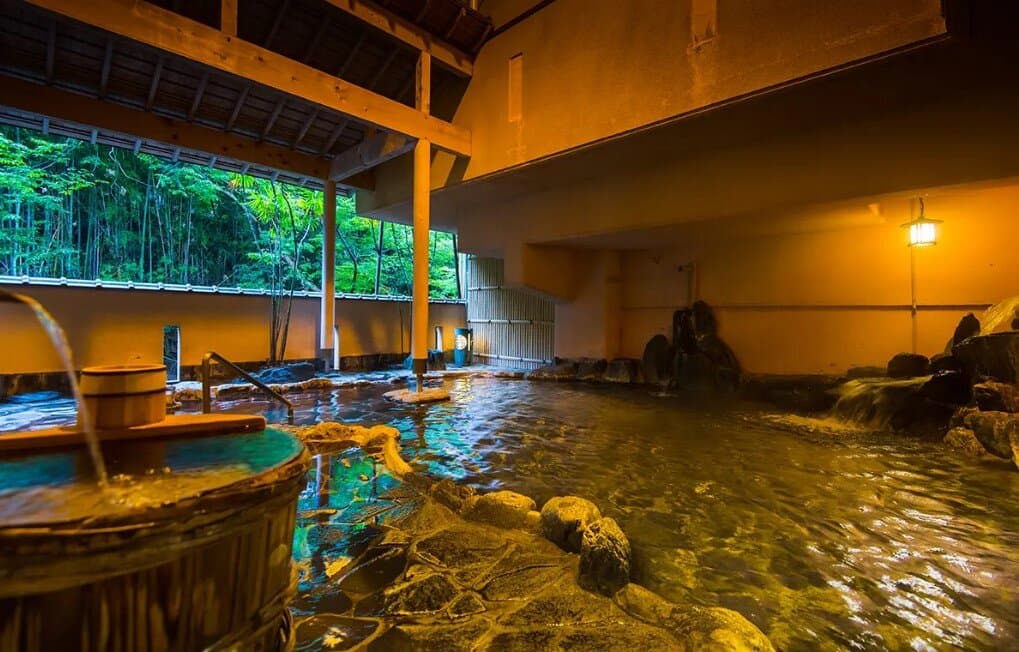
Sakakibara Onsen
One of Japan's oldest onsen towns, famed for its legendary alkaline healing waters and serene, traditional ryokan experiences.
Highlights
Must-see attractions

Social
From TikTok & Reddit
Best Time
Fewer crowds, more tranquility
Sakakibara Onsen
Best Time
Fewer crowds, more tranquility
Highlights
Must-see attractions
One of Japan's oldest onsen towns, famed for its legendary alkaline healing waters and serene, traditional ryokan experiences.
"Soak in history and healing waters at Sakakibara Onsen, a timeless escape for ultimate relaxation."
🧳 Pack Light for Ryokans
Ryokans often provide yukata and amenities, so pack minimal clothing for a truly immersive experience.
💧 Respect Onsen Etiquette
Wash thoroughly before entering baths, no swimsuits allowed, and keep noise levels down.
Highlights
Discover the most iconic attractions and experiences
The Legendary Healing Waters
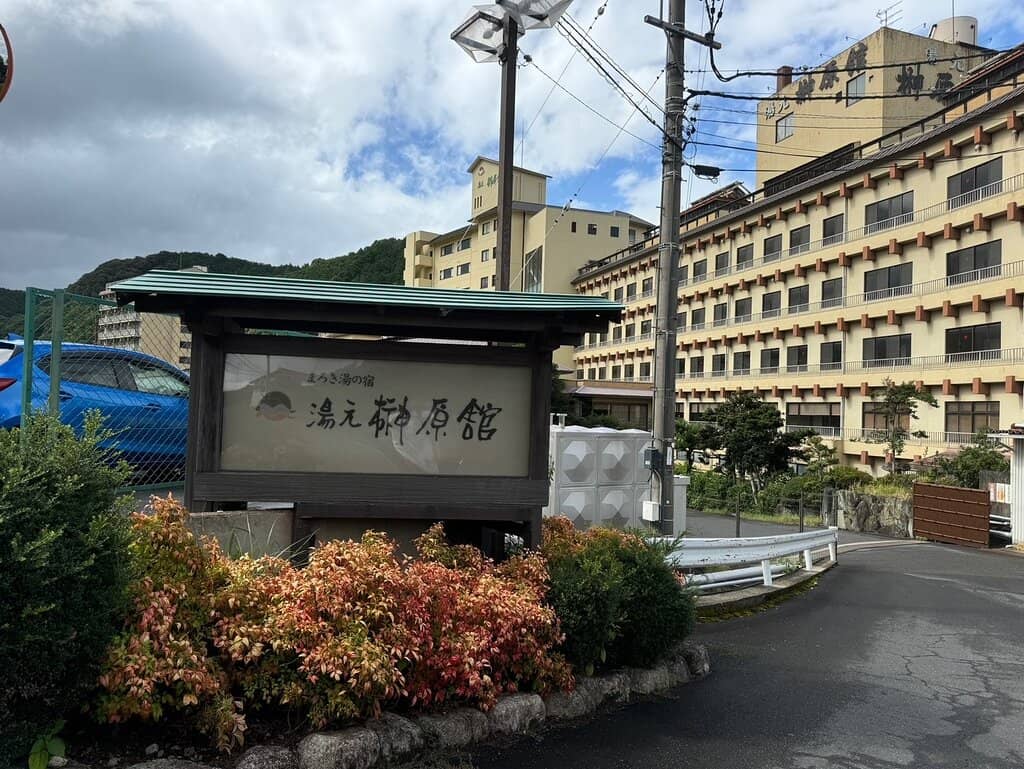
Various Ryokans and Public Baths
Experience the famed alkaline waters, said to have miraculous healing properties for skin and fatigue.
Historical Ryokan Stays
Throughout Sakakibara Onsen town
Immerse yourself in traditional Japanese hospitality by staying in a historic ryokan.
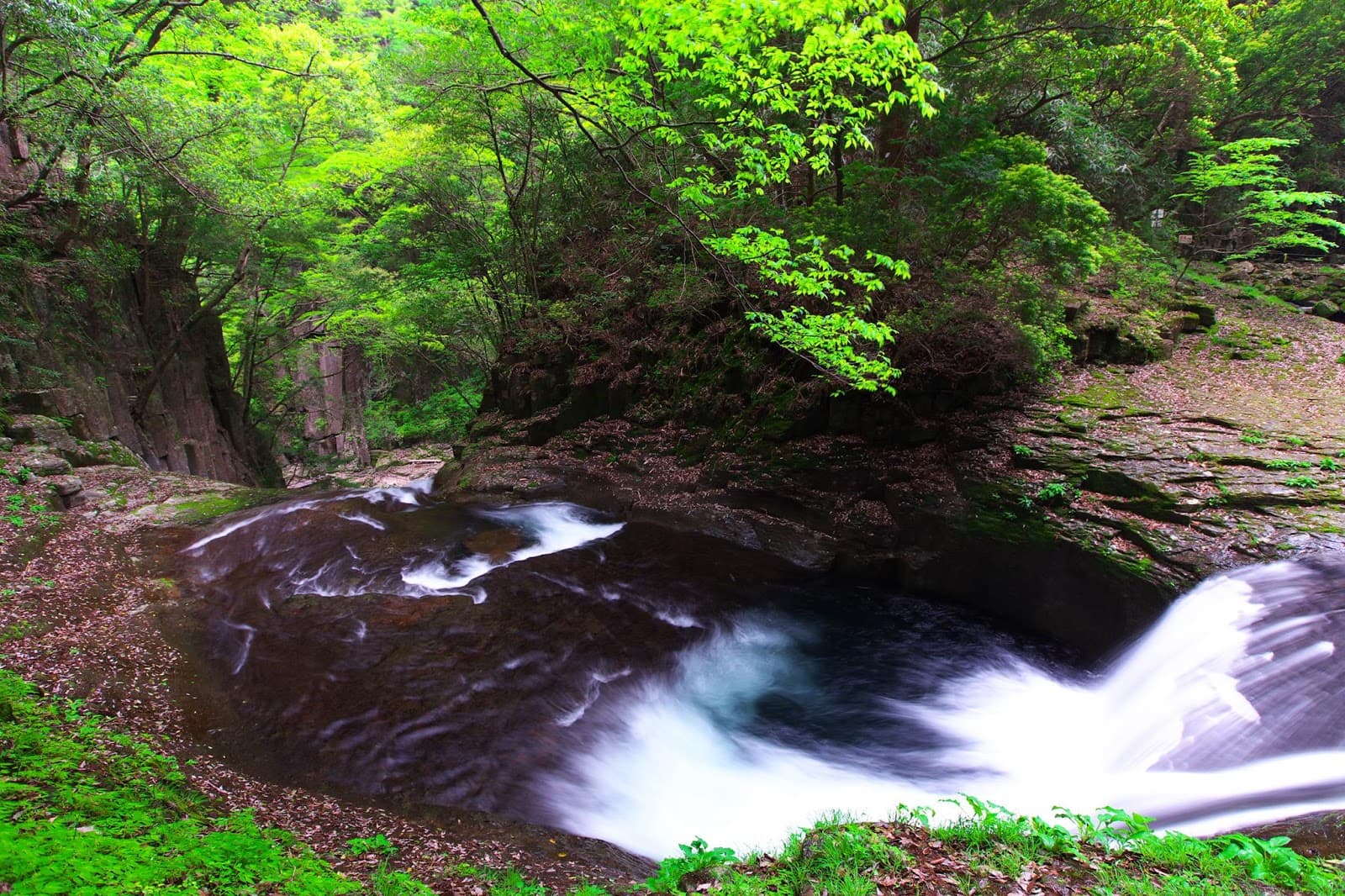
Peaceful Riverside Walks
Along the Sakakibara River
Stroll along the tranquil riverbanks, enjoying the natural beauty and quietude of the onsen town.
Plans like a pro.
Thinks like you
Planning Your Visit
Embrace the Tradition
Relaxation is Key
Best Times
Insider Tips
from TikTok, Instagram & Reddit
🧳 Pack Light for Ryokans
Ryokans often provide yukata and amenities, so pack minimal clothing for a truly immersive experience.
💧 Respect Onsen Etiquette
Wash thoroughly before entering baths, no swimsuits allowed, and keep noise levels down.
🚶♀️ Explore on Foot
The town is best explored by walking to fully appreciate its charm and discover hidden spots.
💰 Cash is King
While some places accept cards, many smaller establishments and shops prefer cash.
Tips
from all over the internet
🧳 Pack Light for Ryokans
Ryokans often provide yukata and amenities, so pack minimal clothing for a truly immersive experience.
💧 Respect Onsen Etiquette
Wash thoroughly before entering baths, no swimsuits allowed, and keep noise levels down.
🚶♀️ Explore on Foot
The town is best explored by walking to fully appreciate its charm and discover hidden spots.
💰 Cash is King
While some places accept cards, many smaller establishments and shops prefer cash.
What Travellers Say
Reviews Summary
Visitors rave about Sakakibara Onsen's legendary healing waters and the deeply relaxing atmosphere. The historical significance and traditional ryokan stays are consistently praised, offering an authentic Japanese experience. Some find the town quiet with limited activities outside of the onsen, and dining options can be restricted to ryokan meals.
What People Like
What People Dislike
Frequently Asked Questions
🚇 🗺️ Getting There
To reach Sakakibara Onsen from Tokyo, take the Shinkansen (bullet train) from Tokyo Station to Shin-Osaka Station. From Shin-Osaka, transfer to a local train on the JR Sanyo Line towards Okayama and alight at Okayama Station. Finally, take a local train on the JR Seto-Ohashi Line towards Shikoku and get off at Kanonji Station. From Kanonji Station, a short taxi ride or local bus will take you to Sakakibara Onsen. The entire journey can take around 4-5 hours.
Yes, Sakakibara Onsen is accessible by public transport. The nearest major train station is Kanonji Station. From there, you can take a taxi or a local bus to reach the onsen town.
The onsen town itself is quite compact and best explored on foot. Many ryokans are within walking distance of each other and the main bathing facilities. Taxis are available for longer distances or if you have mobility issues.
Direct bus services to Sakakibara Onsen are limited. It's generally more convenient to travel by train to Kanonji Station and then take a taxi or local bus.
From Osaka, take the Shinkansen from Shin-Osaka Station to Okayama Station, then transfer to the JR Seto-Ohashi Line towards Shikoku and get off at Kanonji Station. The journey typically takes about 2-3 hours, followed by a short taxi or bus ride to the onsen.
🎫 🎫 Tickets & Entry
It is highly recommended to book accommodation in advance, especially if you plan to visit during peak seasons or weekends. Many ryokans are popular and fill up quickly.
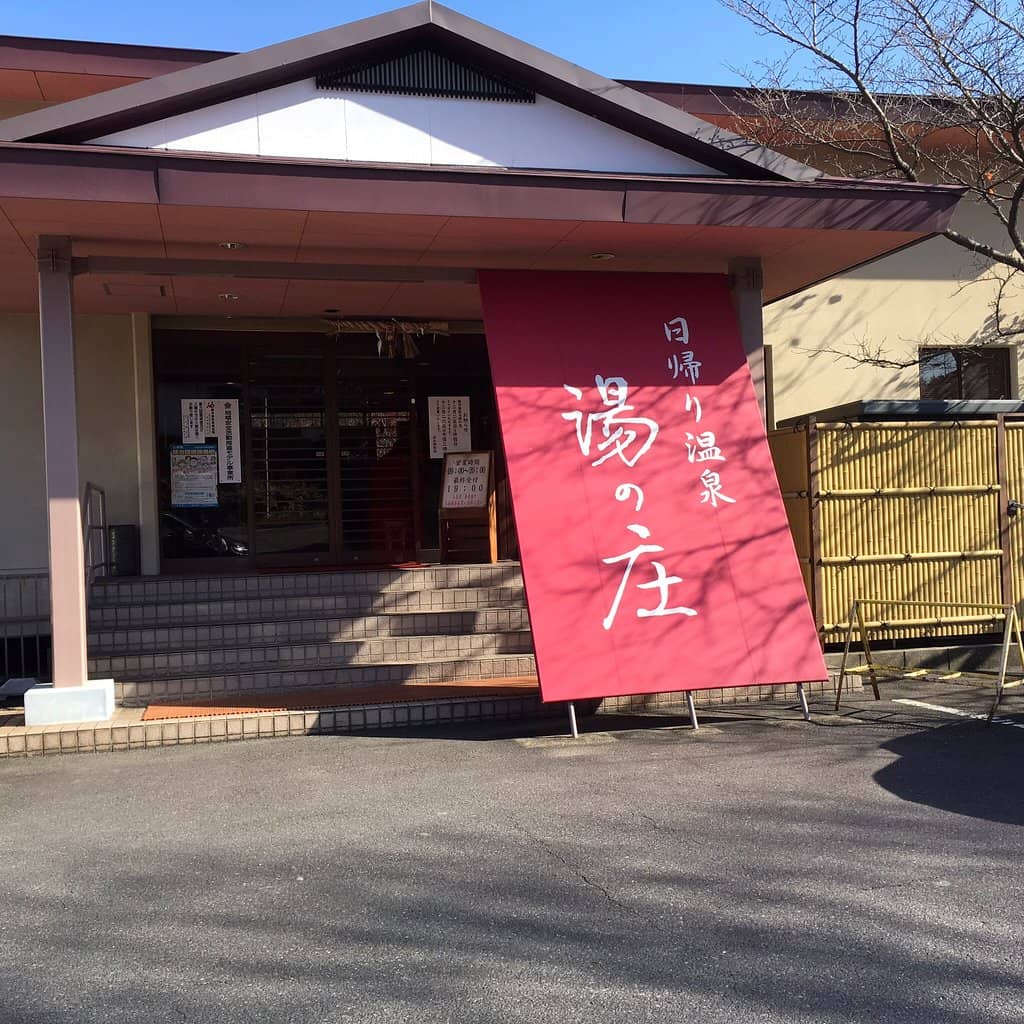
Yes, some ryokans and dedicated onsen facilities offer day-use options, allowing you to experience the hot springs without staying overnight. Check with individual establishments for their specific policies and fees.
Ryokan stays can vary significantly in price depending on the establishment, room type, and meals included. Expect to pay anywhere from ¥15,000 to ¥50,000+ per person per night for a traditional experience with dinner and breakfast.
There are no entrance fees for Sakakibara Onsen town itself. Fees are typically associated with using the hot spring baths, either as a day visitor or as part of a ryokan stay.
You'll need a small towel for washing and drying, and sometimes a smaller towel for use in the bath (though many places provide these). Most ryokans provide yukata (robes) and toiletries.
🎫 🏞️ Onsite Experience
Sakakibara Onsen's main draw is its historic hot springs, renowned for their healing properties. Beyond the baths, visitors enjoy the peaceful atmosphere, traditional ryokan stays, and scenic riverside walks. It's a destination focused on relaxation and rejuvenation rather than typical tourist attractions.
Sakakibara Onsen is famously known as one of Japan's three oldest hot springs, with a history stretching back over a thousand years. It's particularly celebrated for its alkaline waters, believed to have beneficial effects on the skin and overall health.
While bathing is the primary activity, you can enjoy leisurely walks along the Sakakibara River, explore the charming streets lined with traditional ryokans, and savor local cuisine. Some ryokans may offer cultural experiences.
Sakakibara Onsen can be visited as a day trip, especially if you wish to experience the hot springs. Many facilities offer day-use options. However, to fully appreciate the tranquility and traditional ryokan experience, an overnight stay is recommended.
The best way to experience the onsen waters is by staying at a traditional ryokan that utilizes the local spring water. This allows for multiple bathing opportunities and a more immersive experience. Alternatively, look for day-use onsen facilities.
🍽️ 🍽️ Food & Dining
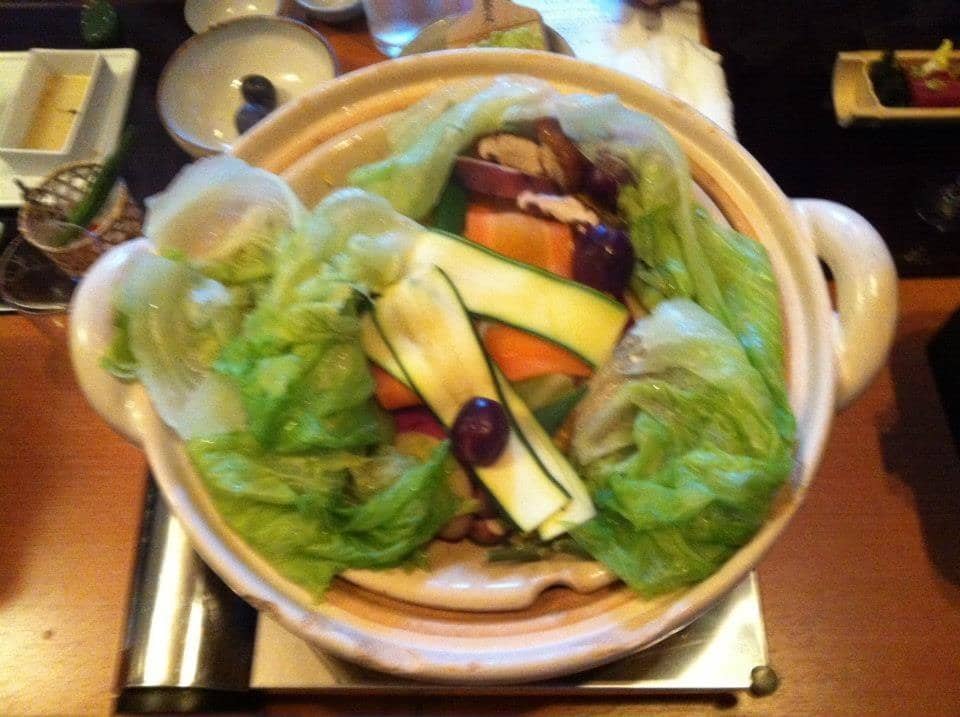
Dining in Sakakibara Onsen typically revolves around traditional Japanese cuisine, often served as part of a ryokan stay. Expect multi-course kaiseki meals featuring seasonal ingredients, fresh local produce, and regional specialties.
While ryokans are the primary dining hubs, you might find a few local restaurants or small eateries in the town, especially near Kanonji Station. However, options are more limited compared to larger cities.
Local specialties often include fresh seafood from the nearby Seto Inland Sea and regional vegetables. Kaiseki meals will showcase these ingredients prepared in traditional Japanese styles.
Finding strictly vegetarian or vegan options might be challenging in traditional ryokan meals, as they often include fish and dashi (fish stock). It's best to inform your ryokan in advance of any dietary restrictions.
Ryokan dinners are typically served in the early evening, around 6 PM or 7 PM. Breakfast is usually served in the morning. If you dine at external restaurants, hours will vary, but many close by late afternoon or early evening.
📸 📸 Photography
The most photogenic spots include the traditional architecture of the ryokans, the serene Sakakibara River, and the natural landscapes surrounding the onsen town. Capture the steam rising from the baths in the early morning or late evening for atmospheric shots.
Generally, photography is allowed in public areas. However, always be respectful and avoid taking photos of other guests in bathing areas or inside private rooms without permission. Some ryokans may have specific rules regarding photography within their premises.
A versatile camera with a good low-light performance is ideal for capturing the ambiance of the onsen town, especially in the evenings. A wide-angle lens can be useful for landscapes, while a standard zoom is good for general shots.
Absolutely not. Photography inside onsen baths is strictly prohibited due to privacy concerns. Always adhere to the rules and be mindful of other bathers.
Early mornings offer soft light and fewer people, ideal for capturing the peaceful atmosphere. Golden hour (shortly after sunrise and before sunset) provides warm, flattering light for landscapes and architectural shots.
For Different Travelers
Tailored advice for your travel style
👨👩👧 Families with Kids
While the town itself is quiet, the natural surroundings offer opportunities for gentle walks. Pack some snacks and entertainment for downtime in the ryokan, as options for children's activities are limited. The focus here is on shared relaxation and experiencing traditional Japanese culture together. Informing your ryokan in advance about any children in your party can help them prepare accordingly.
🧘♀️ Solo Travelers Seeking Peace
Embrace the onsen etiquette and enjoy the quiet solitude of the baths. Many solo travelers find the peaceful environment conducive to reading, meditation, or simply enjoying the natural beauty. The limited dining options outside of ryokans mean you can fully embrace the ryokan experience, often finding yourself in the company of other travelers seeking a similar escape.
Deep Dives
In-depth insights and expert knowledge
The Legendary Waters of Sakakibara
Historically, Sakakibara Onsen is recognized as one of Japan's three oldest hot springs, with a documented history dating back over a thousand years. It was a favored retreat for nobles and samurai seeking both relaxation and healing. This deep historical connection adds a layer of cultural significance to the onsen experience. When visiting, you're not just enjoying a hot bath; you're participating in a tradition that has been cherished for centuries. The preservation of its historical charm is a key aspect that draws many travelers looking for an authentic Japanese onsen experience.
Staying in a Traditional Ryokan
Ryokan stays usually include exquisite kaiseki dinners and traditional Japanese breakfasts. These multi-course meals are a culinary art form, showcasing seasonal ingredients and local delicacies prepared with meticulous care. Dining is often a communal experience, enjoyed in your room or a private dining area, further enhancing the sense of immersion. The entire experience, from the serene ambiance to the thoughtful service and delicious cuisine, is designed to promote relaxation and a deep connection with Japanese culture.

Social
from TikTok, Instagram & Reddit